8 Foundations for Textured Skin That Actually Smooth, Not Mask
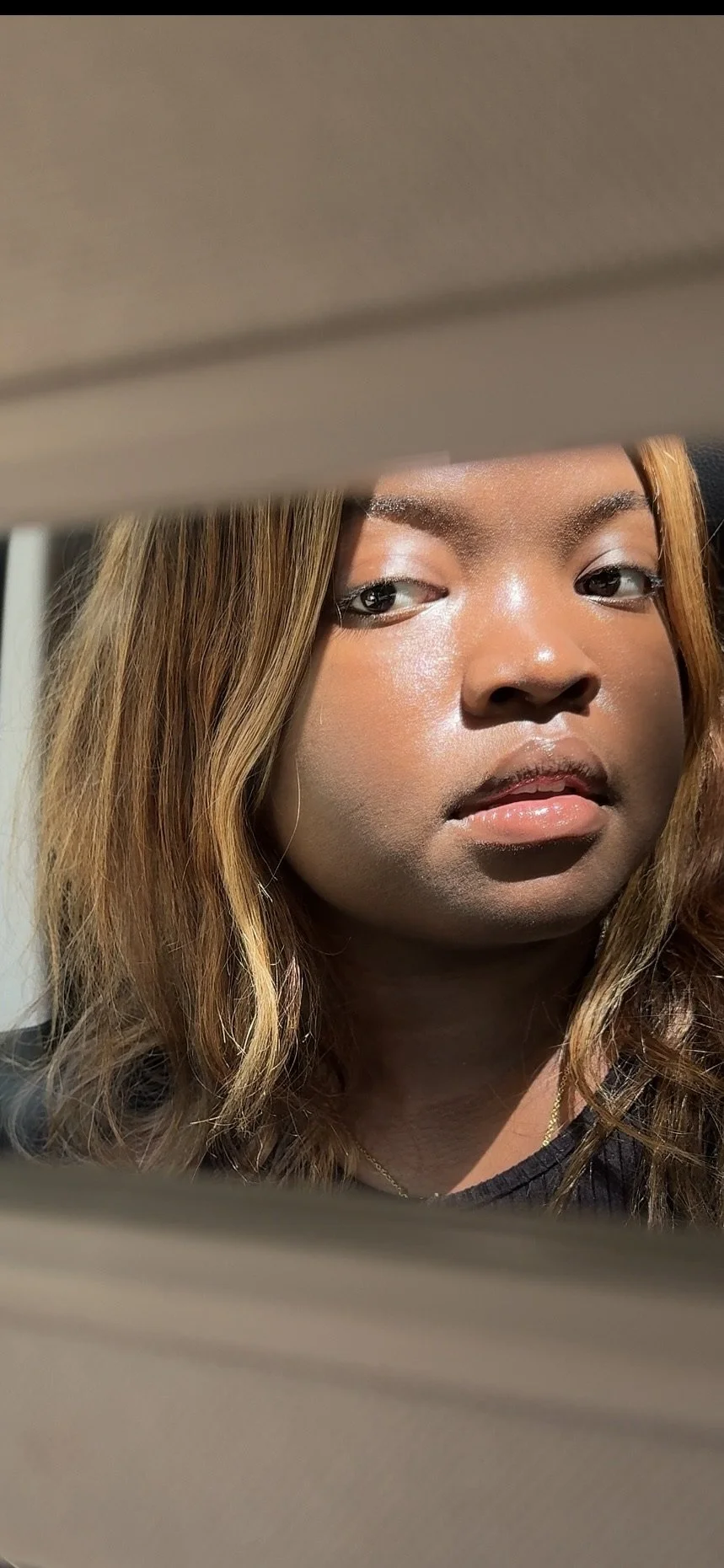
Photo Credit:Ajaila Walker
Foundation gets blamed for texture problems it didn’t create. But after reviewing hundreds of real-world wear experiences across different skin types, routines, and environments, one thing became clear: most foundations fail not because of coverage level, but because they don’t move well on textured skin.
Texture shows up when products cling, stiffen, or try to sit on top of the skin instead of flexing with it. That’s why full-coverage formulas so often backfire. They look smooth on first application, then emphasize pores, bumps, dryness, and uneven areas as the day goes on.
This guide was built by analyzing repeated wear feedback from people who actively struggle with visible skin texture. I looked for patterns, not outliers. Foundations only made this list if they were consistently described as forgiving, flexible, and wearable over time, not just impressive in photos or under studio lighting.
Instead of chasing the idea of “airbrushed” skin, this article focuses on what actually works in real life: formulas that soften texture visually, adapt throughout the day, and don’t punish skin for having dimension. If a foundation couldn’t hold up across multiple experiences and skin conditions, it didn’t make the cut.
Quick Picks: Texture-Friendly Foundations at a Glance
(Based on repeated recommendations from our community)
Best Overall for Forgiving Coverage: Lancôme Teint Idole Ultra Wear $53
Best Lightweight, Airbrushed Finish: Dior Forever (Matte or Original)
Best Skin-Like Finish: Armani Luminous Silk $69
Best Hydrating Option: Smashbox 15 Hour Hydrating Foundation $45
Best Sheer, Texture-Softening Base: MAC Face and Body $44
Best Full-Coverage Option (Sheered Out): Estée Lauder Double Wear $52
Best Affordable Alternative: L’Oréal Infallible Fresh Wear $15.89
How This Guide Was Tested (Community-Based)
Instead of relying on a single wear test or one editor’s skin type, this guide was built by synthesizing long-term wear feedback from our community of readers who actively deal with visible skin texture.
I reviewed repeated discussions, follow-ups, and pattern-based feedback focused specifically on how foundations perform after hours of wear, not just at first application. The priority wasn’t how a product looked under ideal conditions, but how it behaved as skin warmed up, produced oil, dried out, or moved throughout the day.
Foundations were only included if they were consistently recommended across multiple people, routines, and skin conditions. Products that showed up once, relied heavily on hype, or were praised only for looking good in photos were intentionally excluded.
This process allowed us to identify formulas that are genuinely forgiving on texture. Flexible foundations that don’t cling, settle, or exaggerate uneven areas over time. The result is a list based on real-life performance, not first impressions.
High-Frequency Consensus Picks
(Foundations our community repeatedly describes as forgiving on texture)
These are the formulas that came up again and again when texture was the main concern. Not because they promise perfection, but because they behave predictably on uneven skin over time. Each one earned its spot through repeated, consistent feedback across different skin types, routines, and levels of texture.
Lancôme Teint Idole Ultra Wear
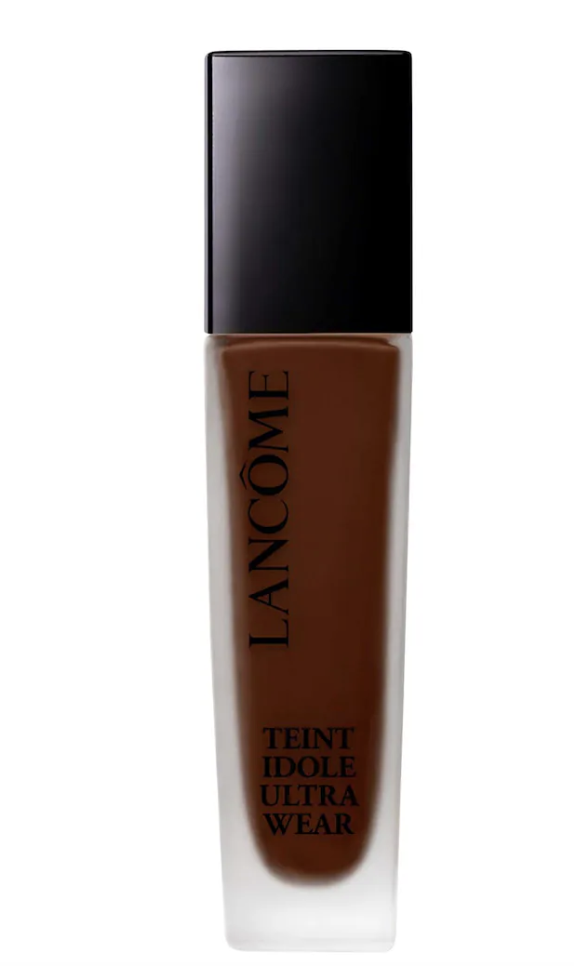
Lancôme
Teint Idole Ultra 24H Long Wear Matte Foundation with Hyaluronic Acid & Vitamin E
$53
This foundation surprises people because it’s often labeled as “full coverage,” yet it consistently performs better on textured skin than many lighter formulas. The reason comes down to flexibility. When applied sparingly, it doesn’t lock into place or harden as the day goes on.
Most positive feedback emphasized using less product than expected, applied in thin layers. When worn this way, Teint Idole smooths the look of redness and uneven tone without exaggerating pores or bumps. Several community members also noted that it wears well through oil and humidity without breaking apart.
It’s especially well-liked by those who struggle to find olive-leaning undertones that don’t turn orange or pink after a few hours.
Works best for:
Combination to oily skin
People who want coverage but still need movement
Olive or neutral undertones
May not be ideal if:
You prefer very sheer, skin-tint-level coverage
You tend to apply foundation heavily in one layer
Dior Forever (Matte & Original)
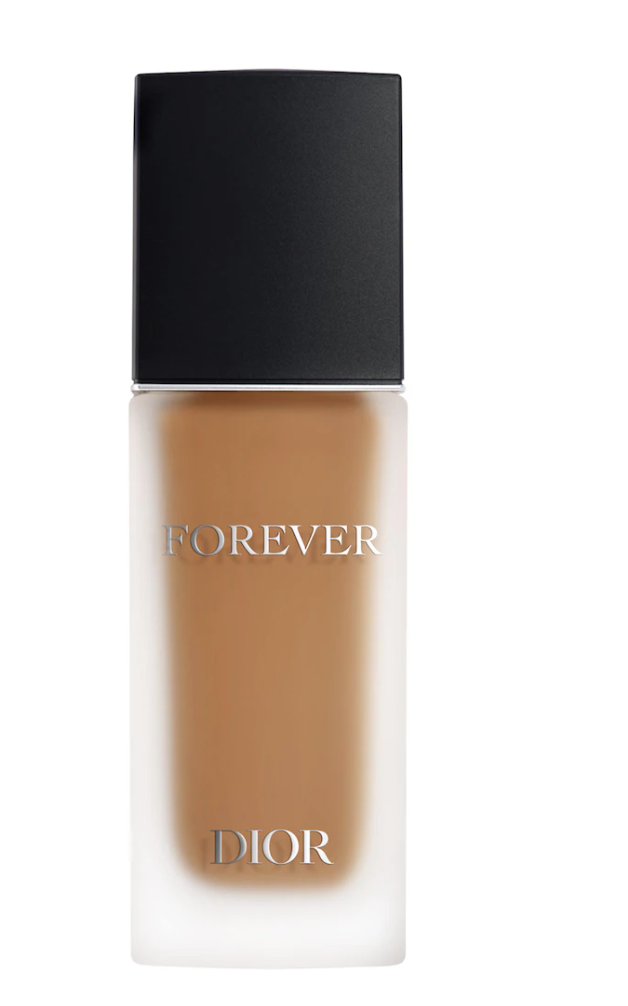
DIOR
Dior Forever Matte Foundation SPF 15
$60
Dior Forever shows up frequently in texture-focused discussions because of its lightweight feel and soft-focus finish. Both the matte and original versions were mentioned, with the common thread being how evenly they sit on uneven skin when prep is done well.
The formula spreads thinly and doesn’t require much manipulation, which reduces the risk of disturbing texture during application. Many users noted that it tolerates acne, pores, and uneven areas better than expected, especially when paired with light hydration underneath.
That said, prep matters here. On dry or dehydrated skin, skipping moisturizer can cause the foundation to emphasize pores or cling in certain areas later in the day.
Works best for:
Normal to combination skin
Those who prefer a polished but not heavy finish
People who want a blurred look without thickness
Be cautious if:
Your skin is very dry and under-prepped
You rely heavily on powder throughout the day
Armani Luminous Silk
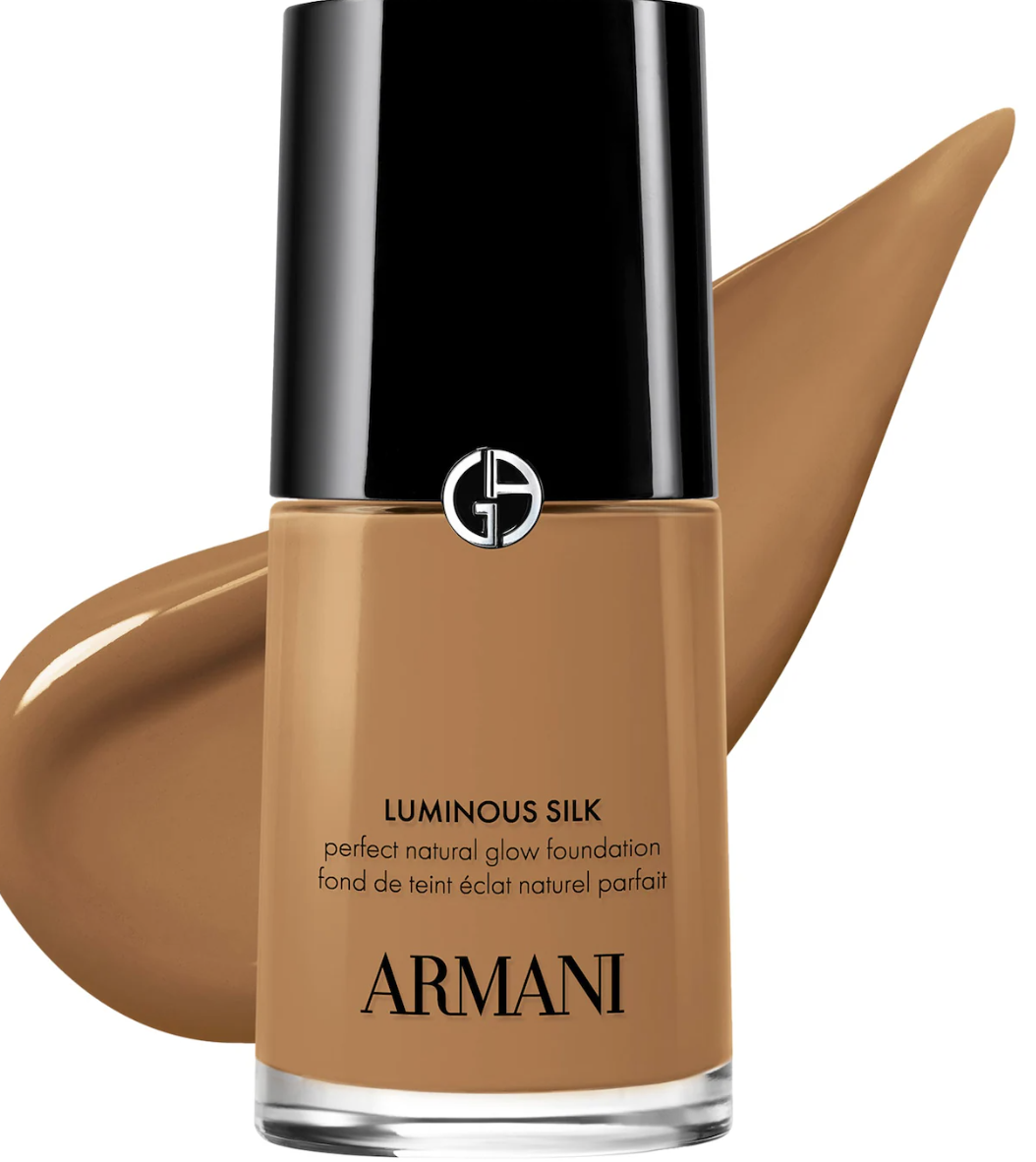
Armani Beauty
Luminous Silk Natural Glow Blurring Liquid Foundation with 24 Hour Wear
$69
Armani Luminous Silk is one of the most consistently described “skin-like” foundations when texture is involved. Rather than masking uneven areas, it softens how they appear by reflecting light gently instead of sitting flat on the skin.
The most successful applications involved either a damp sponge or light stippling with a brush. Heavy buffing tended to disrupt the finish, while minimal blending allowed the foundation to melt into the skin naturally.
Hydration underneath makes a noticeable difference. When layered over well-moisturized skin, Luminous Silk maintains a smooth, flexible finish that holds up without settling into texture.
Works best for:
Normal to dry or balanced skin
People who want a natural, luminous finish
Those sensitive to foundations that feel heavy
May not be ideal if:
You need high coverage without layering
You prefer a completely matte look
Strong Secondary Picks
(Less hype, still trusted by texture-focused users)
These foundations didn’t dominate discussions the way the top consensus picks did, but they showed up often enough, and with enough consistency, to earn a place here. They tend to work well when applied thoughtfully and are often favored by people who’ve tested many formulas and learned what their texture can and can’t tolerate.
Smashbox 15 Hour Hydrating Foundation
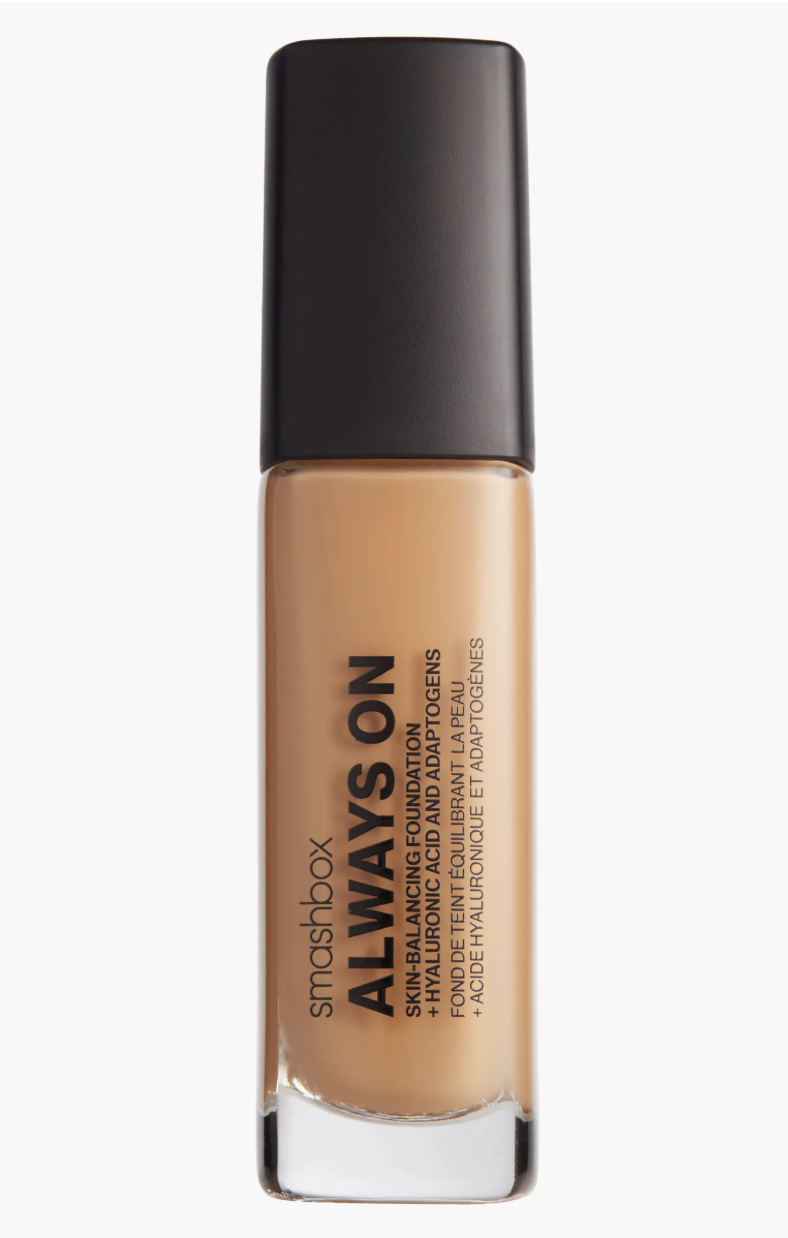
Smashbox
Always On Skin-Balancing Foundation with Hyaluronic Acid & Adaptogens
$45.00
This foundation is frequently referred to as a “holy grail” by people dealing with dryness, flaking, or uneven texture. What sets it apart is its ability to stay flexible throughout the day instead of tightening or cracking as skin shifts.
Repeated feedback emphasized flake tolerance. Even on compromised or dehydrated skin, it’s less likely to cling aggressively to dry patches. Application method matters here. A damp sponge was consistently recommended, as it helps press the product into the skin rather than dragging it across textured areas.
Works best for:
Dry or dehydrated skin
Texture paired with flaking or rough patches
People who prioritize comfort over a perfected finish
Less ideal if:
You prefer a matte or oil-controlling formula
You rely on heavy powder to set your base
MAC Face and Body
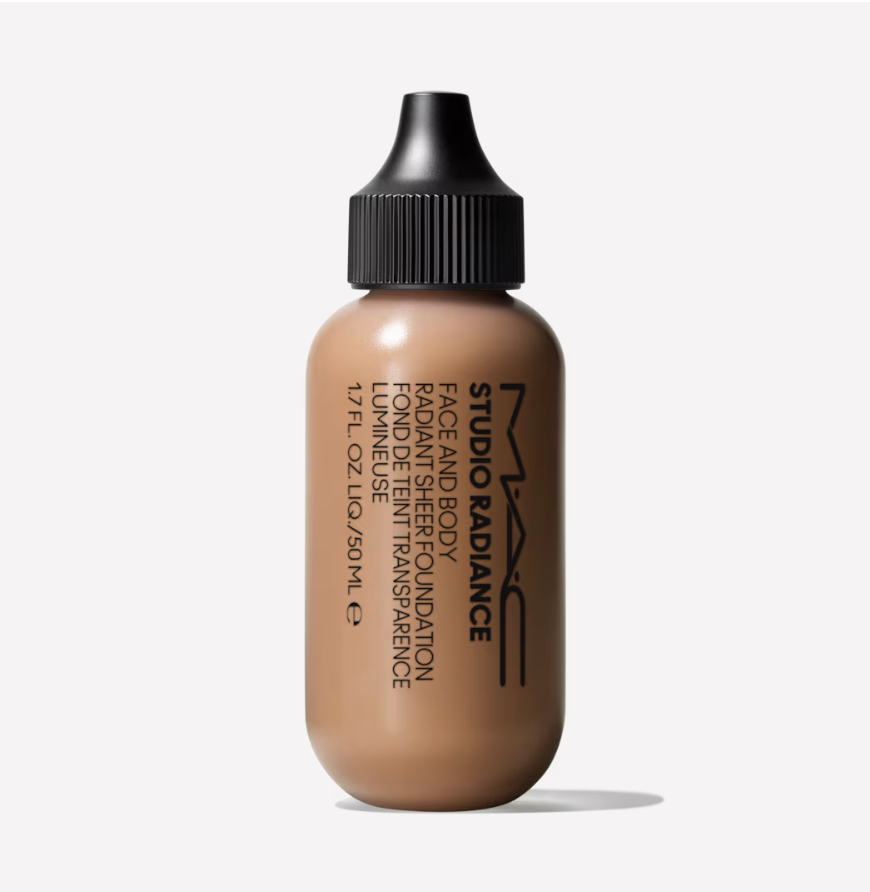
Mac
Studio Radiance Face and Body Radiant Sheer Foundation
$44
MAC Face and Body appears often in texture conversations for one simple reason: thin layers outperform heavy coverage. This foundation doesn’t attempt to hide texture. Instead, it evens tone just enough to reduce contrast, which makes bumps and pores less noticeable overall.
The satin finish plays a big role here. It avoids the flatness that can make texture stand out, while still looking natural in daylight. Many users wear it alone for sheer coverage or layer it under targeted concealer rather than building it up all over the face.
Works best for:
People who prefer sheer, skin-like coverage
Texture without a lot of discoloration
Minimal-makeup routines
May not be enough if:
You want noticeable coverage without concealer
You expect it to blur texture on its own
Estée Lauder Double Wear (Sheered Out)
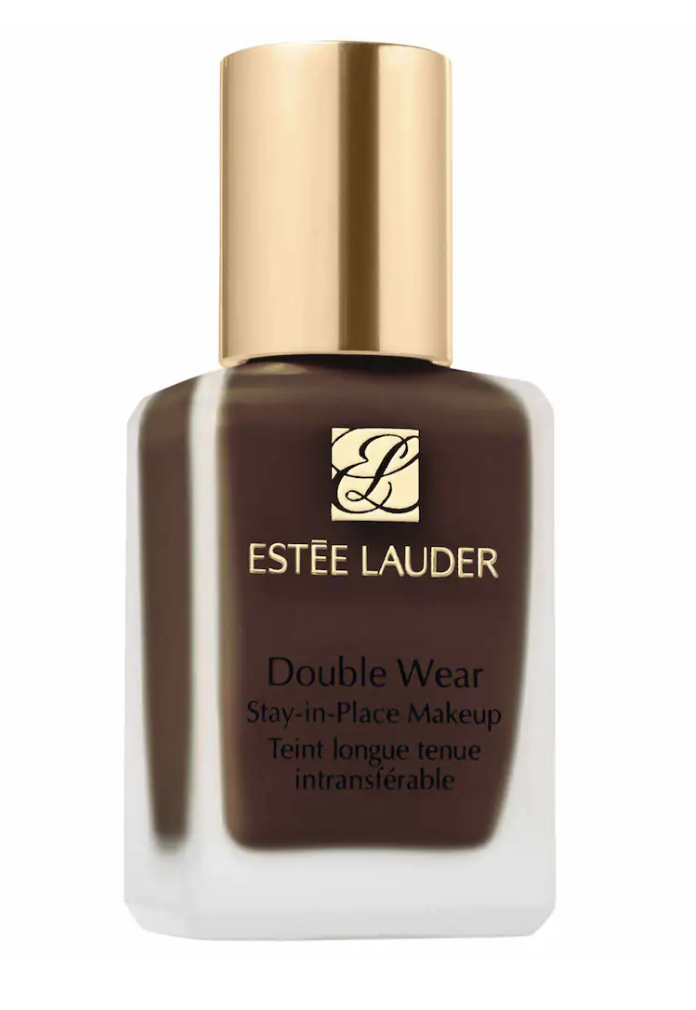
Estée Lauder
Double Wear Stay-in-Place 24-Hour Longwear Foundation
$52
Despite its reputation as a heavy, long-wear foundation, Double Wear shows up repeatedly in texture-focused feedback when it’s used strategically. Very few users wear it at full coverage. Instead, they sheer it out, mix it with moisturizer, or apply it only where needed.
When used this way, it offers impressive longevity without settling as harshly into pores or uneven areas. Spot concealing is key. Full-face application tends to exaggerate texture, while targeted use allows the formula’s durability to work in its favor.
Works best for:
Combination or oily skin
Spot coverage and long days
People comfortable customizing their base
Use caution if:
You apply foundation heavily or all at once
Your skin is dry or easily textured by matte finishes
L’Oréal Infallible Fresh Wear
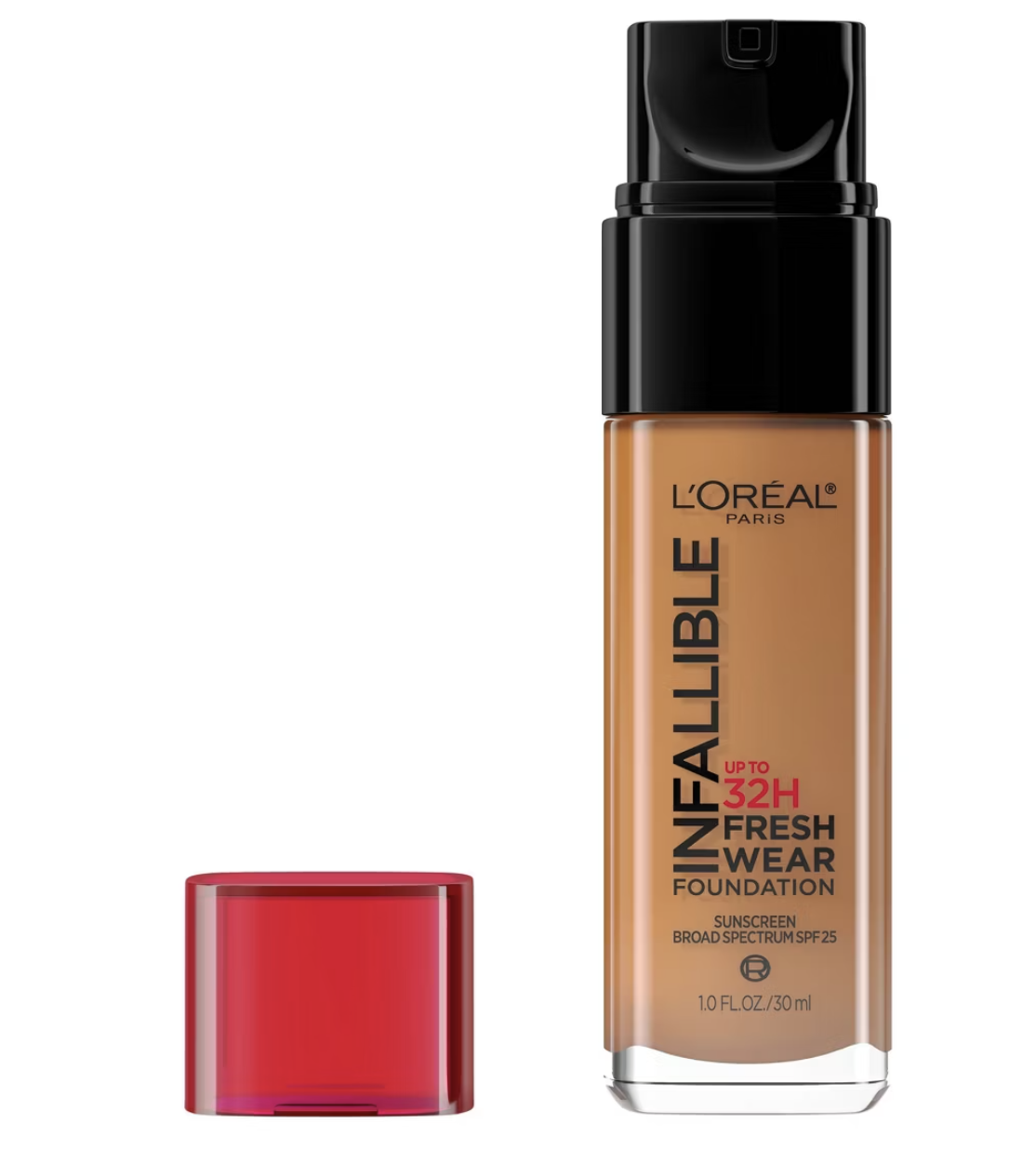
L'Oreal Paris
Infallible 32HR Fresh Wear Foundation with SPF 25 - 510 Hazelnut - 1 fl oz
$15.89
Often compared to Lancôme Teint Idole, this drugstore option earns praise for its balance of coverage and flexibility. The most consistent advice was simple: less is more. When applied lightly, it smooths uneven tone without emphasizing texture.
Users noted that applying too much too quickly is where problems start. Thin layers, minimal buffing, and limited powder help maintain a wearable finish throughout the day.
Works best for:
Normal to combination skin
Those wanting a budget-friendly alternative to higher-end formulas
Light-to-medium coverage routines
May fall short if:
You tend to overapply foundation
You need significant hydration from your base
Drugstore Options (With Conditions)
(Workable, but less forgiving)
Drugstore foundations can work on textured skin, but the margin for error is much smaller. These formulas tend to require more intentional prep, lighter application, and a clearer understanding of their limits. When they fail, they usually fail fast. When they work, it’s because the user adjusted technique rather than relying on the formula to do the heavy lifting.
Maybelline Fit Me Matte + Poreless
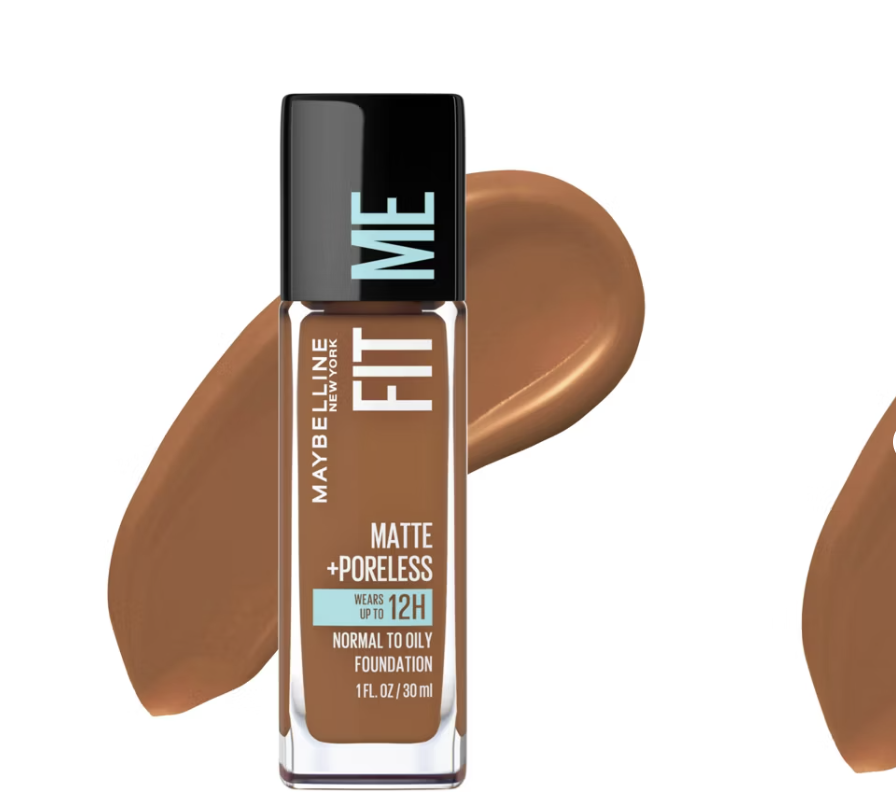
Maybelline Fit Me
Matte + Poreless Oil Free Liquid Foundation - 1 fl oz
$9.59
What Our Community Agrees On About Texture
After reviewing hundreds of shared experiences, routines, and follow-ups, a few principles came up so consistently that they’re hard to ignore. These aren’t trends or preferences. They’re patterns.
Full coverage across the entire face almost always exaggerates texture.
Even when a foundation looks smooth at first, heavier all-over coverage tends to settle, stiffen, and draw attention to pores, bumps, and uneven areas as the day goes on. The more product applied uniformly, the more visible texture becomes.
Sheer or medium bases paired with spot concealing work better.
Reducing contrast, rather than masking everything, makes texture less noticeable. A lighter base evens tone, while targeted concealer handles redness or discoloration only where it’s needed. This approach keeps the skin flexible and avoids buildup.
Hydrating or satin finishes outperform flat matte.
Matte formulas can look polished initially, but they often emphasize texture once the skin starts to move or lose moisture. Satin and softly hydrating finishes reflect light in a way that visually softens uneven areas instead of flattening them.
Over-powdering is one of the most common mistakes.
Powder tends to lock foundation in place, which reduces flexibility. A light, strategic set in high-movement or oily areas performs better than all-over powder, which almost always makes texture more obvious over time.
Technique matters as much as the formula.
Lisa Eldridge’s approach came up repeatedly for a reason. Thin layers, minimal manipulation, and allowing products to meld with the skin instead of being buffed aggressively leads to a more forgiving finish. The goal isn’t perfection. It’s wearability.
The shared takeaway is simple: texture-friendly makeup isn’t about hiding skin. It’s about choosing formulas and techniques that move with it.
Application & Technique Matter More Than Brand
One of the strongest patterns across texture-focused feedback is this: a “good” foundation can look bad with the wrong technique, and an average foundation can look good with the right one.
Coverage level matters far less than how the product is applied.
Thin layers consistently outperform heavier coverage.
Applying less product reduces the chance of buildup, stiffness, and settling. Most texture issues show up when foundation accumulates in pores, fine lines, or uneven areas. Using a small amount and building only where needed keeps the base flexible.
Application method changes how texture reads on the skin.
Dragging or buffing foundation across textured areas tends to lift flakes and exaggerate bumps. Pressing motions, especially with a damp sponge or lightly stippled brush, help the product meld with the skin instead of sitting on top of it.
Forgiving formulas are flexible, not stiff.
Foundations that remain slightly elastic throughout the day adapt better as skin warms, produces oil, or dries out. Rigid formulas may look polished at first, but they’re far more likely to crack, separate, or spotlight texture hours later.
The common thread is restraint. Less product. Less manipulation. More patience during application. When texture is a concern, how the foundation is used often matters more than which one it is.
The Role of Primer (Helpful, Not a Fix)
Primer came up often in community discussions, but almost always with an important caveat: primer can help, but it won’t save the wrong foundation.
Most people who had success with primer were already using a texture-tolerant base. The primer’s role was supportive, not corrective.
Common community favorites included:
Benefit Porefessional
e.l.f. Poreless Putty
Tatcha Silk Canvas and similar smoothing formulas
These were typically used sparingly, focused on high-texture areas like the nose or inner cheeks, rather than across the entire face.
What primer can do:
Slightly smooth the surface of the skin
Reduce immediate slip or patchiness
Help foundation apply more evenly in targeted areas
What primer cannot do:
Make a stiff foundation flexible
Prevent settling in a formula that already emphasizes texture
Replace proper skin prep or technique
Over and over, feedback returned to the same conclusion: foundation choice still does the heavy lifting. A primer can enhance a good match, but it can’t override a formula that fights textured skin.
Used intentionally, primer is a helpful tool. Used as a fix, it usually leads to disappointment.
FAQ: Foundations for Textured Skin
-
For textured dry skin, the most reliable foundations are hydrating, flexible formulas that don’t fully set rigidly. Products like Armani Luminous Silk, Smashbox 15 Hour Hydrating Foundation, and MAC Face and Body consistently perform well because they move with the skin instead of tightening as moisture levels change.
The key is not maximum coverage. It’s elasticity. Dry texture becomes more visible when a foundation stiffens, clings to flakes, or dries down too quickly. A satin or softly luminous finish helps reflect light and visually soften uneven areas without emphasizing them.
-
Not inherently, but they are less forgiving.
Matte foundations tend to emphasize texture because they reduce light reflection and set more firmly on the skin. On textured skin, this can make pores, bumps, and dryness more noticeable as the day goes on. That’s why many people struggle with matte formulas even when they look smooth at first application.
If you prefer matte, the safest approach is:
Apply very thin layers
Avoid all-over powder
Focus matte finishes only where oil control is actually needed
Soft matte or satin-matte formulas usually perform better than ultra-matte options.
-
Mature textured skin benefits most from foundations that don’t settle into fine lines or tighten over time. Flexible, lightweight formulas with a satin or luminous finish tend to outperform thick or fully matte foundations.
Community favorites for mature texture include:
Armani Luminous Silk
MAC Face and Body
Sheered-out Estée Lauder Double Wear (used selectively, not full-face)
The most important factor isn’t age-specific labeling. It’s choosing a formula that maintains movement and pairing it with spot concealing instead of full coverage across the entire face.
-
Application matters as much as the foundation itself. The most consistent advice from textured-skin users follows a few simple rules:
Use less product than you think you need
Apply in thin layers and let each layer settle before adding more
Press or stipple instead of buffing aggressively
Spot conceal instead of building coverage everywhere
Powder only where necessary, not all over
Techniques popularized by artists like Lisa Eldridge work well for texture because they prioritize skin movement and wearability over a “perfect” first impression.
The goal isn’t to erase texture. It’s to keep it from becoming more visible as the day goes on.
-
When foundation settles into pores or texture, it’s usually not because your skin is “too textured.” It’s because the formula sets too rigidly or is applied too heavily for how your skin moves.
This typically happens when:
The foundation dries down quickly and loses flexibility
Too much product is applied all at once
The finish is very matte or heavily powdered
The base underneath is under-hydrated
Foundations that emphasize pores tend to sit on top of the skin instead of adapting to it. As oil production, dryness, or facial movement increases throughout the day, the product has nowhere to go, so it settles into texture.
To reduce settling:
Use thin layers and let them settle before adding more
Choose satin or softly hydrating finishes
Avoid locking the entire face with powder
Spot conceal instead of building full coverage everywhere
The most consistent solution is flexibility. When a foundation can move with the skin, it’s far less likely to collect in pores or exaggerate texture over time.
✦ Creator images used for editorial purposes only. All rights belong to their respective creators. We always link and give credit.
✦ Check Out Our Men's Site
Trending on MensOutfitsDaily