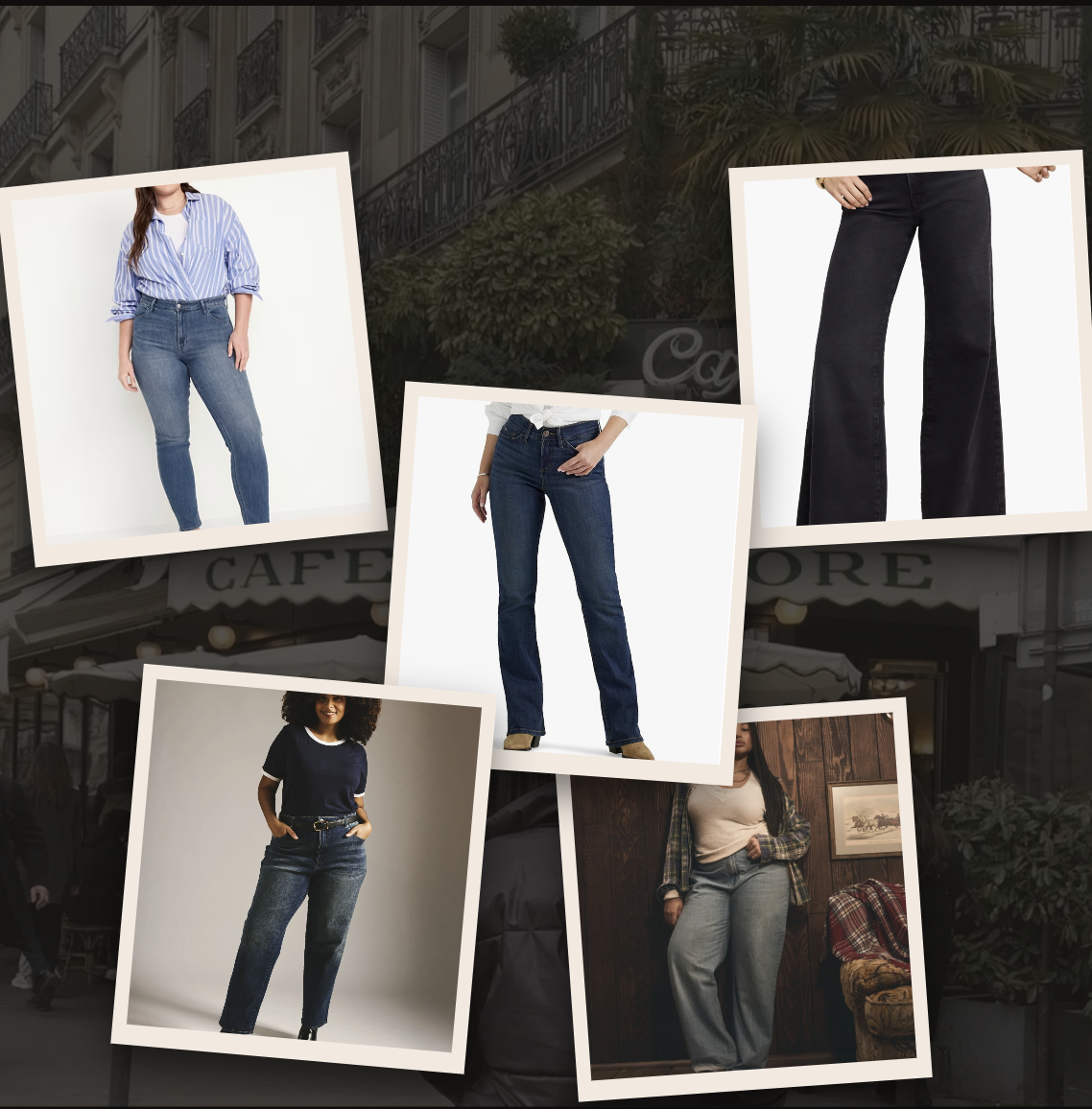

Body-shape advice has a branding problem. For years, it has been presented as a list of corrections: minimize this, disguise that, add volume here and never wear that there. It is no wonder so many women come away feeling as though getting dressed is an exercise in making their bodies look like someone else’s.
A more useful way to think about body-shape dressing is through proportion and garment construction. Where does a jacket naturally end on your frame? Does a dress fit your bust and hips but float away from your waist? Do trousers accommodate your middle but feel loose through the seat? Those details explain far more than a generic illustration ever will.
Knowing your body shape can help you predict how clothing may fit, which silhouettes might need alterations and why certain outfit combinations feel visually effortless. It can also help you change the effect of an outfit when you want to. None of that means you are required to make your shoulders look narrower, your waist look smaller or your hips look curvier.
Consider this guide a set of styling options—not a contract. Start with the proportions closest to yours, notice the outfit formulas that make sense for your wardrobe and ignore any “rule” that gets in the way of how you actually want to dress.
Not sure which shape is closest to yours? Begin with the manual body-shape identification guide, or enter your measurements into the AutumLove Body Shape Quiz and Calculator before continuing.
The First Thing to Know: Body Shape Is About Proportion, Not Size
Body shape describes the relationship between your shoulders, bust, waist and hips. It does not describe your weight, your dress size or how curvy you are allowed to call yourself.
Two women who wear the same size can have completely different proportions. Likewise, women who wear different sizes can share the same body shape. That is why a shopping list labeled “for size 12” is rarely as helpful as understanding where a garment is structured, where it is meant to skim and where it expects the body to curve.
Most body-shape advice is built around five broad patterns: hourglass, pear, apple, rectangle and inverted triangle. You may recognize yourself immediately, or you may sit between two. Both are normal.
There Are Two Ways to Use Body-Shape Advice
Before choosing an outfit, decide what you want the clothes to do.
You can echo your natural proportions. An hourglass might repeat her waist definition with a fitted knit and high-rise trousers. An inverted triangle might lean into a strong shoulder with a sharply cut blazer. A rectangle might choose a sleek column dress that follows her straighter line.
Or you can create a different visual effect. That same hourglass might wear a relaxed button-down and loose trousers for a deliberately fluid silhouette. The inverted triangle might pair a simple top with a fuller skirt to bring more movement below the waist. The rectangle might use a cropped jacket and wide-leg trousers to create a more defined middle.
Neither approach is more flattering, feminine or correct. One emphasizes what is already present; the other redirects the eye. Personal style begins when you choose between them intentionally.
How to Dress an Hourglass Body Shape
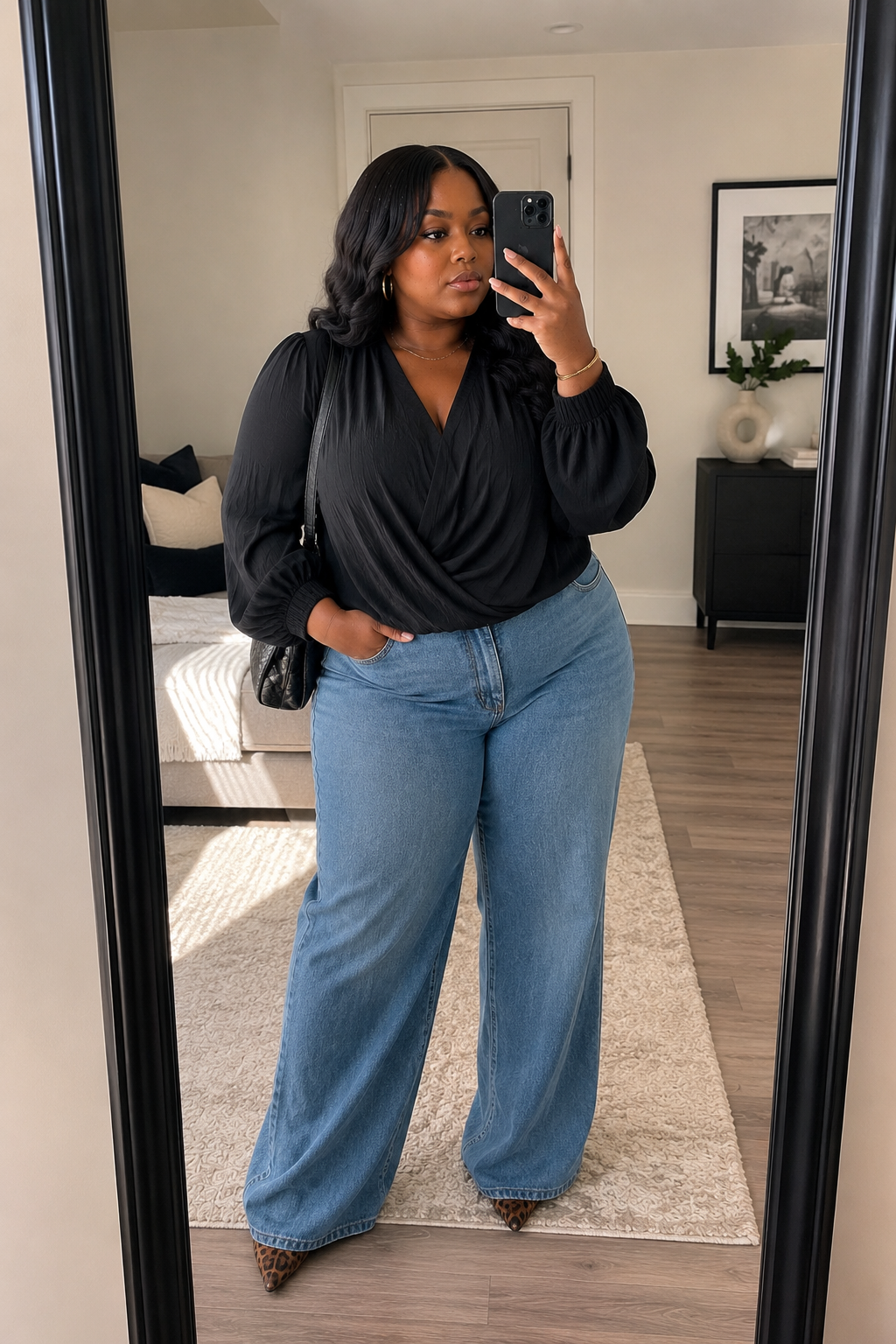
Hourglass proportions usually have a bust or shoulder line and hips that appear relatively balanced, with a visibly smaller waist. The most common fit issue is not a lack of options—it is finding pieces that accommodate the bust and hips without becoming too loose through the middle.
Look for construction that acknowledges the waist: shaped seams, darts, wrap closures, curved waistbands and jackets that end near the narrowest part of your torso. This does not mean everything needs to be tight. A garment can be fluid and still show where your waist sits.
Three Outfit Formulas to Try
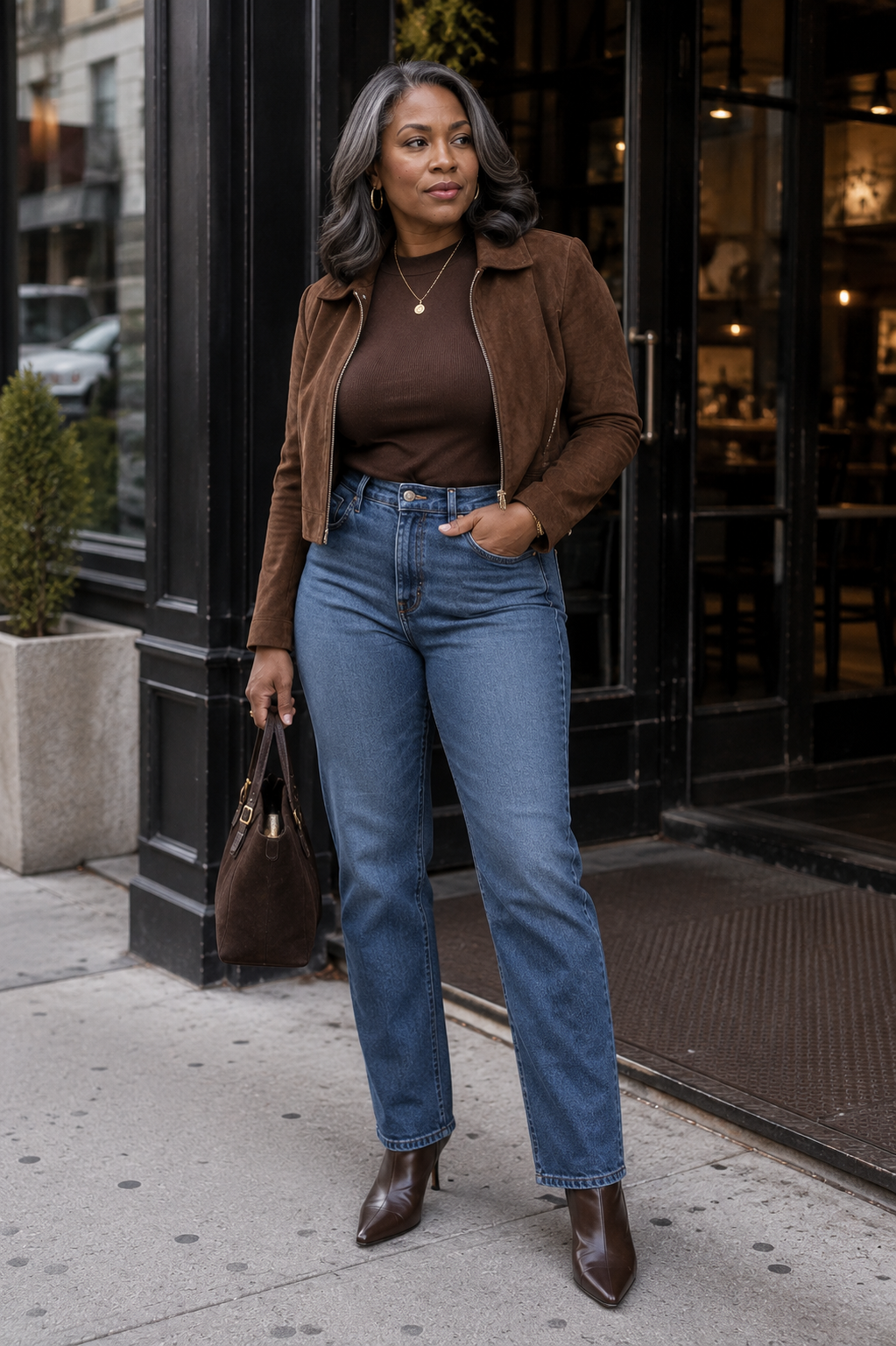
A fine-gauge fitted knit + high-rise straight-leg jeans + a cropped suede or leather jacket + pointed ankle boots.
A wrap or softly draped midi dress + a streamlined shoulder bag + slingback heels or minimal flats.
A tucked silk blouse + full-length wide-leg trousers with a contoured waistband + a narrow belt + loafers.
If You Want to Emphasize Your Natural Line
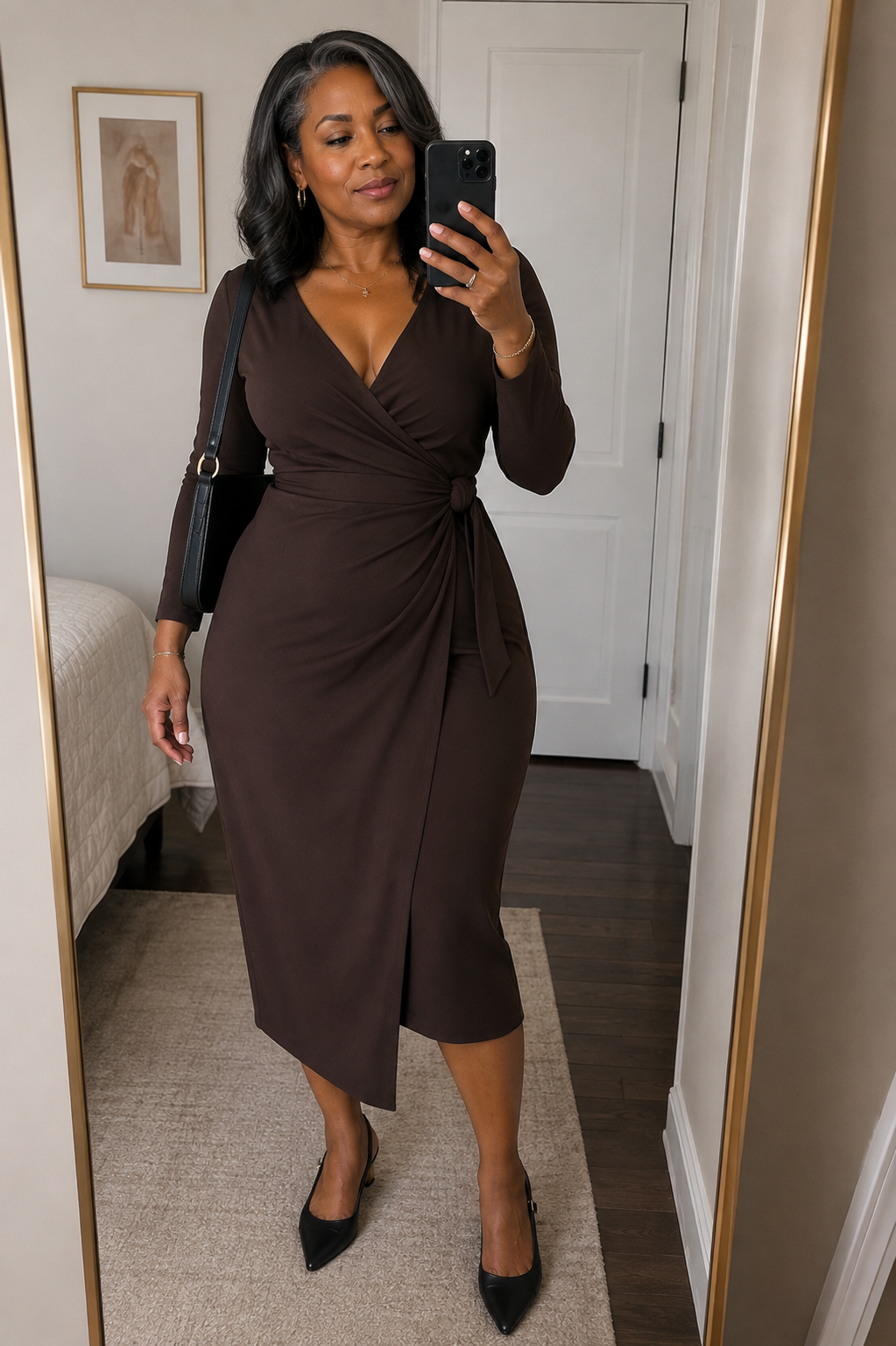
Choose pieces with visible waist placement: wrap dresses, belted coats, fitted cardigans, high-rise denim and tailored jumpsuits. Matching the scale of the top and bottom also keeps the overall line cohesive.
If You Want a Straighter or More Relaxed Effect

Try a long blazer over a fine knit and straight trousers, a slip dress without a belt or a relaxed button-down worn open over a tonal base. The key is making the looseness look intentional through fabric, length and clean finishing—not assuming oversized clothing is automatically off-limits.
For more detailed fit and outfit guidance, read the complete hourglass body-shape guide.
How to Dress a Pear Body Shape

Pear proportions are typically narrower through the shoulders or bust and fuller through the hips, often with a defined waist. The familiar fitting-room issue is trousers that fit the hips but gap at the waist, or dresses that require different sizes on the top and bottom.
Prioritize bottoms with enough room through the seat and hips, then look at the waistband. Contoured waistbands, side zips, stretch denim and tailoring can solve more than chasing another silhouette. On top, you can keep the line quiet or introduce color, texture and structure depending on the effect you want.
Three Outfit Formulas to Try
A square-neck knit + dark straight-leg jeans with a contoured waist + a structured shoulder bag + heeled boots.
A cropped jacket + fitted tank + softly pleated wide-leg trousers + low-profile sneakers.
A fluid blouse with subtle shoulder detail + an A-line midi skirt + a waist-defining belt + tall boots.
If You Want to Emphasize Your Natural Line
Lean into fitted knits, bias-cut skirts, column dresses and denim that follows the hip before falling straight. A tucked or cropped top can make the transition from waist to hip part of the outfit rather than something to camouflage.
If You Want More Visual Weight Up Top

Use a brighter color, an open neckline, a cropped jacket, a textured knit or a slightly stronger shoulder. This is an option for changing the balance of an outfit—not a requirement to make the hips look smaller.
For denim, tailoring and outfit ideas specific to these proportions, read the pear body-shape styling guide.
How to Dress an Apple Body Shape

Apple proportions tend to be fullest or least defined through the middle, sometimes with relatively narrower hips or legs. The recurring fit challenge is finding clothing that sits comfortably at the waist without becoming too loose at the shoulders, seat or hem.
Fabric matters here. A material that skims and returns to its shape will behave very differently from a thin knit that clings or a stiff fabric that stands away from the body. Look for pieces that establish a clean line through the torso, then decide whether you want to define the waist, suggest it or ignore it altogether.
Three Outfit Formulas to Try
A softly structured V-neck blouse + full-length straight trousers + a longline blazer worn open + pointed flats.
A column midi dress + a cropped jacket that ends above the fullest part of the middle + sleek knee-high boots.
A tonal knit top + fluid wide-leg trousers with a smooth front waistband + a long pendant or scarf + loafers.
If You Want to Suggest More Waist Definition
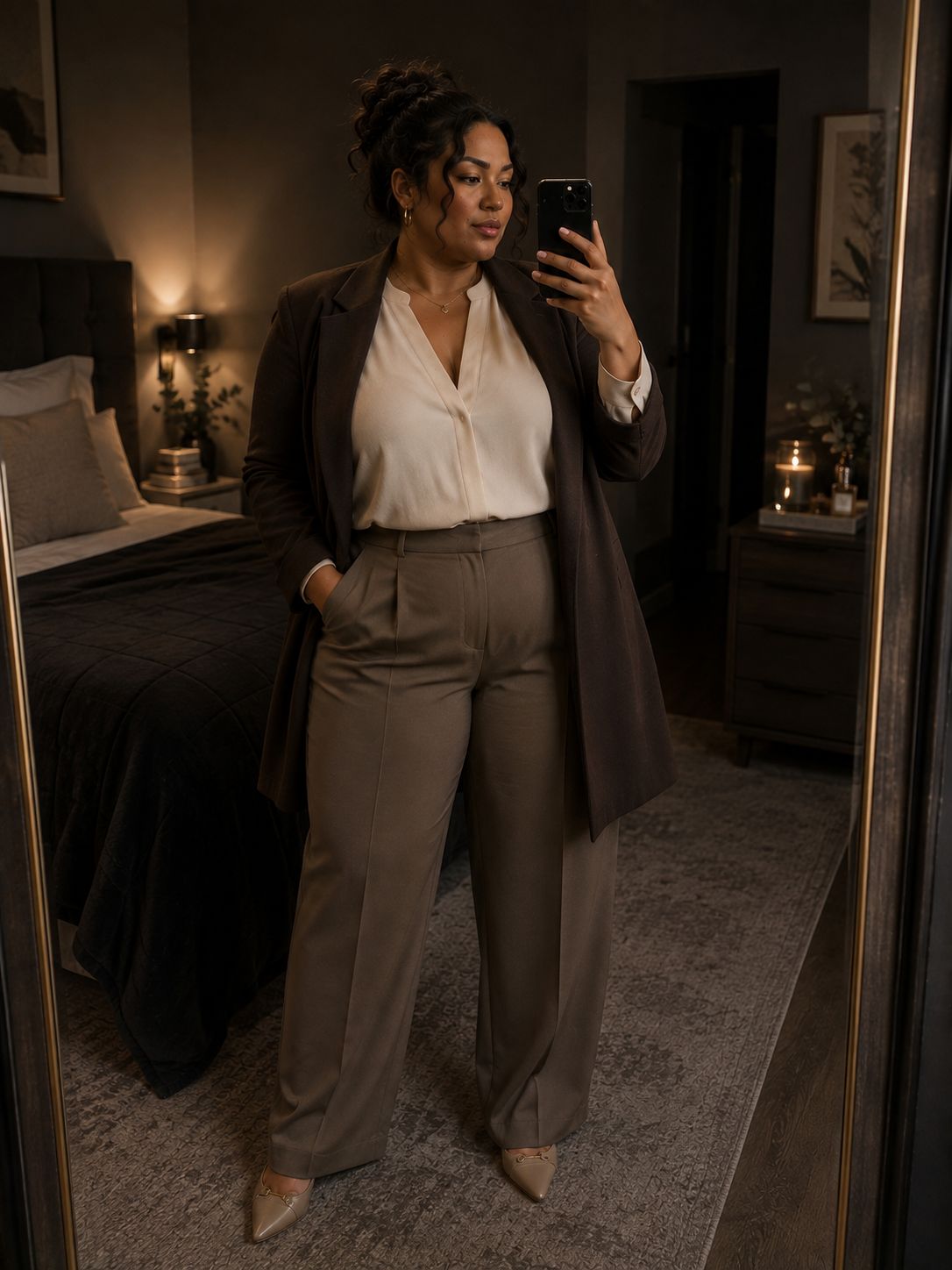
Try asymmetric wrap details, strategic seaming, a softly shaped jacket or a belt placed where it feels most natural rather than automatically at the narrowest point. A monochromatic base beneath an open layer can also create definition without compression.
If You Prefer a Clean, Uninterrupted Line

Choose column dresses, longline shirts, matching separates and trousers with minimal waistband bulk. You do not need ruching, shapewear or a strategically placed print for an outfit to look finished.
For more detail on rises, layers, dresses and everyday outfits, read the apple body-shape styling guide.
How to Dress a Rectangle Body Shape

Rectangle proportions generally have shoulders or bust, waist and hips that sit relatively close together. The waist may be gently defined rather than dramatically smaller. Clothing often follows this straighter line easily, although pieces designed around a pronounced waist-to-hip difference can feel oddly shaped.
You can work with that long, clean silhouette or use clothing to introduce more contrast between the waist, shoulders and hips. The important distinction is that “creating curves” is an aesthetic option—not a correction your body requires.
Three Outfit Formulas to Try
An oversized blazer + fitted tank + straight-leg jeans + a sleek belt + kitten-heel ankle boots.
A cropped knit + high-rise wide-leg trousers + a short structured jacket + minimalist sneakers.
A straight midi dress + a long coat in a similar tone + sculptural earrings + tall boots.
If You Want to Create More Shape

Use cropped lengths, belted jackets, peplum details, curved seams, pleats or volume that begins above and below the waist. Separates with contrasting proportions—such as a fitted top and fuller trouser—can create definition without requiring a bodycon fit.
If You Want to Emphasize a Straighter Silhouette

Try column dresses, long coats, tonal tailoring, relaxed trousers and boxy cropped jackets. Straight does not mean shapeless; strong fabric, intentional proportion and precise lengths make the difference.
For more outfit ideas and denim guidance, read the rectangle body-shape styling guide.
How to Dress an Inverted-Triangle Body Shape

Inverted-triangle proportions usually have shoulders or a bust line that appears wider than the hips. Jackets and tops may determine your size, while trousers fit more easily through the seat and thighs. The goal is not automatically to make the shoulders disappear. It is to understand which details intensify that upper-body line and which redirect the eye elsewhere.
Necklines, shoulder seams and jacket structure have an especially noticeable effect. Below the waist, trouser shape, hem width and fabric movement can either echo a streamlined lower half or give it more visual presence.
Three Outfit Formulas to Try
A softly draped V-neck top + wide-leg trousers + a low-slung belt + pointed flats.
A simple fitted knit + an A-line midi skirt with movement + knee-high boots + a compact shoulder bag.
A sharp single-breasted blazer + a tonal tank + straight dark trousers + loafers for a strong, intentionally tailored line.
If You Want More Visual Weight Below the Waist

Try wide-leg trousers, lighter denim, fuller skirts, cargo pockets, pattern or a more substantial shoe. Keep the top streamlined if you want the lower half to become the focal point.
If You Want to Emphasize Strong Shoulders
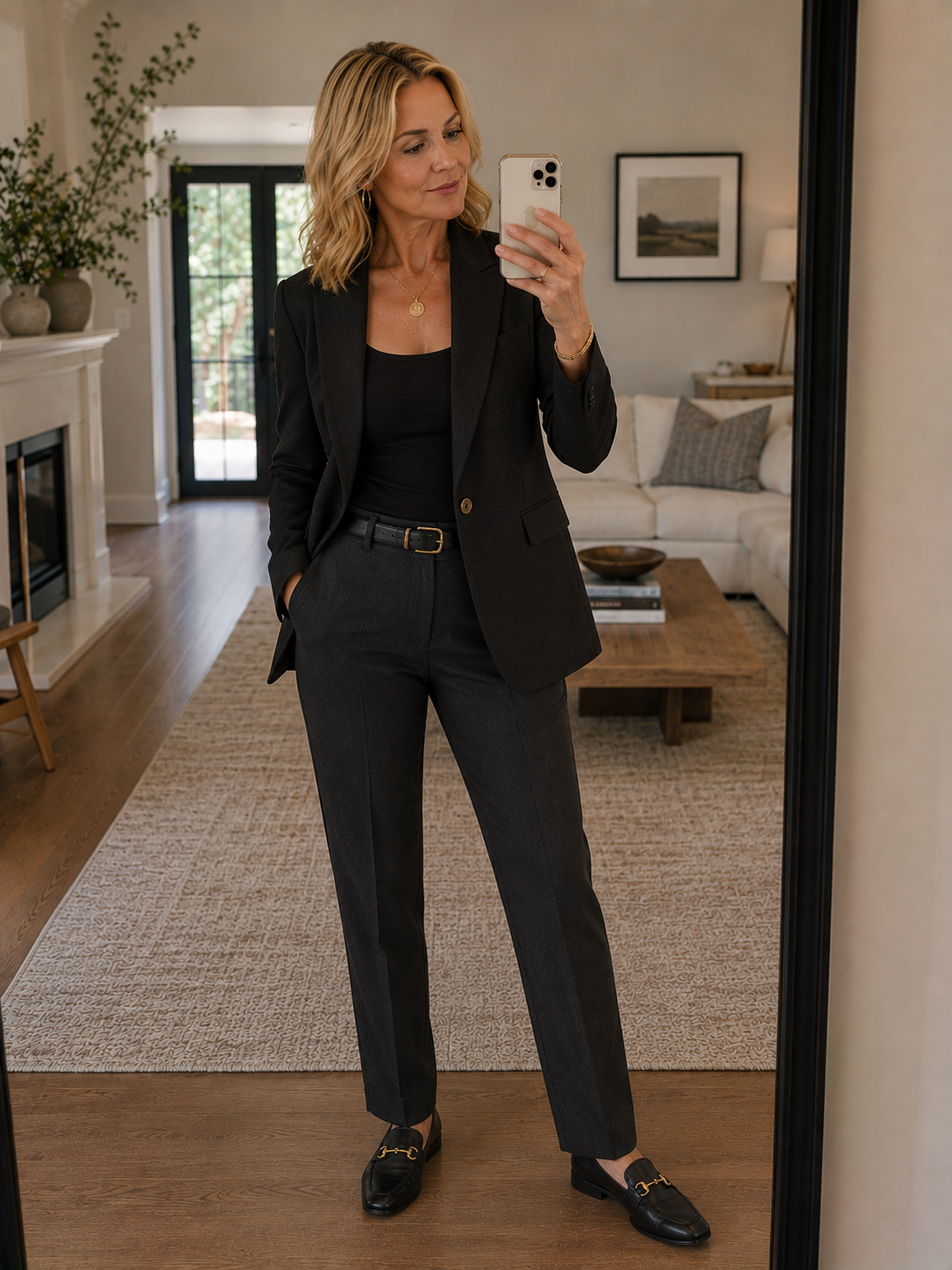
Wear the shoulder pads, halter necks, sharp coats and close-fitting trousers. Repeating a strong upper line can feel modern and directional when it is chosen deliberately.
For a deeper breakdown of necklines, jackets, trousers and outfit formulas, read the inverted-triangle body-shape guide.
Five Body-Shape Rules Worth Retiring
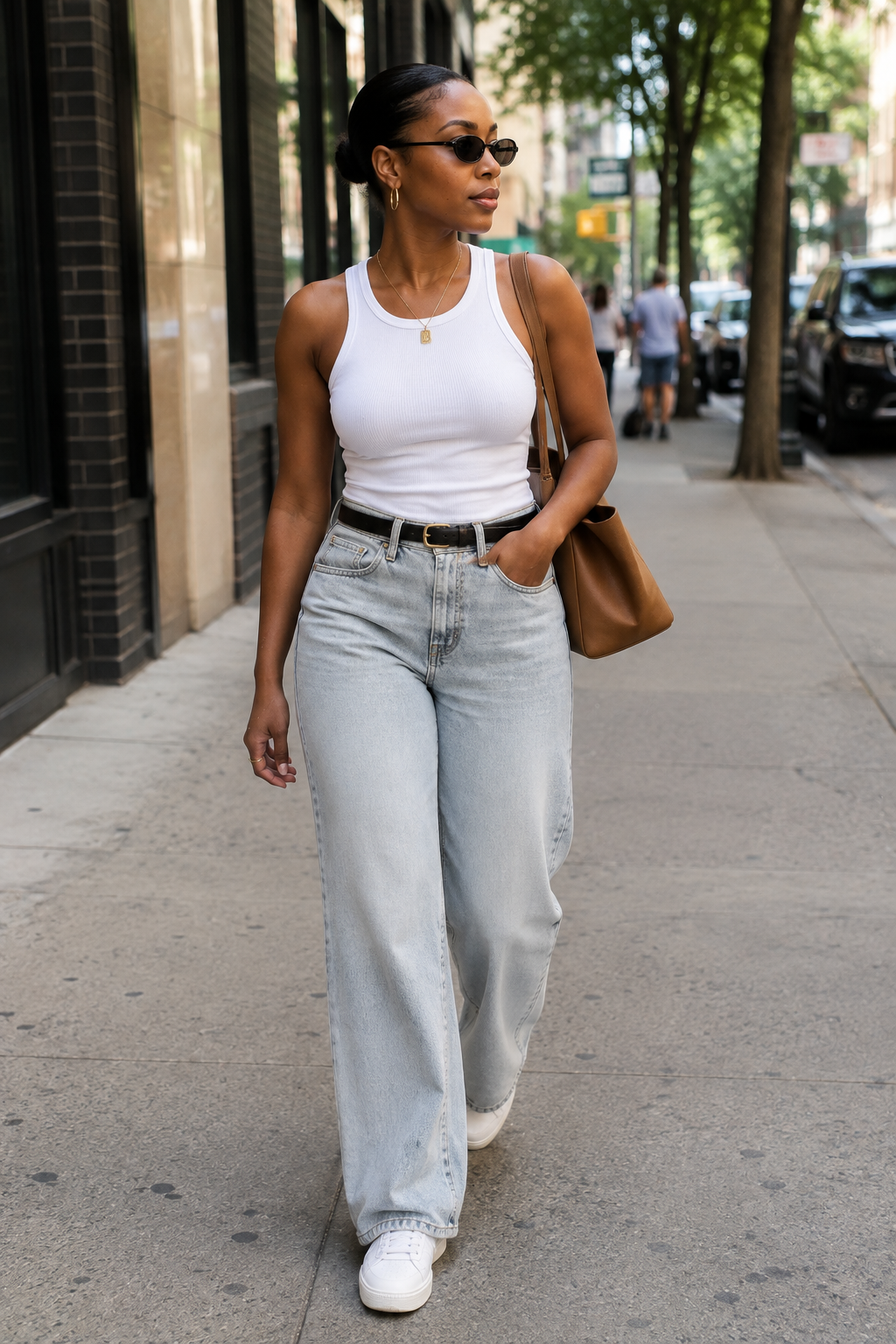
1. Every Outfit Must “Balance” Your Body
Balance is one possible visual effect. It is not the universal definition of dressing well. An outfit can exaggerate shoulders, hips, length or volume and still look excellent because the silhouette is intentional.
2. Oversized Clothing Is Unflattering
Oversized clothing works when the volume, fabric and proportions are controlled. A roomy blazer may need a visible wrist, a precise shoulder or a slimmer layer underneath. A wide trouser may need enough length and drape. The issue is rarely size alone.
3. You Need to Create an Hourglass
Some styling advice treats an hourglass silhouette as the final destination for every body. It is not. A straight column, strong shoulder, dropped waist or relaxed shape can be just as deliberate and sophisticated.
4. Certain Shapes Cannot Wear Certain Trends
Trends are design ideas, not body-type permissions. Adjust the styling, fabrication or proportion if needed, but do not assume a trend is unavailable because a checklist said so.
5. The Size Label Tells You Whether Something Fits
The label tells you what the brand called the garment. Fit is determined by the shoulder seam, waistband, rise, bust shaping, hip room, length and how the fabric behaves on your body. Use the number as a starting point, not a judgment.
The Styling Detail That Matters for Every Body Shape: Tailoring
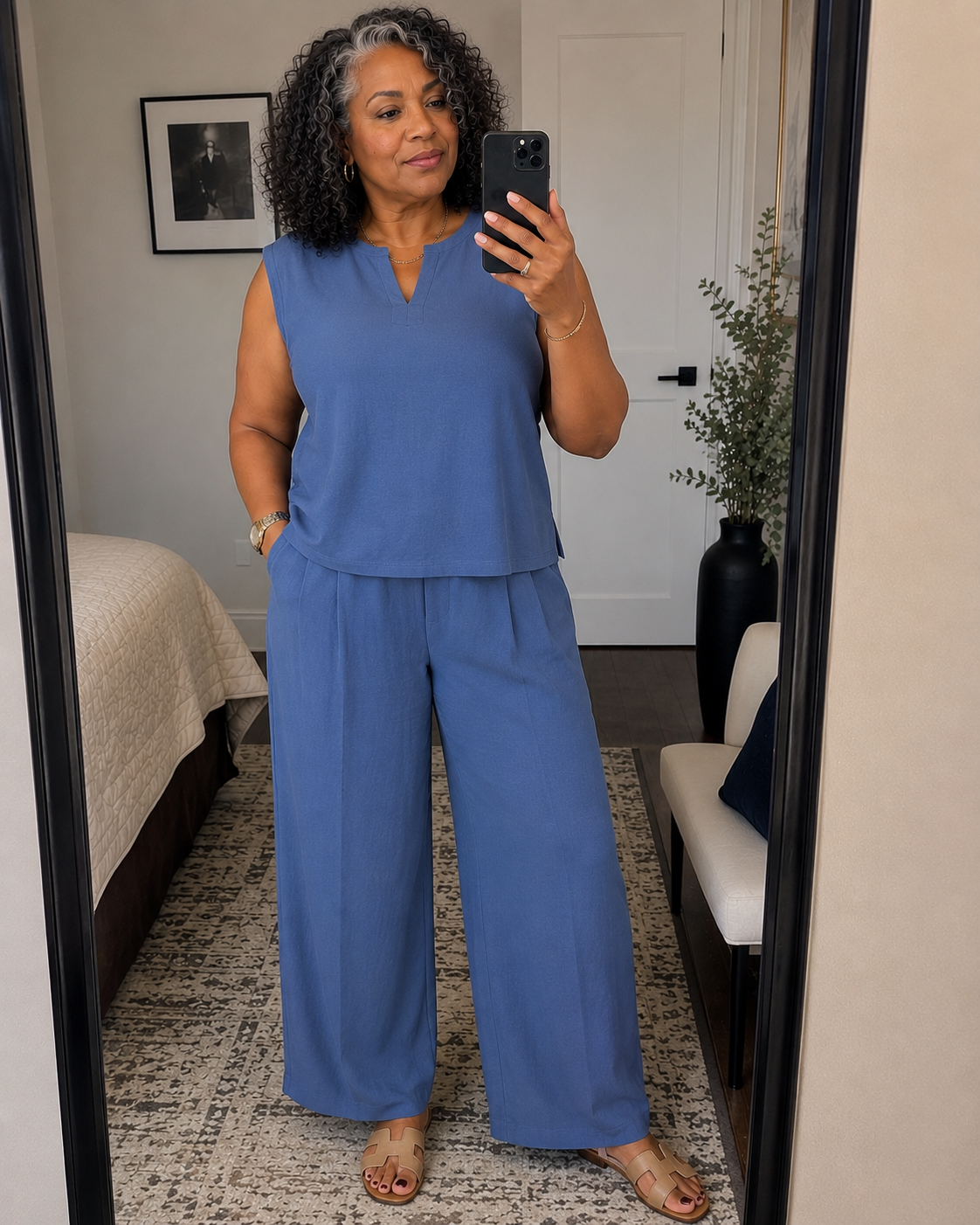
A surprising amount of “body-shape difficulty” is actually a mismatch between standardized garment proportions and an individual body. Clothing is graded from a fit model; it is not custom-made for every shoulder-to-waist or waist-to-hip relationship.
Simple alterations can change the entire read of an outfit: taking in the back waist of jeans, shortening a jacket so it ends at a cleaner point, adjusting straps, moving a button, hemming trousers for the intended shoe or adding a dart beneath the bust.
If a piece fits the largest or most structured part of your body, ask whether the rest can be tailored. That question is usually more productive than deciding your body is “wrong” for the garment.
What Matters Beyond Body Shape
Body shape is only one part of fit and personal style. Your height, torso length, leg length, bust, shoulder slope and the scale of your features all influence how an outfit sits.
A petite pear and a tall pear may prefer different jacket lengths. Two rectangles may have different rises because one has a long torso. Two apple shapes may respond differently to the same neckline because their bust proportions and shoulder lines differ. This is why no five-category system can replace trying clothes on, assessing the construction and deciding what feels like you.
Use body shape to narrow the possibilities. Use your actual life and taste to make the final decision.
How to Build Outfits With Your Body Shape in Mind
Start with the garment that is hardest to fit—often trousers, denim, a blazer or a button-down—and build around it.
Identify the strongest line in the outfit: shoulder, waist, hip, hem or full vertical column.
Decide whether you want to echo your proportions or redirect the eye.
Check where every layer ends. Jacket, top and skirt lengths can matter more than the category printed on a body-shape chart.
Photograph the outfit from the front and side. A neutral photo often reveals proportion more clearly than a moving mirror image.
Alter the clothing when the construction is close but not quite right.
Keep the formula if it works, even when it contradicts a traditional body-shape rule.
Learning how to dress for your body type should make getting dressed easier—not turn your wardrobe into another place where you are graded.
Use your shape to understand fit, proportion and garment construction. Let it explain why a certain rise gaps, why one jacket length feels effortless or why a particular dress needs tailoring. Then decide what you want the outfit to communicate.
You are allowed to define your waist and allowed to ignore it. You can balance your shoulders and hips or deliberately exaggerate one. You can wear the supposedly “wrong” silhouette because it feels exactly right.
That is the difference between following body-shape rules and actually having personal style.
Explore every shape and its detailed styling guide in the Find Your Body Shape hub.
Frequently Asked Questions
How do I know how to dress for my body type?
Identify the relationship between your shoulders, bust, waist and hips, then notice where clothing repeatedly fits tightly or loosely. Use those proportion and fit clues to choose garment construction that supports the effect you want. If you are unsure of your shape, use the manual guide or body-shape quiz before applying the styling suggestions.
Can I wear trends that are not recommended for my body shape?
Yes. Treat body-shape recommendations as styling options rather than restrictions. You may adjust the length, fabric, volume or supporting pieces, but no trend belongs exclusively to one set of proportions.
What if I am between two body shapes?
Use both. You might borrow trouser advice from one guide and jacket or neckline ideas from another. The most useful category is the one that explains how your clothes fit; it does not need to describe every part of your body perfectly.
Does plus size change your body shape?
Size and body shape are different. Women across a wide range of sizes can share the same general proportions. Fit preferences and support needs may differ, but the relationship between the shoulders, bust, waist and hips remains the basis of the body-shape system.
Can your body shape change over time?
Your bone structure remains relatively stable, but visible proportions can change through pregnancy, aging, menopause, weight shifts, hormonal changes or strength training. Reassess your measurements and fit patterns whenever familiar clothes begin sitting differently.