
How to Determine Your Body Shape—Without Relying on a Quiz
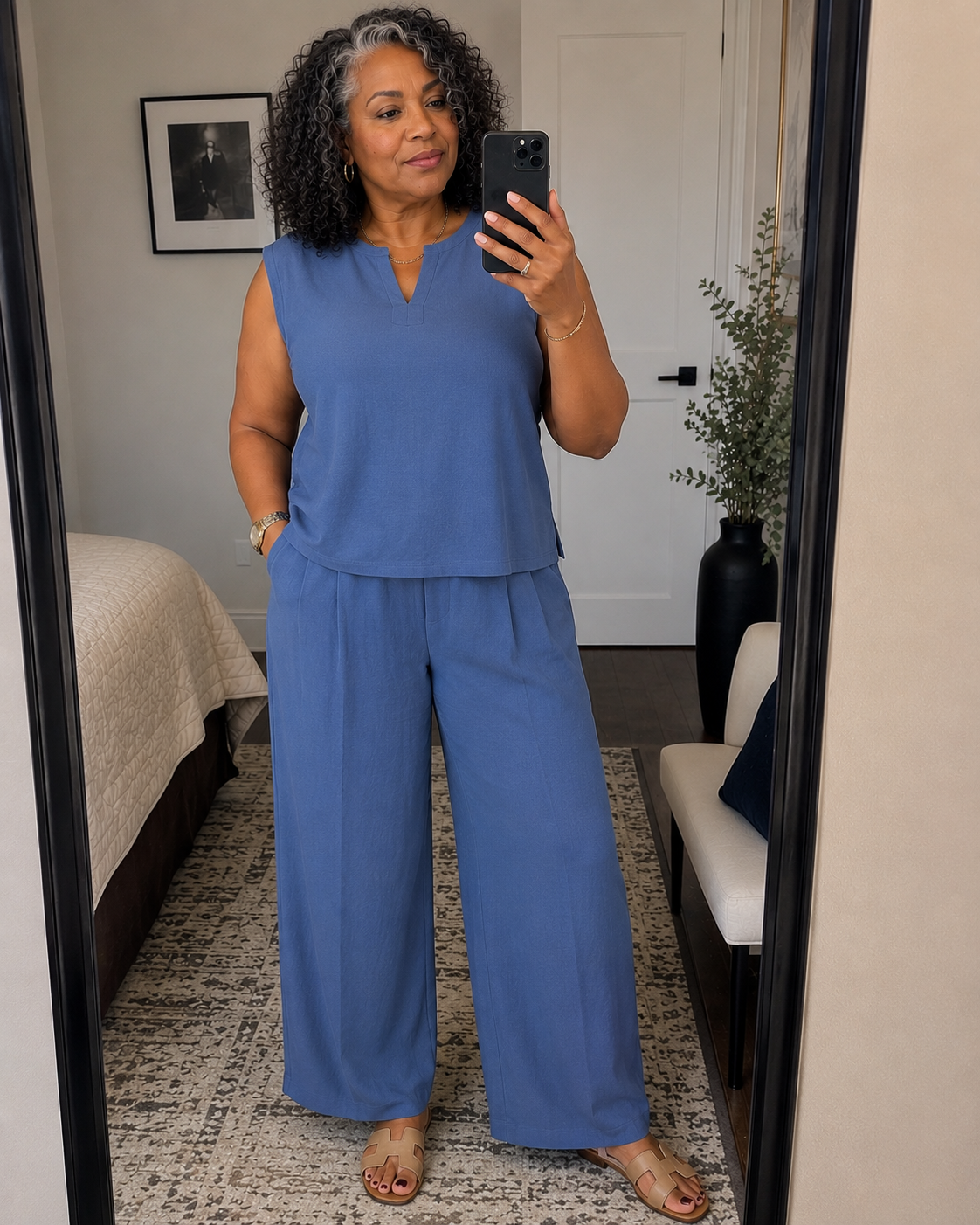
Figuring out your body shape should not feel like studying for an exam. Yet one quick search can leave you comparing yourself with five nearly identical diagrams, taking measurements you are not quite sure how to take and wondering why every calculator gives you a slightly different answer.
The more useful question is not, “Which illustration looks exactly like me?” It is: “How do my shoulders, bust, waist and hips relate to one another—and what does that tell me about the way clothes fit?”
Your body shape is simply a way of describing those proportions. It is not your clothing size, your weight or a verdict on what you should wear. Think of it as a styling reference point: one more piece of information that can make choosing silhouettes, rises, necklines and layers a little less random.
Below, we are breaking down three ways to determine your body shape: looking at your natural silhouette, noticing the fit patterns already happening in your closet and taking four useful measurements. You can use one method, but comparing all three usually gives you the clearest answer.
Need help finding your body shape? Take the free body shape quiz here
The Quick Answer
To determine your body shape, compare the proportions of your shoulders, bust, waist and hips. Notice which area appears widest, whether your upper and lower body look balanced and how much definition you naturally have at the waist. Then confirm what you see with recurring clothing-fit clues or measurements.
If your shoulders or bust appear wider than your hips, you may have an inverted-triangle shape. If your hips are wider, you may be pear-shaped. A balanced bust and hips with a visibly defined waist often points to an hourglass. Straighter proportions may indicate a rectangle, while fullness concentrated through the middle may be closest to an apple shape.
Those are starting points, not rules. Many women sit between two categories, and your closest match is usually the one that explains how clothing fits—not the one whose drawing looks most like you.
First, Body Shape Is Not the Same as Body Size
Body shape describes proportion; size describes measurement. Two women can wear the same dress size and have entirely different relationships between their shoulders, waist and hips. The reverse is also true: women who wear very different sizes can share the same general body shape.
This distinction matters because body-shape advice becomes much more useful when it stops being about looking smaller. The goal is to understand why a sharply tailored blazer feels effortless on one frame but needs alterations on another, or why the same pair of jeans gaps at one woman’s waist and fits another straight from the rack.
Your proportions are information not a flaw that needs correcting.
How Can You Tell What Body Shape You Are? Start With These Three Methods
Method One: Look at Your Natural Silhouette
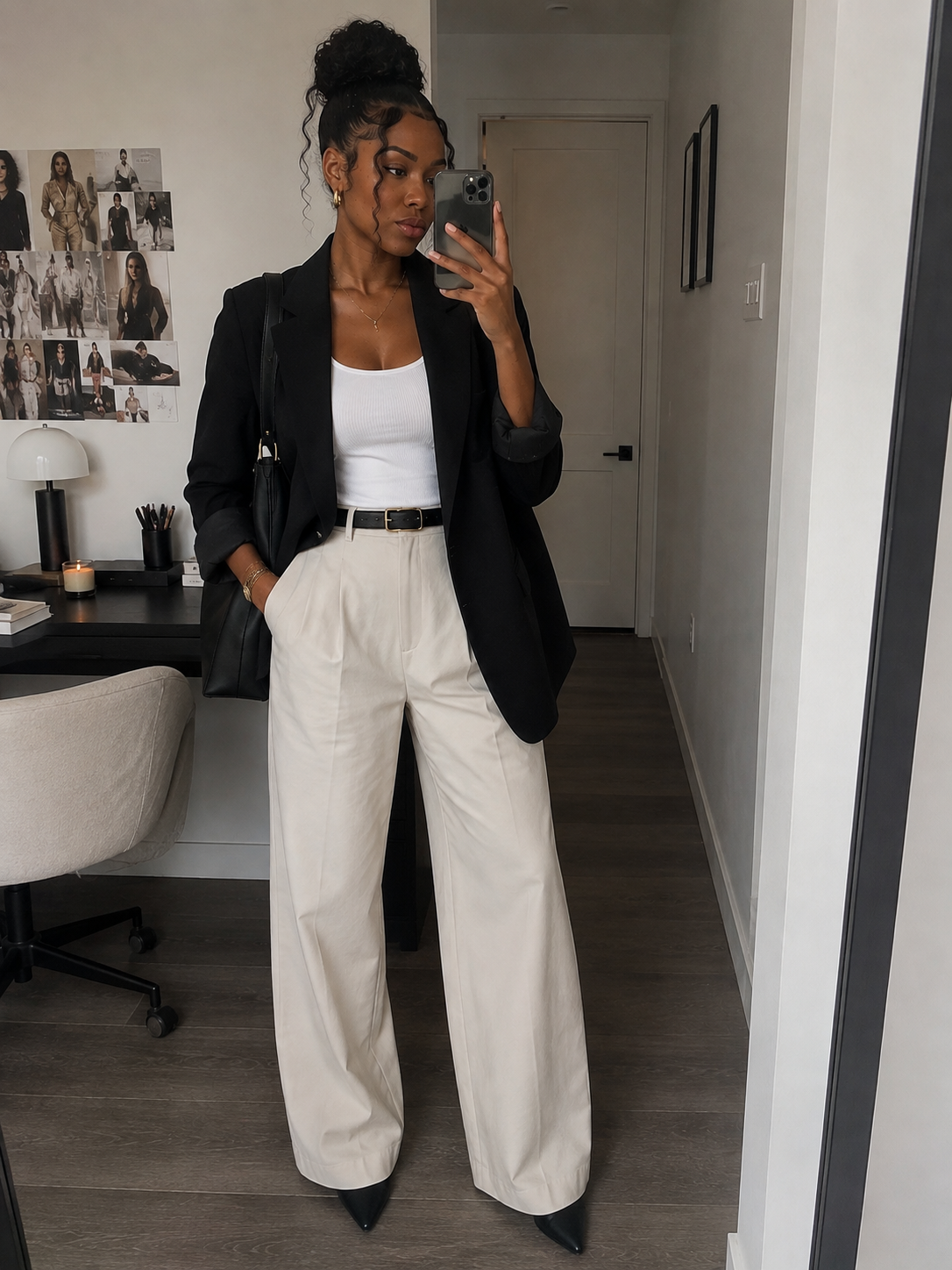
A mirror check is the quickest place to begin, but the setup makes a difference. Oversized clothing, padded bras, strong poses and angled photos can all disguise the proportions you are trying to see.
Wear a fitted tank, bodysuit or T-shirt with leggings or close-fitting trousers.
Stand in front of a full-length mirror with your feet naturally spaced and your arms relaxed.
Look straight ahead rather than twisting your waist or shifting your weight into one hip.
Compare the outer line of your shoulders with the widest point of your hips.
Notice whether your waist curves inward clearly, slightly or hardly at all.
Take in the whole outline before zooming in on individual features. If your eye goes immediately to a broader shoulder line, your shape may be upper-body dominant. If your hips create the widest point, you may be lower-body dominant. If the top and bottom of your silhouette feel visually balanced, waist definition becomes the next clue.
A front-facing phone photo taken at waist height can help if the mirror feels subjective. Keep the camera level and avoid portrait-mode distortion. This is a reference photo, not a posed outfit picture.
Method Two: Pay Attention to the Way Your Clothes Already Fit
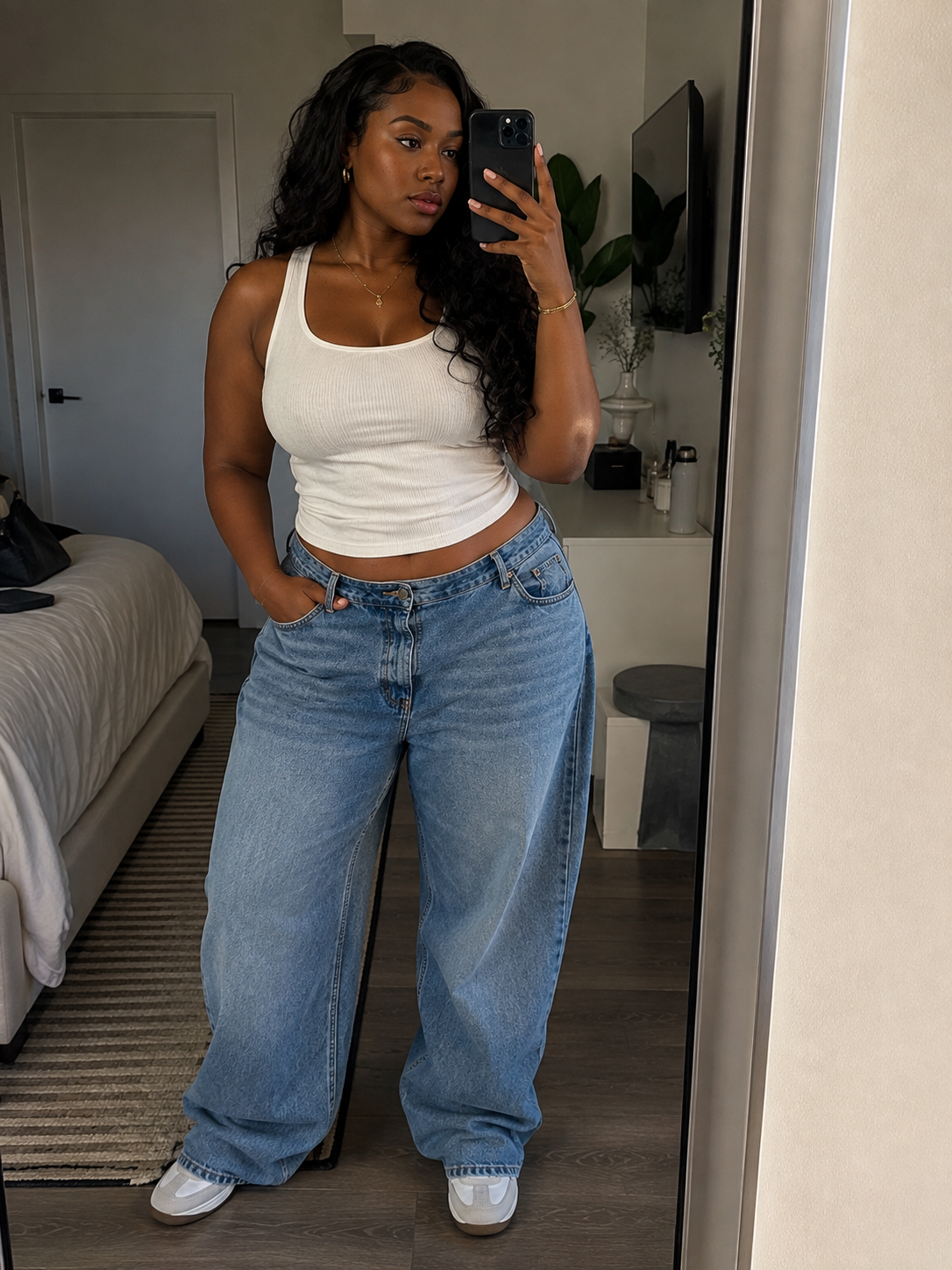
Your closet may be giving you better information than a chart ever could. One difficult garment does not prove anything—brands cut clothing differently—but the same fit issue appearing across several pairs of jeans, dresses or jackets can reveal a proportion pattern.
Consider what repeatedly happens when you try on clothes:
Jeans fit through the hips and thighs but leave a gap at the waist. This often appears on pear and hourglass proportions.
Trousers fit the waist but feel loose through the seat or hips. Your lower half may be narrower relative to your middle or upper body.
Button-down shirts fit everywhere except the bust. Your bust may be a more dominant measurement than your waist and hips.
Blazers fit the shoulders but look noticeably roomy through the lower torso. Your shoulder line may be wider than your hips.
Straight-cut dresses skim past the waist and hide a curve that is otherwise visible. You may have more natural waist definition than the garment allows for.
Fitted dresses feel comfortable through the shoulders and hips but tightest around the middle. Your waist or midsection may be your fullest point.
The important word is repeatedly. A single size label is inconsistent; a recurring pattern across your wardrobe is useful evidence.
Method Three: Take Four Body Measurements
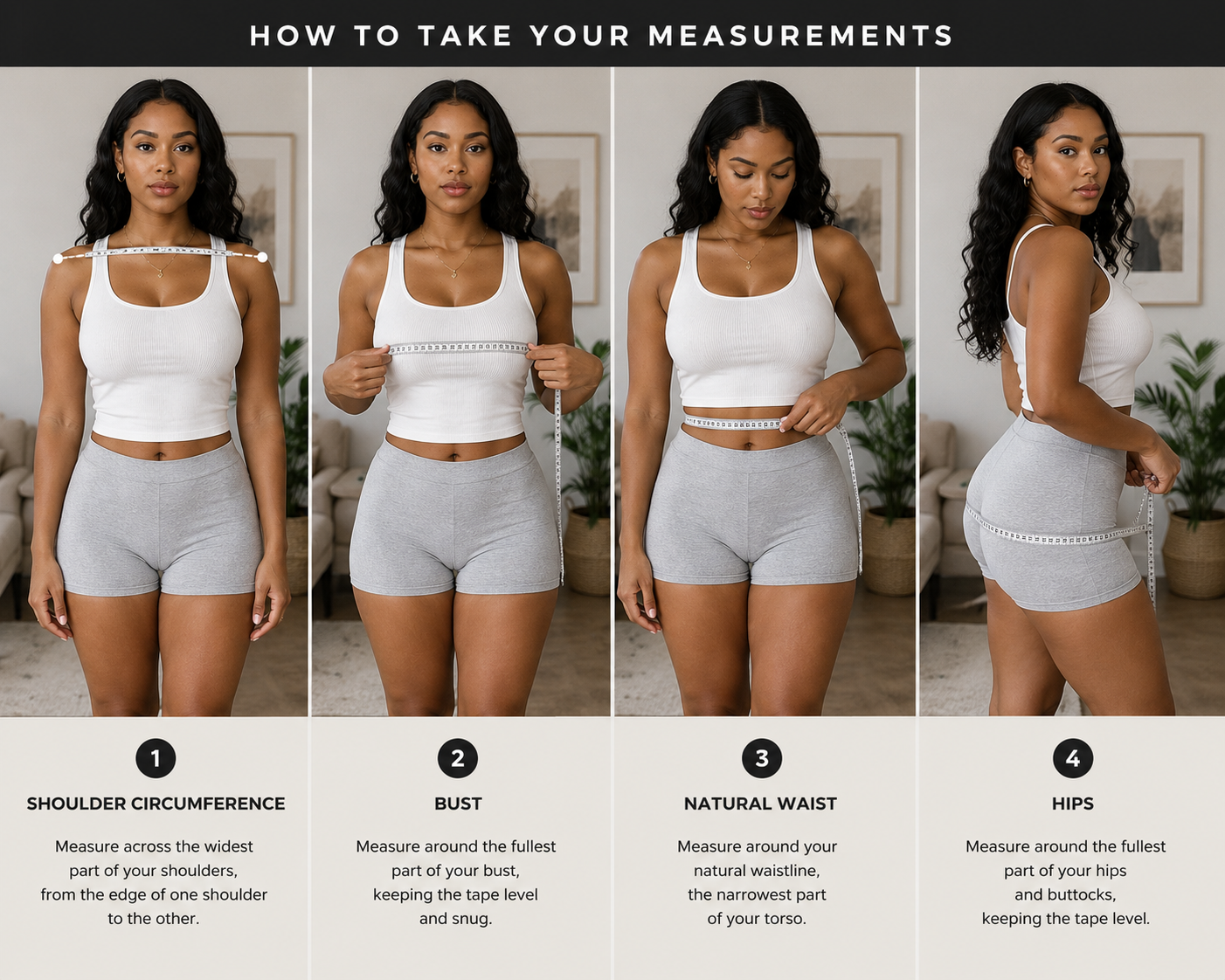
Measurements are the least subjective method, but accuracy depends on where the tape sits. Use a flexible measuring tape, wear thin fitted clothing or undergarments and keep the tape parallel to the floor. It should touch your body without compressing it.
1. Shoulders
Measure around the fullest circumference of your shoulders and upper back—not straight across from shoulder tip to shoulder tip. This measurement is easiest with help because the tape needs to remain level as it wraps around you.
2. Bust
Wrap the tape around the fullest part of your bust. Keep your arms relaxed, breathe normally and check in a mirror that the tape has not crept upward across your back.
3. Natural Waist
Measure the narrowest part of your torso, usually above the belly button and below the rib cage. If you are unsure where that is, bend gently to one side; the point where your body naturally creases is your waist.
4. Hips
Stand with your feet together and measure around the fullest part of your hips and seat. The tape may sit lower than you expect, so check the side view before recording the number.
Measure each area twice. If the numbers differ, reset the tape rather than averaging an obviously loose and an obviously tight measurement. Once you have all four, you can enter them into the AutumLove Body Shape Quiz and Calculator to have the proportions interpreted for you.
How to Read Your Proportions
You do not need to memorize a complicated percentage formula. Start by identifying your widest area, compare your upper and lower body and then look at the difference between your waist and the surrounding measurements.
Hourglass
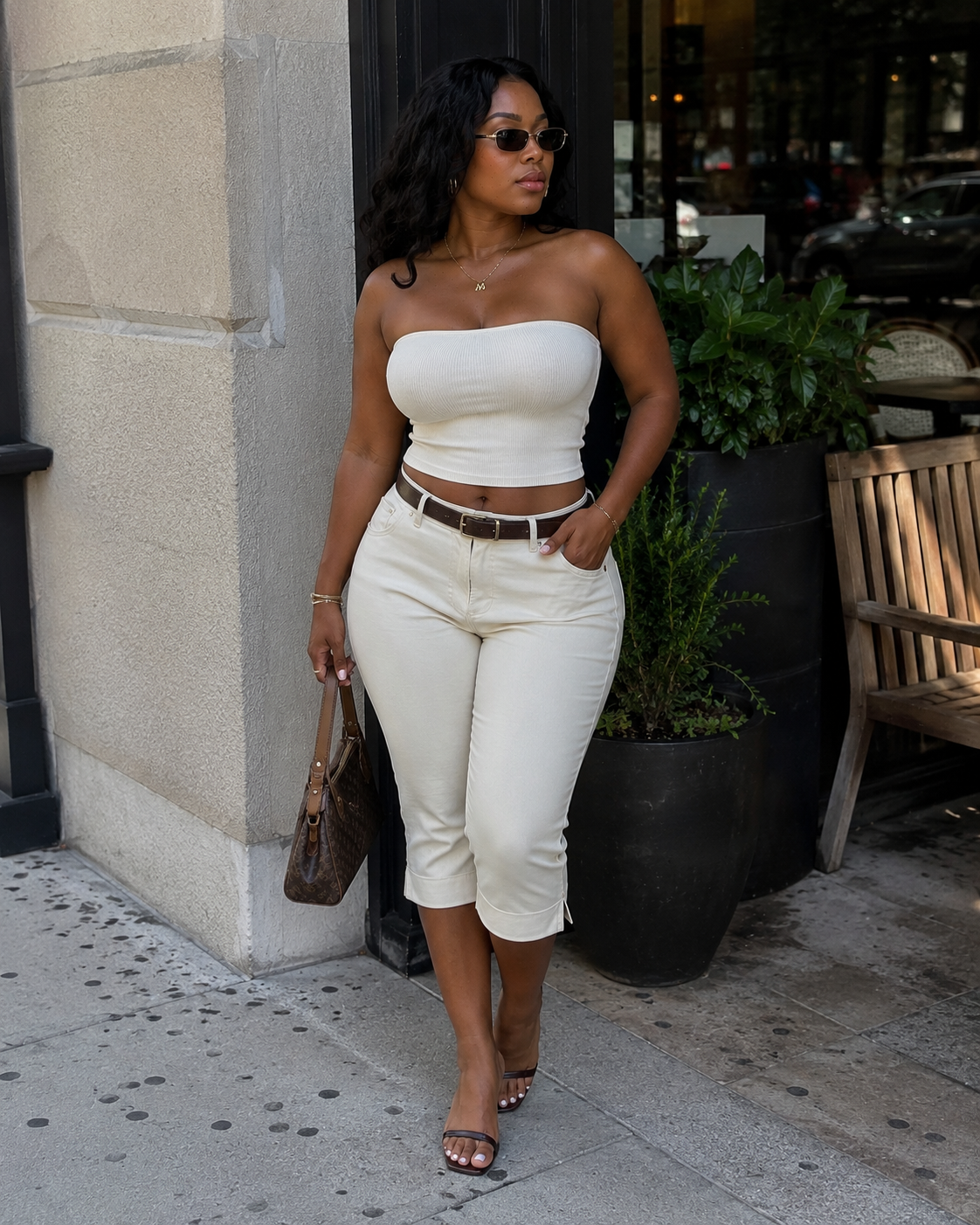
Your bust or shoulder line and hips appear relatively balanced, while your waist is noticeably smaller. Clothing may fit both your bust and hips but require more shaping or tailoring at the waist. The defining feature is the relationship between the three areas—not a particular dress size or cup size.
Pear
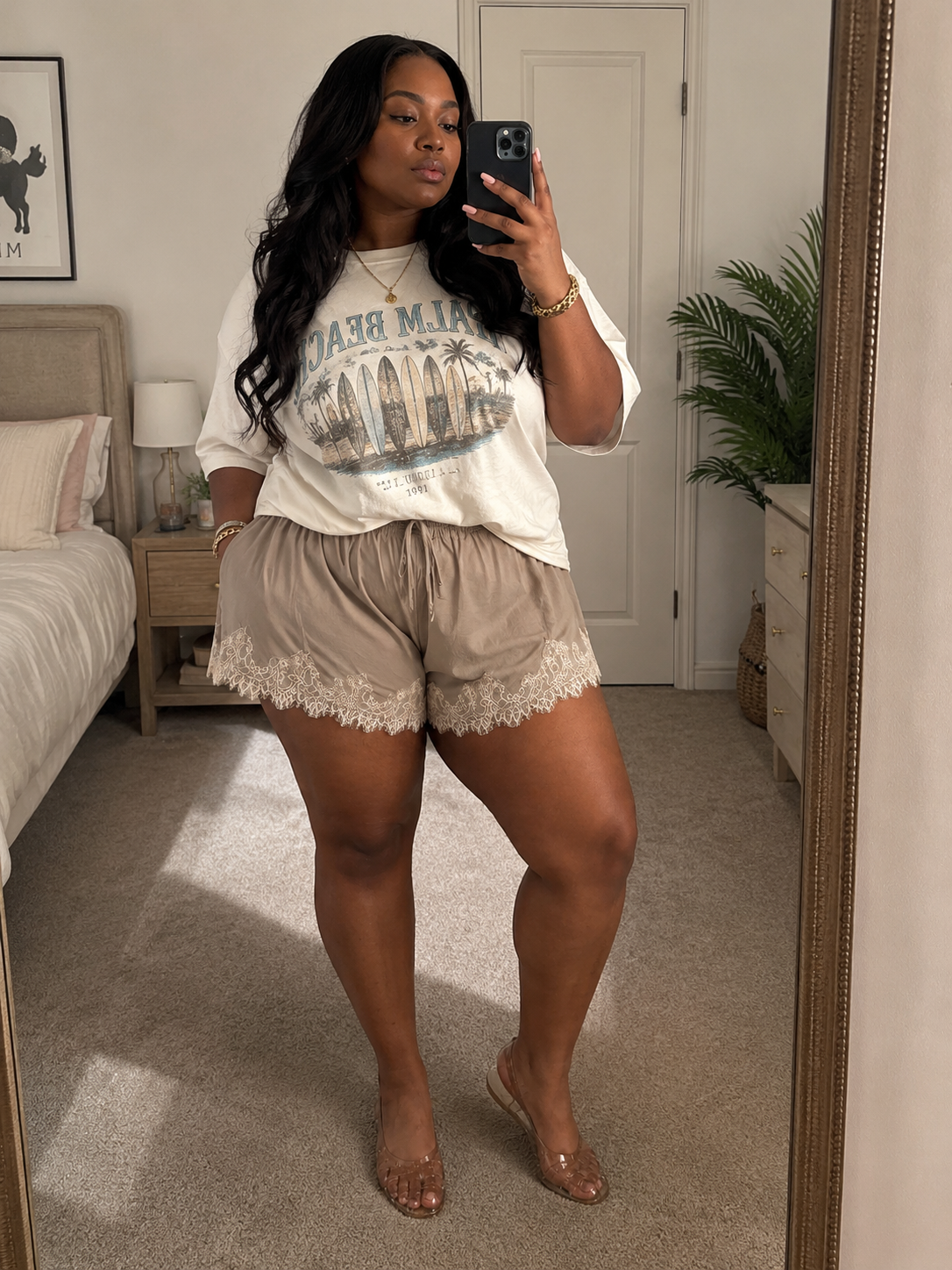
Your hips are wider than your shoulders or bust, and you may have a clearly defined waist. Jeans and trousers often need to accommodate the hips first, which can lead to waist gapping. You may also notice that your top size is smaller than your usual bottom size, although inconsistent retailer sizing makes that clue secondary.
Inverted Triangle
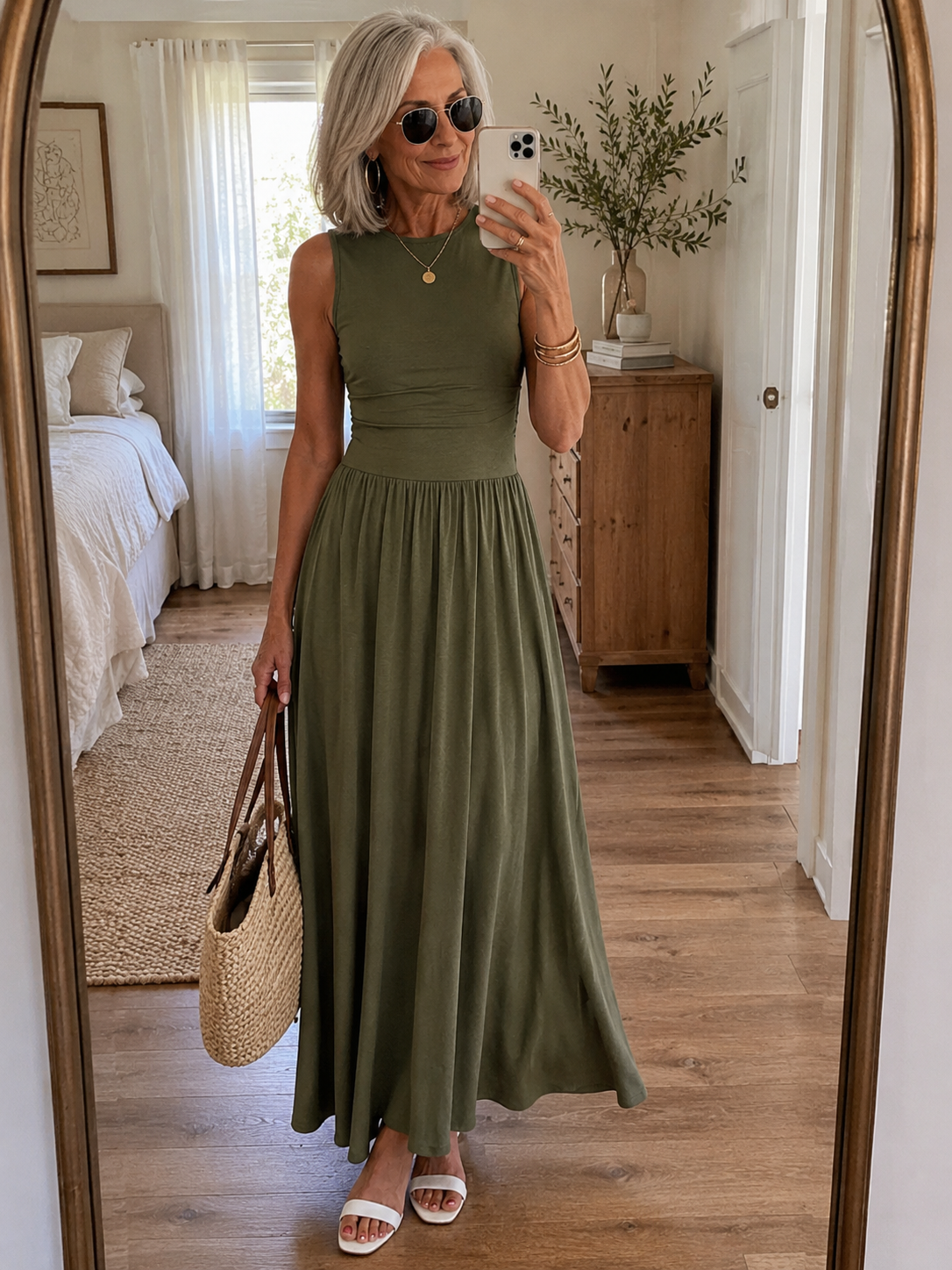
Your shoulders or bust create a stronger horizontal line than your hips. Jackets may fit correctly at the shoulders but feel generous through the lower torso, while straight-leg trousers often fit without needing extra room through the hips. Athletic shoulders are common with this shape, but they are not required.
Rectangle
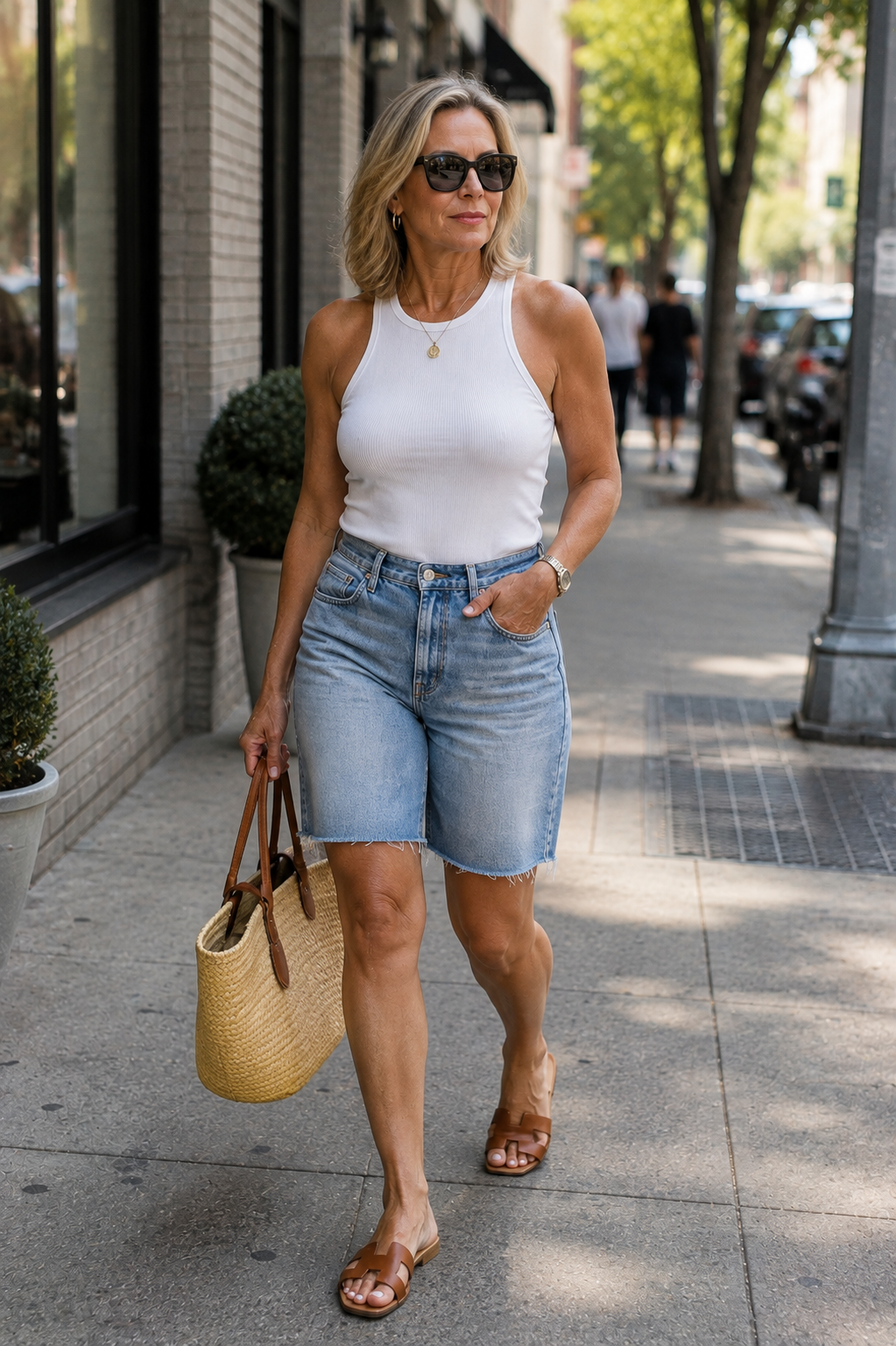
Your shoulders or bust, waist and hips sit relatively close together, with subtle rather than dramatic waist definition. Many straight-cut pieces follow your natural line easily. Rectangle does not mean your body has no curves; it means the transitions between your measurements are more gradual.
Apple
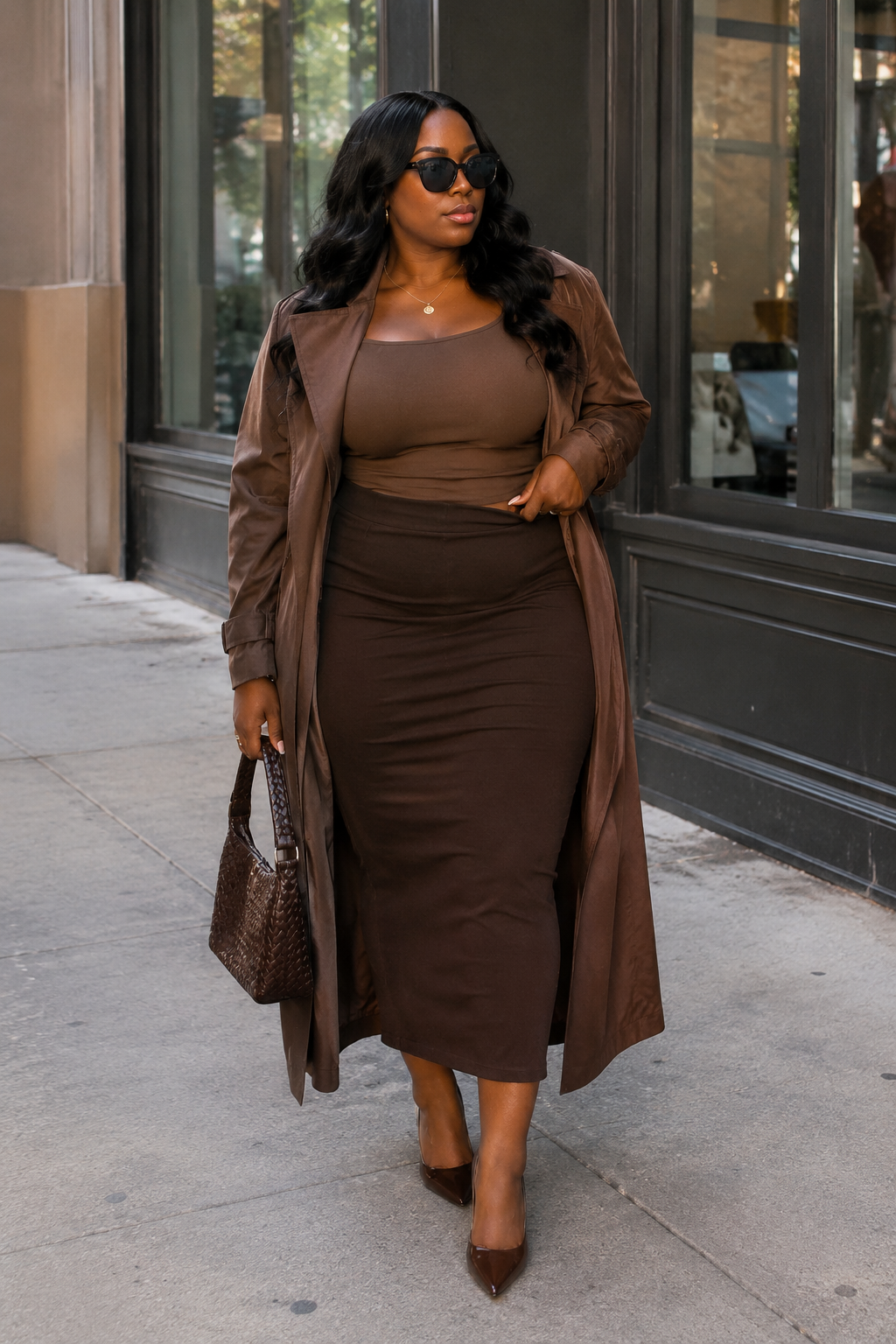
Your waist or midsection is the fullest or least defined part of your silhouette, often paired with relatively slimmer hips or legs. Clothes may fit comfortably through the shoulders and hips but feel closest around the middle. Apple proportions can appear with a smaller or fuller bust, so the midsection relationship is the more useful clue.
What If You Seem to Be Between Two Body Shapes?
That is normal. Body-shape categories describe common patterns; they are not five molds into which every person must fit perfectly.
You might have shoulders and hips that look balanced like an hourglass, for example, but less waist definition—placing you closer to a rectangle. Your bust may make your upper body appear more prominent even when your shoulder and hip measurements are similar. You may also notice that the mirror suggests one shape while your most consistent clothing-fit issues suggest another.
When that happens, use the category or combination of two categories—that best explains your real wardrobe. You do not need to force a final answer before getting dressed. Borrow styling ideas from both guides and keep the ones that work.
Which Body-Shape Method Is the Most Accurate?
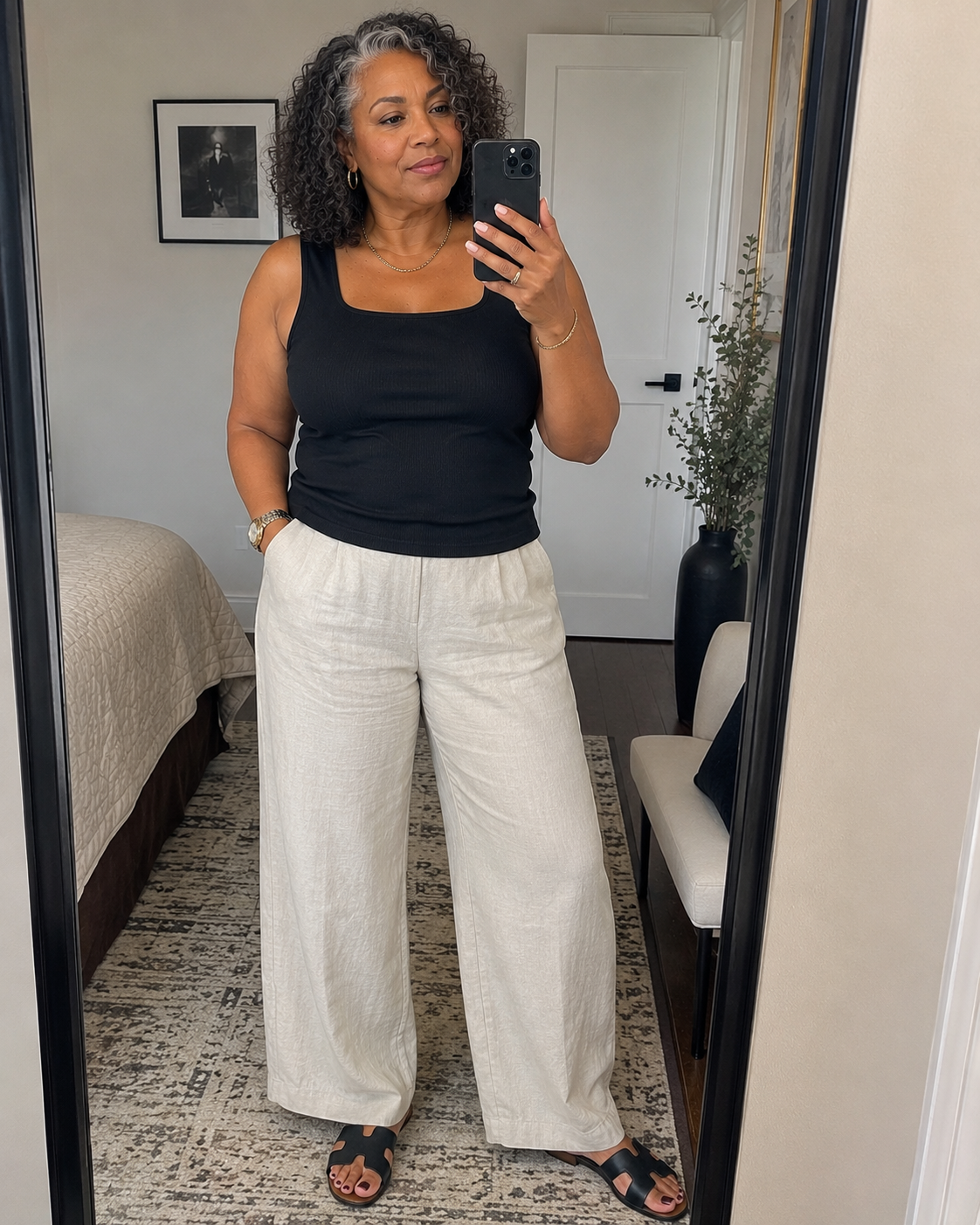
Measurements are the most objective, but the strongest body-shape analysis uses all three methods. Measurements give you a numerical relationship. The mirror shows how those proportions read visually. Clothing-fit clues show how they behave once fabric, construction and movement enter the picture.
If the methods disagree, recheck your tape placement and consider whether bust, shoulders or posture are influencing the visual result. The goal is not to earn a technically perfect label. It is to understand your proportions well enough to make more confident clothing decisions.
Can Your Body Shape Change?
Your underlying bone structure does not change, but your visible proportions can. Weight changes, pregnancy, menopause, hormonal shifts, aging and strength training can all affect where you carry volume and how clothing fits.
That does not mean you need to reassess yourself every season. Revisit your measurements when familiar silhouettes begin fitting differently or when your existing body-shape advice no longer feels useful. Style guidance should adapt to your body—not the other way around.
What to Do Once You Know Your Body Shape
Knowing your closest body shape is the beginning of the conversation, not the end. Use it to understand proportion and garment construction, then factor in your height, torso length, personal style, comfort and the effect you actually want an outfit to create.
If you want AutumLove to interpret your measurements, take the AutumLove Body Shape Quiz and Calculator. If you would rather compare all five shapes and explore their individual styling guides, visit the Find Your Body Shape hub.
The best result is not a closet built around restrictions. It is a clearer explanation for why certain pieces feel immediately right, why others need alterations and where you may want to experiment next.
Frequently Asked Questions
How can I tell what body shape I am without measurements?
Use a full-length mirror and recurring clothing-fit clues. Compare the visual width of your shoulders and hips, notice how defined your waist appears and review where jeans, dresses and jackets regularly feel tight or loose. Measurements provide confirmation, but you can often identify your closest pattern without them.
Should I use my bust or shoulders to determine my body shape?
Consider both. The bust can influence the way tops and dresses fit, while the shoulders often create the strongest visual line of the upper body. If one is noticeably wider than the other, compare both with your hips and use the combination that best explains your silhouette and fit patterns.
Is body type the same as body shape?
Not always. In fashion, people often use the phrases interchangeably. In fitness, “body type” may refer to somatotypes such as ectomorph, mesomorph and endomorph. This guide uses body shape to describe the relationship between the shoulders, bust, waist and hips for clothing and styling purposes.
What if my body does not match any category exactly?
Choose the closest category or use two. The system is meant to provide useful styling context, not a perfect classification. Your actual proportions, preferences and garment fit matter more than the label.
How often should I retake my measurements?
Retake them when your clothing begins fitting differently, after a meaningful physical change or whenever your current styling guidance stops reflecting your body. There is no need to measure on a fixed schedule.
You May Also Like:
The Ultimate Guide to Styling for Top-Heavier Women
The Ultimate Guide to Styling the Rectangle Body Shape
Outfits That Actually Work for Inverted Triangle-Shaped Bodies
Outfits That Actually Work for Pear-Shaped Bodies
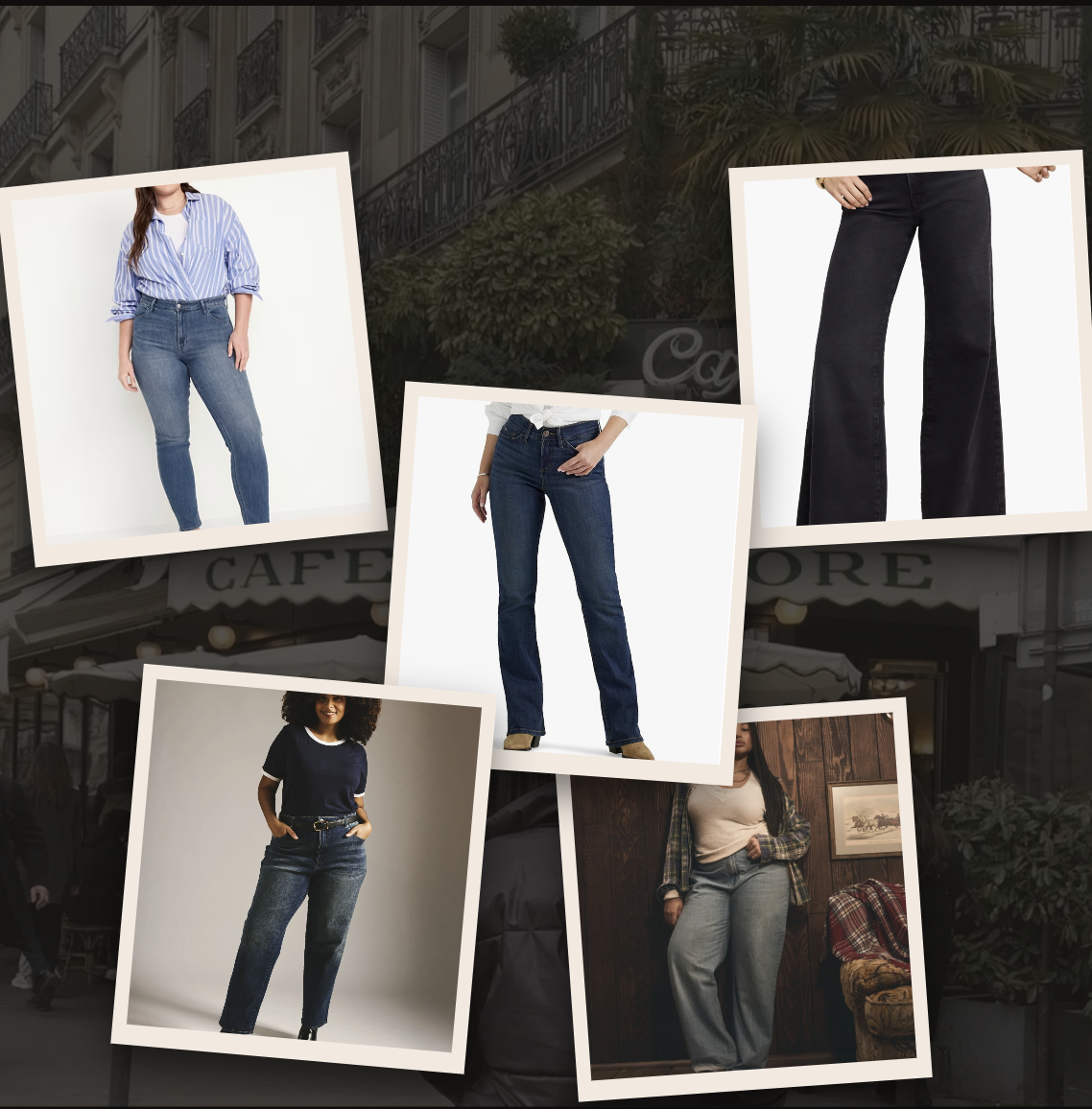
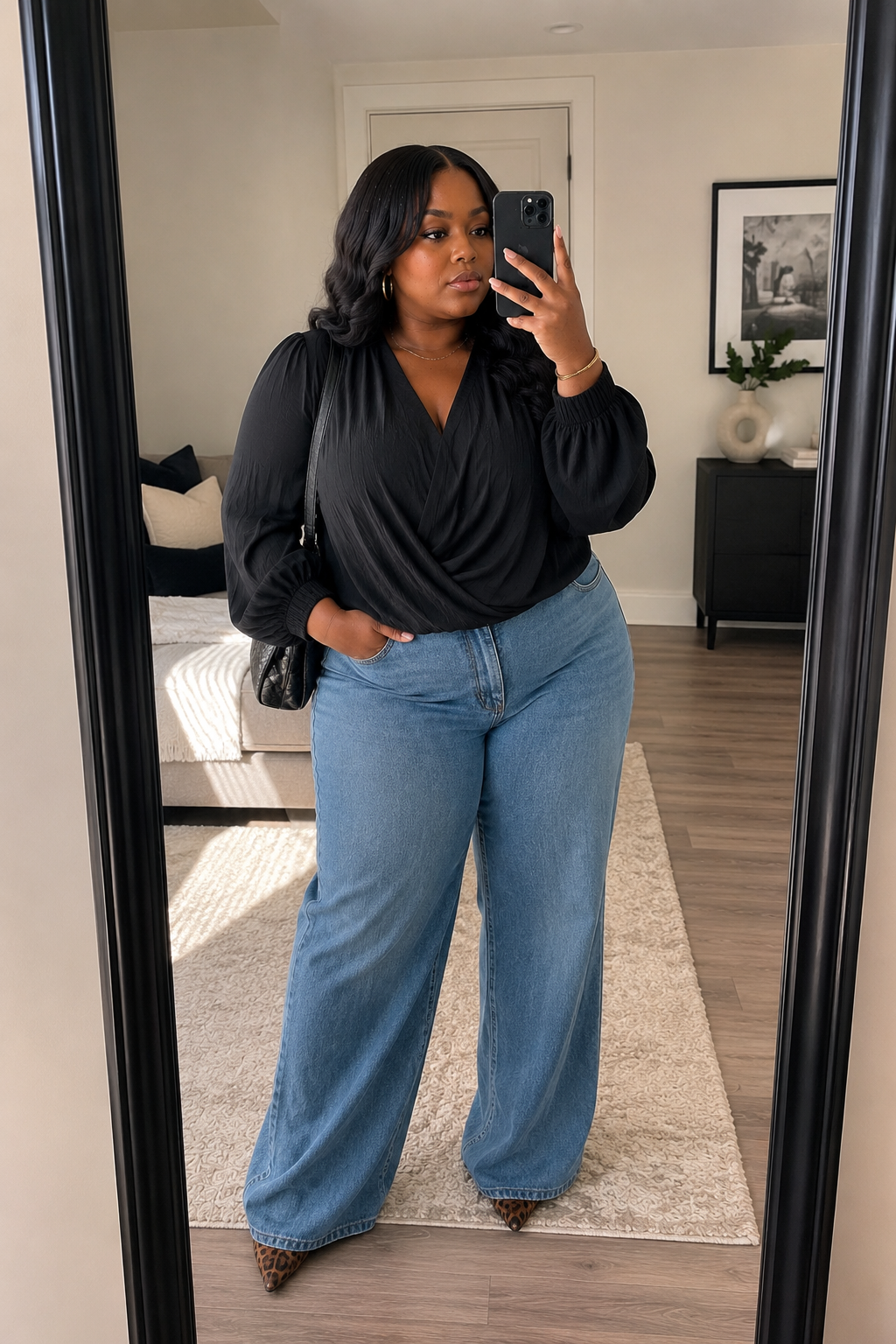

✦ Creator images used for editorial purposes only. All rights belong to their respective creators. We always link and give credit.
✦ Check Out Our Men's Site
Trending on MensOutfitsDaily