
These Style Habits Are Making Your Outfits Look Frumpy Without You Realizing
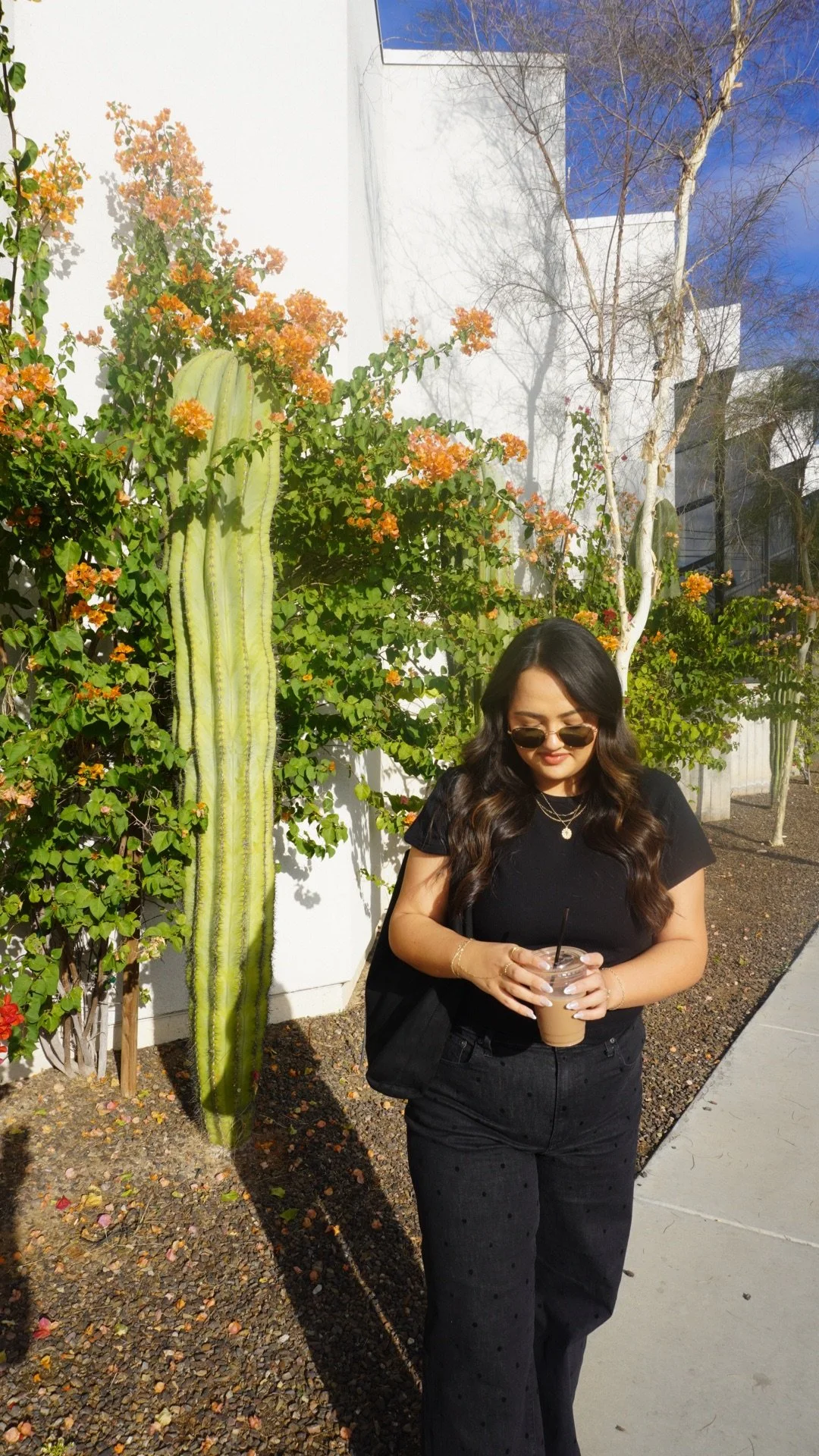
Photo Credit:Brianda Felix
There’s a specific kind of outfit disappointment that doesn’t get talked about enough. You put on clothes that technically fit. They’re comfortable. They’re the kind of pieces that are supposed to be “safe.” But once you’re fully dressed, the look feels off. A little heavy. A little shapeless. Like everything you’re wearing is adding bulk instead of polish.
This is usually the point where people start blaming themselves. They size up because it feels easier. They reach for softer, looser fabrics because they’re forgiving. They stick with the same silhouettes because they don’t want to draw attention. Over time, those choices turn into habits. Fit gets sacrificed for comfort. The structure quietly disappears. And suddenly, outfits that should look pulled together start reading frumpy or bulky even though nothing about your body has actually changed.
Here’s the part that matters: this isn’t about age, trends, or doing fashion “wrong.” It’s about a handful of common frumpy fashion mistakes that have everything to do with fabric weight, proportions, and where clothes hit on your body. Once you understand what’s creating that visual bulk and what to adjust instead the fix is surprisingly simple. And getting dressed starts feeling intentional again, not frustrating.
Find out the 5 style mistakes you’re probably making (and how to fix them)—download the free guide!
What “Bulky” and “Frumpy” Really Mean
When people say their clothes look bulky, they’re usually describing visual weight—not actual size. An outfit can fit perfectly on paper and still look heavy in the mirror. That’s because bulk comes from how fabric sits on the body, not from the number on the tag.
This is where the idea of “frumpy” gets misunderstood. Frumpy doesn’t mean outdated or unfashionable. It usually means the clothes lack structure, balance, or intention. Thick fabrics that don’t drape, silhouettes that are loose from every angle, or pieces that hit at awkward lengths can all create a boxy outline, even when the clothes themselves are nice.
A lot of this happens when comfort becomes the main priority. Sizing up feels safer. Softer fabrics feel easier. Relaxed cuts feel forgiving. Over time, those choices stack, and outfits start to lose shape altogether. Instead of skimming the body, clothes sit on top of it, adding visual weight in places you don’t want attention.
The important thing to understand is that bulky outfits aren’t a reflection of your body or your style. They’re the result of predictable styling patterns that almost everyone falls into at some point. Once you know what creates that visual heaviness, it becomes much easier to spot—and even easier to fix.
The Real Reasons Outfits Start Looking Bulky
Sizing Up Instead of Fixing Fit
This is the most common mistake, and it’s everywhere.
When something feels snug, the instinct is to go up a size. But extra fabric usually shows up in the shoulders, sleeves, waist, and hips — exactly where you don’t want bulk.
Better move:
Buy the size that fits your shoulders and waist, then prioritize stretch, tailoring, or fabric choice for comfort.
Loose everywhere = heavy everywhere.
Everything Is Relaxed at the Same Time
A relaxed sweater. Relaxed pants. A soft jacket. Comfortable shoes.
Individually? Fine.
Together? Shapeless.
Fix:
Every outfit needs contrast.
Loose pants + fitted or structured top
Soft sweater + crisp jeans
Oversized layer + clean base underneath
One defined element gives the entire outfit shape.
Clothes Hit at the Wrong Lengths
This is a quiet problem that makes a huge difference.
Tops that stop at the widest part of the stomach or hips.
Jackets that end mid-hip.
Pants that pool at the ankle.
These details draw attention to exactly the areas people are usually trying to downplay.
Fix:
Tops should hit above the hip bone or well below it
Jackets look best shorter or mid-thigh, not mid-hip
Pants should break cleanly, not bunch
This alone can change how an outfit reads.
Too Much Soft Fabric, Not Enough Structure
Soft knits, drapey tees, elastic waists — comfort-first fabrics add up fast.
Fix:
Add structure strategically:
Thicker cotton T-shirts instead of flimsy ones
Sweaters that hold their shape
Blazers or jackets with defined shoulders
Waistbands with real construction
You don’t need tight clothes. You need fabric that doesn’t collapse.
Shoes Are Dragging the Outfit Down
Shoes matter more than people want to admit.
Overly cushioned, bulky, or purely “comfort” shoes can make even good outfits feel unfinished.
Fix:
Choose shoes with clean silhouettes:
Sleek sneakers
Almond-toe flats
Low-profile boots or loafers
Support and polish are not opposites. You can have both.
Holding Onto Clothes That No Longer Help You
“Still in good condition” doesn’t mean “still flattering.”
Cuts change. Bodies change. Fabric technology changes.
Clothes that worked 15 or 20 years ago may now sit differently — even if your size hasn’t changed.
Rule of thumb:
If a piece:
Needs constant adjusting
Makes you add layers to “fix” it
Feels fine but never looks right
It’s not a classic. It’s dead weight.
How to Look Polished Without Looking Try-Hard
These small shifts came up again and again for women who cracked the frumpy problem:
Tailoring matters more than trends
Hemming pants, adjusting sleeves, and refining fit does more than buying new clothes.One statement beats many small ones
Choose either bold earrings or a necklace. Not both.Monochrome outfits read cleaner
Wearing one color head-to-toe instantly looks intentional.Hair, shoes, and undergarments matter
A good bra, clean shoes, and maintained hair elevate everything else.
Effort should be visible, not loud
Frumpy often reads as timid or overly safe. Confidence shows in clean lines, strong shapes, and clear choices.
✦ Creator images used for editorial purposes only. All rights belong to their respective creators. We always link and give credit.
✦ Check Out Our Men's Site
Trending on MensOutfitsDaily
