
How to Put an Outfit Together: 52 Styling Rules for a Better Wardrobe
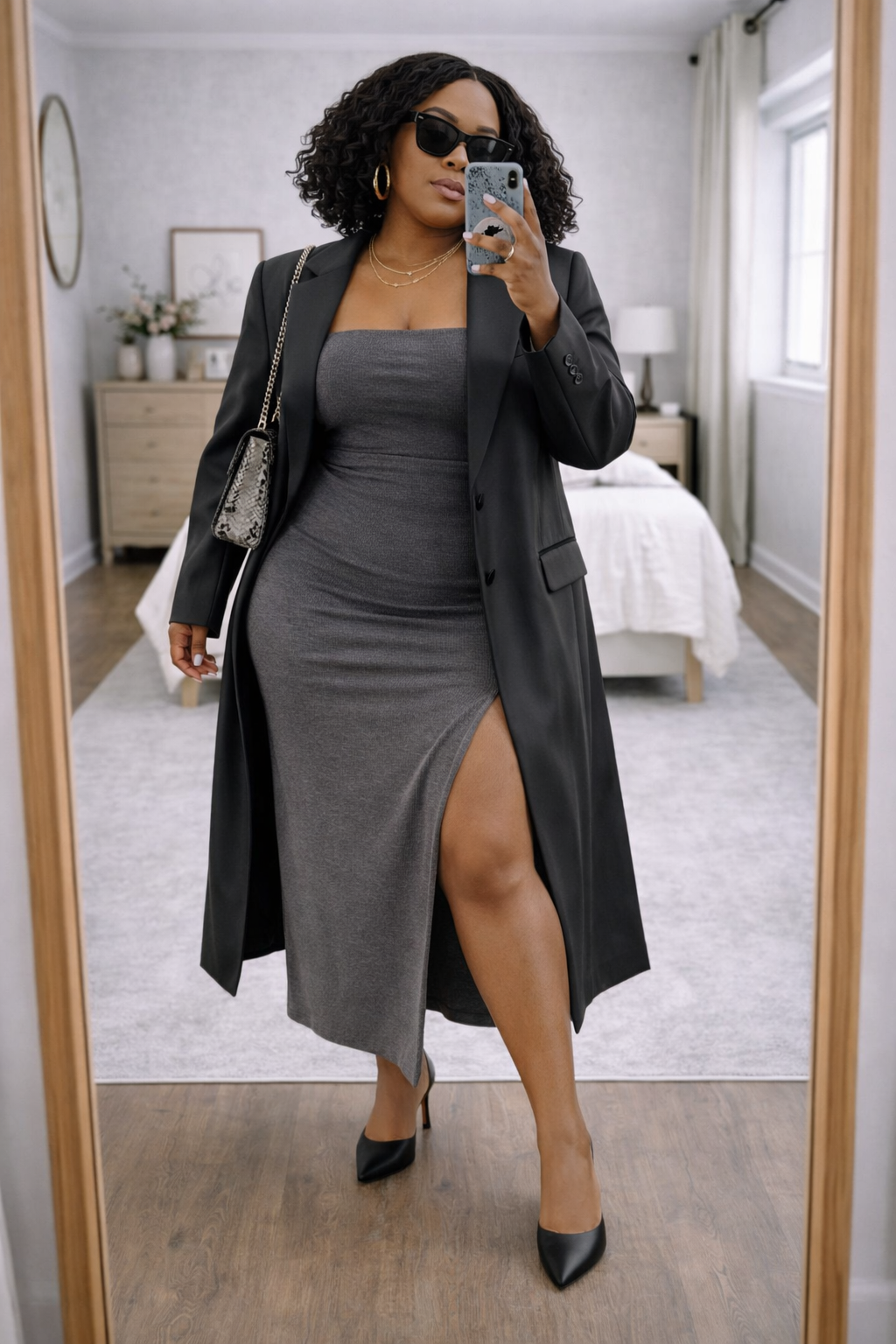
We’ve all seen that one person who can pull on a "so-ugly-it’s-cool" thrift store sweater and somehow look like they just stepped off a runway. Conversely, we’ve all seen someone wearing a $500 designer dress that somehow looks… flat.
It’s proof that great style has almost nothing to do with the price tag or even the item itself. It’s about how you style it. The difference between a "horrible" outfit and a "gorgeous" one usually comes down to three things: proportions, color harmony, and intentionality. If you feel like you’re stuck in a style rut, it’s not because you need new clothes; it’s because you need a better formula.
In this guide, we’re going to stop looking at individual pieces and start looking at the "why" behind the look. From mastering the secret sauce of color theory to understanding the silhouettes that actually work for your body, it’s time to stop letting your clothes wear you.
1. Pick One "Anchor" Piece
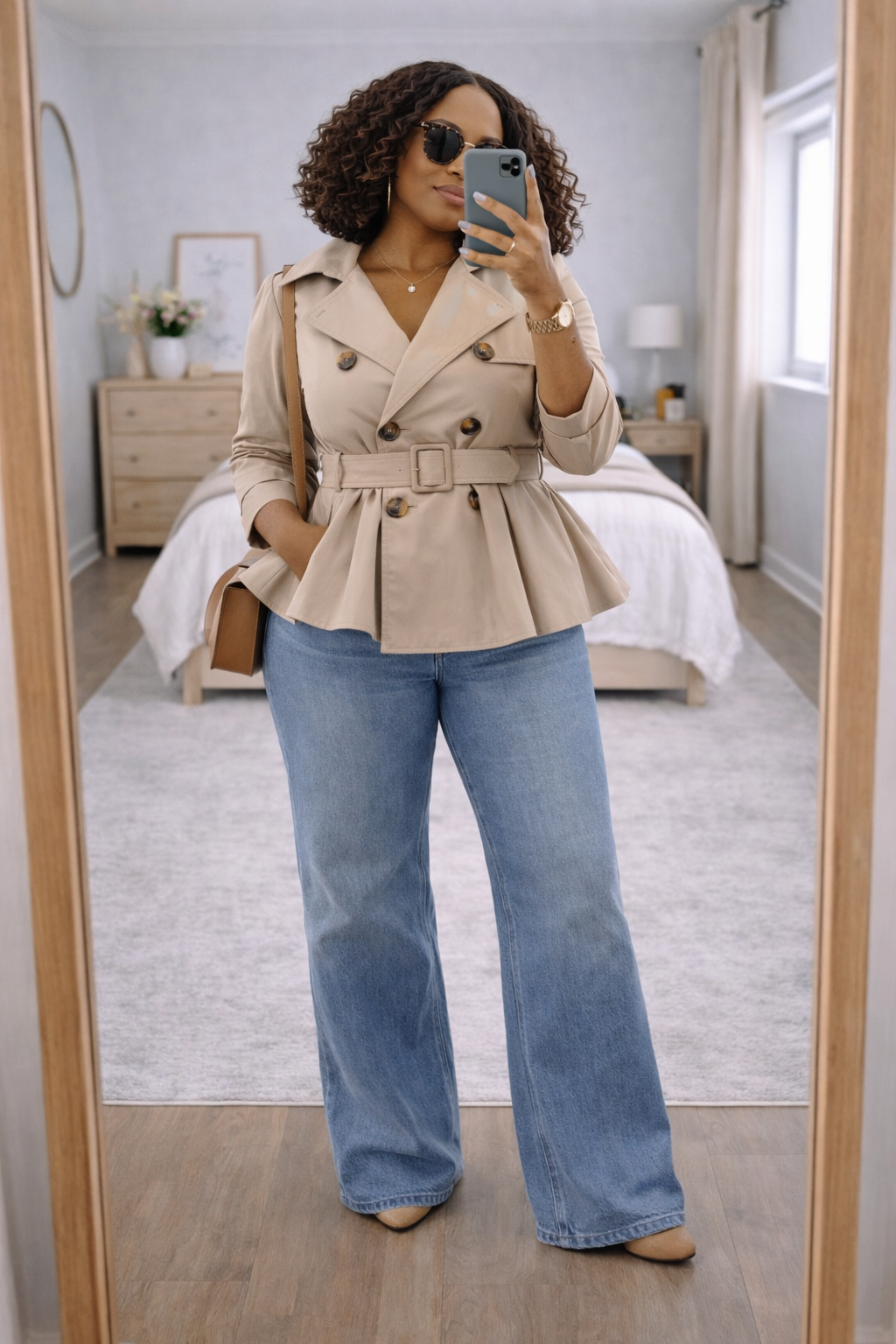
Stop trying to make every item in your outfit a "moment." If everything is screaming for attention, the outfit looks like a mess. Pick one Anchor Piece maybe it’s a bold patterned pant or a weird vintage jacket and let everything else in the look be the "supporting cast." If the anchor is loud, the rest of the outfit should be a whisper.
2. Dress for the Occasion (Then Make it Fashion)
The fastest way to look "horrible" in great clothes is to be the person in 6-inch heels at a backyard BBQ. Before you pick a single item, identify the utility of your day. Are you walking a lot? Sitting in a cold office? Once you know the functional requirements, you can apply your style on top of that foundation. Confidence comes from being comfortable enough to actually move.
Read This Next:How to Create Goals For Your Personal Style
3. Build Around Your Most Reliable Basics
The "ugly-item-made-cool" magic usually happens because it’s paired with high-quality, reliable basics. Your white tees, straight-leg denim, and neutral blazers are the "glue." When you have a solid foundation of basics that fit you perfectly, you can throw almost any "weird" item on top and it will look intentional rather than accidental.
Read This Next:30 Full Proof Neutral Outfit Formulas
4. Choose the "Vibe" Before the Pieces
Most people fail because they pick clothes based on what's clean, not what they want to project. Ask yourself: Am I going for 'Corporate Goth,' 'Lazy Sunday,' or 'Power Lunch' today? When you define the vibe first, you stop picking random clothes and start curated a look. This is how you avoid that "I just got dressed in the dark" feeling.
Read Next:How To Rebuild your Wardrobe From Scratch
5. Whatever You Do, Don’t Start with Accessories
Accessories are the garnish, not the meal. If you start with a statement necklace or a bold hat, you often end up "over-decorating" to match the accessory. Build the silhouette of your outfit first get the proportions of your top and bottom right and only then add the jewelry or the bag to tie it all together.
6. When in Doubt, Pick Your Bottoms First
Most people start with a "cool" top, but your bottoms actually dictate the silhouette and functionality of your day. Are you sitting at a desk? Walking to lunch? Pick the pants or skirt that fits the vibe and the weather first. It’s much easier to find a shirt that matches a pair of trousers than it is to find the right pants to balance out a specific, tricky top.
7. Use a Go-To "Outfit Formula"
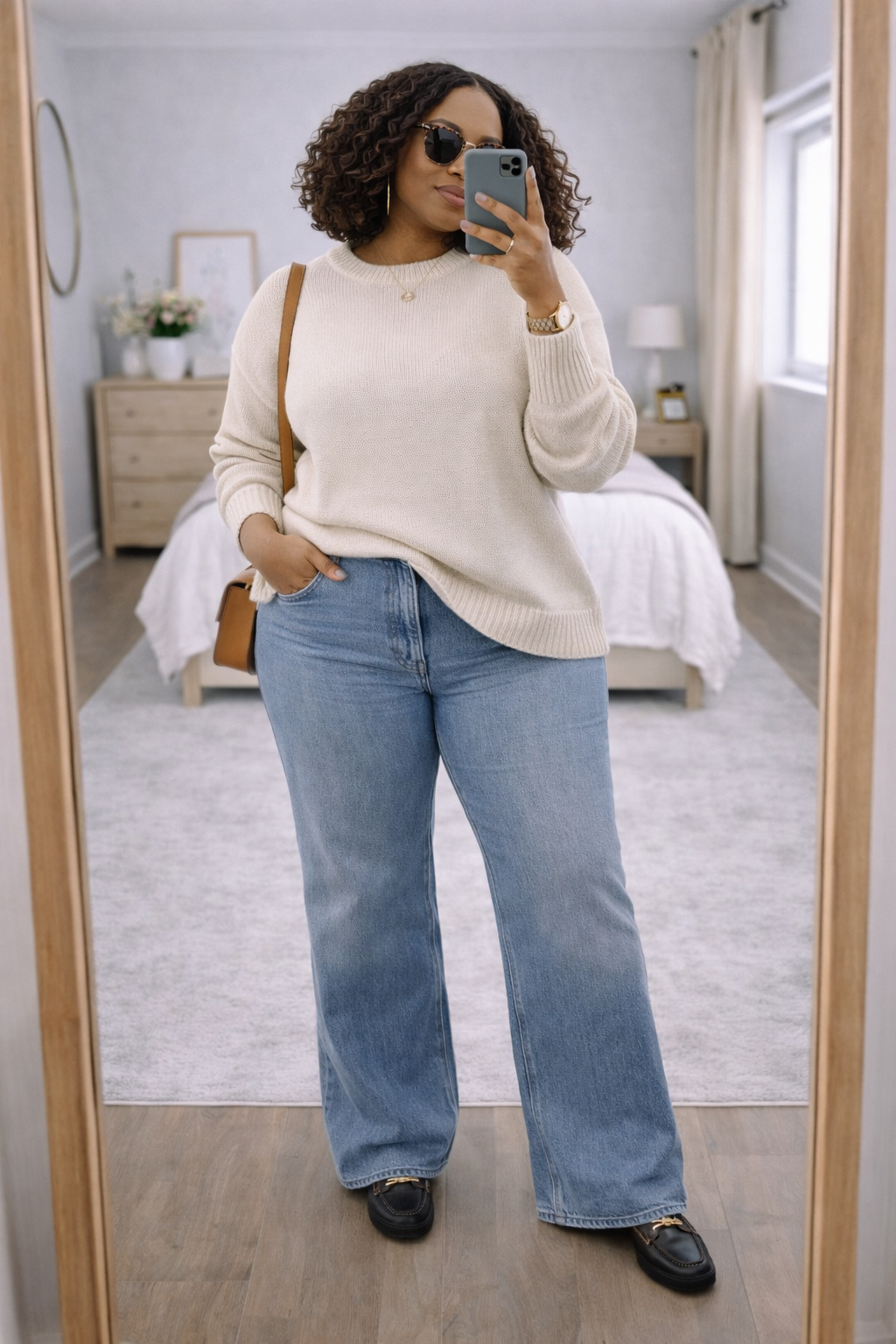
You don’t need to reinvent the wheel every Tuesday. Find a "Shape" that works for you and stick to it.
Example:Oversized Knit + Straight Leg Denim + Loafers. When you have a formula, you're just swapping colors and textures into a pre-approved template. It’s not "boring"—it’s efficient.
8. Repeat Outfits That Already Work
There is a weird myth in fashion that you can’t wear the same thing twice. Ignore it. If you wore an outfit last week that made you feel like a 10/10, put it on a mental "repeat" list. The most stylish people in the world are outfit repeaters because they know exactly what works for their proportions.
9. Define Your "Mental Uniform"
A uniform isn't a costume; it's your baseline. It's the outfit you can put on in the dark and still look like you tried. Maybe yours is a black turtleneck and high-waisted jeans, or a midi dress and sneakers. Identify your Uniform so that on days when your brain isn't "styling," you still have a default that looks intentional.
10. Plan the Night Before (The Non-Negotiable)
The "person who looks horrible in gorgeous clothes" is usually the person who picked them out while they were 15 minutes late for work. Style requires 30 seconds of objective thought. Lay your clothes out the night before—including the shoes and socks. Seeing the pieces together in the light of day (before the morning stress hits) allows you to spot weird proportions or color clashes before you’re stuck in them all day.
11. Balance Fitted and Loose Pieces
The easiest way to make a "gorgeous" item look "horrible" is to ignore balance. If you are wearing a voluminous, flowy bottom (like wide-leg trousers or a maxi skirt), your top should be more fitted or tucked in to provide structure. Conversely, if you’re rocking an oversized blazer or a chunky knit, keep your bottom half streamlined with straight-leg denim or leggings. Style is a game of opposites.
12. Stop Wearing All Oversized Everything
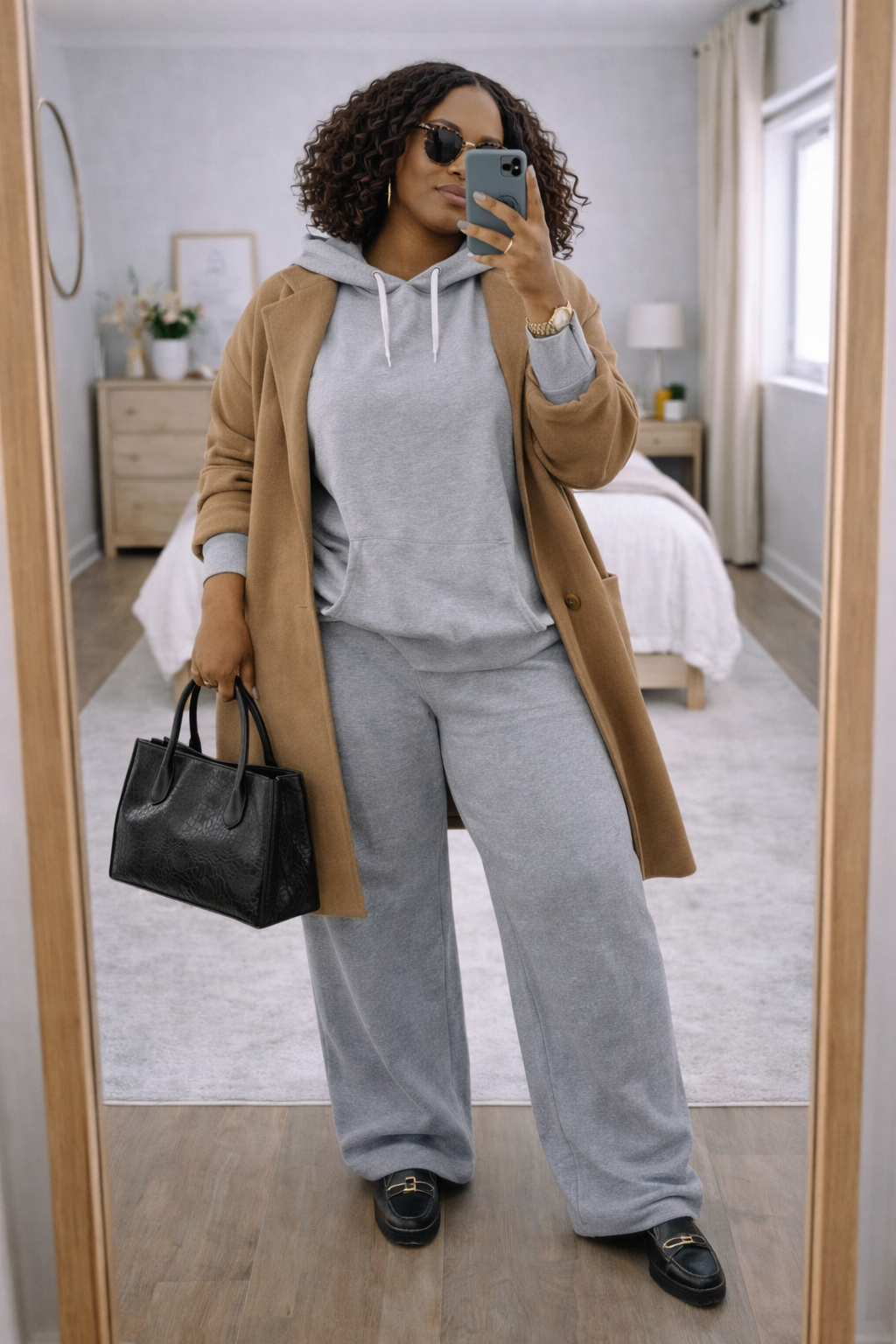
The "Baggy" look is trending, but there is a fine line between intentional volume and looking like a pile of laundry. If you go oversized, ensure at least one part of your body—usually your wrists, ankles, or neck—is visible to prove there’s a human being inside the fabric.
13. Define Your Waist (When the Outfit Feels "Lost")
If you look in the mirror and feel like a shapeless rectangle, define your waist. A belt, a high-waisted pant, or a strategic tuck creates an "X" shape that instantly makes the outfit look more expensive and curated.
Read This Next: How to Style a T-Shirt: 14 Stylist Hacks to Make Basics Look Expensive
14. Watch the "Hem Hit"
Where your top ends matters. If a shirt hits at the widest part of your hips, it can make you look shorter and wider than you are. Aim for the "Golden Ratio": either crop it high (at the waist) or let it go long (mid-thigh). Anything in the "middle" usually looks accidental.
15. The Power Move: Tuck, Half-Tuck, or Crop
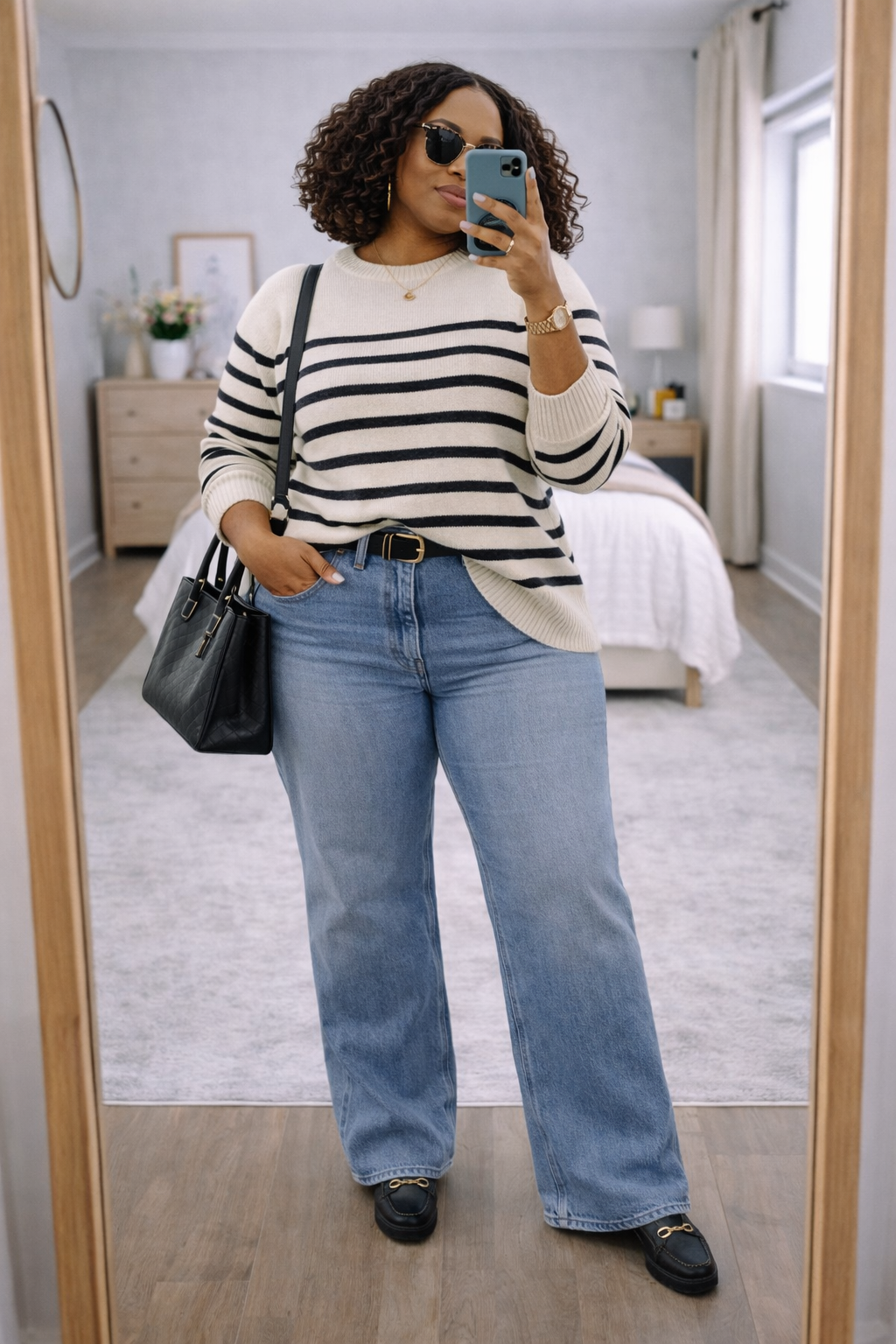
The "French Tuck" (tucking just the front) is the easiest way to fix a boring outfit. It shows your waistline while keeping the back casual. If the shirt is too bulky to tuck, use a clear hair tie to "crop" it from the inside.
16. Pant Length is Non-Negotiable
Pants that are two inches too long and "puddle" over your shoes look sloppy. If you aren't going to hem them, cuff them. Seeing a sliver of ankle or a clean break at the shoe makes the entire silhouette look sharper.
17. Match Shoe Shape to Pant Shape
Wide-leg pants need a shoe with some "weight" (like a platform or a chunky boot) so the pant doesn't swallow the foot. Conversely, slim or tapered pants look best with low-profile shoes like loafers or sleek sneakers.
18. Layer for Structure, Not Just Warmth
A blazer or a structured denim jacket isn't just for the cold—it’s a frame for your body. It creates "sharp corners" on your shoulders that balance out softer items like hoodies or t-shirts.
19. Don't Be a Marshmallow: Avoid Multi-Bulk
One bulky item (a puffer jacket) is a statement. Two bulky items (a puffer over a chunky knit) is a safety hazard. If your outer layer is heavy, keep your base layers thin and breathable.
20. The 360° Mirror Test
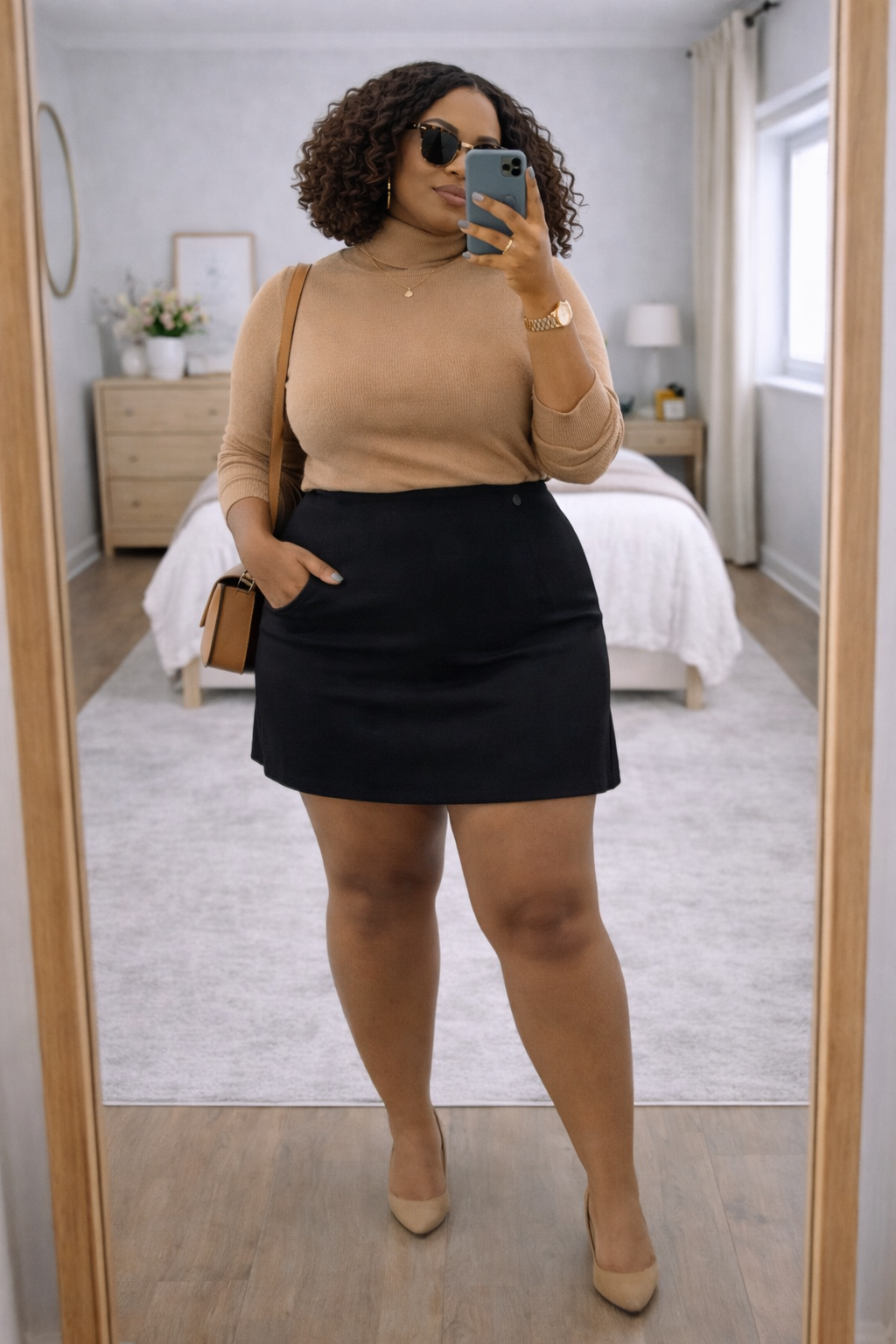
The "horrible" look usually happens because we only check the front view. Turn around. Check the side profile. Does the back of your shirt look like a tail? Do the pants sag in the wrong place? If it doesn't look good from the side, it doesn't look good.
21. The "Rule of Three"
Limit your outfit to 2–3 main colors. Once you hit four or five, the eye doesn't know where to land, and the "ugly" factor creeps in. If you have a multi-colored print, those colors count toward your three.
22. Build on a Neutral Base
Neutrals (Black, White, Navy, Grey, Camel) are your safety net. Use them for 70% of the look. When your base is solid, the other 30%—the "risky" stuff—actually looks like a choice rather than a mistake.
23. The "Color Sandwich" Method
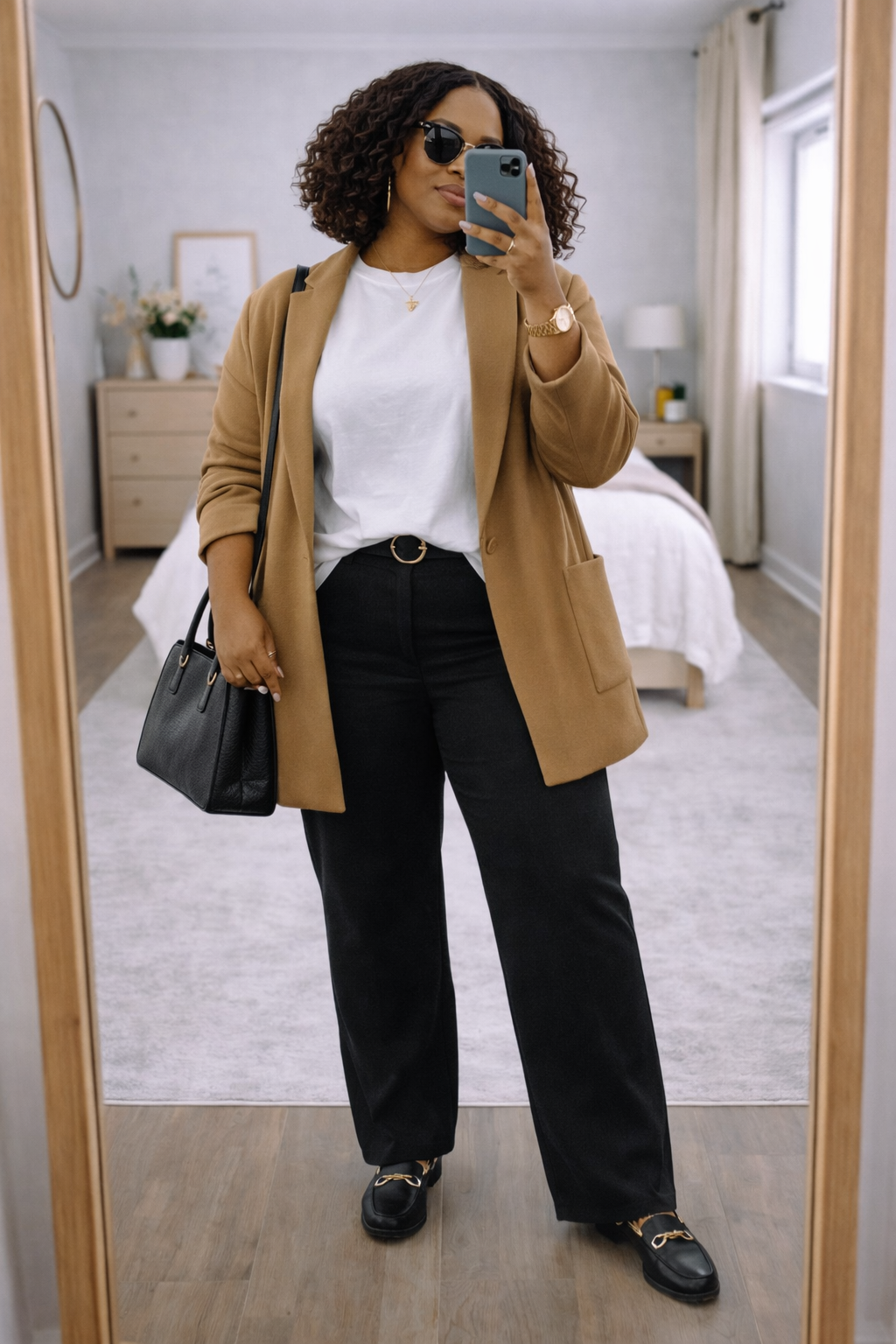
To make an outfit feel cohesive, repeat one color at least twice. If you’re wearing red shoes, try to have a hint of red in your scarf or even just a red lip. It "sandwiches" the look together and tells the world you did this on purpose.
24. Stop Overmatching
Matching your shoes perfectly to your belt and your bag is a fast track to looking dated. Instead of "matching," aim for coordinating. They should look like they belong in the same family, not like they were cut from the same bolt of fabric.
25. Mix Textures, Not Just Colors
An all-black outfit can look boring (horrible) or high-fashion (gorgeous). The difference is texture. Pair a chunky wool sweater with a silk skirt or leather pants. Contrast in fabric creates the visual interest that color usually provides.
26. The Intentional "Pop"
If you’re wearing a completely neutral outfit, add one pop of color. Just one. A bright green bag or a pair of cobalt blue heels against an all-grey look creates a focal point that screams "I know what I'm doing."
Read This Next: What Shoes to Wear With Grey Pants: The Colors That Always Work
27. Balance Your Prints
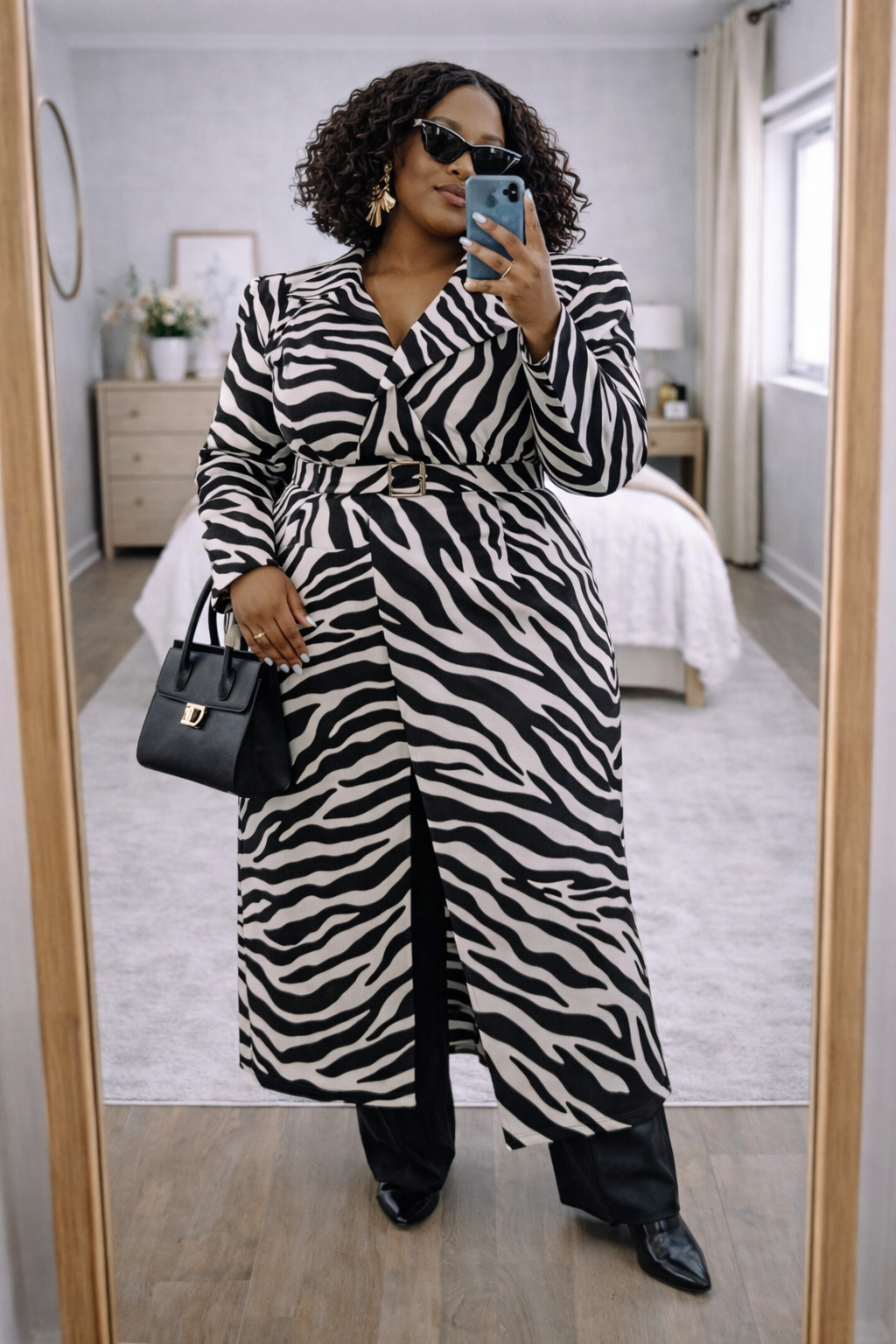
If you’re wearing a loud print, the rest of the outfit needs to be "quiet." Pair a leopard print skirt with a solid black tee. If you want to mix two prints, make sure one is large-scale and the other is small-scale so they aren't fighting for dominance.
28. Treat Denim as a Neutral
Don’t count your jeans as a "color." In the world of styling, denim functions like black or white. You can pair it with literally any color in the spectrum without it clashing.
29. Match Tones, Not Shades
You don’t need the exact same shade of beige. In fact, mixing different shades of the same tone (e.g., camel, sand, and cream) looks much more sophisticated and "expensive" than trying to find an identical match.
30. The "Main Character" Rule
Let one piece stand out. If you have a gorgeous, intricate coat, keep the shirt and pants simple. When too many "statement" pieces compete, the whole outfit loses its value. Give your best item the space to breathe.
31. The "Third Piece" Rule
An outfit is a top and a bottom. A look is a top, a bottom, and a third piece. This can be a blazer, a cardigan, a statement belt, or even a sweater tied over your shoulders. The third piece is what makes an outfit look "styled" rather than just "worn.
Read This Next: Applying the Rule of Thirds to Fashion Styling
32. The Blazer: The Instant "Quality" Filter
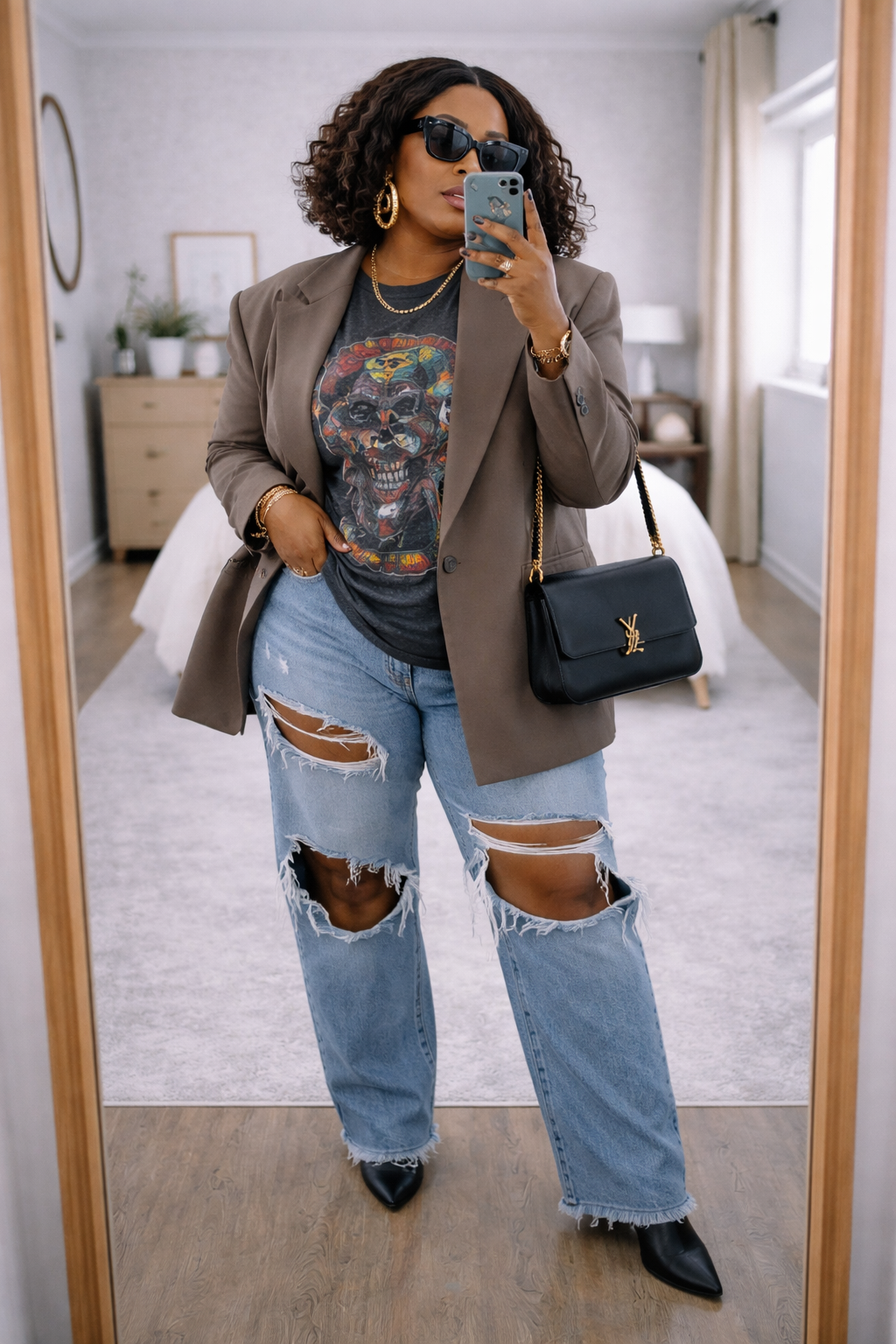
A blazer is the ultimate hack for the person who makes "ugly" clothes look good. You can wear a beat-up graphic tee and shredded jeans, but the moment you throw a structured blazer on top, the outfit looks intentional and expensive.
33. Layer for Dimension, Not Just Warmth
Layering shouldn't just be about the temperature. Use lightweight pieces like a sheer turtleneck under a slip dress or a collared shirt under a crewneck to add visual "levels." It adds a depth that makes people look twice.
Read This Next:How To Layer Your Outfits
34. Keep Your Outerwear Proportional
If you’re wearing a massive, flowy maxi dress, don’t wear a mid-length coat that cuts you in half. Go for a cropped jacket (to show your waist) or a full-length duster. Matching the "energy" of your coat to the silhouette of your clothes prevents that awkward "clumpy" look.
35. Let Your Layers Breathe
Don't hide everything. If you’re wearing a button-down under a sweater, let the collar, cuffs, and hem peek out. This "visible layering" proves the outfit was curated and adds points of interest to an otherwise flat look.
36. Sharpen "Soft" Outfits with Structure
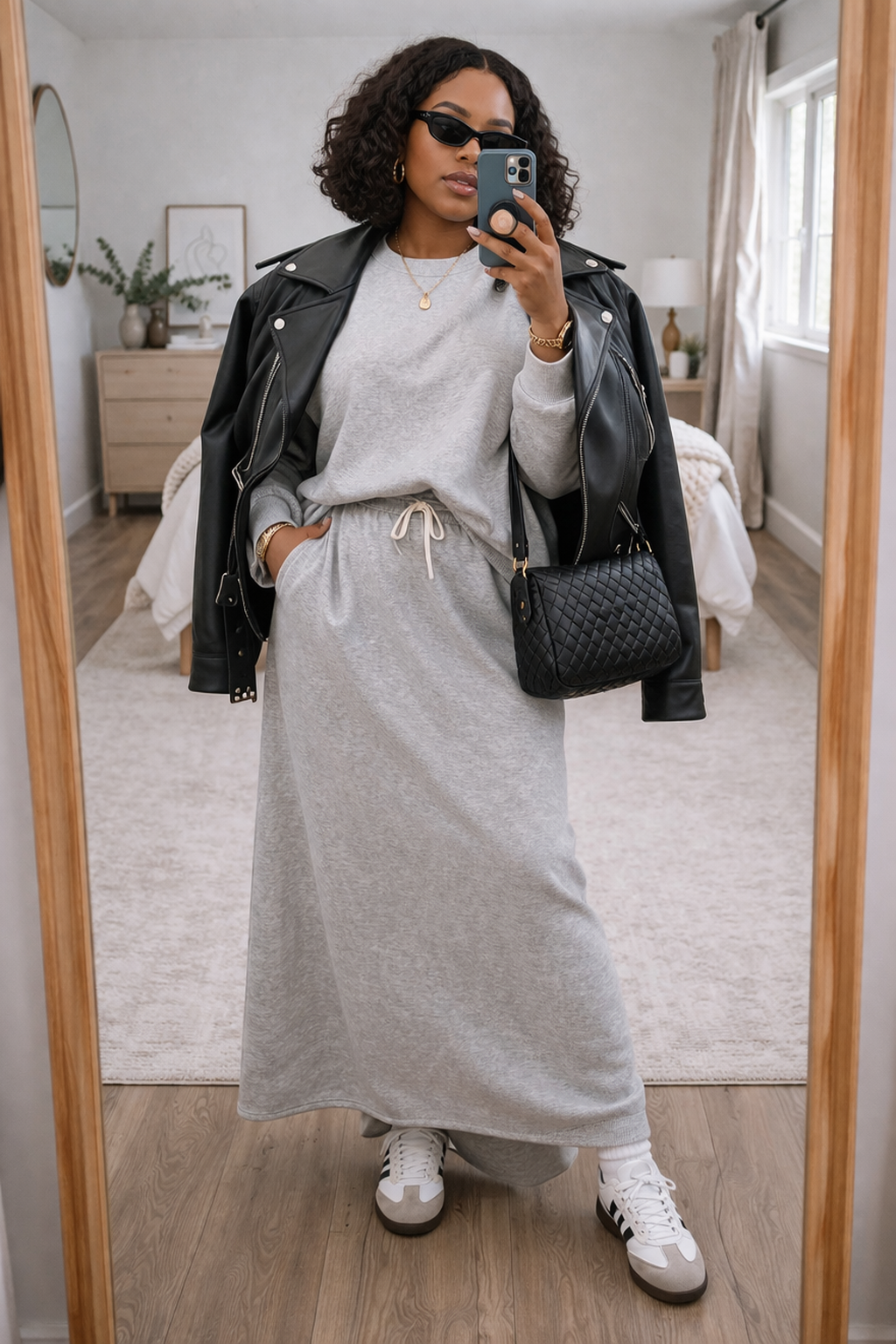
If your outfit is "mushy" (think sweatpants or a jersey dress), add a structured piece like a leather jacket or a stiff denim coat. The contrast between the soft fabric and the sharp edges of the outerwear creates a sophisticated balance.
37. The High-Low Mix
The most stylish people mix casual and polished pieces. Try a hoodie under a tailored overcoat, or a silk skirt with a rugged utility jacket. This friction between "fancy" and "trashy" is exactly how you make individual items look better than they are.
38. Intentionality Over Bulk
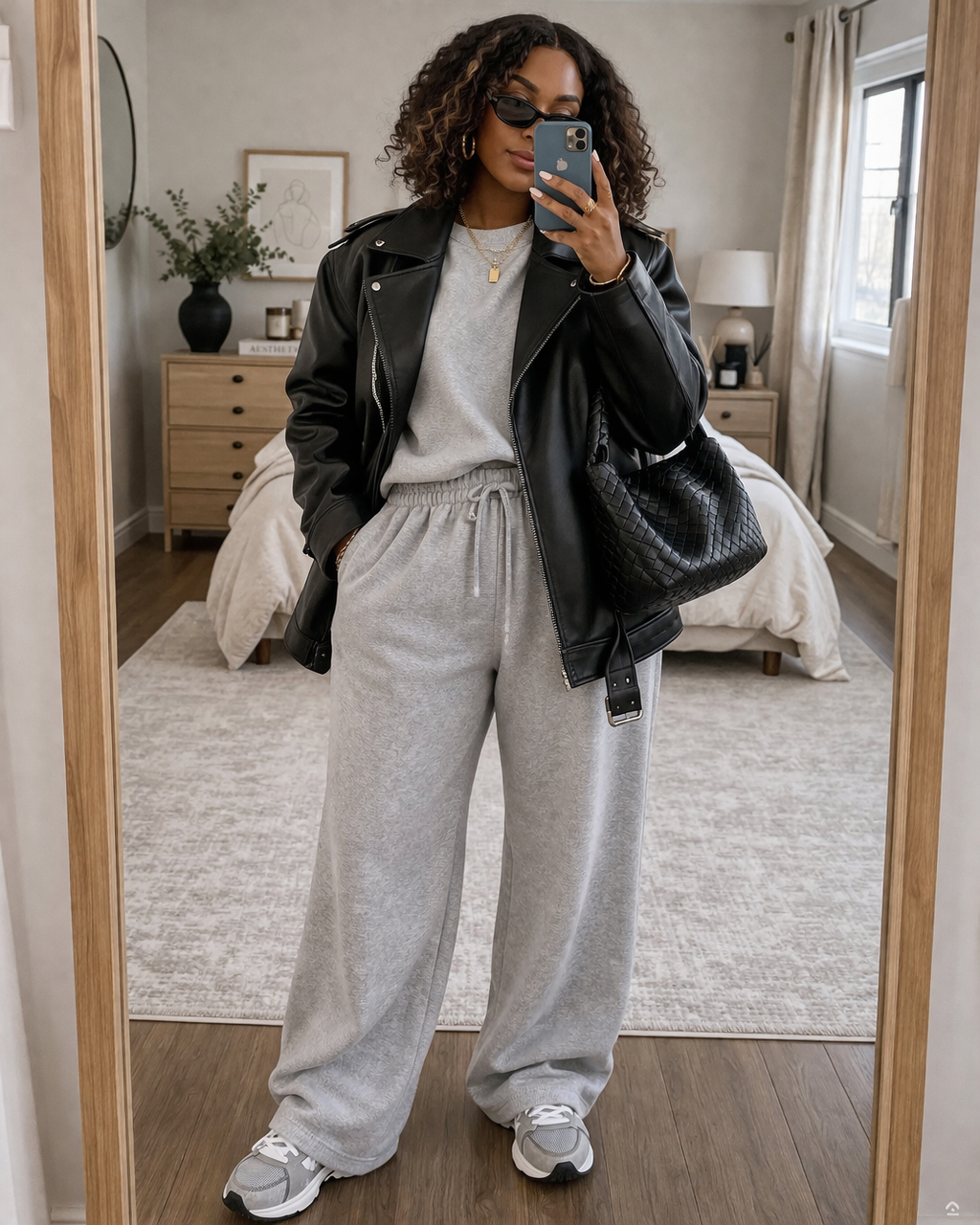
Layering is an art, not a pile-on. If your arms can’t bend, you’ve gone too far. Use thin, high-quality fabrics (like merino wool or silk) to layer so you get the visual "look" of multiple pieces without the physical bulk of a marshmallow.
39. The "Detail" Roll
Never leave your sleeves just hanging there. Rolling your sleeves or cuffing your jacket to show the lining (or the layer underneath) adds a "stylist’s touch." it makes the garment look like it was fitted specifically to you.
40. Your Outer Layer IS the Outfit
In the winter, your coat is your outfit. Don't spend an hour styling what’s underneath only to throw on a generic, beat-up parka. Your outerwear should be a deliberate choice that complements the vibe, not just a way to stay warm.
41. Shoes Decide the Vibe
Your clothes are the conversation, but your shoes are the punctuation. A silk dress with heels says "gala"; that same dress with chunky loafers says "art gallery." If the outfit feels wrong, swap the shoes first. They dictate the "vibe" more than any other item.
42. Match the Bag to the "Energy," Not the Color
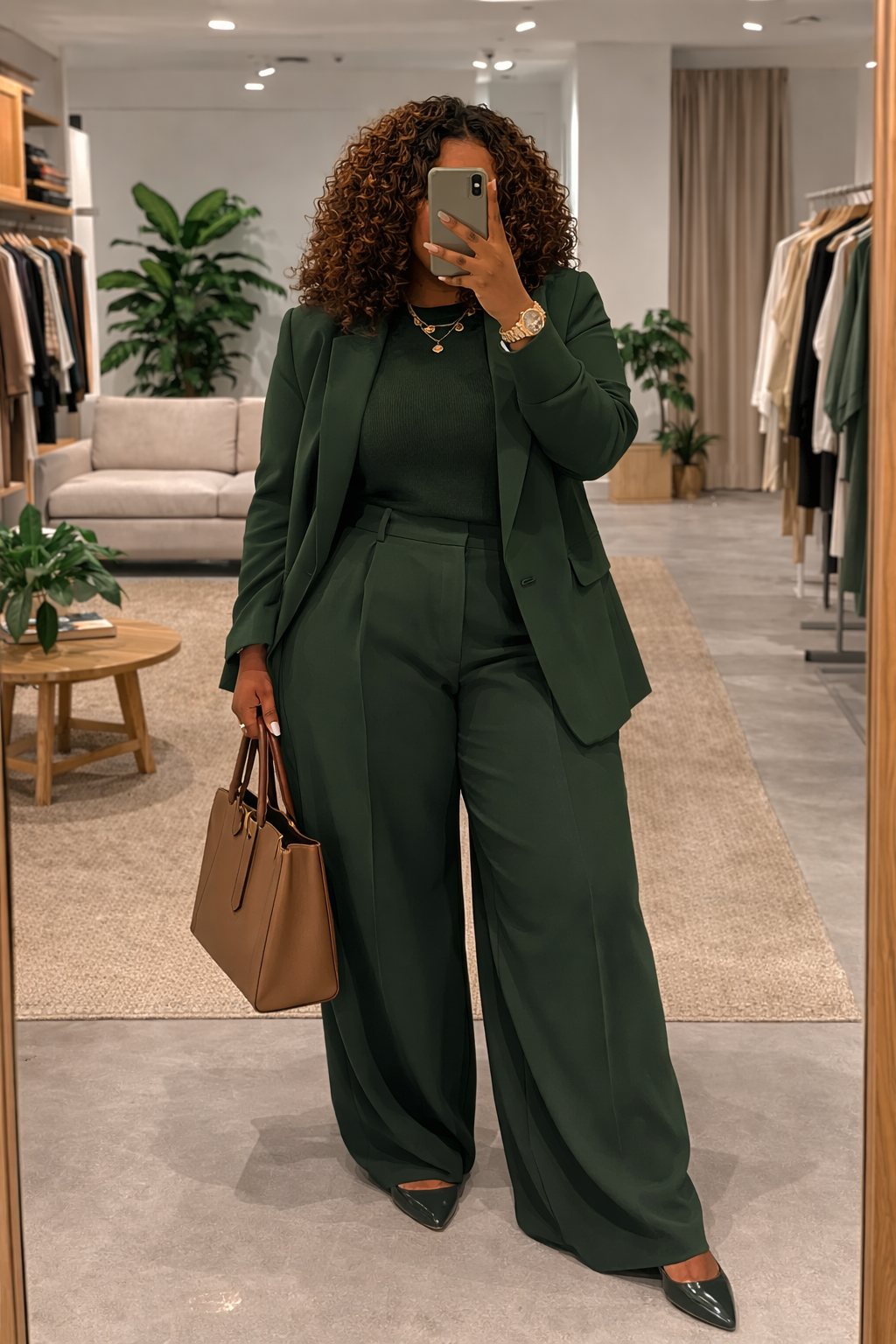
Stop trying to match your black bag to black shoes. Match the formality. A rugged canvas tote kills the energy of a tailored suit, and a dainty clutch looks ridiculous with an oversized tracksuit. Match the "vibe" of the bag to the "vibe" of the day.
Read This Next: 40+ Best Amazon Spring Handbags for 2026: The Ultimate Shopping Guide
43. The "One Accessory" Rule
We’ve all seen the person who looks like they’re wearing a treasure chest. It’s distracting. Pick one hero accessory—a bold watch, a silk scarf, or a statement belt. Let that one piece do the heavy lifting so your outfit doesn't look like a costume.
44. Intentional Jewelry
Jewelry should look like it belongs to you, not like you just found it. If you’re wearing a heavy coat, wear "heavy" jewelry (bold chains). If you’re in a light summer dress, stick to "light" jewelry (delicate pendants). It’s about matching the visual weight of the metal to the weight of the fabric.
45. The "Grooming" Filter
You can make a $10 thrift store find look like $1,000 just by having neat hair and lint-free fabric. Conversely, a $1,000 coat covered in pet hair and wrinkles looks like a mess. Grooming is the ultimate "expensive" hack.
Read This Next:How I Used ChatGPT to Rebuild My Skincare Routine (and Finally Get My Glow Back)
46. Steam or Press (No Excuses)
Wrinkles are the fastest way to make "gorgeous" clothes look "horrible." A steamer takes two minutes and instantly upgrades the quality of your fabric. If it’s wrinkled, don't wear it. Period.
47. Clean Your Shoes
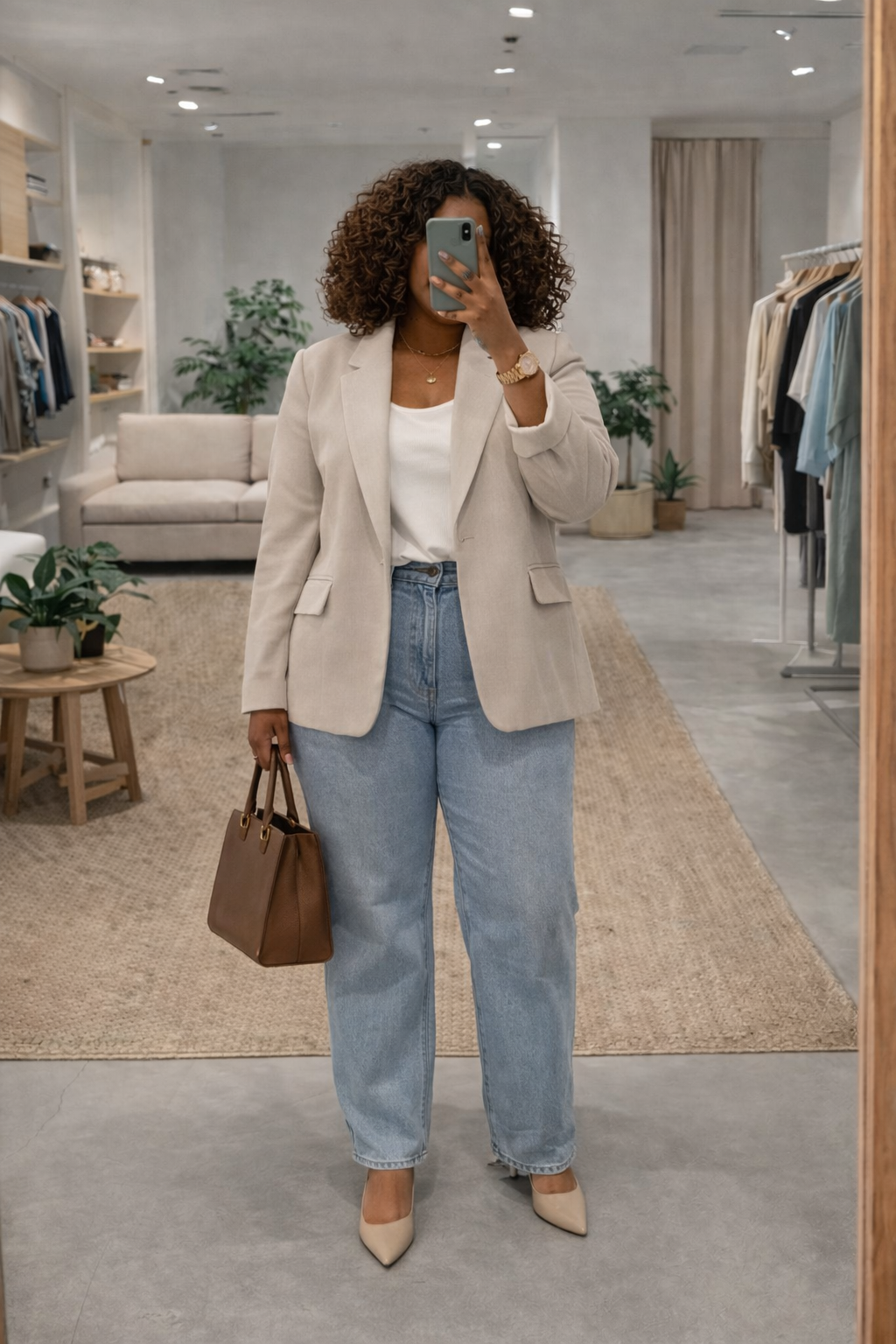
Dirty sneakers or scuffed heels scream "accident." A quick wipe-down with a damp cloth or a magic eraser before you walk out the door keeps the outfit looking crisp and intentional.
48. The Natural Light Check
Fluorescent closet lights lie. Colors that look "okay" in the dark can clash horribly in the sun. If you’re wearing a tricky color combo, check yourself near a window. If it looks "muddy" in the sun, change it.
49. The Coco Chanel Rule: Remove One Thing
Before you leave, look in the mirror and remove the first thing your eye hits. Usually, we over-style when we're nervous. Removing that one extra ring or that unnecessary hat often brings the whole look back into balance.
50. The Mobility Test
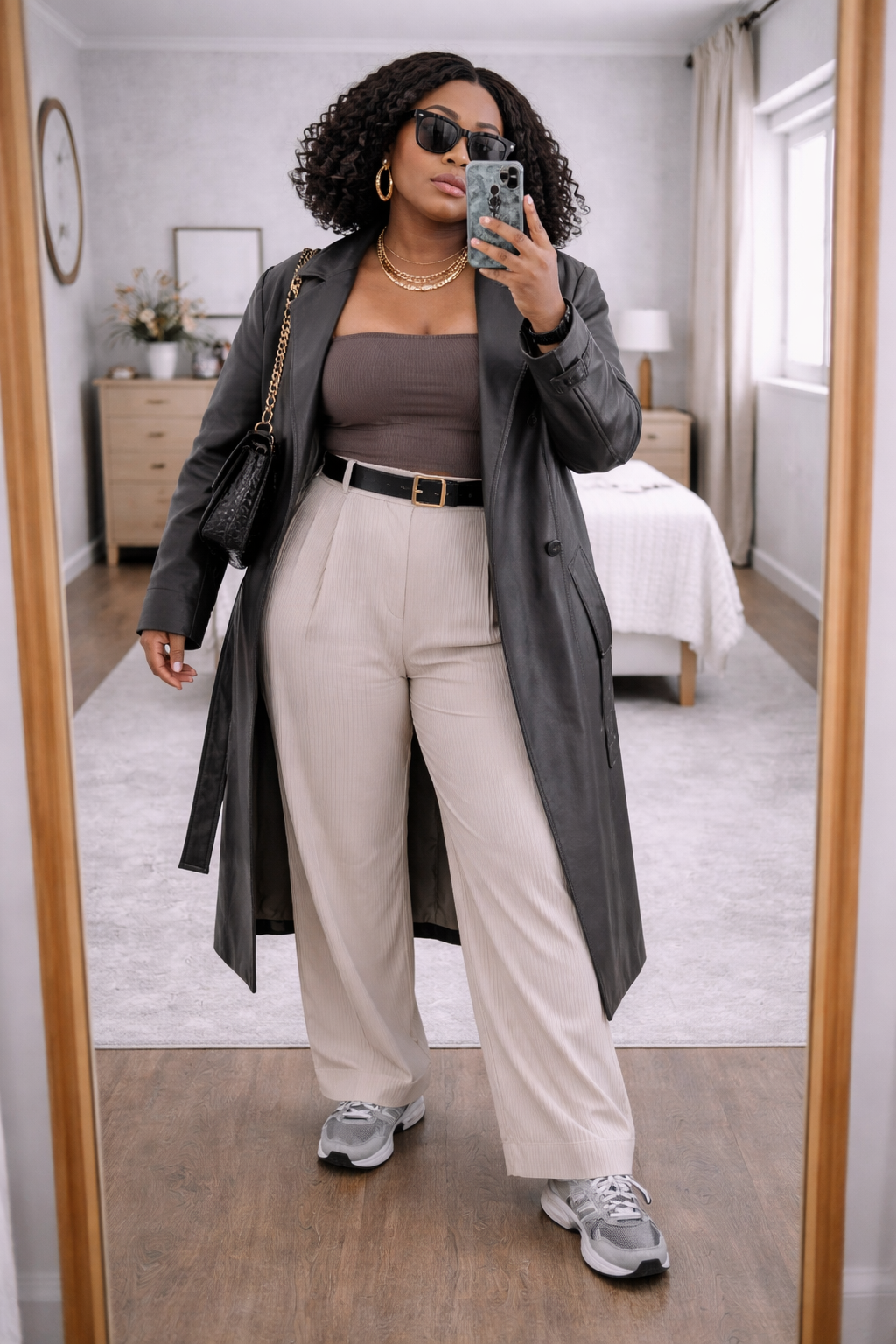
If you can't sit, walk, or breathe comfortably, you will look "horrible" because your body language will be stiff. The most gorgeous outfit in the world looks bad on someone who is clearly miserable. If it’s too tight, it’s not stylish.
51. Confidence > Trends
The person who makes "ugly" clothes look good does it because they aren't asking for permission to wear them. They own the look. If you’re wearing a trend just because it’s a trend, but you feel like a clown, you will look like one. Wear what you like, and the confidence will fix the rest.
52. The "Something's Off" Adjustment
We’ve all had those mornings where the outfit is technically right but feels "off." Don't scrap the whole thing. Adjust exactly one piece. Change the shoes, tuck the shirt, or swap the bag. Usually, the solution is just one small pivot away from being perfect.
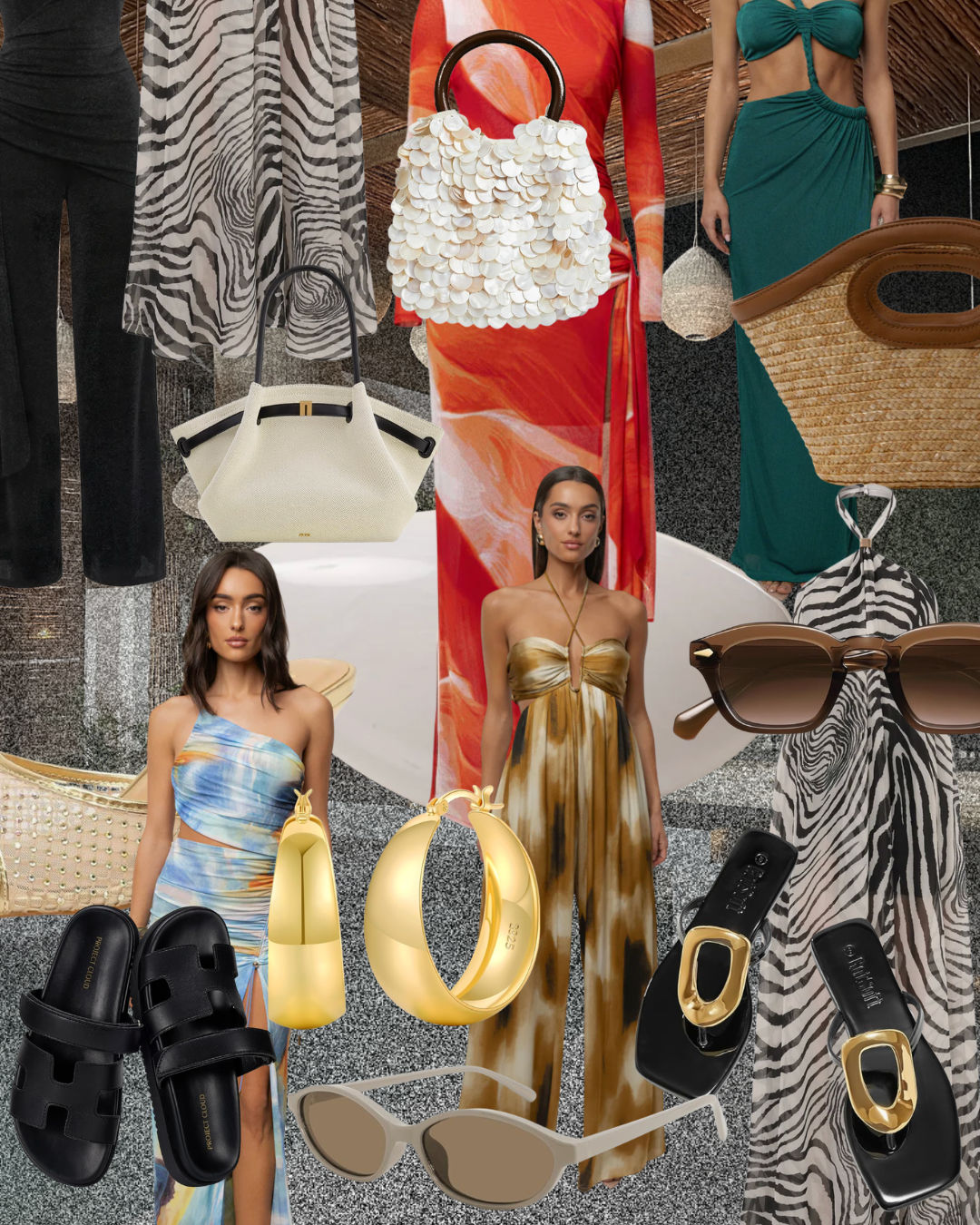
Creator Images used for editorial purposes only. All rights belong to their respective creators. We always link and give credit.