
I Finally Understand Why Everyone Loves the Italian Manicure
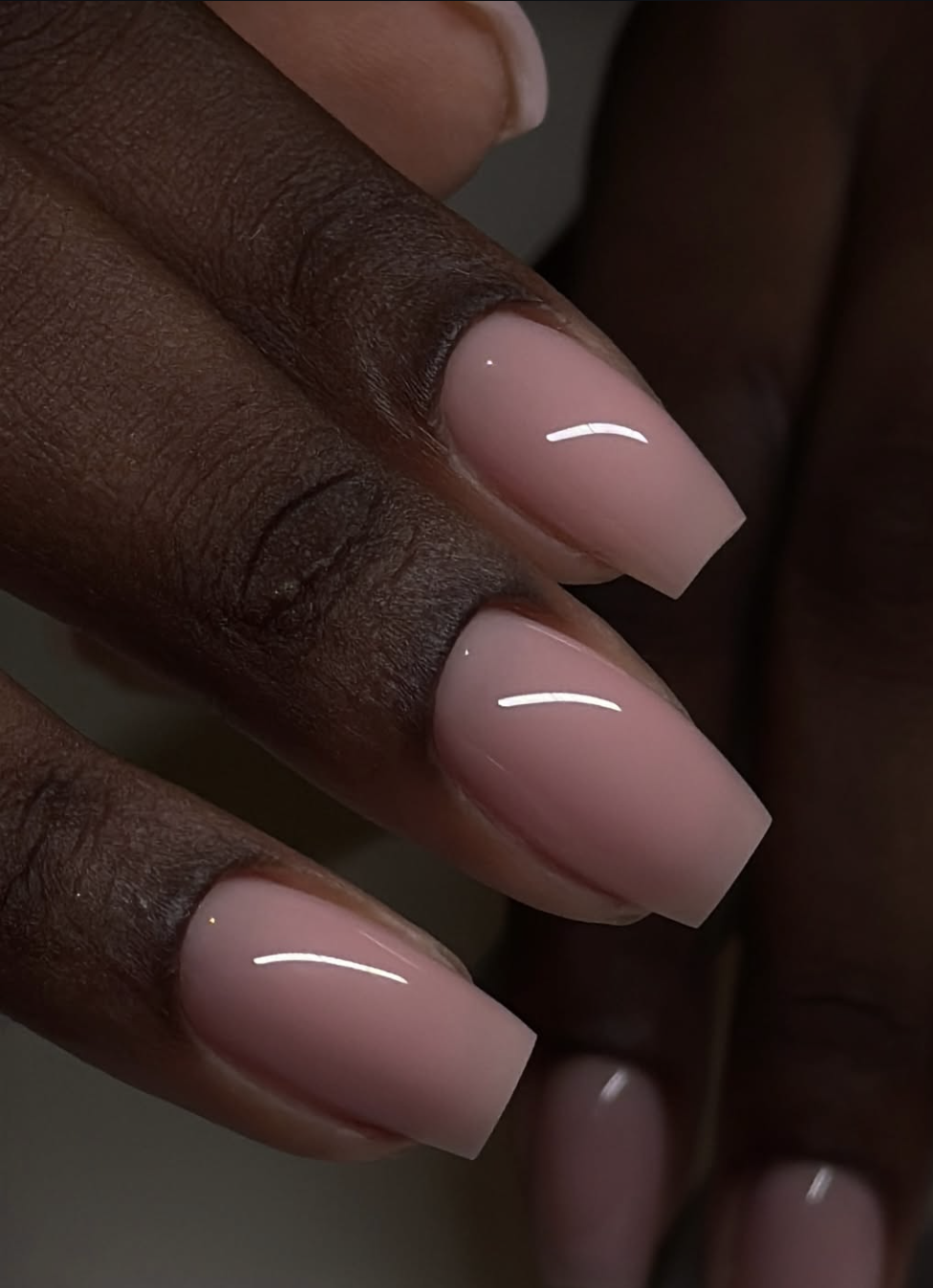
Photo Credit:@jhohannails
I love a nail trend that does not require twelve charms, a celebrity appointment book or the hand stability of a miniature painter. The Italian manicure is exactly that kind of trend. At first glance, it may look like a simple glossy manicure. The difference is hiding at the edges.
Instead of painting polish all the way to both sidewalls, the Italian manicure leaves an extremely narrow sliver of natural nail visible along each side. That negative space creates the optical illusion of a slimmer, more elongated nail plate—especially on short nails.
It is less a specific color or salon service than an application technique. You can use it with deep red, milky nude, espresso brown or another opaque shade. The precision matters more than the polish trend.
Sign Up here To Get More Nail Content Sent To Your inbox
The Italian Manicure Technique, Explained
Picture the painted portion of the nail as a long vertical column. When color reaches the side edges, the eye reads the full width. When the polish stops just short of those edges, the colored column appears narrower and therefore longer.
The gap should be subtle. If the unpainted sides are wide enough to look like missed polish, the illusion disappears. The goal is a hairline of negative space, not racing stripes.
Italian Manicure vs. French Manicure
Despite the country names, the techniques solve different visual problems.
French manicure
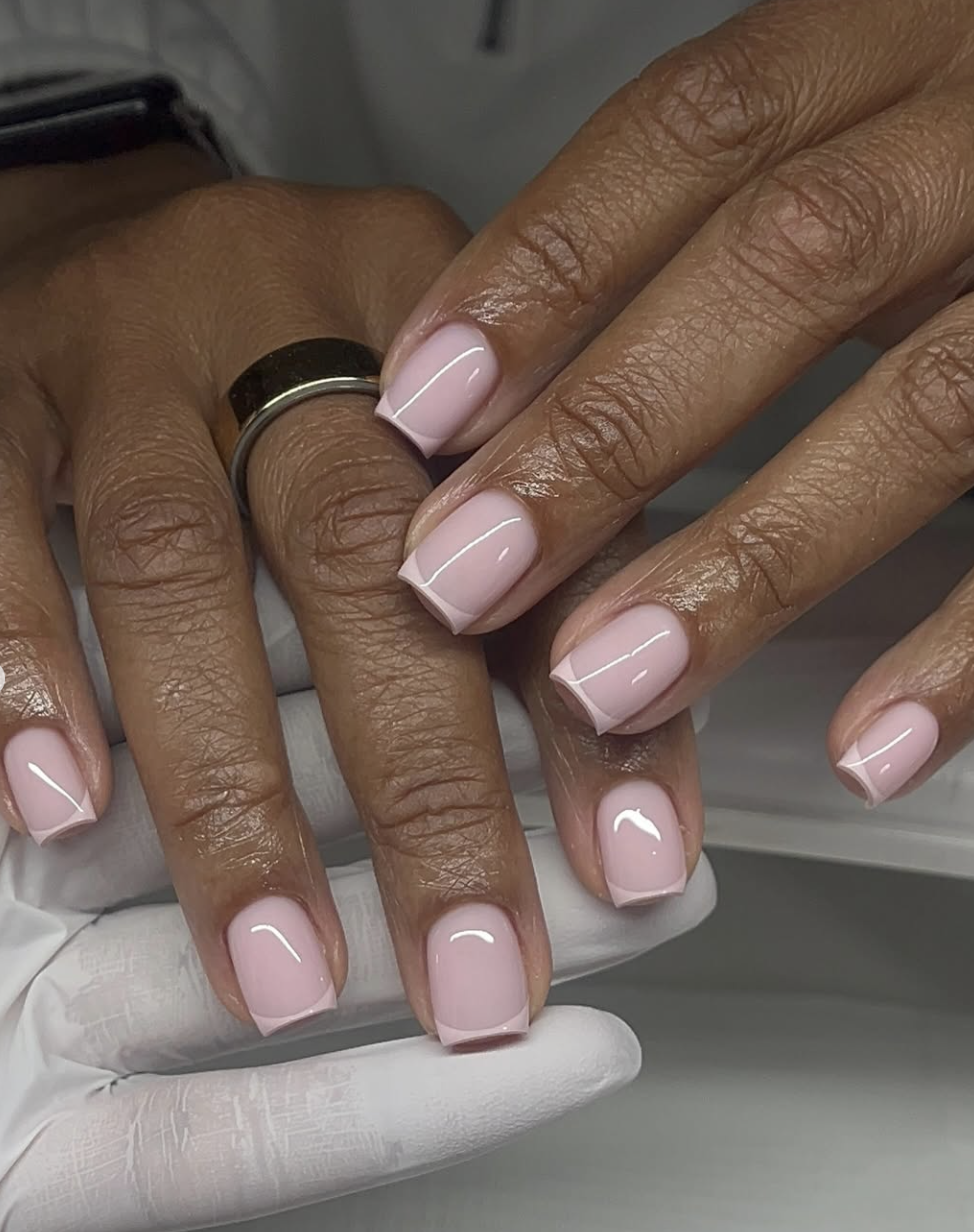
Photo Credit:@theestructurelab
A French manicure emphasizes the free edge with a contrasting tip, usually white over a sheer pink or nude base. The design runs horizontally across the nail.
Italian manicure
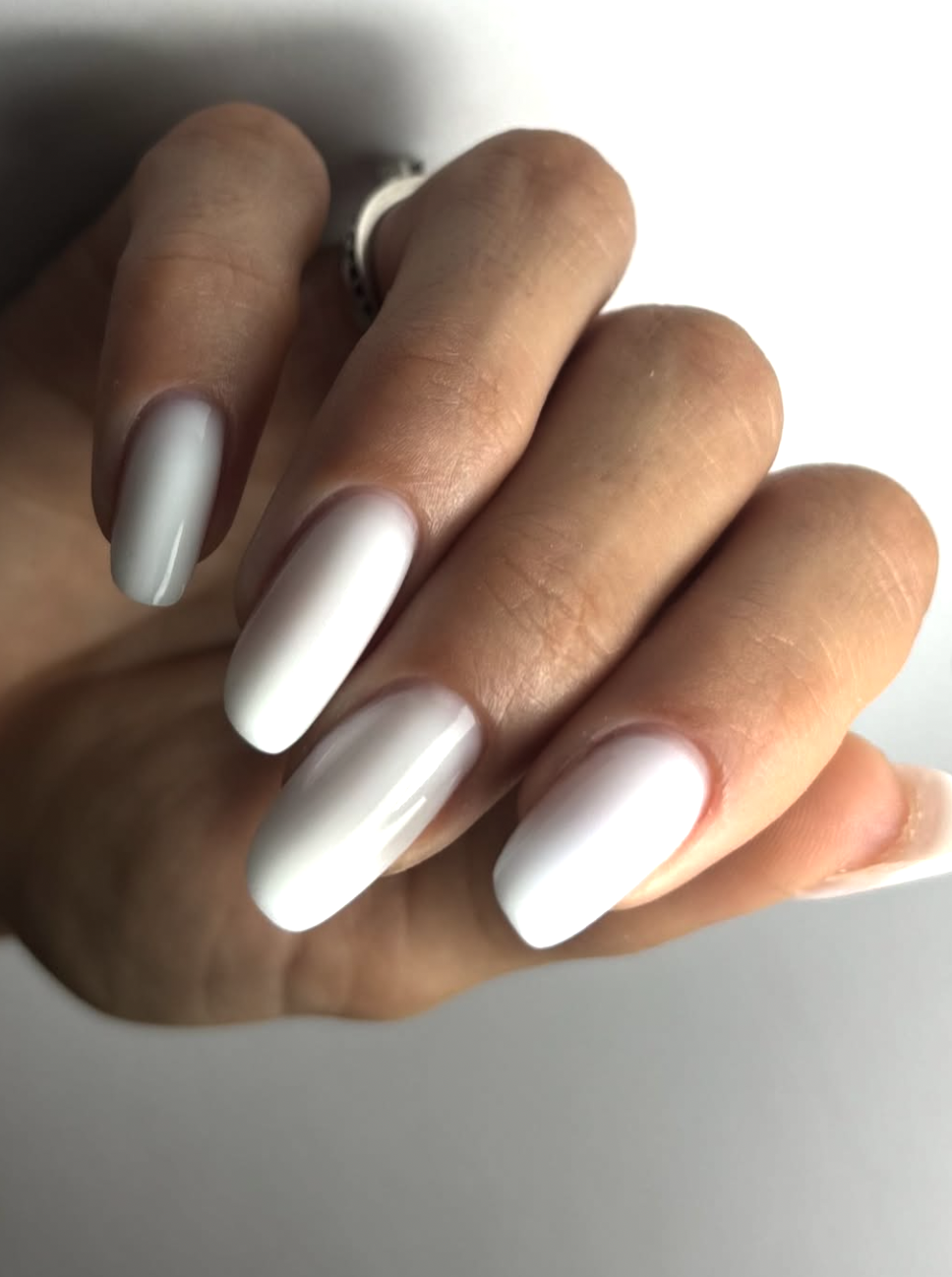
Photo Credit:@fede_nailslab.bergamo
An Italian manicure creates narrow vertical negative space along the sidewalls. The polish can be any color and does not require a contrasting tip.
You can combine them, but the cleanest Italian effect usually comes from one opaque or translucent color applied slightly inside the sides.
Who Is the Italian Manicure Best For?
It is especially effective on:
Short natural nails
Wider nail plates
Square or squoval shapes that need visual length
Anyone who wants an understated manicure with a clever detail
People growing out damage who do not want extensions
Long or naturally narrow nails can wear the technique too, but the optical change may be less dramatic.
How to Do an Italian Manicure at Home
What you need
Nail file
Cuticle pusher
Base coat
Opaque or semi-opaque polish
Thin cleanup brush
Nail polish remover or acetone appropriate for your polish system
Top coat
Step 1: Shape the nails consistently
File every nail to a similar length and choose a soft square, squoval or oval shape. A jagged free edge will draw more attention than the sidewall technique.
Step 2: Prep without over-cutting
Gently push back the cuticle area and remove only loose nonliving skin you can safely address. Do not aggressively cut living tissue for the sake of a cleaner photo. The Italian manicure does not require a Russian-style cuticle service.
Step 3: Apply a thin base coat
Keep layers thin so the final polish sits smoothly. Allow the base to dry according to the product directions.
Step 4: Place the first stripe down the center
Load the brush with enough polish to move smoothly but not flood. Start slightly away from the cuticle, push gently toward it, then pull straight to the tip.
Step 5: Fill each side—almost
Paint toward the left sidewall, stopping just before the edge. Repeat on the right. The remaining gap should be even and extremely narrow.
Step 6: Refine with a cleanup brush
Dip a fine angled brush in remover, blot the excess and sharpen the side lines. Work slowly; too much liquid can dissolve the whole edge.
Step 7: Add a second thin coat
Follow the same narrower path. Do not widen the polish area simply because the first coat is already in place.
Step 8: Seal the surface and free edge
Apply top coat over the painted area and cap the tip. Avoid flooding the negative-space line with thick clear polish if it creates a visible ridge.
Read This Next: I Swapped My $90 Salon Visit for These 6 At-Home Gel Manicure Kits
The Best Colors for an Italian Manicure
Classic red
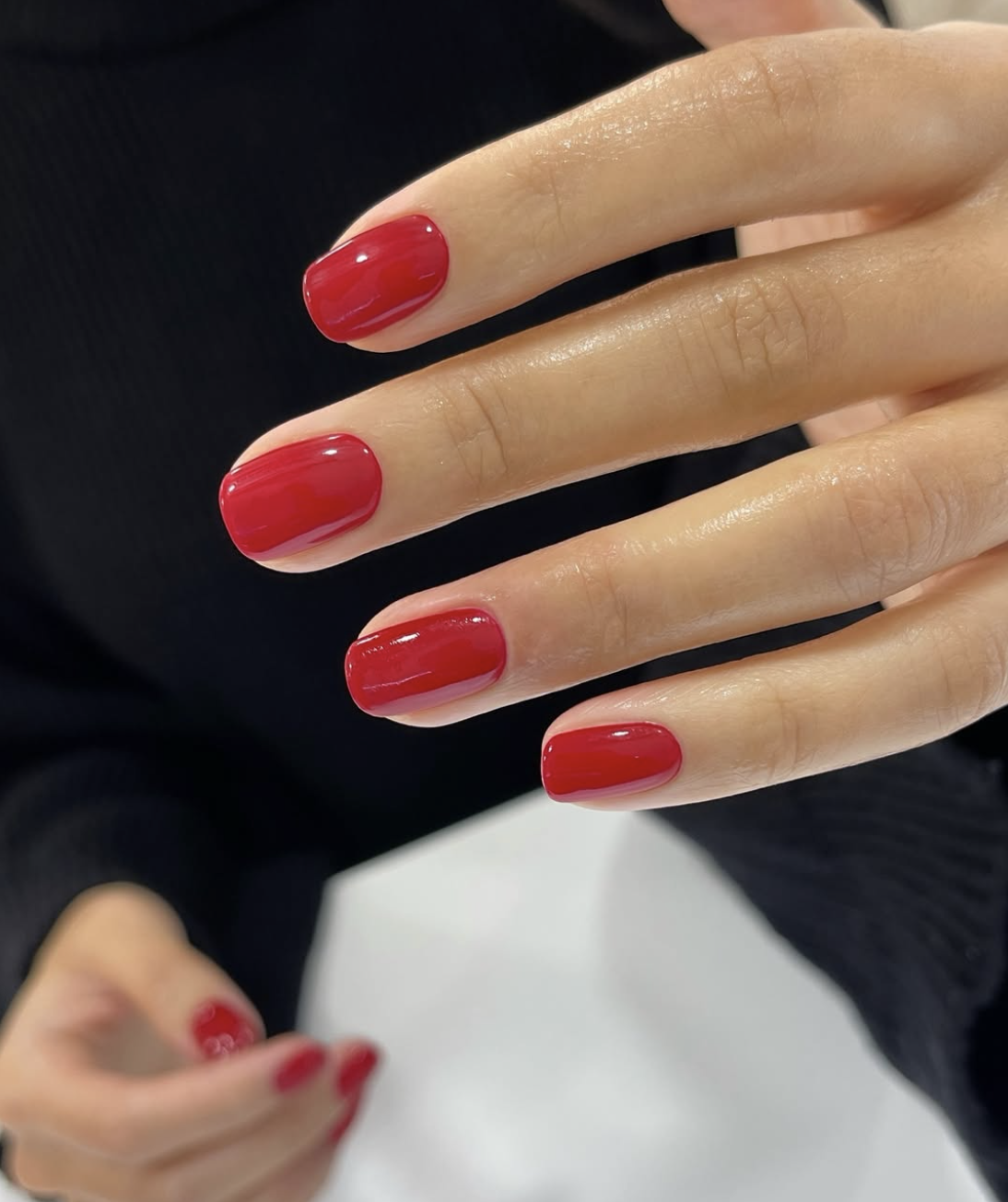
Photo Credit:@saskiafenwick
Opaque red makes the clean side lines obvious and gives the technique an old-school glamour that suits short nails beautifully.
Espresso or chocolate brown
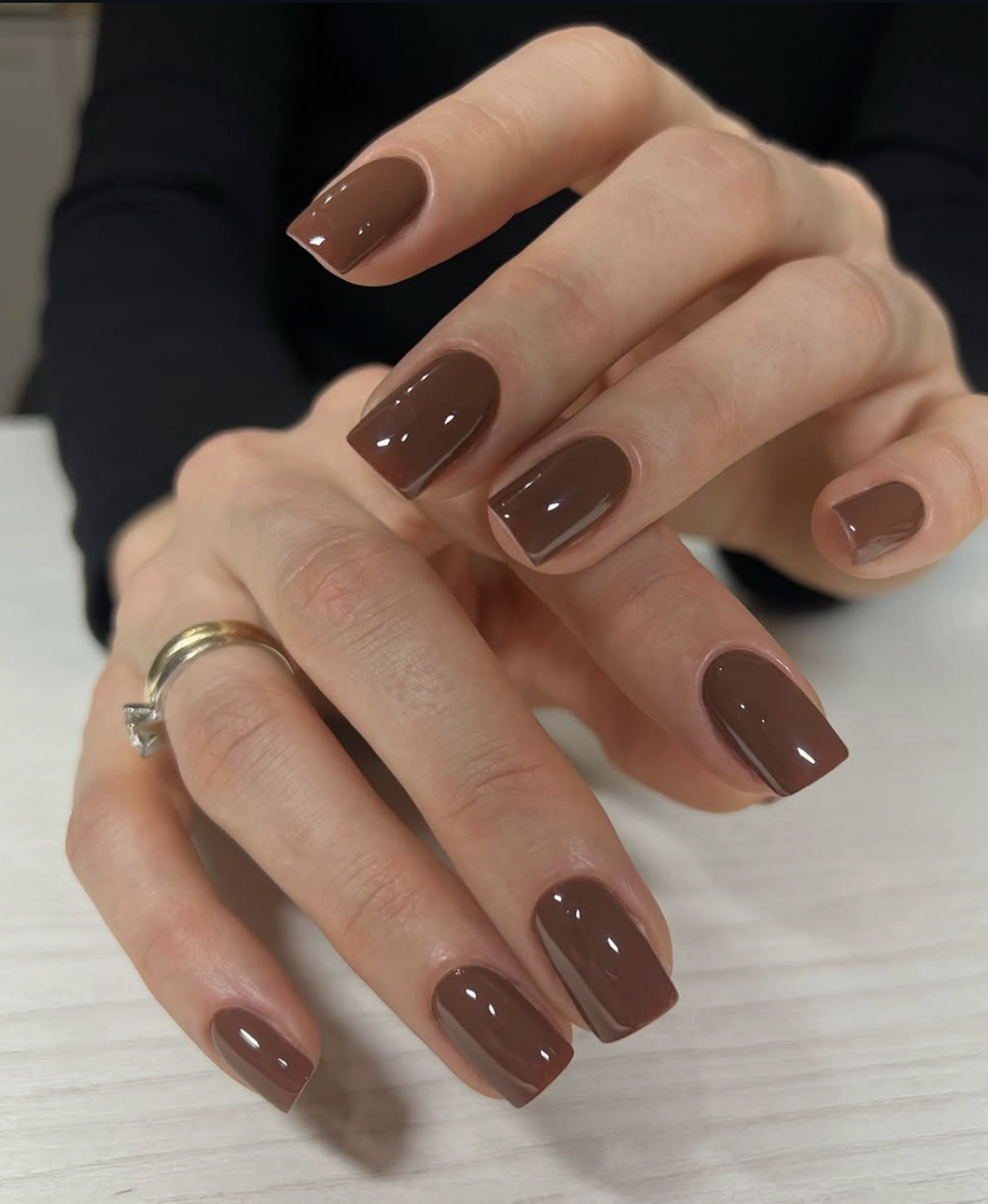
Photo Credit:@saskiafenwick
Deep brown emphasizes the elongated column and transitions easily into fall.
Black cherry
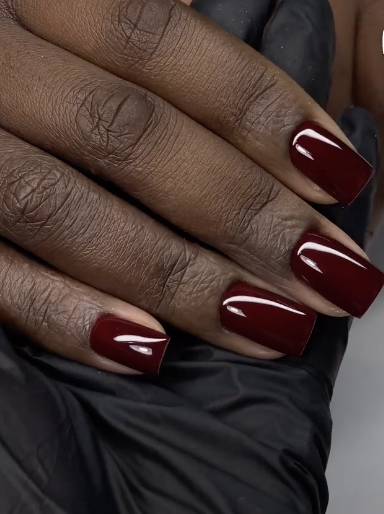
A wine-brown shade looks nearly black in low light and richer in the sun. It is dramatic without nail art.
Milky White
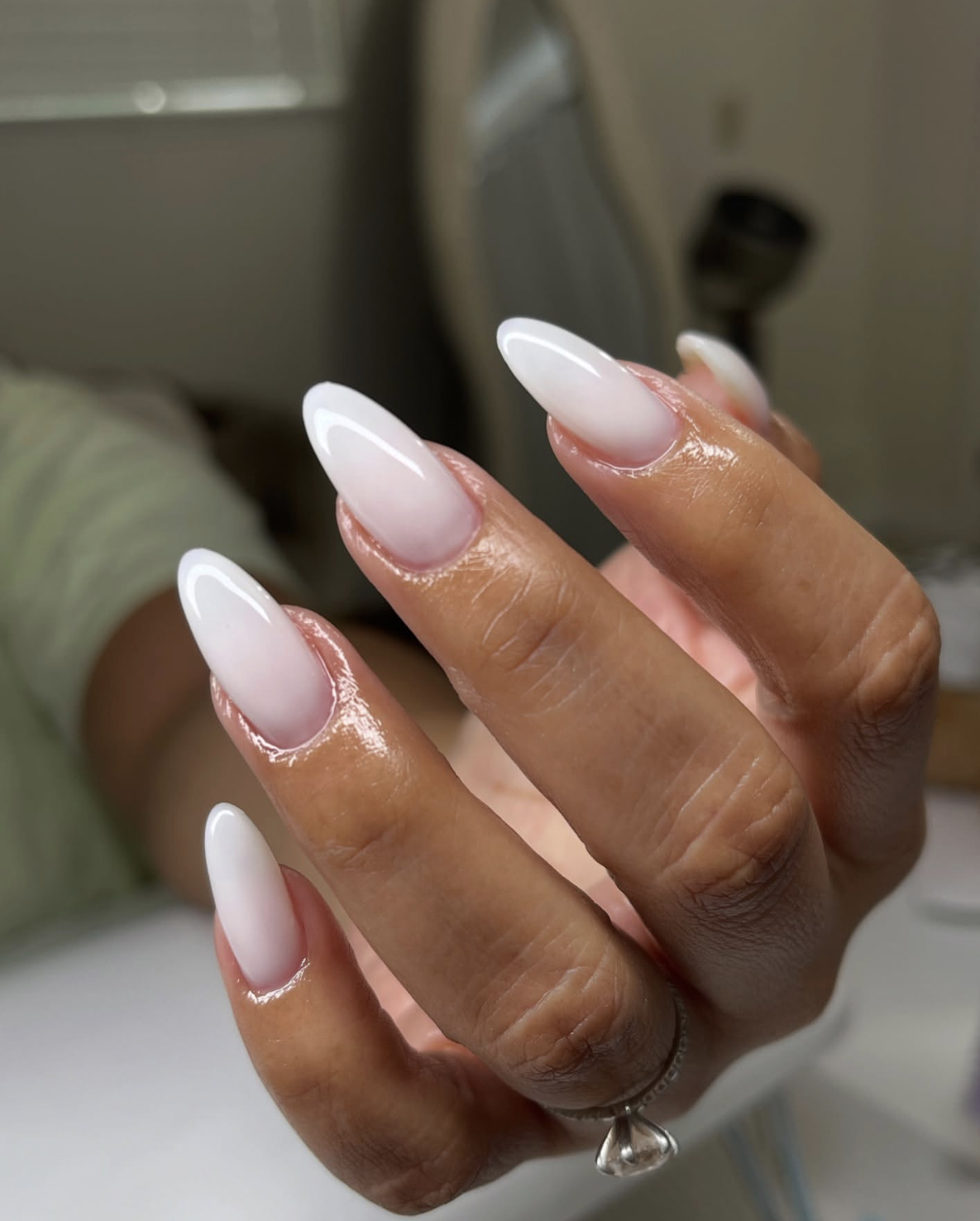
Photo Credit:@scaviar.nails
This creates the quietest version. Because the contrast is lower, the technique looks less graphic but still refined.
Navy
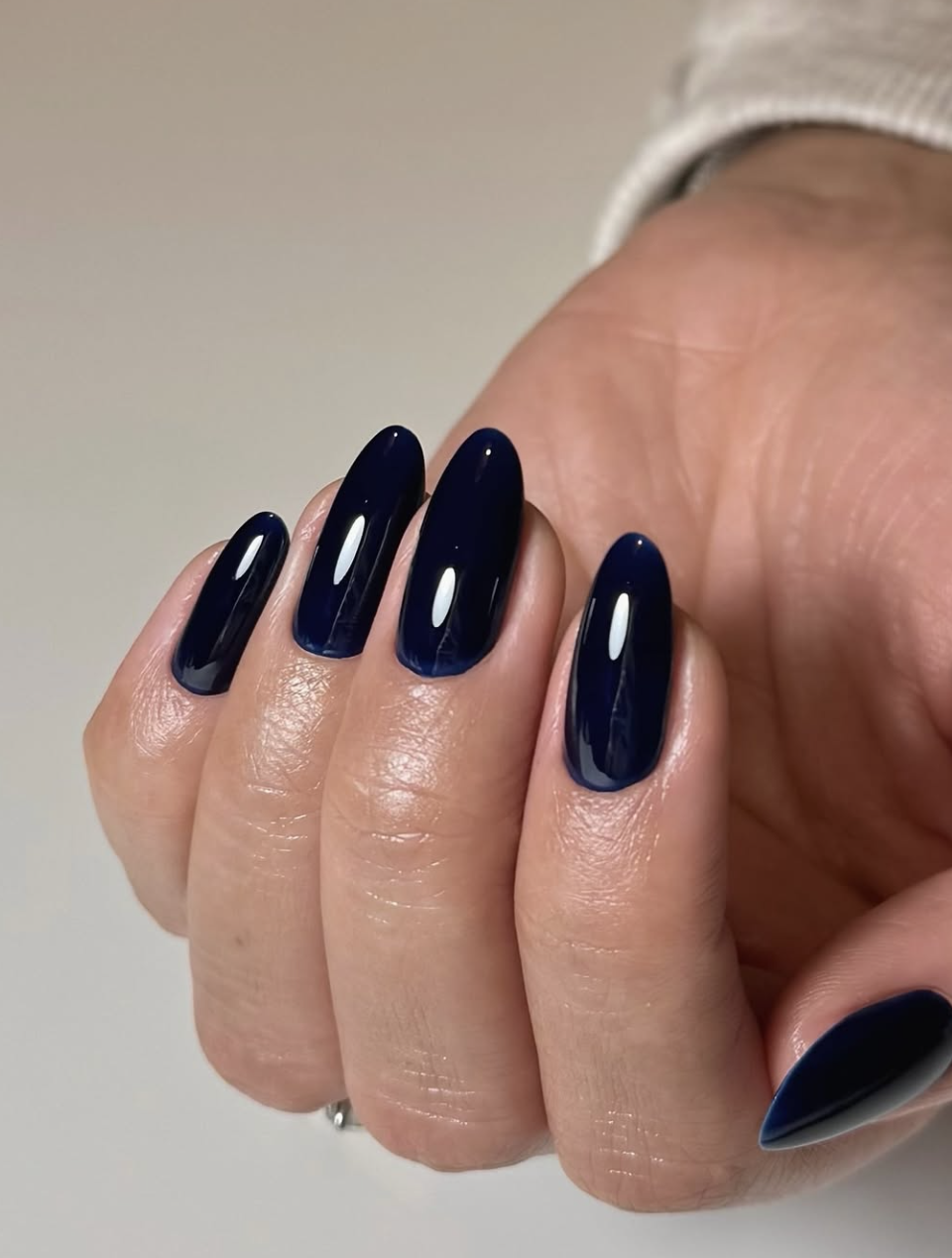
Photo Credit:@kkdnails
Navy offers the definition of a dark shade without defaulting to black.
Sheer pink
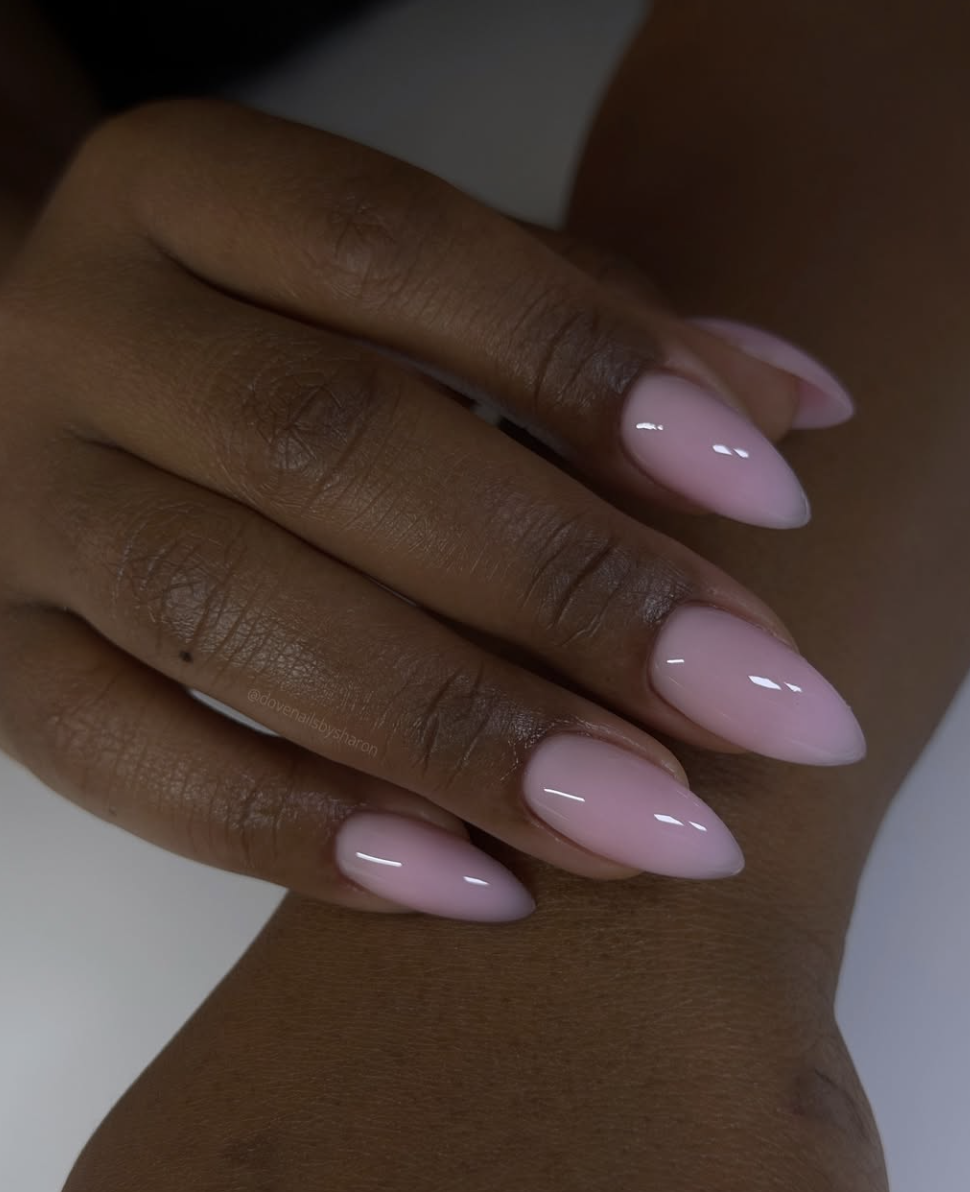
Photo Credit:@dovenailsbysharon
The side gap will be subtle, but the clean, narrow application gives a groomed natural-nail effect.
Can You Do an Italian Manicure With Gel?
Yes. The visual technique can be created with regular polish or gel color. Gel requires proper curing, thin layers and safe removal. If you are not trained to apply and remove gel at home, have a licensed nail professional perform the service.
Ask for: “A short squoval manicure with color painted just inside the sidewalls to make the nail plate look narrower. I want a very fine, even gap—not a wide negative-space stripe.” Bring a reference image because the term is still emerging and may not be familiar in every salon.
What the Italian Manicure Is Not
It is not automatically a dry e-file manicure, a Russian manicure, an Italian-market fruit design or a French tip. Trend names become muddled online, so describe the actual placement you want.
The technique also does not physically change nail shape or growth. It is an optical effect created by color.
How Long Does It Last?
Wear time depends on the polish system, prep and daily habits—not the side gap. Regular polish may show wear within several days, while professionally applied gel usually lasts longer. Oil the surrounding skin, wear gloves for prolonged water exposure and avoid using nails as tools.
Is the Italian Manicure Worth Trying?
Yes, especially if you love short nails but occasionally wish they looked more elongated. It is subtle enough for work, inexpensive to recreate and compatible with colors you already own.
The best trends make you look at a familiar routine differently. This one asks for only a millimeter of restraint—and somehow changes the whole manicure.
Frequently Asked Questions
Does an Italian manicure make nails longer?
No. It makes the painted area look narrower and more elongated by leaving a fine line of natural nail visible at the sides.
Is an Italian manicure good for very short nails?
Yes. Short nails are where the optical effect can be most useful because the technique emphasizes vertical length without extensions.
What nail shape works best?
Squoval, soft square and oval shapes all work. Consistent shaping and even side gaps matter more than choosing one mandatory silhouette.
Can I combine it with a French tip?
You can, but a horizontal tip may compete with the vertical lengthening effect. A very thin micro-French is the most compatible version.
You May Also Like:
2026 Fall Nail Trends: 15 Colors and Designs You’ll See Everywhere
20 Chocolate-Brown Nail Ideas That Feel Made for Fall
17 Short Nail Ideas That Prove You Don’t Need Length for a Cute Manicure
✦ Creator images used for editorial purposes only. All rights belong to their respective creators. We always link and give credit.
✦ Check Out Our Men's Site
Trending on MensOutfitsDaily