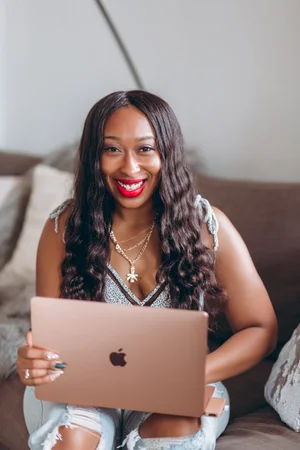
What To Wear To A Speaking Engagement
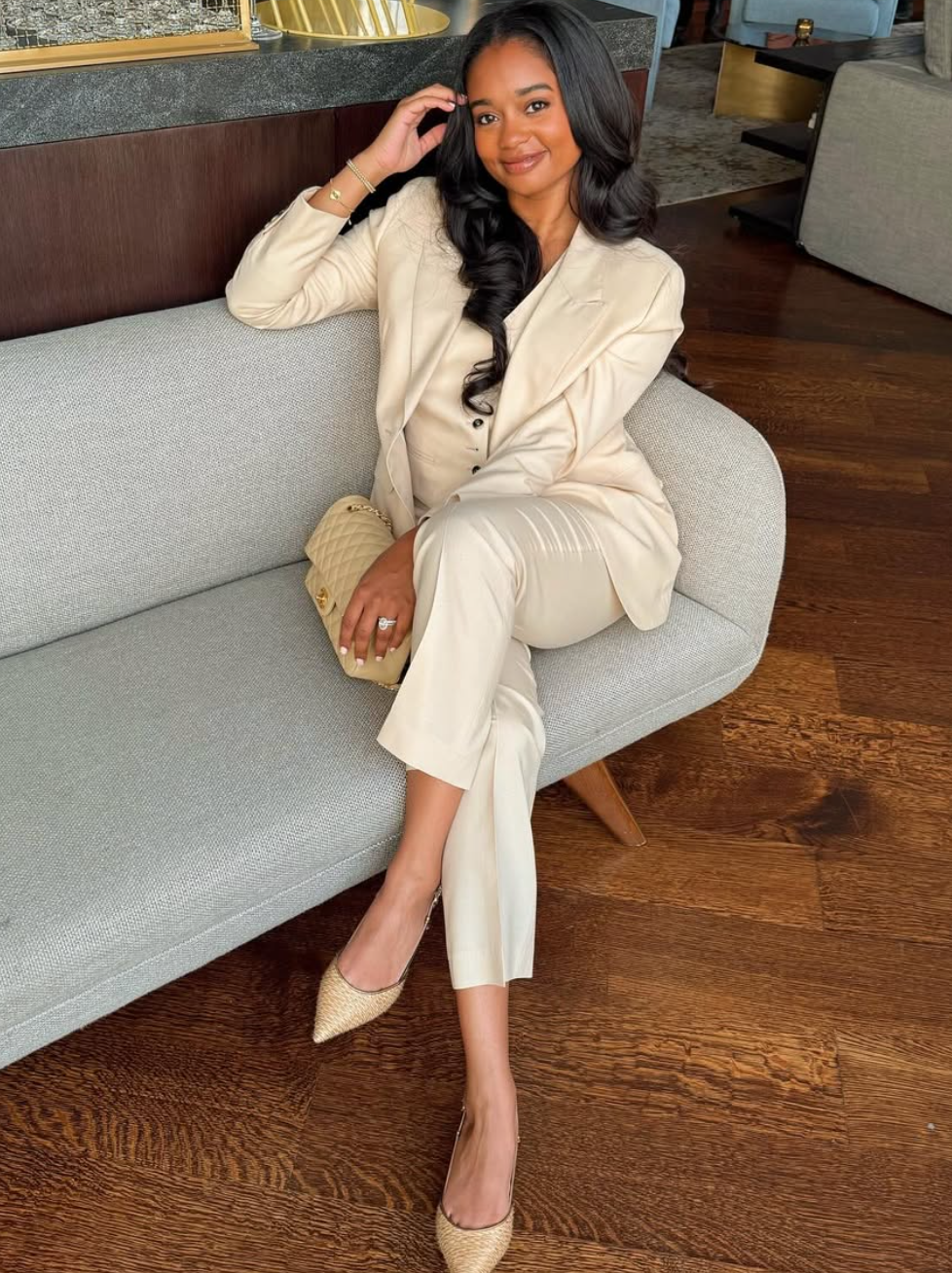
Photo Credit:@akilahreleford
Let’s be honest—public speaking is already nerve-wracking. The last thing you want is to feel uncomfortable in your outfit while trying to remember your opening line. We’ve all been there: standing in front of a room (or a Zoom camera), tugging at a sleeve that feels off, adjusting pants that keep bunching, wondering if your outfit is doing you justice—or distracting from your message.
When you’re the one with the mic, how you feel in your clothes matters just as much as how you sound. Because before you even say a word, your outfit already said something.
This guide isn’t about dressing to impress other people—it’s about getting dressed in a way that helps you feel steady, sharp, and self-assured. It’s not about heels you can’t walk in or wearing a blazer just because someone said you should. It’s about building outfits that support the version of you that’s showing up to speak, lead, teach, or share.
Modest, minimal, bold, bright—there’s no one-size-fits-all formula. But there are tricks to choosing pieces that help you own the room (without losing yourself in the process). Whether you’re giving a toast, leading a workshop, or stepping on stage for the first time, we’ve got you.
Need work outfit ideas? Get a free 30-day work outfit calendar sent straight to your inbox!
Check out our complete Style & Career Series
How to Wear Jeans To Work and Look Stylish And Professional
What To Wear To A Business Casual Event
What To Wear To A Job Interview
What To Wear To A Networking Even
8 Casual Office Outfits To Wear On Repeat
What To wear For A Corporate Headshot
The Psychology of Style and Confidence
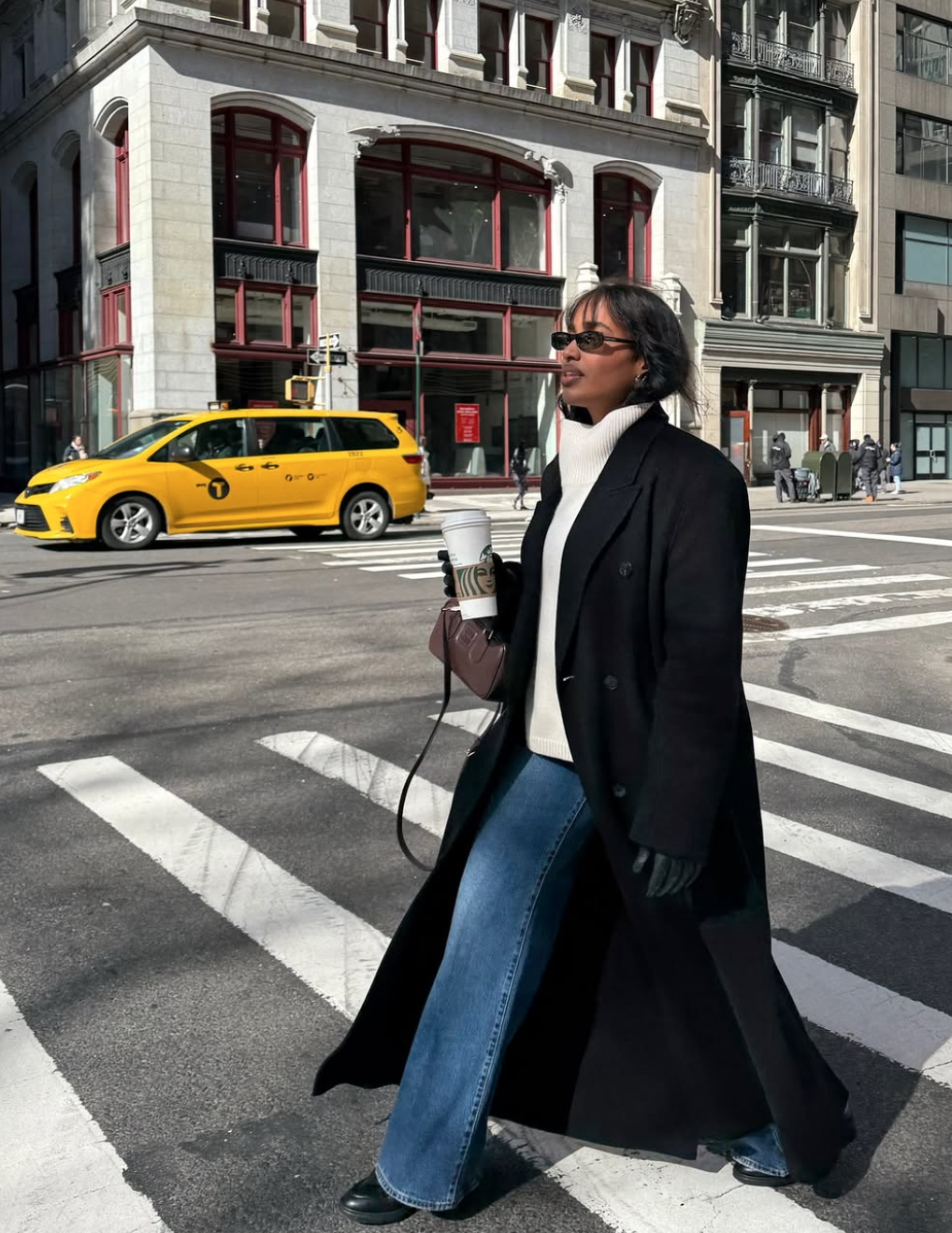
Photo Credit:@jennybvby
There’s this myth that confidence comes from within—and while yes, internal self-assurance matters, what you wear plays a huge role in how that confidence shows up externally. Especially when you’re standing in front of a crowd with all eyes on you.
Think about it, how many times have you felt like the most you version of yourself in an outfit that just hit right? The fit, the fabric, the way it moved when you did—there’s science behind that boost.
Clothes Aren’t Just Fabric. They’re Armor.
In psychology, there’s a term called “enclothed cognition.” It means the clothes you wear can actually influence your performance and mindset. Studies have shown that people wearing lab coats performed better on tests when they believed they were dressed like a doctor. That power? It translates to public speaking too.
When you wear something that makes you feel competent, you’re more likely to show up that way.
Read This Next: 20 Work Outfit Ideas That Look Polished (But Feel Like Loungewear)

Photo Credit:@kimberlybizu
Confidence Blockers We Don’t Always Think About
These are the little things that chip away at your presence:
Pulling at sleeves mid-sentence
Fidgeting with pants that ride up
Worrying if your blouse is see-through under stage lights
Overheating because you wore the “right” outfit instead of the comfortable one
How To Choose Clothes That Make You Feel Confident
Before you think about style, think about function. Ask yourself:
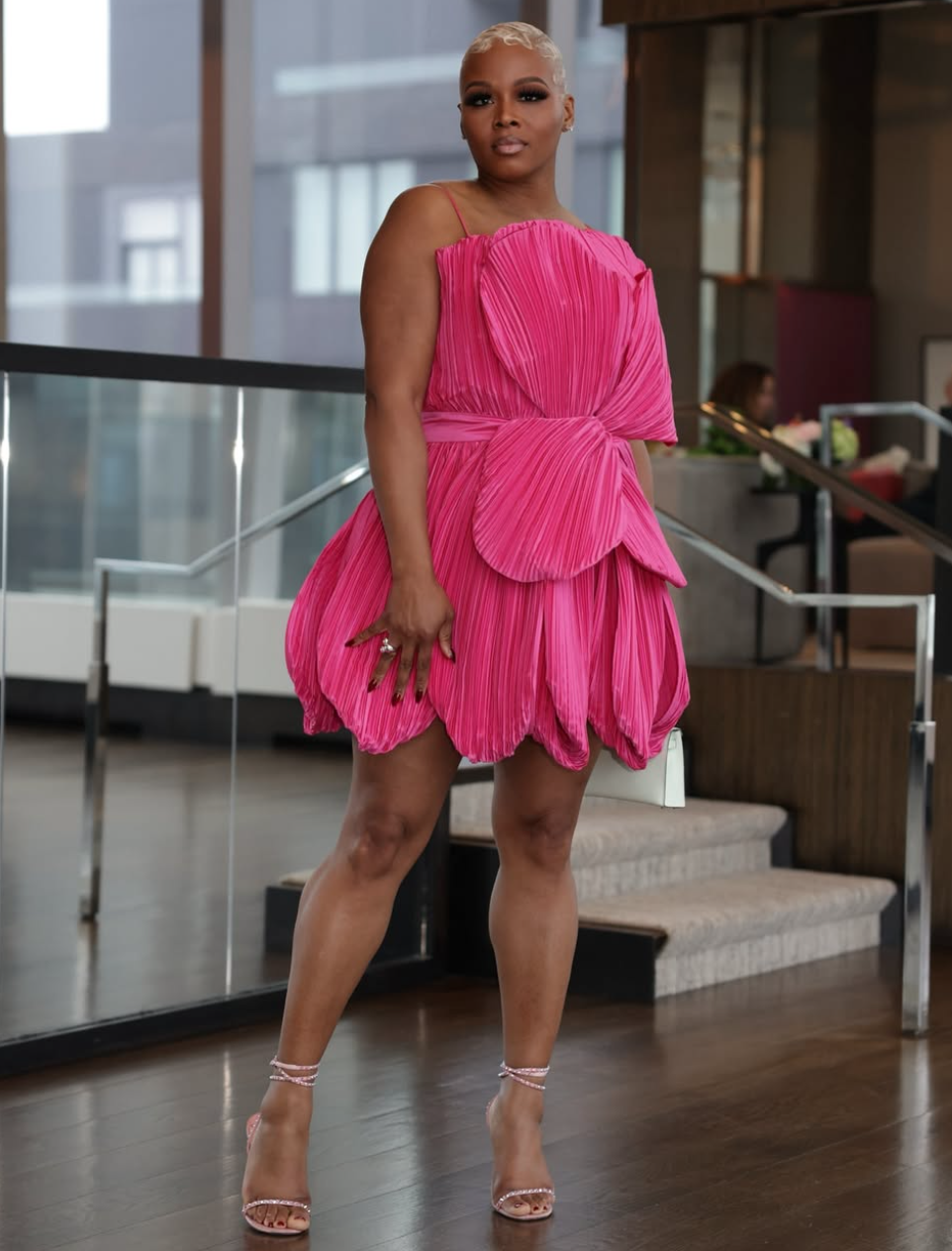
Photo Credit:@clairesulmers
Can I move freely in this?
Will this wrinkle easily before I even arrive?
Am I constantly thinking about what’s showing or not showing?
Does this make me feel like a version of myself I respect?
Once you’ve cleared those checks, then we can talk style.
Choose tones that energize you. This doesn’t mean neon—blues, reds, emeralds, or even camel can read powerful depending on the tone.
Not too tight, not too baggy. A tailored blazer or a well-cut midi dress makes a difference.
Rich fabrics like crepe, ponte, or matte satin look elevated without being fussy.
It’s a challenge to be confident in uncomfortable shoes.
Matching Your Outfit to the Speaking Engagement

Photo Credit:@exquisitemo
Here’s the thing—what you wear to a keynote stage isn’t the same thing you’d throw on for a team huddle or a Zoom presentation. And honestly, it shouldn’t be. Different settings call for different vibes, and knowing how to dress for each one? That’s how you show up already winning.
Let’s start with the big one, the keynote. When you’re center stage, lights on you, audience hanging on your every word—you need an outfit that commands attention without yelling. A structured midi dress in a bold color or a tailored pantsuit with sharp lines does exactly that. It tells the room: I’ve got this. Pair it with clean shoes (no sky-high heels needed) and maybe one statement accessory—something that feels like you, but just elevated enough for the spotlight.
Now if you’re running a workshop—something more intimate, interactive—you still want to look polished, but approachable. Think comfort that doesn’t read as casual. Pull-on trousers that feel like sweatpants (but don’t look it), and a structured top you can move in without fussing. You’re on your feet, guiding people, writing on whiteboards, maybe even doing a little creative chaos. You need clothes that keep up.
Virtual presentations are a different game entirely. It’s all about the waist up. Your face, your voice, and that top you chose are doing all the heavy lifting. Jewel tones show up beautifully on camera, and structured collars or standout earrings help frame your face so you look sharp even on a blurry webcam. And yes—while leggings are fair game below the desk, just make sure you’re not caught off guard if you have to stand up mid-call.
Then there’s panel discussions. You’re one of a few speakers, not the only one—but you still want to leave a lasting impression. A polished matching set, wide-leg pants with a cropped jacket, or anything that looks effortless but thought-through works well here. You’re not stealing the spotlight, but you’re not fading into the background either.
And finally, those internal team meetings or low-key presentations? These are the sneaky ones. They seem casual, but they’re the perfect chance to show leadership through style. Jeans (if your workplace allows) with a sleek blazer, tonal outfits in calming shades, or a simple white tee upgraded with smart accessories all send the message that you’re someone who brings clarity—and good taste—to the table.
Different rooms. Different vibes. But always the same question: what makes you feel powerful, capable, and you? That’s the outfit you go with.
Why Style Affects Confidence (and No, It’s Not Just About Vanity)
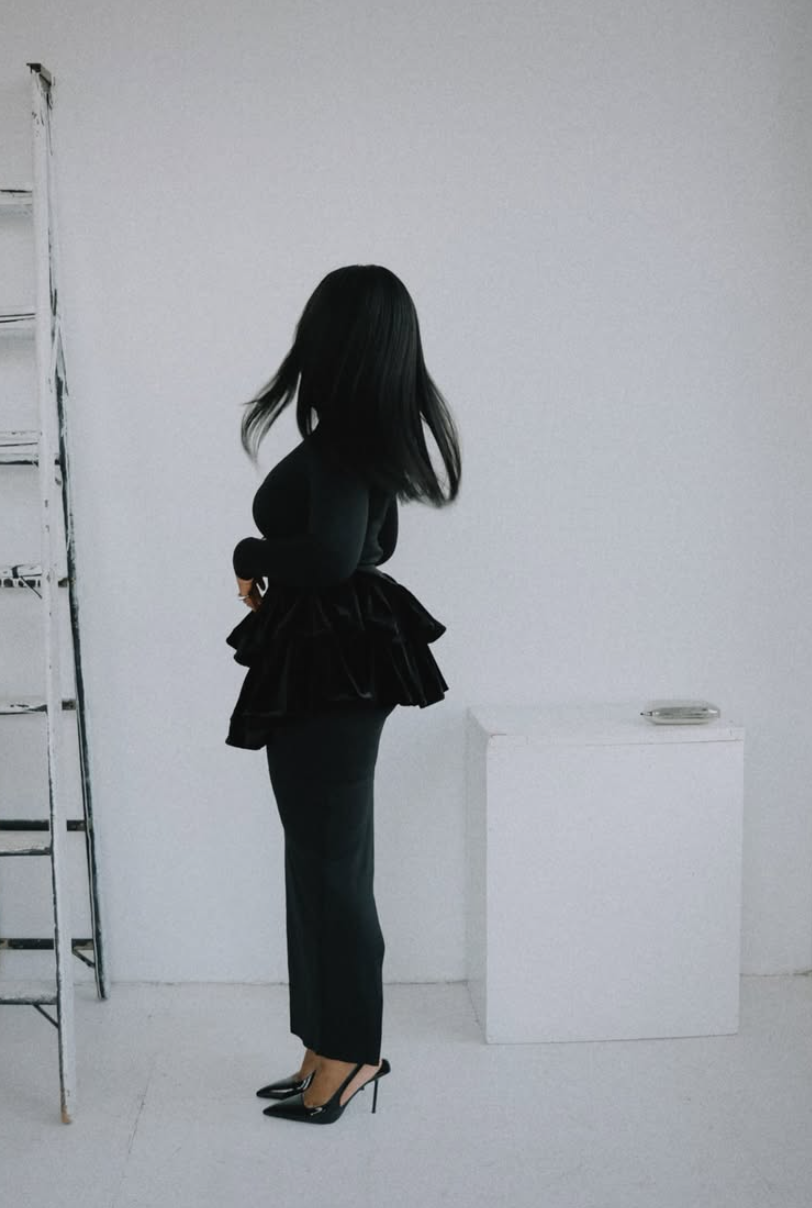
Photo Credit:@aysha.sow
Let’s get this out of the way: caring about what you wear doesn’t mean you’re superficial. It means you understand the psychology of presence.
Style isn’t just fabric and buttons—it’s the way you carry yourself when you know your outfit is doing some of the talking for you. You walk differently when you’re in something that fits right, that mirrors how you want to be seen. And when you’re speaking publicly—whether it’s to a room of 10 or 1,000—that matters more than most people admit.
Think about it. You’ve got butterflies in your stomach, maybe your hands are a little clammy, and your voice is still trying to find its rhythm. But you’re standing in front of everyone wearing an outfit that says, I’m ready. Something that fits like a glove, moves when you move, and makes you feel like the version of yourself who doesn’t flinch under pressure.
That’s not vanity. That’s strategy.
When you dress with intention, you’re not just prepping for the event—you’re building a buffer between you and those what-if nerves. Your clothes become your armor. Not stiff or stuffy, but empowering. You’re not hiding behind your outfit, you’re rising up in it.
And confidence isn’t always loud. Sometimes it’s a perfectly chosen neckline. A favorite pair of shoes. A color that makes your skin glow on stage. It’s those small things that help your inner calm catch up to your outer presence.
So no, style isn’t the most important thing when it comes to public speaking. But it is one of the tools you can use to show up fully—and leave an impression that lingers long after your mic is off.
What to Wear When You’re the One Holding the Mic
There’s a difference between being at an event and leading it. When you’re the speaker—whether you’re on a panel, giving a keynote, or hosting a workshop—your outfit does a lot more than get you through the door. It sets the tone before you say a word.
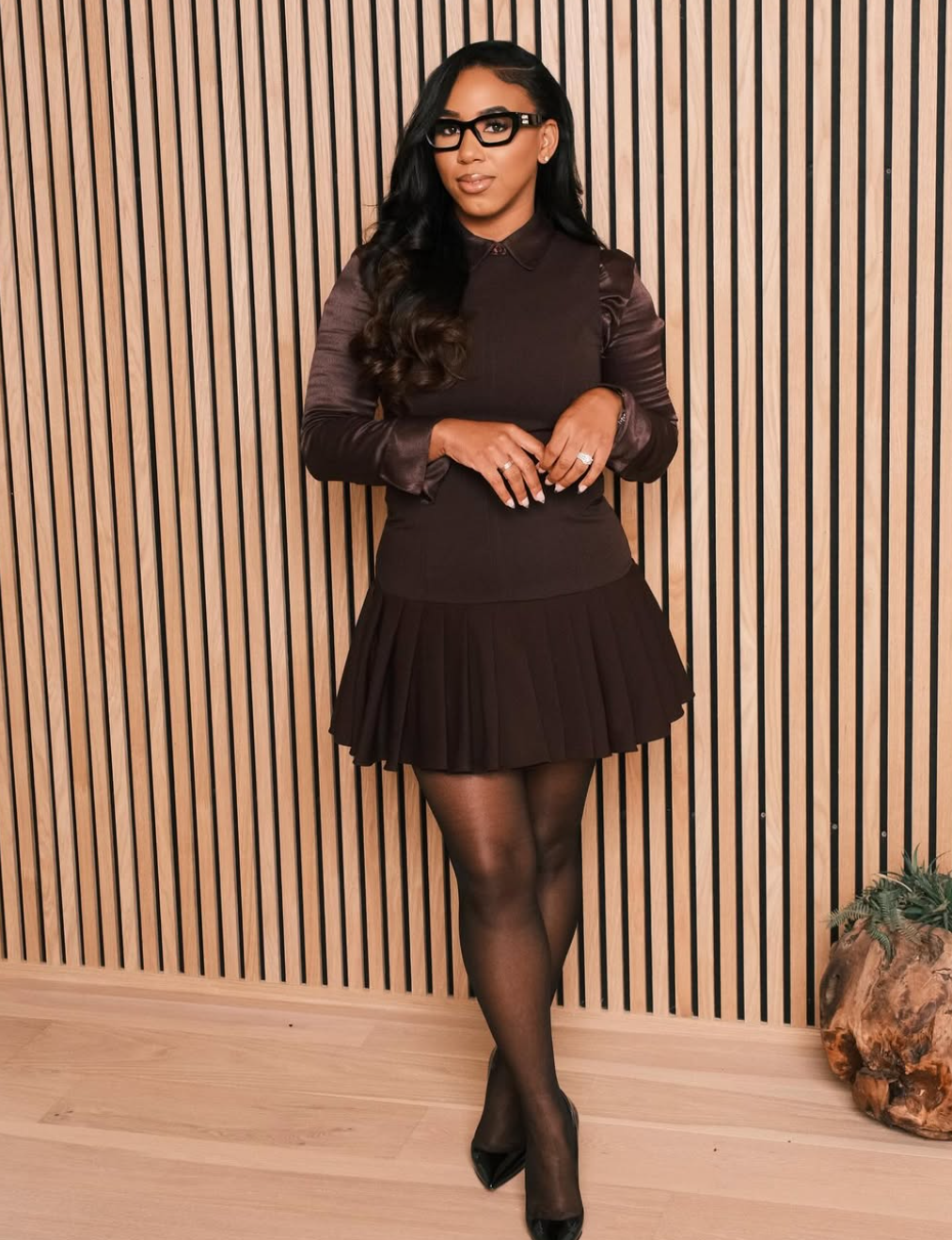
Photo Credit:@zandiaoliver
This isn’t about dressing “professionally” just for the sake of it. It’s about feeling like you belong at the front of the room. And the truth is, different speaking engagements call for different energy. Here’s how to get your outfit to match your moment:
A big conference or panel?
You need an outfit with presence. Structured blazers, wide-leg trousers, elevated dresses—these are the pieces that say, “I’m confident, and I’ve done this before,” even if your hands are sweating behind the podium.
A more casual workshop or meetup?
Think polished but approachable. Try soft tailoring, elevated knits, or a monochrome outfit with one fun detail (think: bold earrings or patterned shoes). You’re the expert and the vibe-setter.
A virtual event?
Yes, pants still matter—even if no one sees them. But this is where necklines, earrings, and colors shine. Jewel tones, breathable fabrics, and necklines that don’t shift while you talk are your best friend. You want to look put together, not like you’re fidgeting with your outfit every five seconds.
The key here is this: your outfit shouldn’t be a distraction. Not to you. Not to the audience. You want to feel secure, grounded, and like yourself—on your best day.
Small Styling Moves That Make a Big Difference
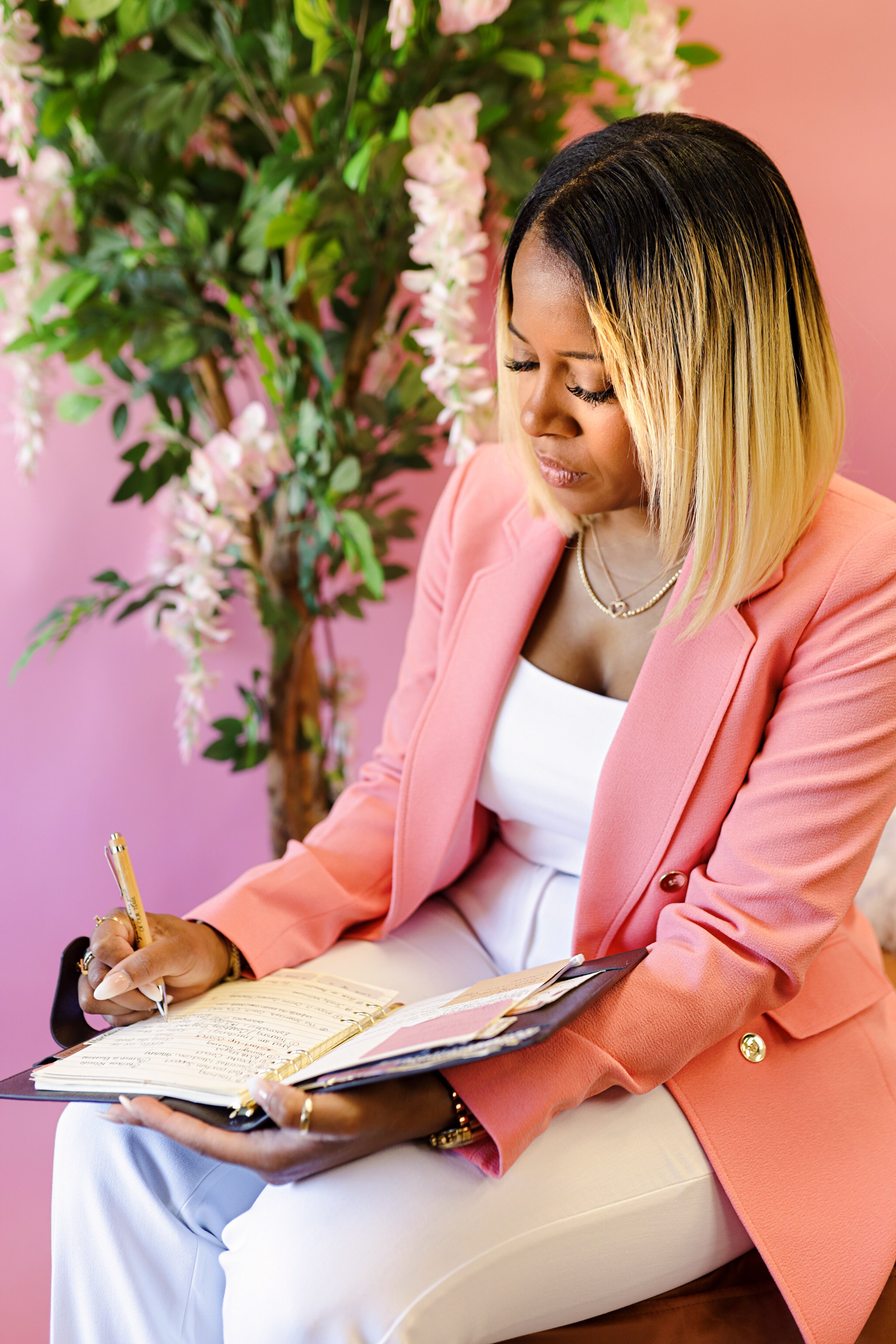
Photo Credit:Tonette Whitted
Confidence isn’t just about what you say—it’s in the little details of how you show up. And when it comes to public speaking, even the tiniest outfit choices can shape how you carry yourself (and how the audience sees you).
This isn’t about following fashion rules—it’s about knowing what works for you. Here are a few tweaks that go a long way:
Add structure. A blazer or a shirt with real shape can work wonders. It instantly makes you look more pulled together—even over something as simple as a tank or tee. If you tend to slouch when you’re nervous, the right jacket will literally help straighten your posture.
Pick colors with intention. Wearing black isn’t always the power move it’s made out to be. Deep reds, rich blues, or soft neutrals often photograph better and feel less harsh. If you’re on stage or camera, bold but non-distracting tones win every time.
Mind your neckline. This isn’t about modesty—it’s about movement. Low-cut necklines can shift as you speak, which may leave you adjusting mid-sentence. High necklines or square cuts tend to stay put and keep the focus on your words, not your outfit.
Choose shoes that hold you up—literally. No one gives their best talk in heels they can’t walk in. If you’re wearing something with height, make sure you’ve worn them before. If flats are your go-to, choose a sleek pair that still makes you feel “dressed.” A little confidence in your step goes a long way.
Don’t forget the one thing rule. Before you walk out the door, pick one statement element—whether it’s a pop of color, a standout accessory, or an amazing fit. Let that be the thing that makes you feel like you. When your outfit feels aligned with your personality, your confidence follows.
Avoiding the “Why Did I Wear That?” Spiral
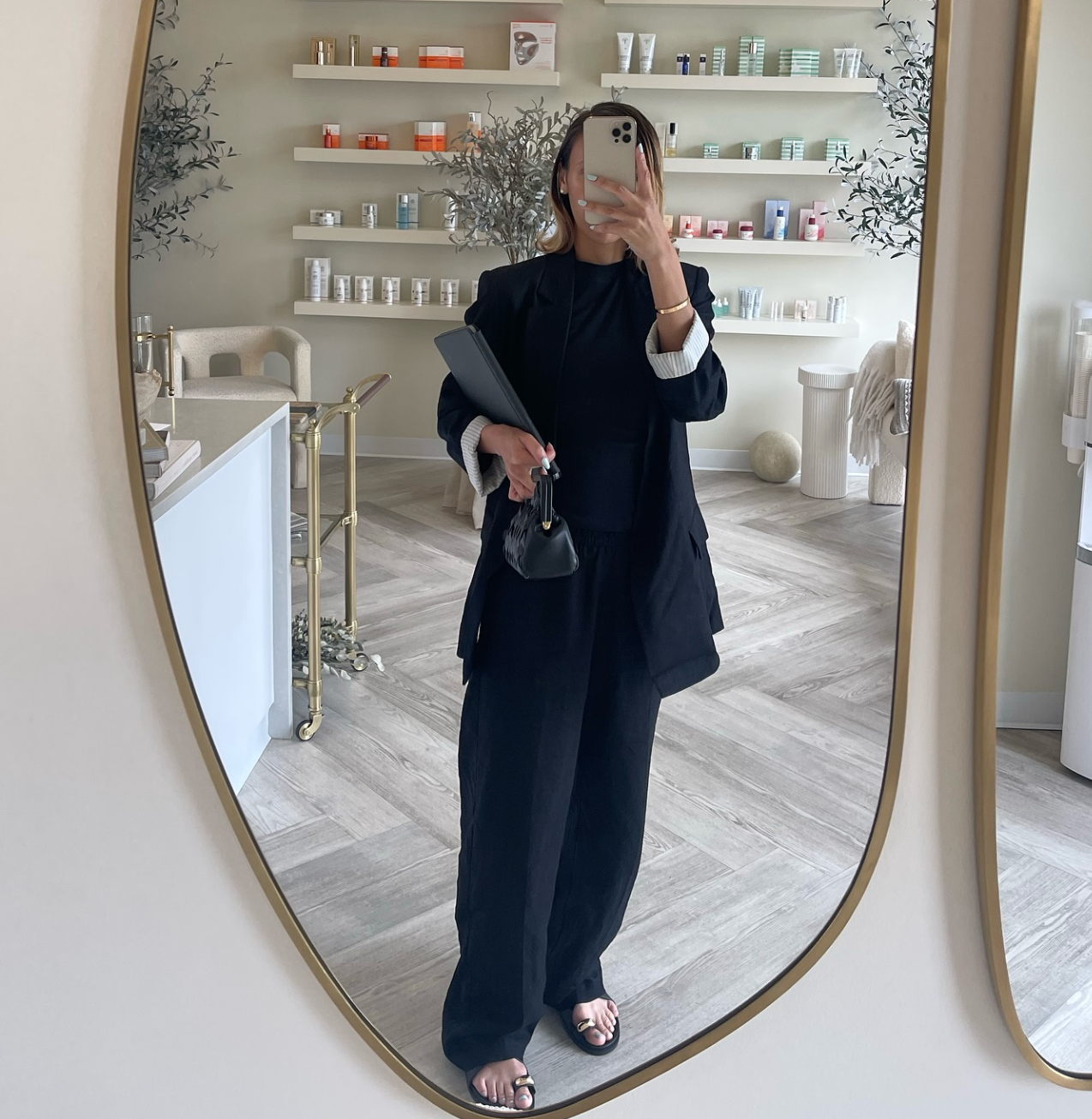
Photo Credit:@fongwooo
You know the feeling. The event is over, the applause has quieted, and suddenly you’re replaying everything—from your opening line to the fact that your pants were definitely too tight.
Style regret is real, especially when nerves are involved. And most of the time, it doesn’t come from what you wore—it comes from how you felt in what you wore.
Here’s how to avoid that post-event spiral:
Don’t wear something brand new. We know—it’s tempting. A fresh outfit feels exciting. But unless you’ve tested it out beforehand, it might surprise you in the worst way. Does the fabric wrinkle after one sit-down? Do the pants ride up when you walk? That stuff matters.
Try it on the day before—not the morning of. This gives you time to tweak things, swap accessories, or ditch the outfit entirely if it’s not vibing. Bonus points if you do a mini dress rehearsal—stand in front of a mirror, do a few gestures, pretend you’re giving your opening. You’ll learn a lot.
Trust your discomfort. If something feels “off” while getting dressed, that feeling won’t magically disappear once you’re on stage. In fact, it’ll likely amplify. Trust your gut before you even walk out the door.
Have a backup ready. Sometimes, the vibe changes last-minute. Maybe it’s hotter than expected. Maybe you’re just not feeling that bold blazer. Having a backup outfit you already love is a confidence-saving move.
At the end of the day, the goal isn’t to look perfect—it’s to feel ready. And that starts with an outfit you don’t second-guess.
The Outfit Is Just the Start
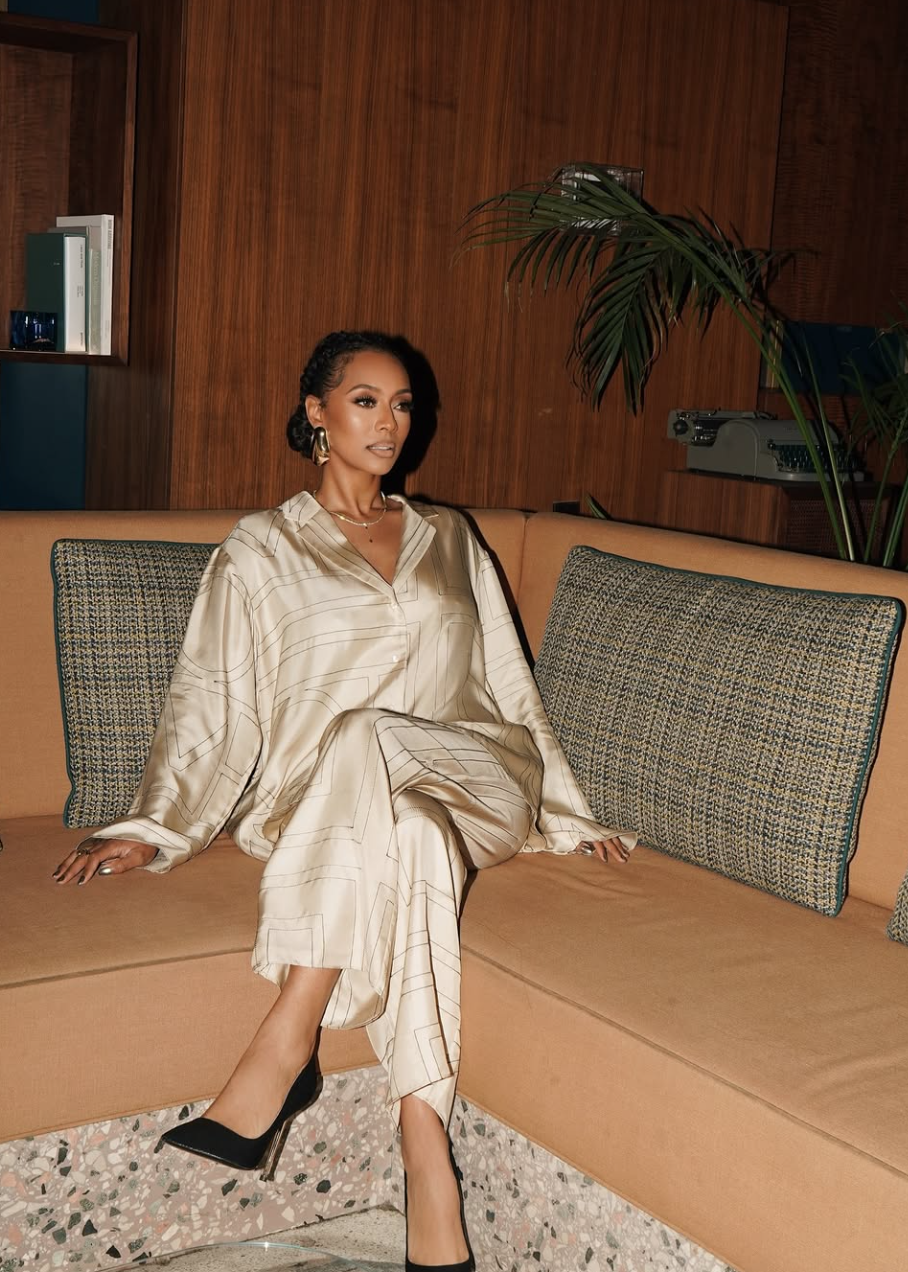
Photo Credit:@kerihilson
Let’s be honest—what you wear won’t write your speech, control your nerves, or magically make a mic work. But it will set the tone. It can either distract you or empower you. And if you’ve ever spent a whole meeting adjusting your top or wishing you wore different shoes, then you already know how powerful clothing can be.
So no, the right outfit won’t do the talking for you—but it will help you stand taller while you do it.
Whether it’s a bold blazer that makes you feel like the boss, or a sleek black dress that lets your words take center stage, confidence is in the details. Start with pieces that fit your body, your lifestyle, and your personal style—and let the rest follow.
And remember: The most powerful thing in the room isn’t your outfit. It’s you in it.
Want more real-world style tips?
Check out our full Style & Career Series for outfit strategies that actually work in real life.
✦ Creator images used for editorial purposes only. All rights belong to their respective creators. We always link and give credit.
✦ Check Out Our Men's Site
Trending on MensOutfitsDaily