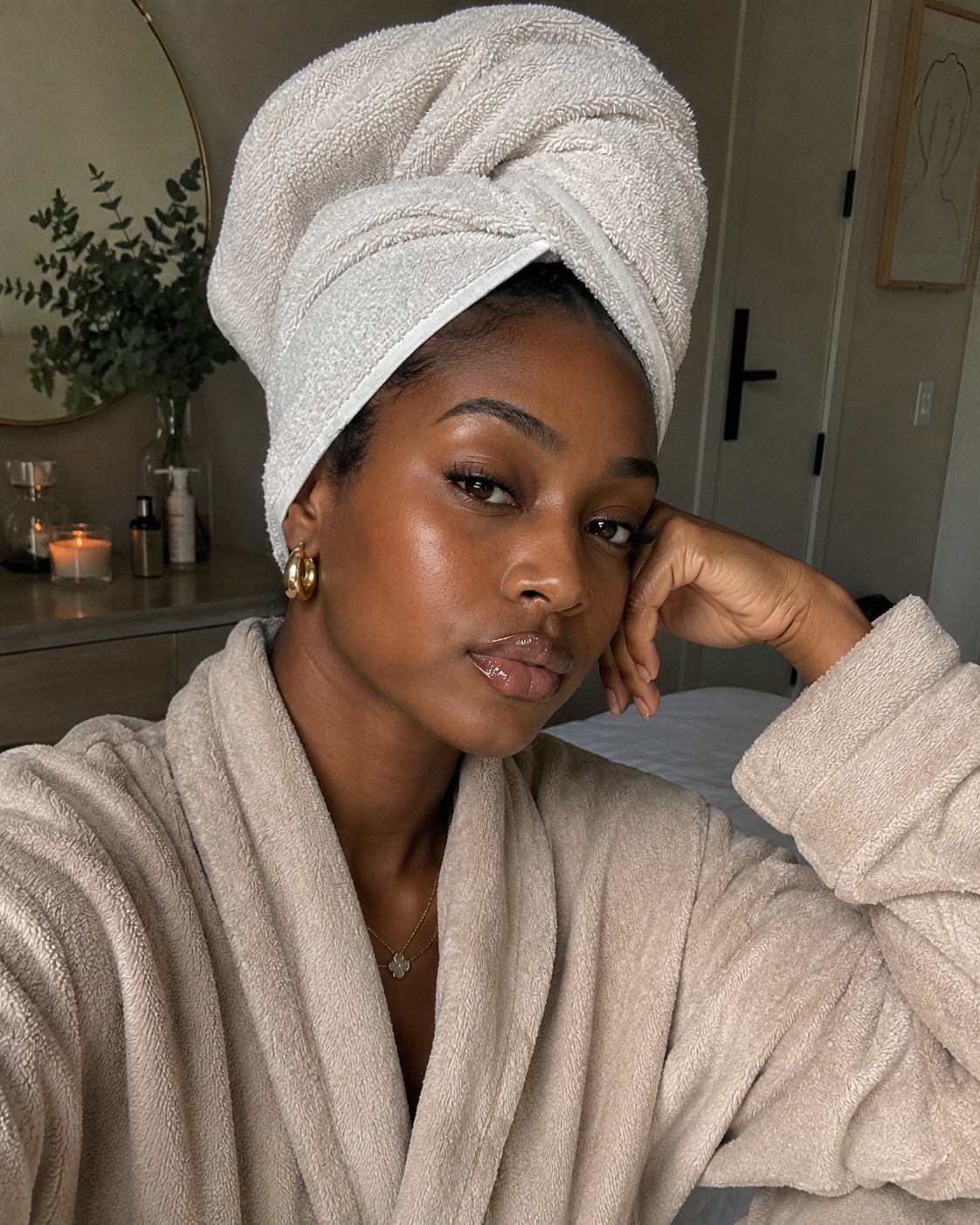
Photo Credit:@autumlovedaily
Sun, chlorine, salt water, and hot tools can leave hair feeling rough long after the vacation photos are posted. These five treatments help you choose the right kind of conditioning for what your hair actually needs now.
Summer hair damage rarely announces itself all at once. It shows up gradually: ends that tangle faster, curls that stop clumping, color that looks dull, or hair that suddenly feels dry no matter how much leave-in you use.
That change is not in your head. The American Academy of Dermatology explains that UV exposure can leave hair dry, brittle, frizzy, and lacking shine, while chlorine can strip protective lipids from the hair shaft. Dermatologists recommend rinsing and washing hair after swimming, then following with a deep conditioner.
But the best treatment depends on the kind of damage you are seeing. Fine hair usually needs moisture without a heavy coating. Bleached or frequently heat-styled hair may benefit from a strengthening formula. Coils and curls often need richer conditioning and more slip.
If you are trying to balance moisture and protein across the entire year, start with our guide to the best hair masks for different textures and porosity levels. For a focused post-summer reset, these are the five deep conditioners worth considering.
The Quick Picks
Best overall for heat and color damage: Redken Acidic Bonding Concentrate 5-Minute Liquid Mask
Best for fine or easily weighed-down hair: Moroccanoil Weightless Hydrating Mask
Best for curls, coils, and very dry hair: SheaMoisture Manuka Honey & Mafura Oil Intensive Hydration Hair Masque
Best affordable option: Eva NYC Therapy Session Deep Conditioning Hair Mask
Best splurge for severely overprocessed hair: Kérastase Résistance Masque Thérapiste
How to Choose a Deep Conditioner for Damaged Hair
Before adding the richest mask you can find to your cart, pay attention to how your hair behaves after washing.
Hair feels dry but still flexible: Choose a moisture-focused mask with conditioning oils or butters.
Hair snaps easily or has been bleached, colored, or heat-styled repeatedly: Consider a strengthening or bond-supporting treatment.
Fine hair goes flat after conditioning: Look for a lighter formula and keep it from mid-lengths to ends.
Curls feel rough and lose definition: Prioritize slip and richer conditioning so detangling requires less pulling.
A deep conditioner can make damaged hair feel softer, smoother, and easier to detangle, but it cannot permanently fuse split ends or restore a severely compromised strand to virgin condition. A trim is still the real fix for ends that continue splitting upward.
Best Overall: Redken Acidic Bonding Concentrate 5-Minute Liquid Mask
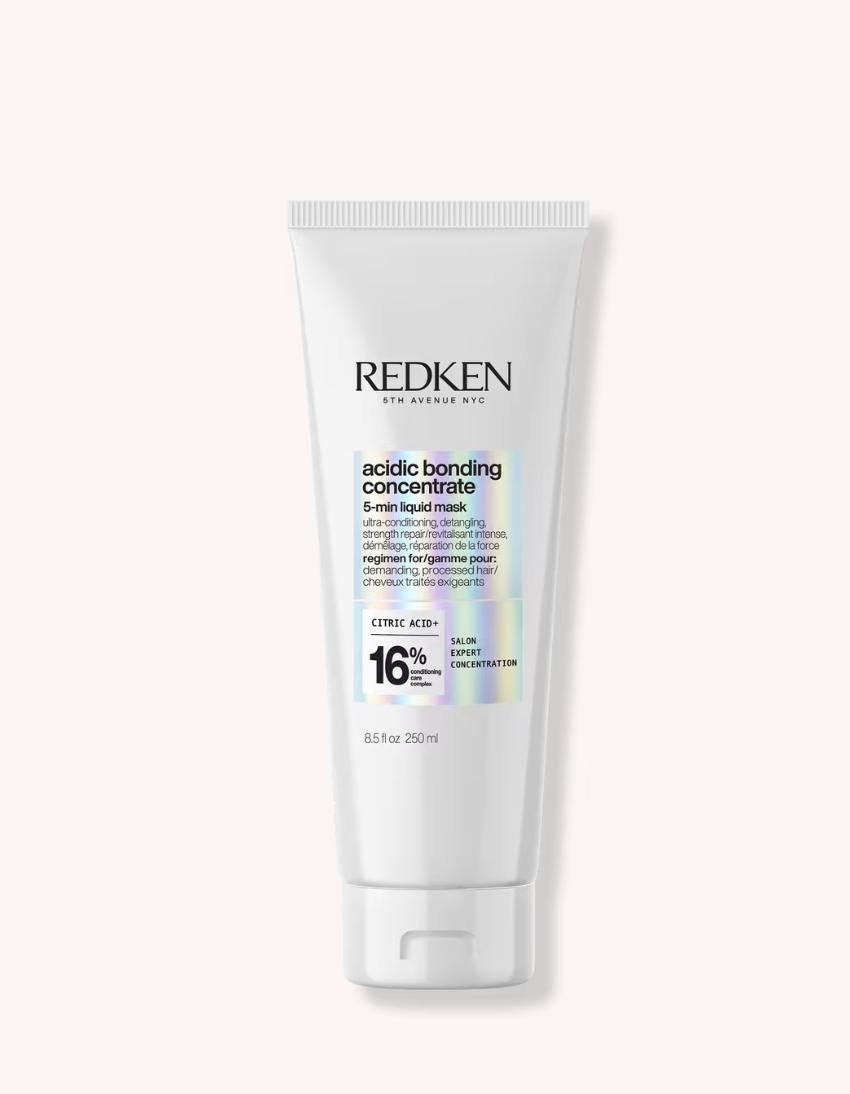
Best for: Color-treated, heat-styled, or frequently tangled hair
Redken Acidic Bonding Concentrate 5-Minute Liquid Mask is the most practical pick for someone who wants moisture and strengthening support without turning wash day into a project. The liquid texture distributes quickly through wet hair, and the treatment only needs five minutes.
Redken describes the formula as suitable for all hair types and textures, with citric acid and a conditioning complex designed to support damaged hair. The brand's current instructions recommend applying it from mid-lengths to ends after shampooing and using it at least weekly or as needed.
What makes this the best overall choice is the balance. It is substantial enough for hair stressed by color and hot tools, but it is not positioned as an ultra-heavy butter mask. If your hair has been through pool days, blowouts, and touch-up color in the same month, this is the one to try first.
Worth noting: This is a rinse-out mask, not a leave-in. More time is not necessarily better; follow the five-minute directions.
Best for Fine Hair: Moroccanoil Weightless Hydrating Mask
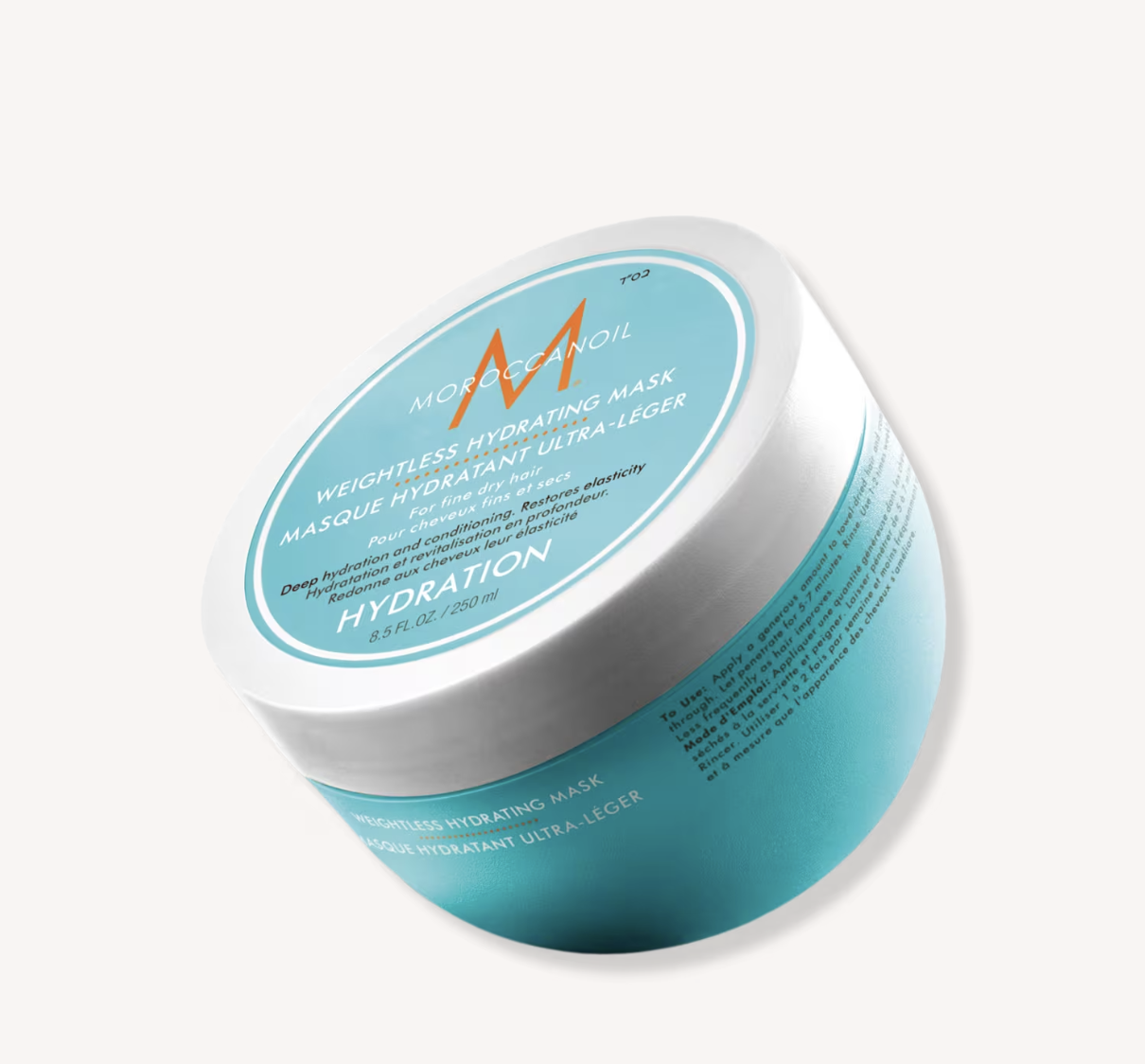
Best for: Fine, dry, or light-colored hair that loses volume easily
The problem with deep conditioning fine hair is that the cure can create a new problem. A rich mask may soften dry ends but leave the roots flat and the lengths coated. Moroccanoil Weightless Hydrating Mask is specifically made for fine or light-colored hair and treats in five to seven minutes.
The formula includes argan oil, shea butter, and vegetable protein. That mix makes sense for porous summer hair that needs softness and better manageability but cannot handle the weight of a dense masque. Apply it to towel-dried hair, comb it through, and keep most of the product below ear level.
This is also a smart choice for fine highlighted hair, which can feel dry at the ends while becoming oily quickly at the scalp. Start with less than you think you need. You can always add more to the driest sections.
Worth noting: “Weightless” is relative. If your hair is very fine, avoid the roots and rinse thoroughly.
Best for Curls and Coils: SheaMoisture Manuka Honey & Mafura Oil Intensive Hydration Hair Masque
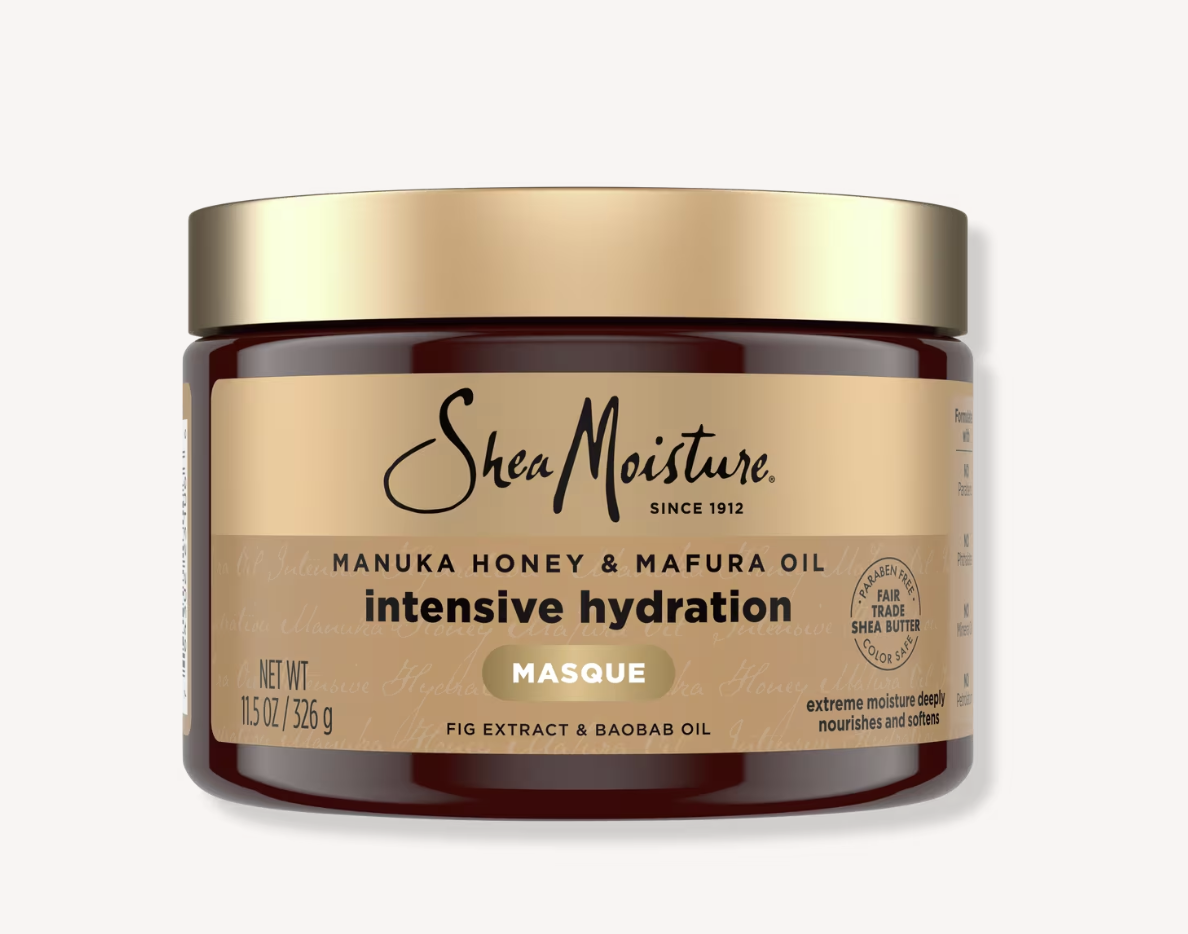
Best for: Curly, coily, coarse, or very thirsty hair
When curls stop clumping after a summer of sun and swimming, they usually need more than a lightweight daily conditioner. SheaMoisture Manuka Honey & Mafura Oil Intensive Hydration Hair Masque brings the richness: shea butter, mafura butter, baobab oil, avocado oil, honey, panthenol, and hydrolyzed rice protein all appear in the current ingredient list.
The payoff is not just softness. A mask with generous slip can make detangling less aggressive, which matters when the hair is already fragile. Work it through clean, wet hair in sections and use your fingers or a wide-tooth comb to distribute it without tugging.
The standard treatment time is five minutes. SheaMoisture also says it can be used with a plastic cap and moderate heat for up to 30 minutes when deeper conditioning is needed.
Worth noting: This is the richest option on the list. Fine, straight, or low-density hair may find it too heavy.
Best Affordable Option: Eva NYC Therapy Session Deep Conditioning Hair Mask
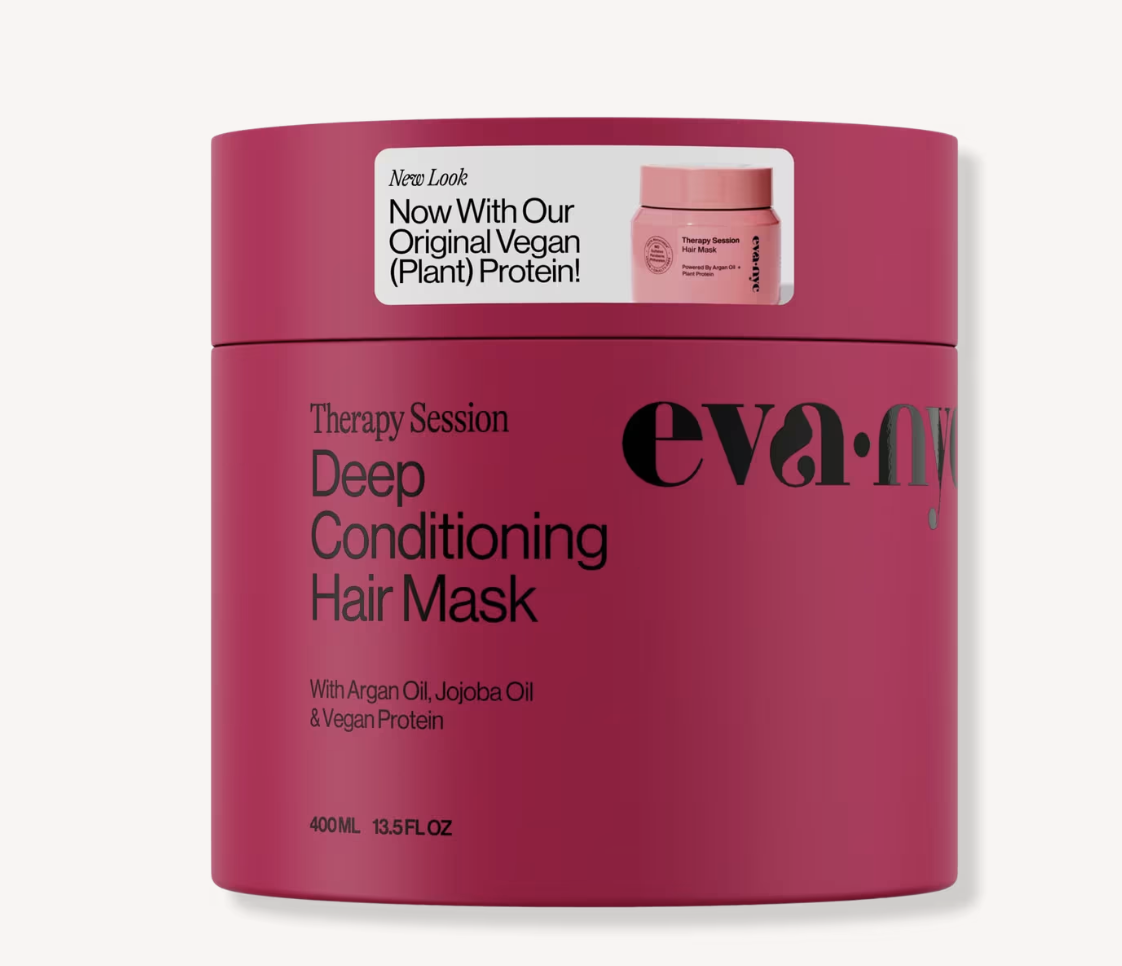
Best for: Dry, rough hair on a drugstore budget
Eva NYC Therapy Session Deep Conditioning Hair Mask is the value pick that still feels like a real treatment. The full-size tub is 13.5 ounces, and the current formula uses jojoba oil, argan oil, panthenol, and conditioning agents to soften and smooth.
It is a sensible first purchase if you are not sure whether a weekly mask will become part of your routine. The instructions are uncomplicated: massage it through the mid-lengths and ends after shampooing, leave it on for three to five minutes, and rinse well. It can replace regular conditioner when your hair needs more help.
This formula is less targeted than the Redken or Kérastase options, but that is not necessarily a drawback. If the main symptoms are roughness, tangles, and dryness—not severe bleach breakage—it gives you a generous amount of product for less than $20.
Worth noting: Apply sparingly if your hair is fine. The formula contains oils and silicone, which can be a plus for slip but too much for hair that becomes limp easily.
Best Splurge: Kérastase Résistance Masque Thérapiste
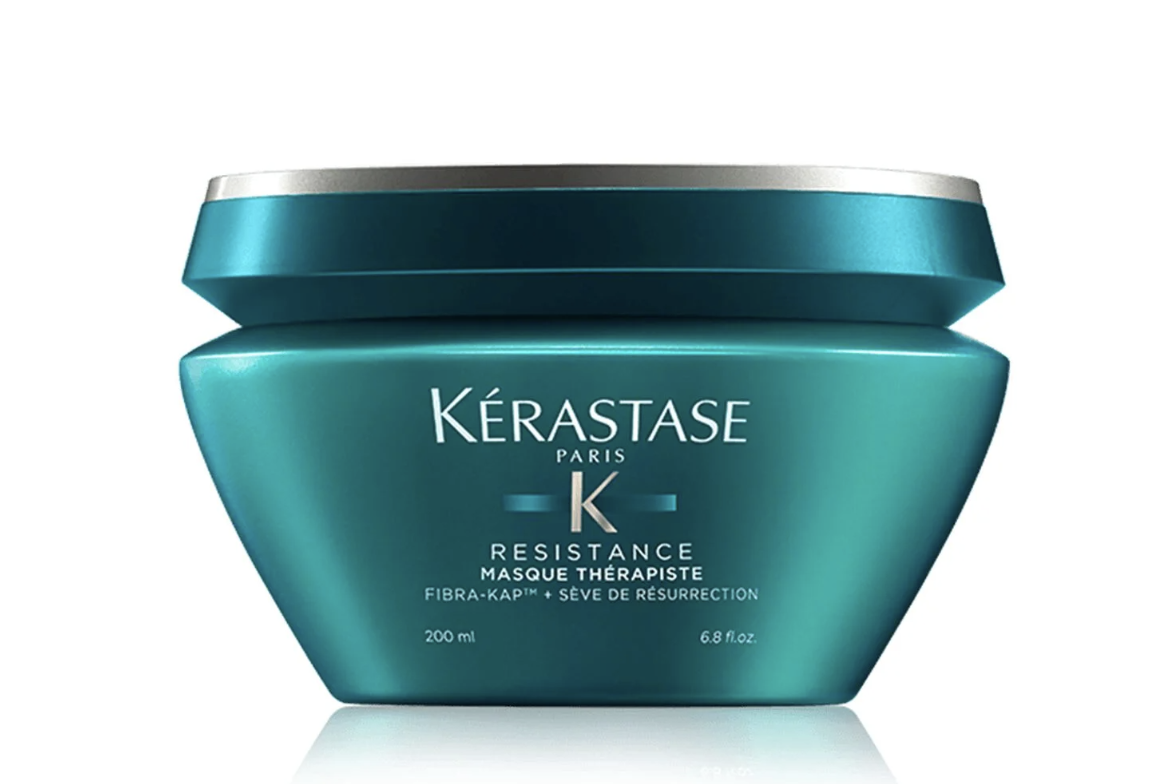
Best for: Severely overprocessed, bleached, weak, or breakage-prone hair
If your hair entered summer already compromised, basic moisture may not feel like enough by August. Kérastase Résistance Masque Thérapiste is the most intensive—and most expensive—choice in this edit. Kérastase positions it for weak, overprocessed, and damaged hair rather than ordinary seasonal dryness.
This is the pick for someone dealing with several forms of stress at once: bleach, frequent heat styling, and environmental exposure. The formula is rich, so concentrate it on the most damaged sections instead of treating every inch of hair equally.
At $68, it is not the place to start if your hair simply feels a little dry after vacation. Try the Eva NYC or SheaMoisture option first. The Kérastase makes more sense when breakage and chemical processing are the primary concerns and you are willing to pay for a salon-category formula.
Worth noting: A premium mask cannot replace a needed haircut or professional assessment. If breakage continues despite gentler styling, speak with a licensed stylist or dermatologist.
The Post-Summer Hair Reset That Makes the Mask Work Better
A good mask cannot undo a routine that keeps creating new damage. Use it as one part of a simple reset:
Rinse immediately after swimming. Do not let pool water dry into the hair if you can help it.
Shampoo the scalp gently. Let the lather run through the lengths instead of rubbing them together.
Remove excess water. Hair that is dripping wet can dilute the treatment. Gently squeeze or blot it first.
Apply the mask where the damage is. Usually that means the mid-lengths and ends, not the scalp.
Follow the product's timing. A five-minute formula does not automatically improve after 30 minutes.
Reduce heat while hair recovers. If you straighten, use controlled heat, a protectant, and fewer passes. Our guide to the best hair straighteners of 2026 explains why heat stability and temperature control matter.
Prevention matters too. The AAD recommends wearing a swim cap or applying oil or leave-in conditioner before entering the pool, rinsing afterward, and protecting hair from sun with a hat or an appropriate leave-in product.
Frequently Asked Questions
How often should I deep-condition damaged hair?
Once a week is a reasonable starting point for many people, but follow the directions on the specific product. Very fine hair may need a mask less often, while coarse or frequently washed hair may benefit from more frequent conditioning. Reduce use if your hair starts to feel coated, limp, or difficult to style.
Is a hair mask the same as a deep conditioner?
The terms often overlap. Both are rinse-out treatments designed to condition more intensively than a standard daily conditioner. The formula, treatment time, and intended hair type matter more than whether the jar says “mask,” “masque,” or “deep conditioner.”
Can deep conditioner repair sun-damaged hair?
A deep conditioner can improve softness, slip, shine, and manageability and may help reduce additional breakage during detangling. It cannot make a weathered strand biologically new or permanently mend split ends. Think improvement and protection, not a total reversal of every kind of damage.
Should I deep-condition after swimming?
Yes, especially after a chlorinated pool. Dermatologists recommend rinsing immediately, washing with a swimmer-focused shampoo when needed, and following with a deep conditioner. If you swim often, balance removal with gentleness so you do not over-cleanse already-dry lengths
What is the best deep conditioner for fine damaged hair?
Moroccanoil Weightless Hydrating Mask is the best fit in this edit because it is designed for fine or light-colored hair. Keep it off the roots, begin with a small amount, and rinse thoroughly. Fine hair with significant color or heat damage may prefer the Redken liquid mask for strengthening support without a dense butter texture.
Should I put a deep conditioner on my scalp?
Usually, no. Most masks are intended for the mid-lengths and ends unless the brand specifically says they are scalp-safe. If dryness, itching, or flakes are coming from the scalp rather than the hair shaft, read our guide to scalp oils for dry, itchy, and sensitive scalps instead of coating the area with a heavy mask.
You May Also Like:
The Best Hair Growth Products In 2026 — What Actually Works
The Best Scalp Tools in 2026 (Massagers, Scrubbers, and Brushes for Every Hair Type)
Best Shampoos for Itchy Scalp (10 That Soothe Dryness, Flakes, and Irritation Fast)