
The Best Oils for Low-Porosity Hair (And the Heavy Ones That Cause Buildup)

Photo by Anna Tarazevich from Pexels
You finish wash day, apply your leave-in, smooth on a generous amount of oil, and somehow your hair still feels dry. Except now it also feels greasy. If that sounds familiar, the answer may not be another bottle of oil. It may be less oil, a lighter formula, and a better order of application.
Low-porosity hair tends to resist water uptake more than highly porous hair. That doesn't mean every oil is too heavy or that your hair can't absorb anything. It means your routine needs to account for the condition of the hair fiber, strand thickness, styling products and how much residue is already there. Here are seven oils worth considering, plus the richer ones to use more strategically.
What Low Porosity Means
Porosity describes how readily a hair fiber takes up and releases water. Cuticle condition, chemical processing and damage all influence it. Curl pattern is different: 4C hair can be low, medium or high porosity, just as straight hair can. Low porosity is not inherently damaged hair, and it does not require an elaborate routine.
Water and a water-based conditioner do the hydrating work. Oil can reduce friction, improve shine and help slow moisture loss, but it is not a substitute for washing and conditioning. Research on hair oils also shows that penetration differs by oil and hair condition. In a 2003 study, coconut oil reduced protein loss more than sunflower or mineral oil; a 2024 study found that coconut, avocado and argan oils could enter hair fibers under its test conditions, with effects that varied by damage and humidity. Neither study proves one oil is universally best for low-porosity 4C hair.
THE 7 BEST OILS FOR LOW-POROSITY HAIR
1. Jojoba Oil: Best Everyday Starting Point
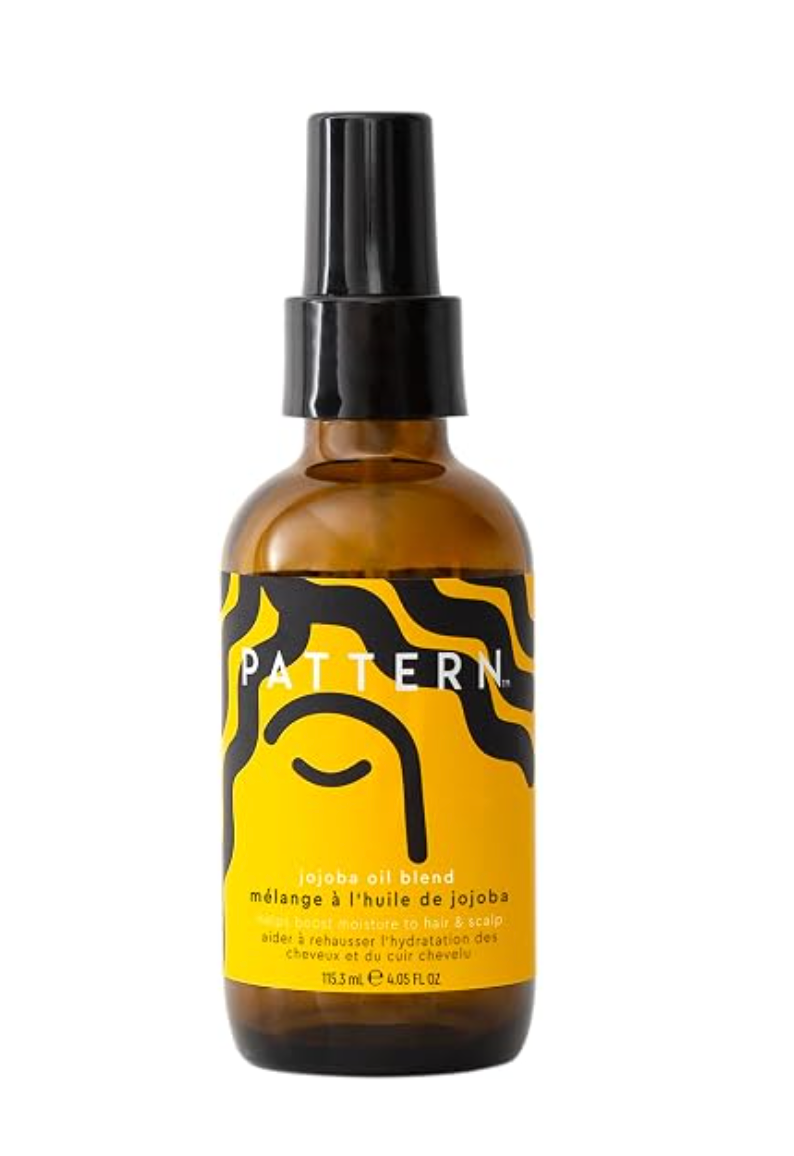
PATTERN Beauty by Tracee Ellis Ross Jojoba Hair Serum
$29
Jojoba is technically a liquid wax ester rather than a typical triglyceride oil. Its smooth feel makes it a practical first choice when rich butters leave hair coated. Try one or two drops rubbed between your palms, then smooth over damp ends after a water-based leave-in. More isn't automatically better.
Product to consider: PATTERN Jojoba Oil Blend. The brand lists safflower, jojoba and rosehip oils in its formula and markets it for low-porosity curls. Because it is a blend with added lavender oil, fragrance-sensitive readers may prefer a simple single-ingredient jojoba product.
Best for: Light sealing on curls and coils. Weight: Light to medium, depending on the blend. Watch for: Layering it over multiple heavy creams.
2. Grapeseed Oil: Best for Fine Hair That Gets Weighed Down
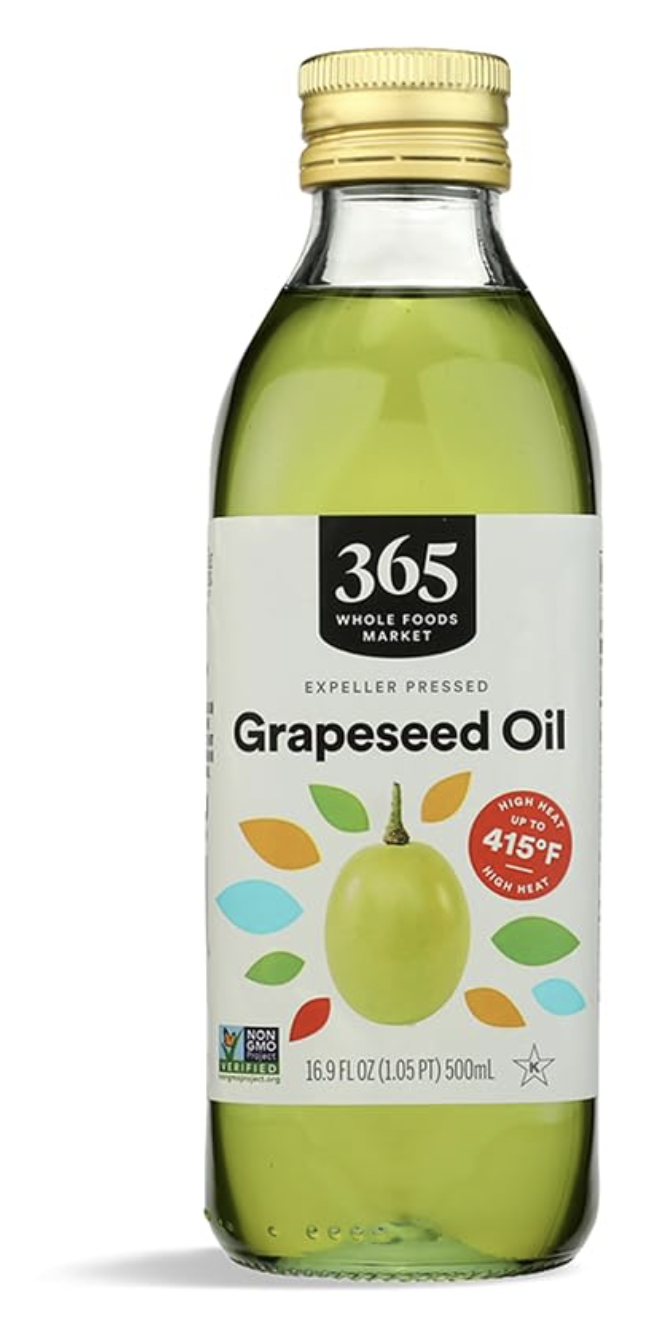
365 by Whole Foods Market Grapeseed Oil
$6.99
Grapeseed oil generally has a thin, spreadable feel. It can add slip and shine without the dense sensation of castor oil, which makes it a reasonable choice for finer strands or anyone whose twist-out loses volume after oiling. Use just a few drops on the ends rather than saturating your roots.
Product to consider: A plain, cosmetic-grade grapeseed oil with a short ingredient list. Check the actual bottle's ingredient label and choose packaging that protects the oil from light. Research specifically proving grapeseed oil is superior for low porosity is limited; the recommendation is based mainly on feel and application.
Best for: Fine or low-density hair. Weight: Light. Watch for: Oxidation and over-application.
3. Argan Oil: Best for Shine and Frizz Control
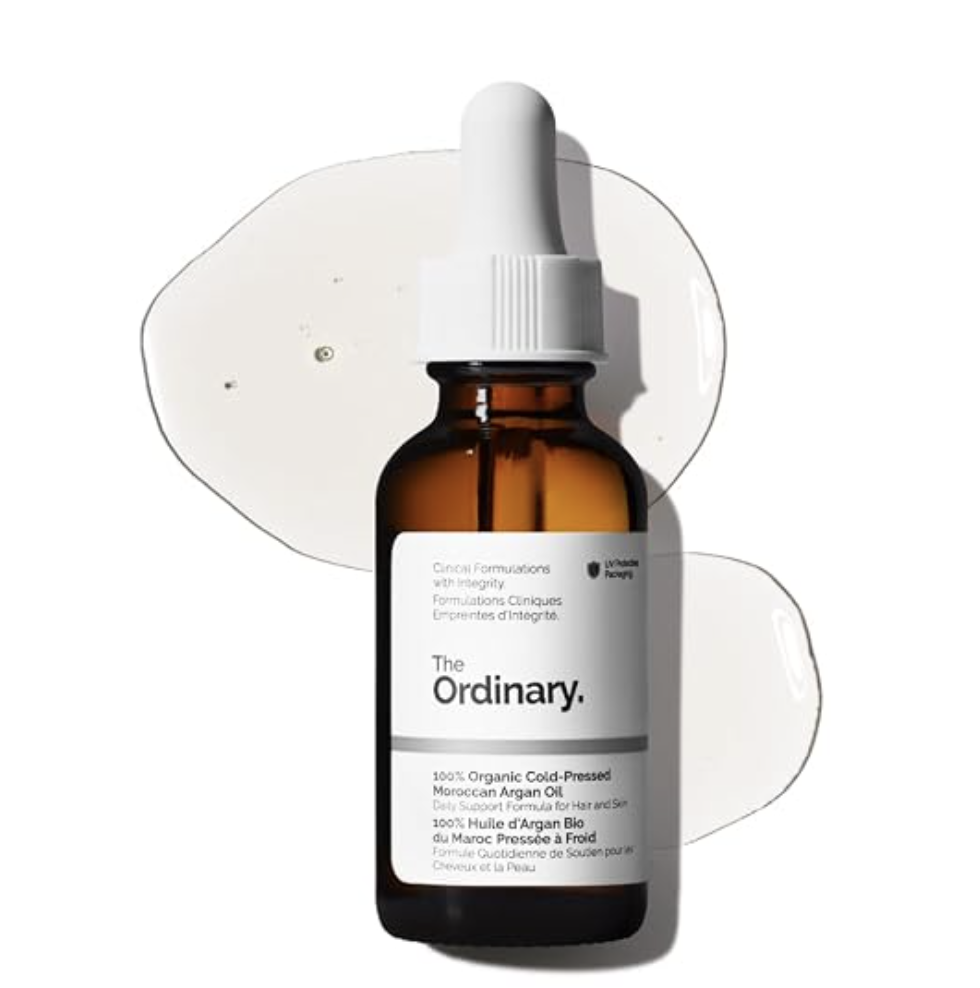
The Ordinary 100% Organic Cold-Pressed Moroccan Argan Oil
$7.80
Argan oil can be a useful finishing oil when hair looks dull but doesn't need another cream. Smooth a drop or two over the mid-lengths and ends, or use it sparingly after styling. Studies of oil behavior suggest argan oil can interact with the hair fiber, but the results depend on the hair's condition, so don't buy it expecting guaranteed deep hydration.
Product to consider: The Ordinary 100% Organic Cold-Pressed Moroccan Argan Oil, subject to current retailer availability and ingredient verification. Choose a single-ingredient version if you want to distinguish the oil's feel from that of a silicone-based hair serum.
Best for: Shine and flyaways. Weight: Light to medium. Watch for: Too much at the roots.
4. Safflower Oil: Best for a Light Sealing Step
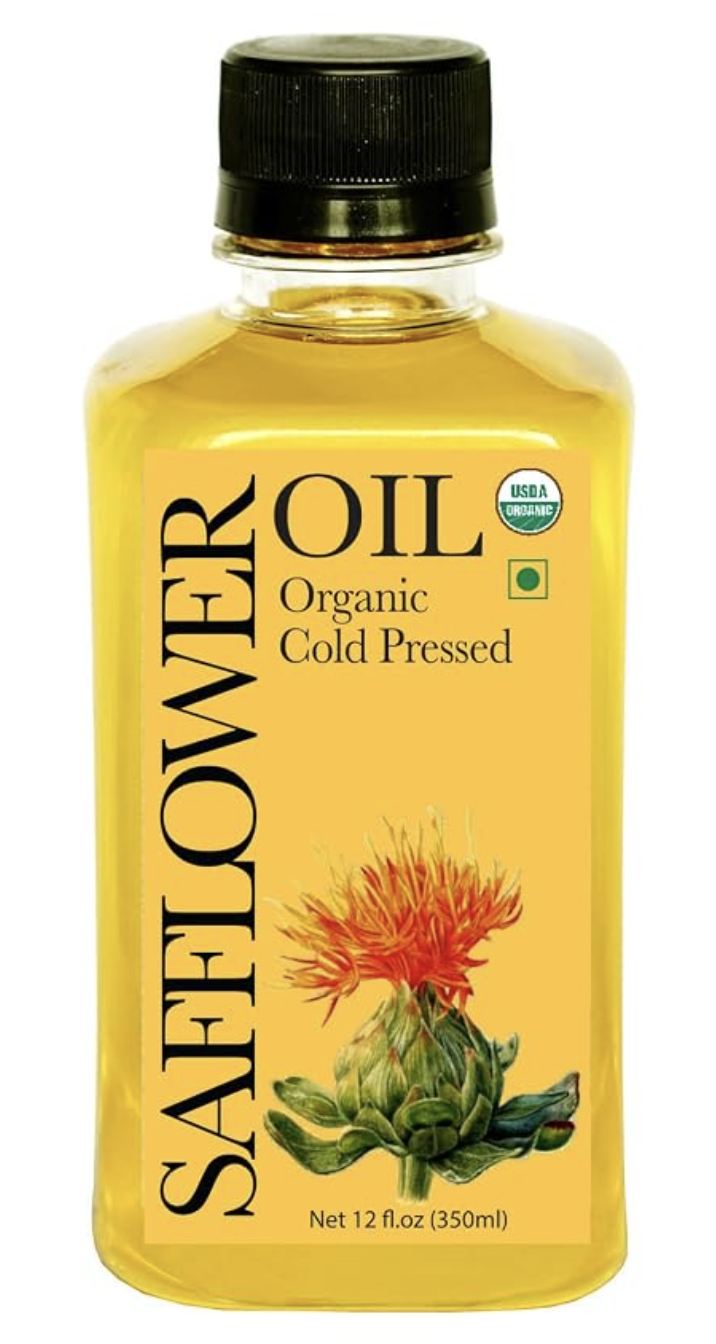
Daana Safflower Oil: Certified USDA Organic, Extra Virgin, Cold Pressed, High Olei
$13.99
Safflower oil is a thinner-feeling alternative to dense butters. It's especially useful if you want to finish a water-based routine with a very small amount of oil. It appears as the first listed ingredient in PATTERN's Jojoba Oil Blend, which is a reminder that a product's full formula matters more than its name.
Product to consider: A cosmetic-grade safflower oil or the PATTERN blend above. This is a formula-fit recommendation, not evidence that safflower oil penetrates low-porosity hair better than other oils.
Best for: Minimalist sealing. Weight: Light. Watch for: Adding it on top of oily stylers.
5. Squalane: Best for a Barely-There Finish
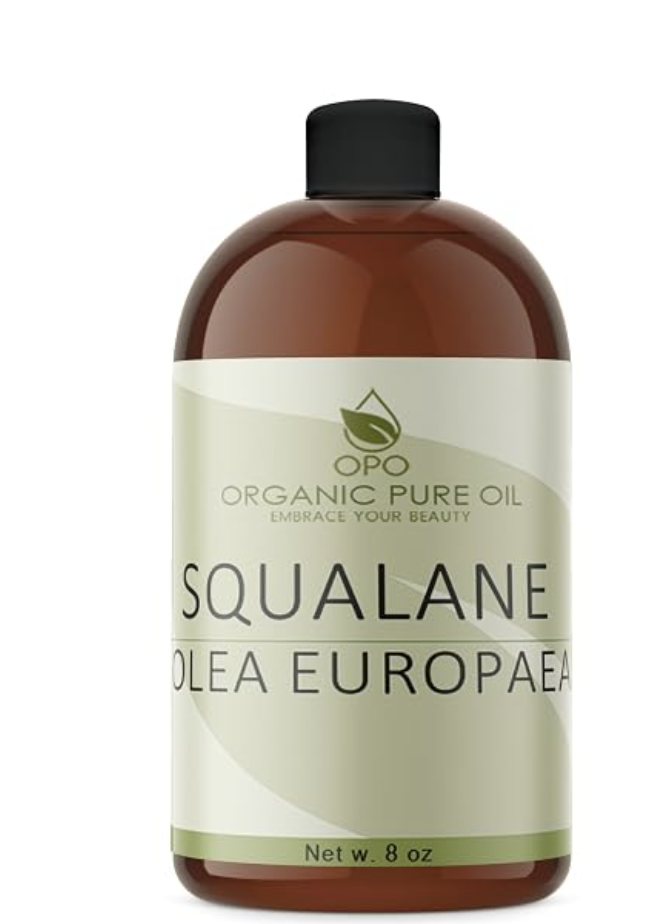
Squalane Oil
$27.49
Squalane is a stable emollient that can give hair a smooth, light-feeling finish. It's useful when traditional botanical oils feel too sticky or you prefer a product with very few ingredients. A tiny amount can soften the feel of dry ends without turning a style glossy or greasy.
Product to consider: A pure cosmetic squalane oil labeled for skin and hair use. Patch test first, especially if you have a reactive scalp, and check whether the brand specifies hair application.
Best for: Lightweight finishing. Weight: Very light to light. Watch for: Using it instead of conditioner.
6. Coconut Oil: Best Used as a Pre-Wash Treatment if Your Hair Likes It
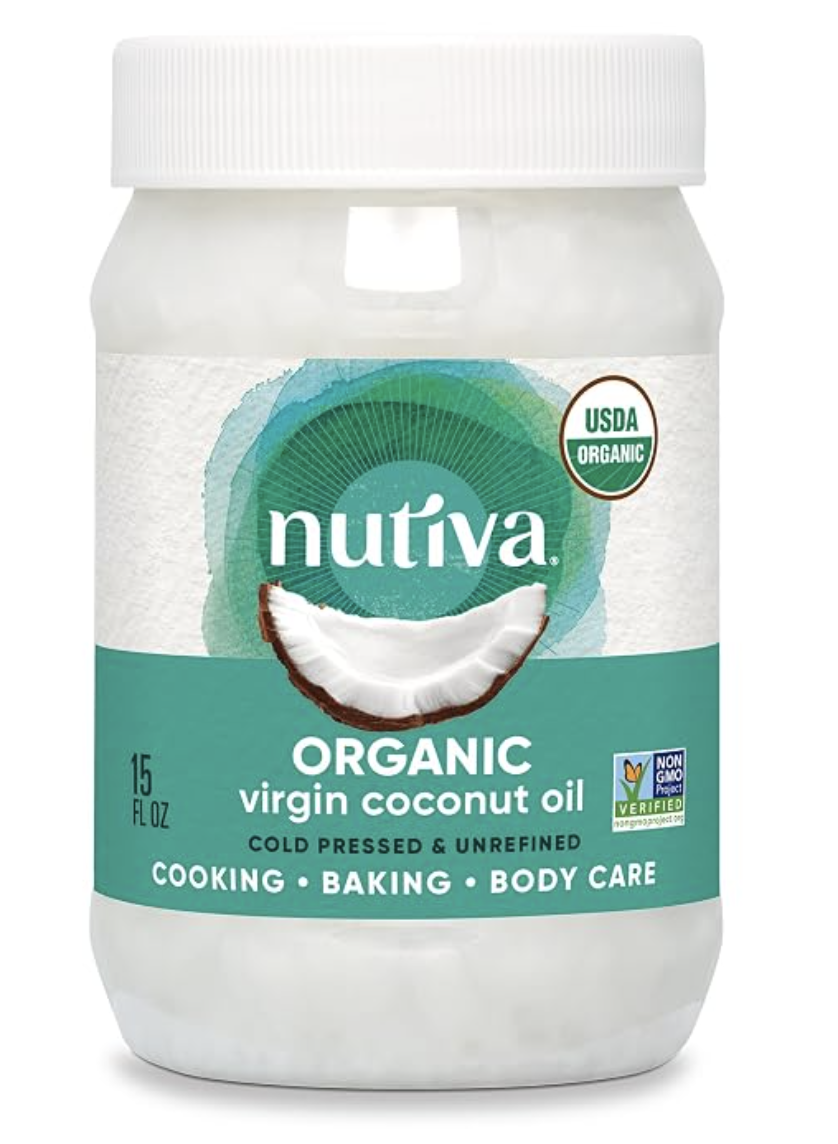
Cold-Pressed, Unrefined, Virgin Coconut Oil
$9.84
Coconut oil is often placed on “never use” lists for low-porosity hair, but that oversimplifies the science. Research has found that coconut oil can penetrate hair and reduce protein loss. Some people nevertheless dislike the stiff or coated feel it leaves on their particular strands, especially when used generously as a leave-in.
Instead of applying it every day, try a small amount on the lengths before shampooing, then cleanse and condition as usual. If your hair consistently feels rigid or difficult to style afterward, skip it. Evidence of protein-loss reduction does not mean everyone will enjoy the cosmetic result.
Best for: Occasional pre-wash use. Weight: Richer in use, and solid at cooler temperatures. Watch for: Heavy leave-in application and personal sensitivity.
7. Avocado Oil: Best for Coarse, Dry Ends That Tolerate More Richness
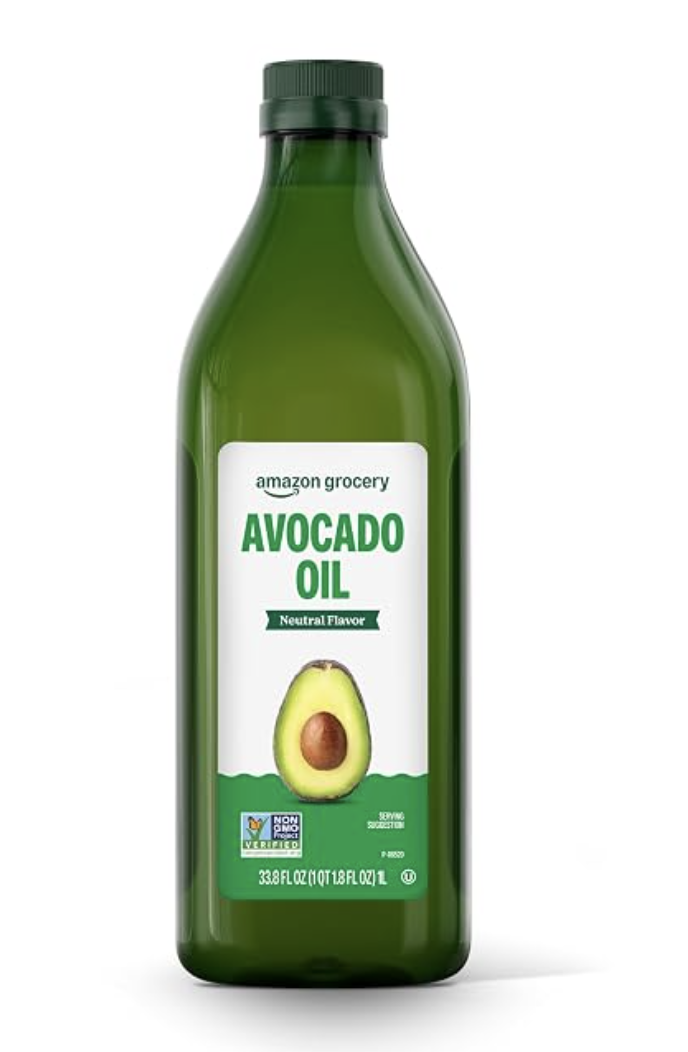
Avocado Oil
$15.76
Avocado oil is a more substantial option for strands that need extra lubrication, especially rough ends. It may be too much for fine, low-density hair as an everyday finisher, but some coarse or dense coils tolerate it well in tiny amounts or before shampooing.
Use it on a small section first, rather than assuming all Type 4 hair needs a heavy oil. A 2024 laboratory study found avocado oil entered tested hair fibers, but it did not establish a universal low-porosity routine.
Best for: Coarse ends and occasional pre-wash care. Weight: Medium to rich. Watch for: Flat or coated hair after styling.
The Heavier Oils Most Likely To Feel Like Buildup
Castor Oil and Jamaican Black Castor Oil
Castor oil is thick and sticky compared with grapeseed or squalane. It can help with shine and lubrication, but on hair that already accumulates product easily, daily application may create a tacky layer. Jamaican black castor oil is not automatically a hair-growth treatment. Save either for very small amounts on ends or an occasional pre-wash routine if your hair likes it.
Olive Oil and Heavy Oil-Butter Blends
Olive oil and formulas packed with multiple oils, shea butter and waxes can feel wonderful on some coarse strands but overwhelming on fine or low-density hair. Check the entire formula. One rich product may be fine; a leave-in, cream, butter and oil stacked together may not be.
Coconut Oil Is a Special Case
It can feel heavy in practice, but its documented ability to enter hair fibers makes it inaccurate to label coconut oil a purely surface-coating oil. Treat it as a personal preference and technique question rather than a universal low-porosity ban.
Lightweight Vs. Heavy: How To Choose
If your hair goes limp easily: start with squalane, grapeseed or a tiny amount of jojoba. If you have dense, coarse coils: jojoba or argan may work for regular finishing, while avocado may suit your ends. If your hair is dry but greasy to the touch: pause the oil, clarify if needed, and return to a water-based conditioner. If your scalp is itchy or flaky: don't assume oil is the treatment; scalp irritation has several causes.
How To Use Oil On Low- Porosity 4c Hair
Step 1: Start with a clean scalp and thoroughly wet hair. Shampoo away styling residue when needed, then rinse well.
Step 2: Apply a water-based conditioner or leave-in while the hair is damp. Work in sections so dense coils are evenly coated.
Step 3: Add a few drops of oil to your palms, then distribute primarily through the ends. If your leave-in already contains plenty of oil or butter, you may not need a separate oil at all.
Step 4: Style and let the hair dry. Evaluate softness and definition the next day, not just how glossy it looks immediately after application.
Step 5: If hair feels waxy, dull or difficult to wet, simplify your product stack and cleanse thoroughly at the next wash. A clarifying shampoo can help remove buildup, but follow with conditioner.
SEALING VS. MOISTURIZING: WHAT OIL CAN AND CAN'T DO
A water-based leave-in adds water and conditioning ingredients. An oil primarily lubricates the fiber, changes its feel and may slow water exchange depending on the formula and hair. Some oils also penetrate hair. Calling every oil a “sealant” is a useful shortcut, but it misses those differences. The practical rule is to condition first and oil only if the hair benefits.
FAQ
Is jojoba oil good for low-porosity hair?
It can be a sensible lightweight starting point, especially in small amounts on damp ends. Whether it works depends on strand thickness, the full formula and what else is in your routine.
Is coconut oil bad for low-porosity hair?
Not inherently. It has published evidence for penetrating hair and reducing protein loss, but some people dislike its feel as a leave-in. A small pre-shampoo trial is a reasonable way to assess it.
What is the best oil for low-porosity 4C hair?
There is no single best oil for every 4C head of hair. Start with a small amount of jojoba or grapeseed if your hair gets coated easily; try a richer oil only if your strand thickness and styling routine benefit from it.
Why does my low-porosity hair feel dry even after oiling?
Oil alone doesn't replace water and conditioning. The issue may be product buildup, insufficient conditioning, heat or color damage, or simply too much oil. Try simplifying the routine before adding another product.
How often should I oil low-porosity hair?
Only as often as it improves softness or manageability. That may mean a few drops after wash day, occasional finishing or no standalone oil at all. Daily oiling is not a requirement.
How do I know if my hair is low porosity?
Watch how consistently your clean hair wets, dries and responds to conditioning. The popular water-glass float test is not a reliable standalone diagnosis; product residue and other factors can affect it.
READ NEXT
For scalp itch, dryness or protective-style care, read: We Tested 12 Scalp Oils—These Are the Best for Itchy, Dry, and Sensitive Scalps.
For a conditioning treatment suited to your hair's needs, read: The 5 Best Hair Masks for 4C Coils, Waves, and Damaged Strands.
For post-summer damage and a simpler wash-day reset, read: 5 Deep Conditioners for Damaged Hair After Summer.
For a first-person styling perspective, read: Everything I've Learned From Getting My First Professional Silk Press.

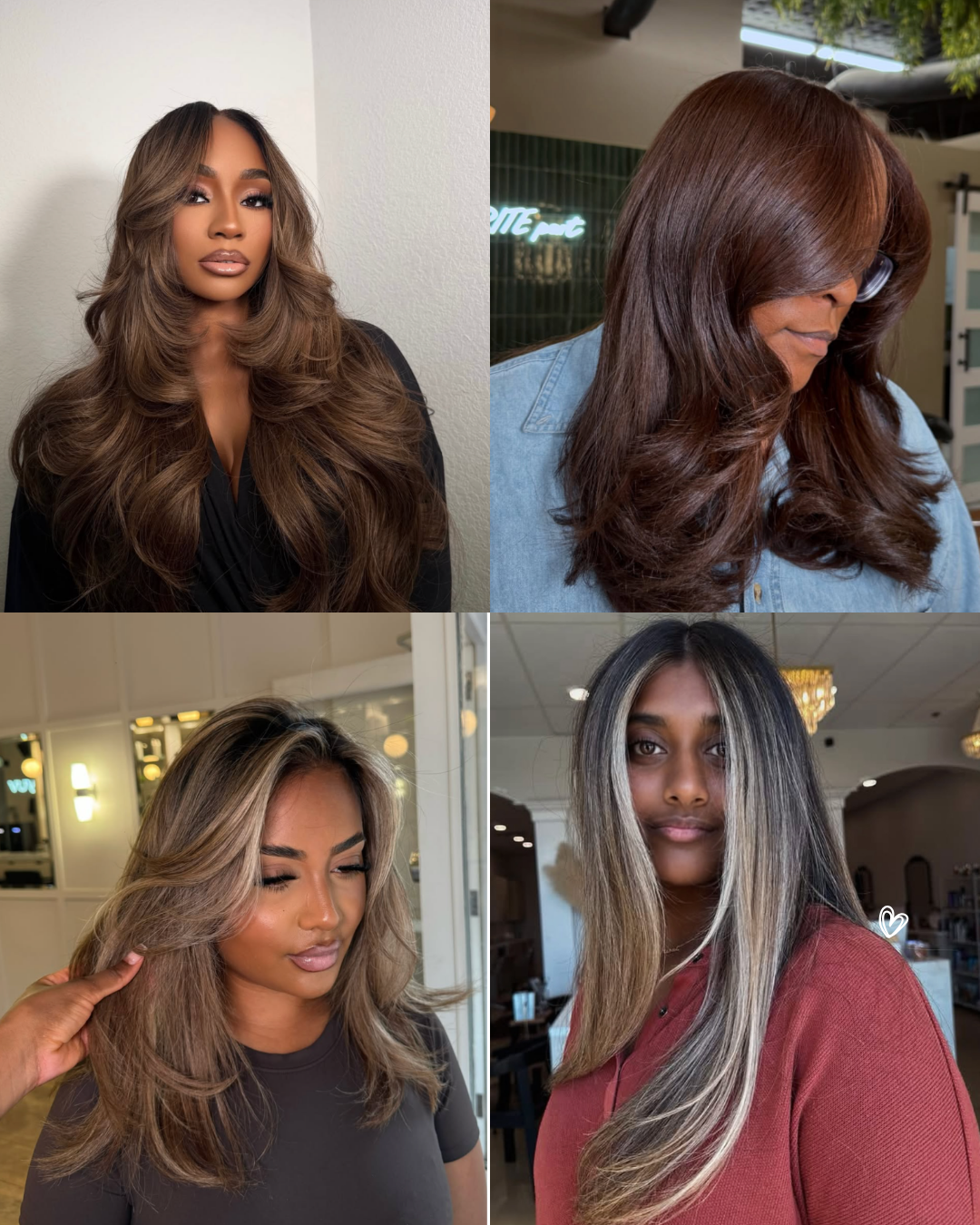

✦ Creator images used for editorial purposes only. All rights belong to their respective creators. We always link and give credit.
✦ Check Out Our Men's Site
Trending on MensOutfitsDaily