
How to Wear a Large Scarf or Shawl: 10 Ways to Style It
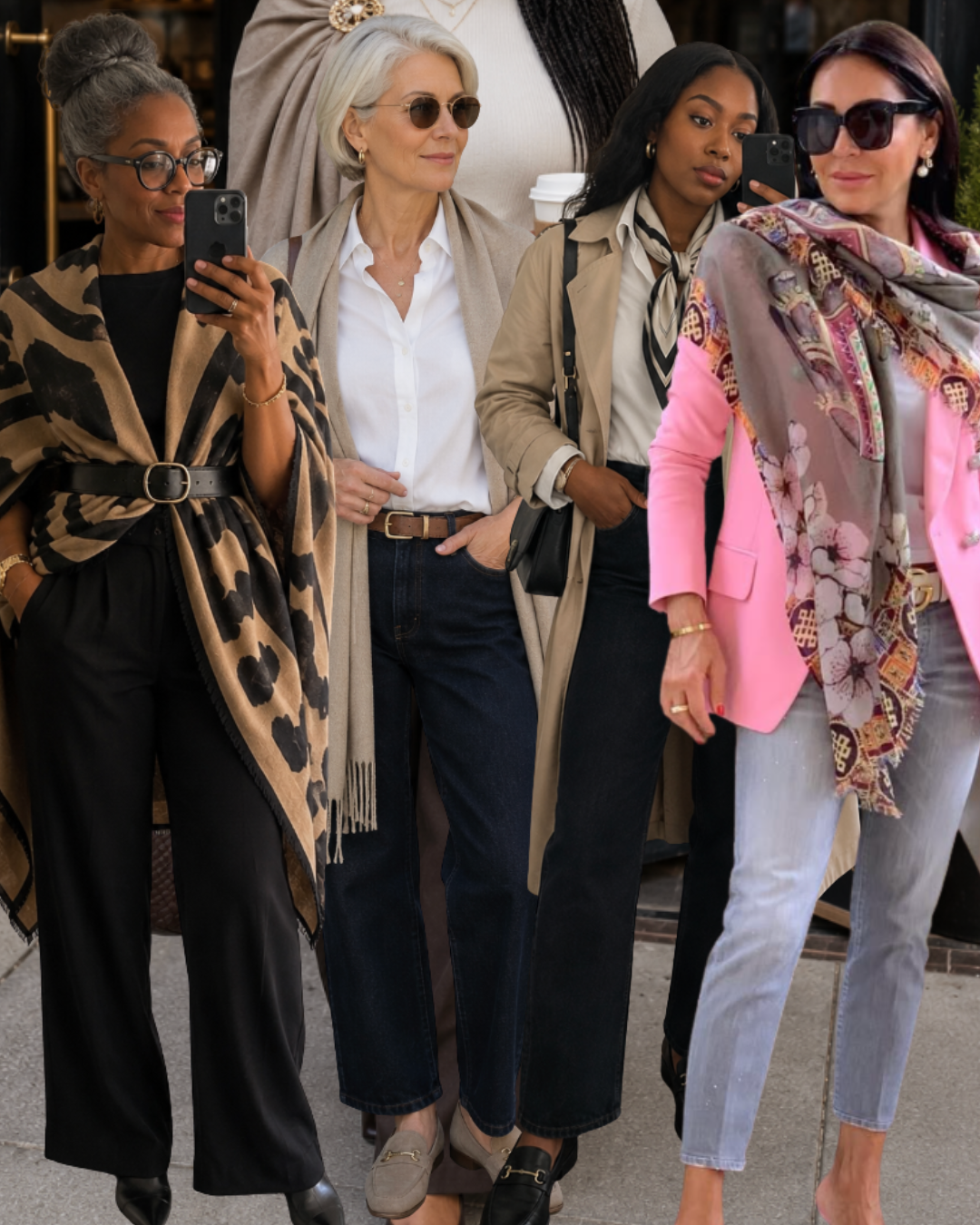
You found the perfect scarf. Maybe it's silk, maybe it's a lightweight pashmina, maybe it's that large featherweight wrap you've been eyeing. You brought it home, held it up, and thought now what?
You're not alone. A large scarf or shawl is one of those pieces that looks effortless on everyone else and somehow ends up folded on a chair in your bedroom. The truth is, most people were never actually taught how to wear one. They just guessed.
This guide fixes that. Here's everything you need to know about how to tie a scarf or shawl from understanding your fabric and size to 10 specific ways to wear it, whether yours is silk, pashmina, cotton, or linen.
Find out the 5 style mistakes you’re probably making (and how to fix them) download the free guide!
Types of Scarves and Shawls (and What Makes Each Different)
Before we get into styling, it helps to know what you're working with. The fabric and weight of your scarf determines which looks will work and which ones will fall flat.
Silk scarves are the most versatile and the trickiest. They're lightweight, they drape beautifully, and they slip. You'll need a scarf ring, a knot, or a strategic tuck to keep them in place.
Pashmina shawls are typically made from cashmere or a cashmere blend. They have more body than silk, which means they hold their shape better when draped or wrapped. Great for shoulder drapes and wraps.
Cotton and linen blends — like a lot of the large rectangle scarves you'll find on Amazon — are the most forgiving. They're lightweight enough to drape softly but have enough texture to stay put without a lot of fuss. This is the category that most everyday scarves fall into.
Chiffon and georgette scarves are sheer and flowy. Beautiful for warm weather looks and beachy coverups, but they need to be styled loosely — any tight knot will look stiff.
Blanket scarves are the heaviest of the group. They're usually wool or an acrylic blend and work best in fall and winter styling. Most of the lighter summer methods in this post won't apply to them.
Understanding Scarf Sizes
Size changes everything. Here's a quick breakdown:
Small square (under 27") — Best for neck ties, hair accessories, and bag accents. Not large enough to drape as a shawl.
Large square (35"–45") — Can be folded into a triangle for shoulder drapes, head wraps, or wrapped at the waist. The most versatile square size.
Long rectangle (60"–80" x 25"–35") — This is the workhorse size. The 70x35" rectangle is the most popular and can do almost everything on this list. It works as a scarf, a shawl, a wrap, and a coverup.
Oversized/blanket (60"+ square or 80"+ rectangle) — These are statement pieces. Best for wrapping around the shoulders like a blanket coat, or using as a full coverup at the beach.
Classic Shoulder Drape
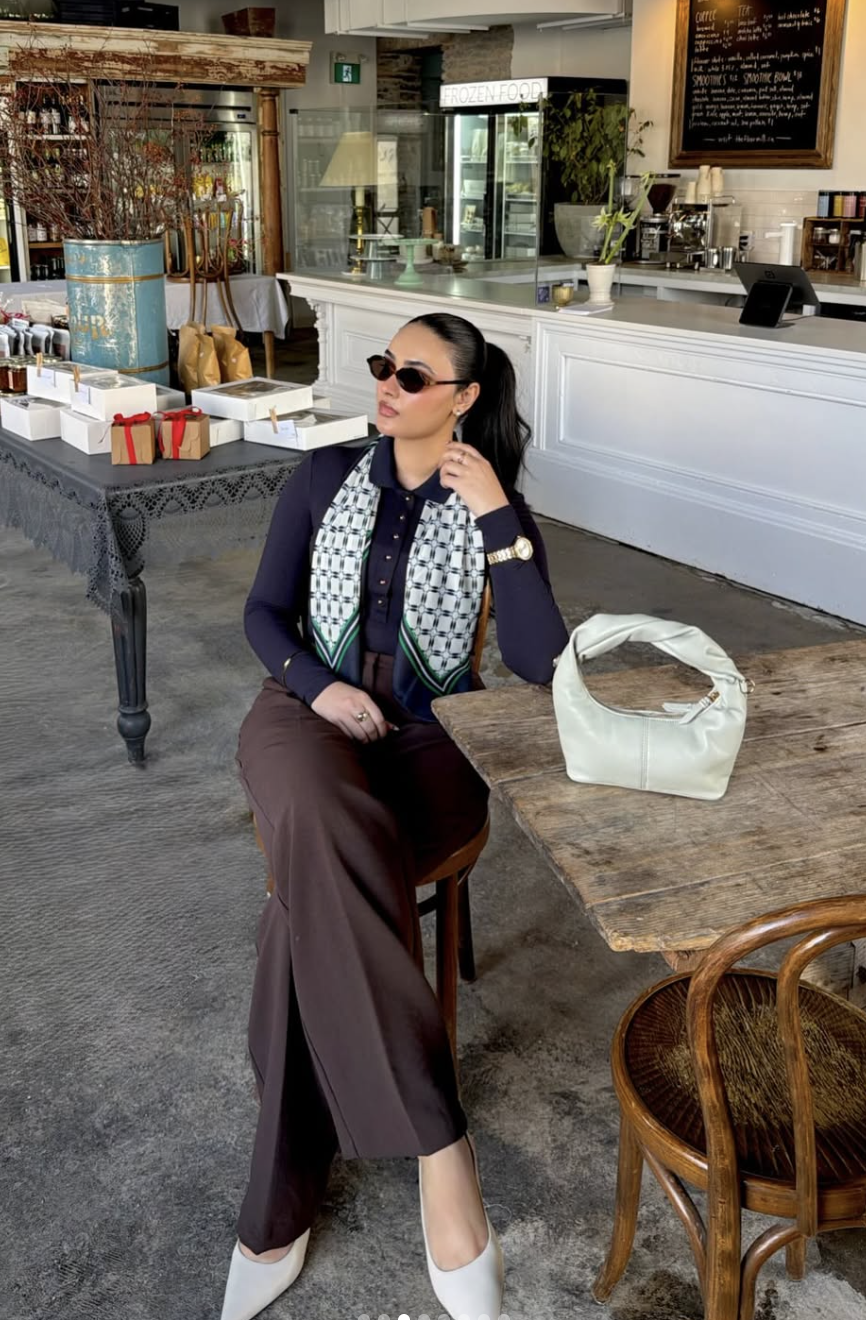
Photo Credit:@amaanpreet_gill
This is the most elegant way to wear a large scarf or shawl, and it requires zero effort.
Lay the scarf flat across your shoulders so both ends hang down the front. That's it. For a cleaner look, fold it in half lengthwise first so it sits narrower across your back. For a fuller, more dramatic look, leave it open.
This works beautifully over a sleeveless dress, a blazer, or a lightweight blouse. If you want it to stay put, add a brooch at the center of your chest to hold both sides in place.
Best for: Silk, pashmina, and cotton rectangle scarves.
The Belted Cape
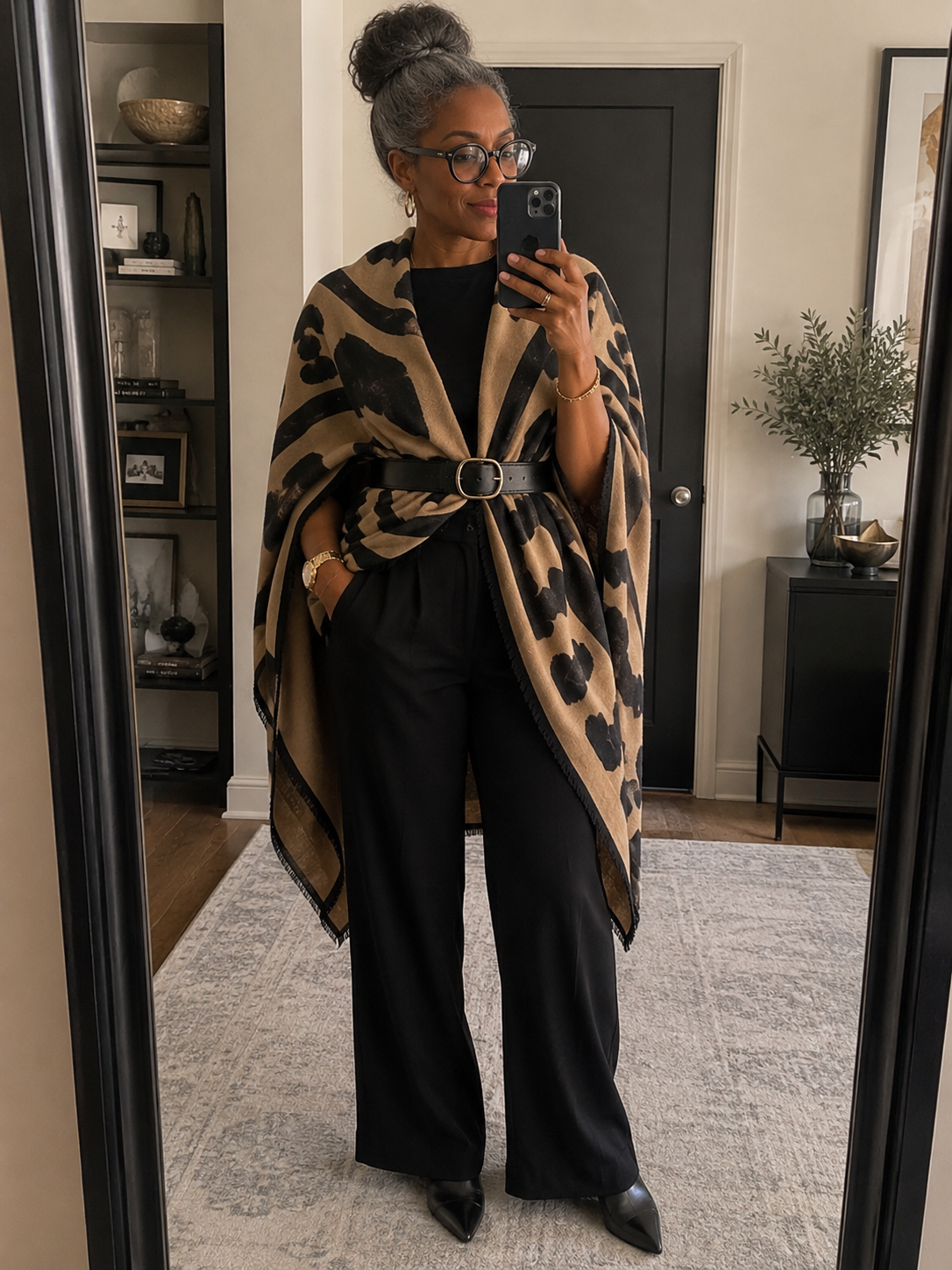
Photo Credit:@autumlovedaily
Take your classic shoulder drape one step further by adding a belt at the waist. Once the scarf is draped over your shoulders, wrap a belt around your waist on top of it and buckle or tie it closed.
The scarf becomes a cape. It's one of the easiest ways to make a scarf feel like an actual outfit piece rather than just an accessory.
A thin belt keeps it sleek. A wide belt gives it more of a structured, editorial feel.
Best for: Large rectangle scarves and oversized pashminas.
One-Shoulder Asymmetric Drape
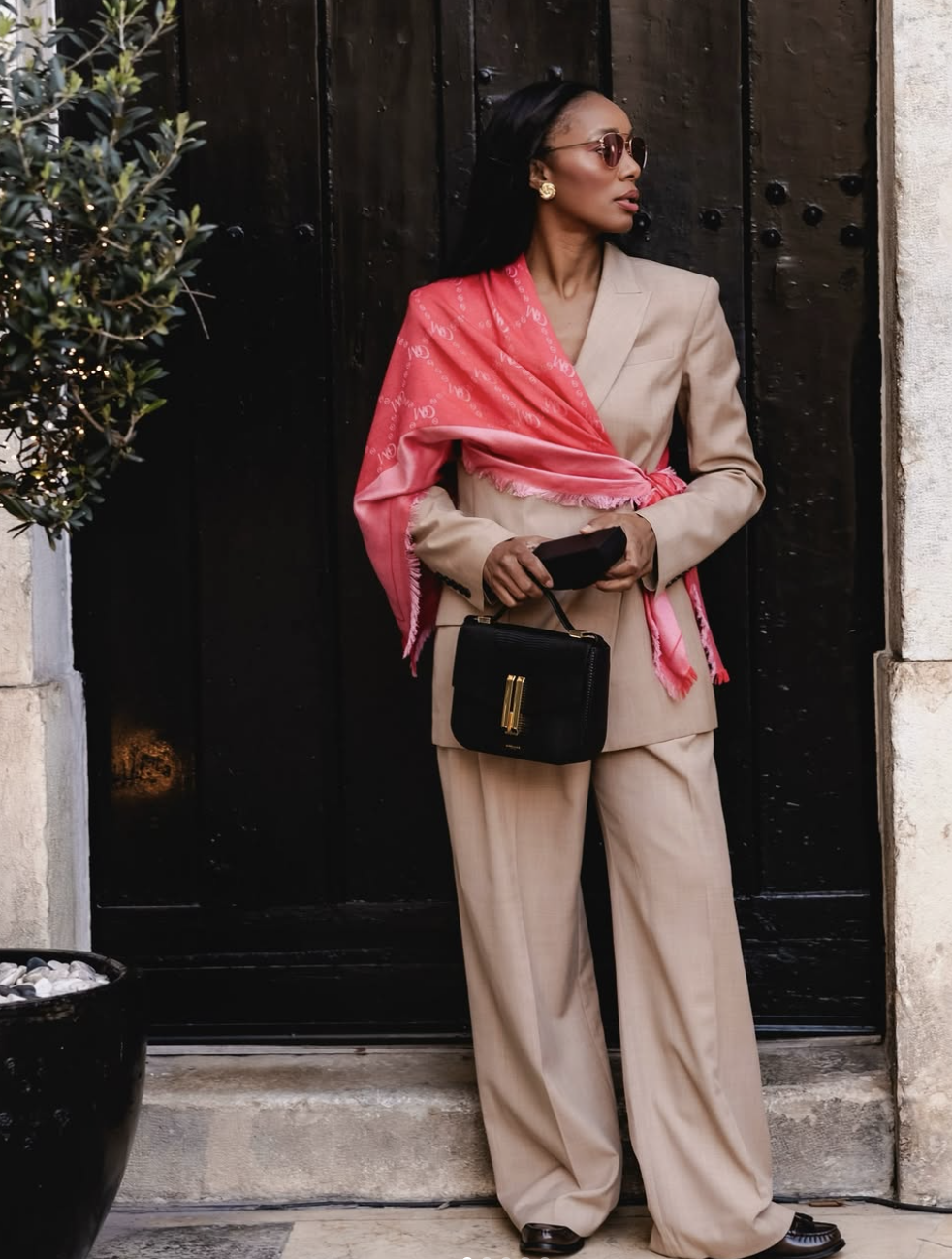
Photo Credit:@claudyamoreira
Instead of draping evenly across both shoulders, pull one end much longer than the other. Let the longer end fall down the front of your body and toss the shorter end back over the opposite shoulder. Secure it with a pin or brooch at the shoulder where the two ends cross. This works especially well for events or dinners where you want something a little more intentional than a basic drape.
Best for: Lightweight rectangle scarves and silk shawls.
The Front Knot
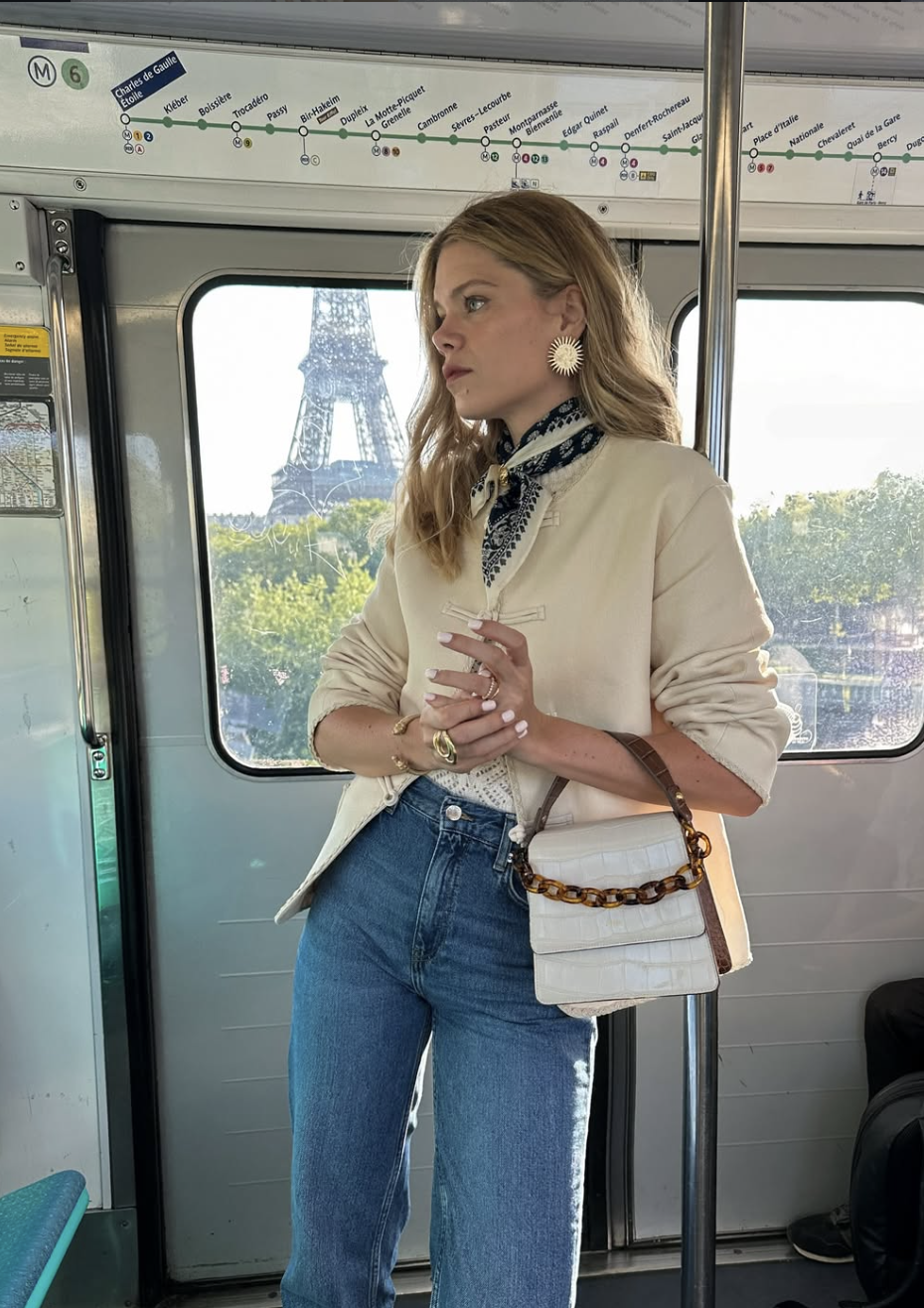
Photo Credit:@ elodieromy
Drape the scarf loosely over your shoulders. Take both front ends and tie them in a loose knot at chest height not too tight, just enough to hold. Let the rest hang naturally.
This is the casual version of the shoulder drape. It looks great with a white button-down, a linen set, or jeans and a tank. The knot adds just enough structure without overthinking it.
For an even more relaxed version, skip the knot entirely and just tuck one end into your waistband.
Best for: Cotton, linen, and chiffon rectangle scarves.
Around Your Neck
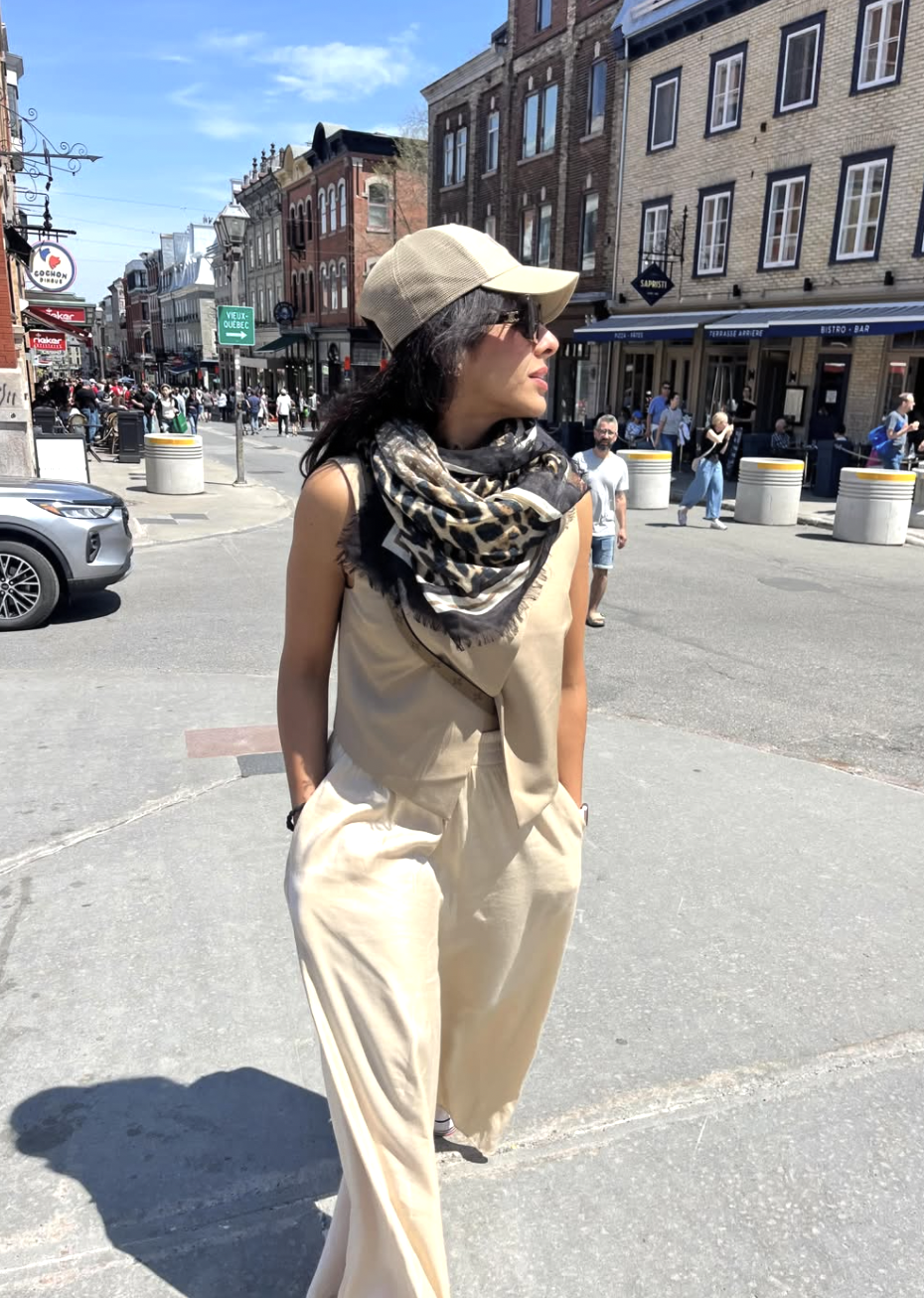
Photo Credit:@roperoyyc
Fold your scarf lengthwise until it's about 6–8 inches wide. Then wrap it once around your neck and let both ends hang in front.For a cleaner look, tuck both ends under the wrap so nothing is hanging. For a more casual look, let one end hang longer than the other and leave them loose.
This is the classic neck scarf method that works for spring and fall when you want coverage without bulk. It also works on its own as a statement necklace-style accent on a simple outfit.
Best for: Cotton, linen, and silk rectangle scarves.
Around Your Waist
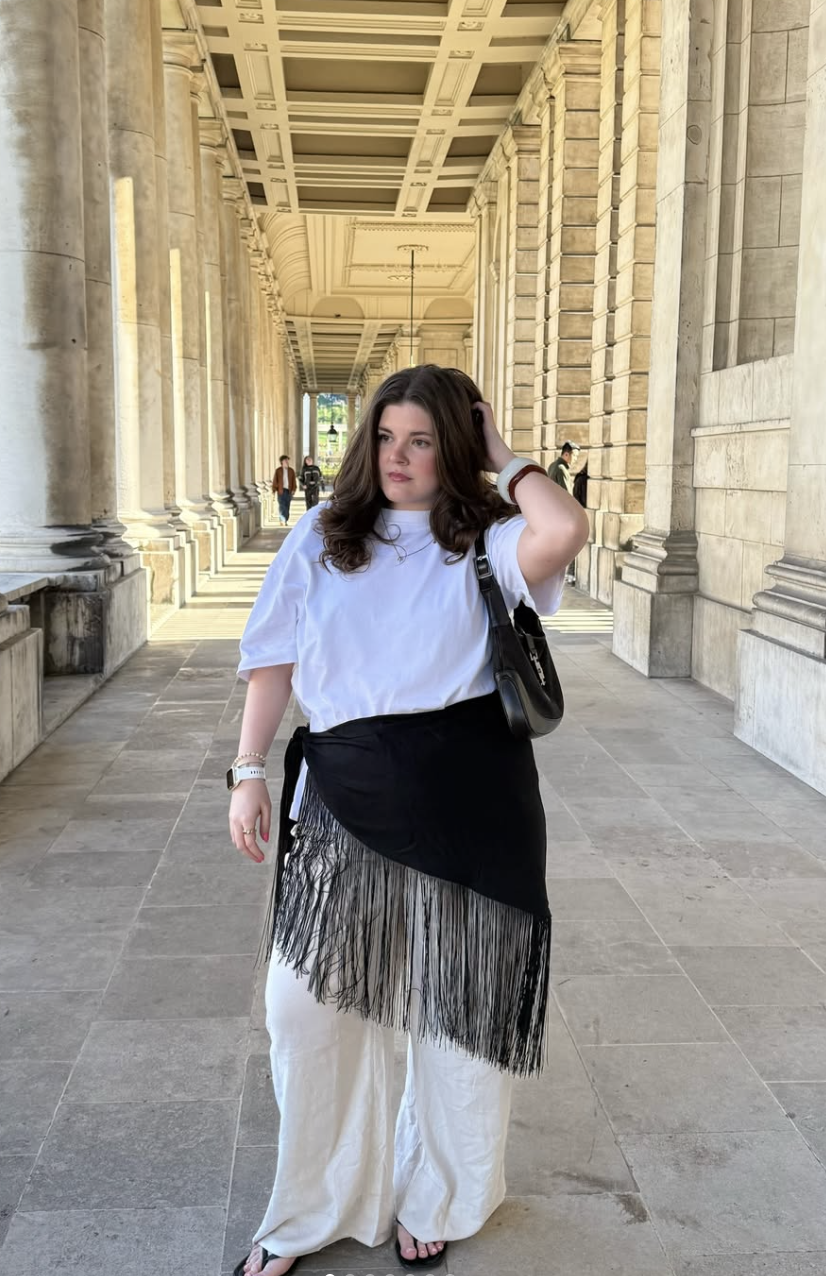
Photo Credit:@phoebemarthaevans
Take your large rectangle scarf and wrap it around your waist like a skirt. Hold one end at your hip, wrap the rest of the fabric around your body, and tuck or tie the remaining end at the waist.
For a longer skirt look, start the wrap higher on your waist. For a shorter wrap, start it lower on your hips. You can tie the ends in a knot at the front, side, or back — wherever feels most secure with your fabric.This is a great trick for beach days, vacations, or any time you want to add a layer over a swimsuit or slip dress without adding real weight to your outfit.
Best for: Large rectangle scarves in cotton, linen, or chiffon. Works best with 70"+ length.
Beach or Pool Coverup
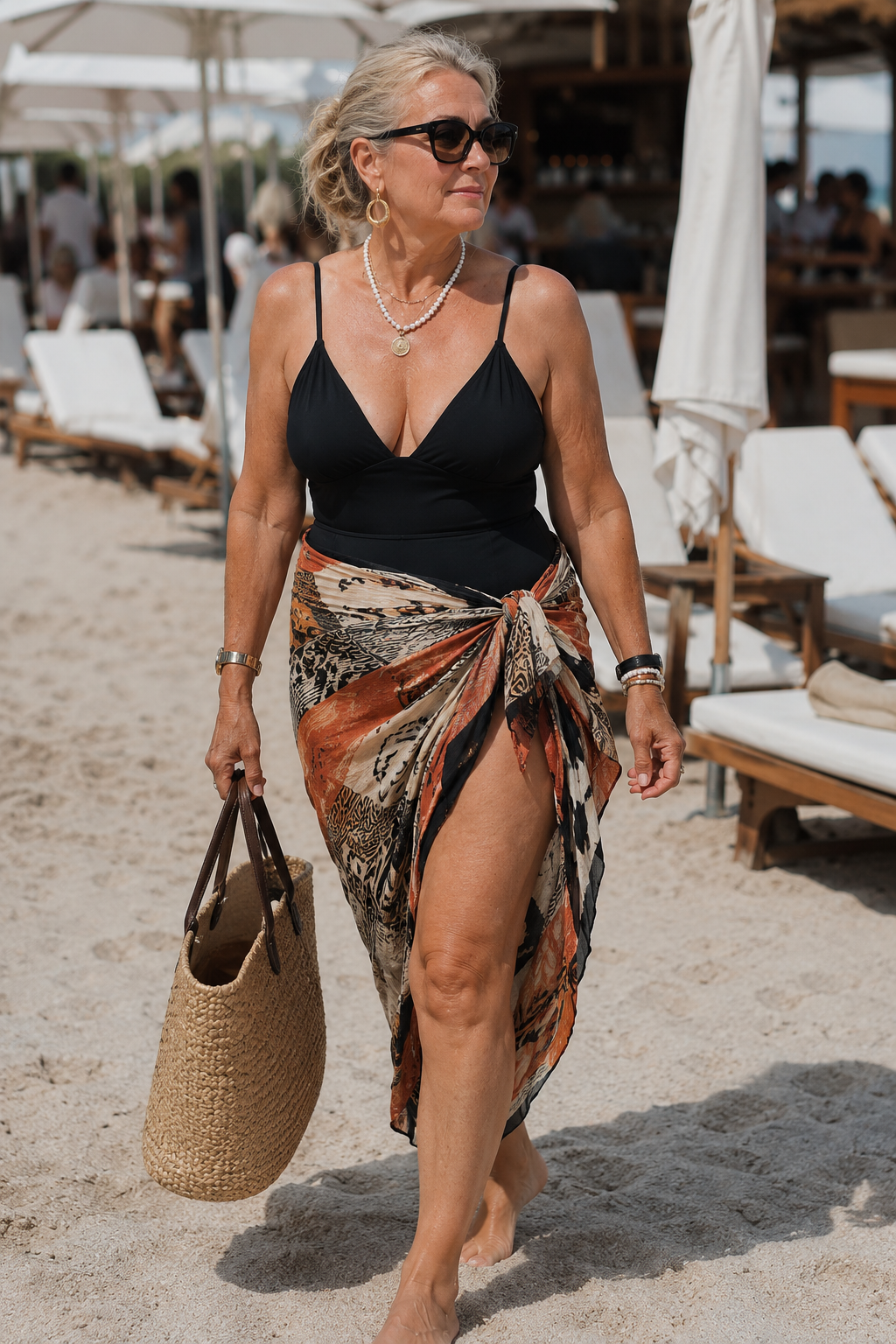
Similar to the wrap skirt, but tied at the chest instead of the waist.
Hold the scarf across the front of your body at chest height. Wrap the two ends around to the back, cross them, bring them back to the front, and tie in a knot. You now have a strapless coverup.For a halter version: bring the two back ends up and over your shoulders, then tie them behind your neck.Both versions work over a swimsuit and feel intentional not like you just grabbed a towel.
Best for: Chiffon, cotton, and linen rectangle scarves. Lightweight fabrics only.
Over a Blazer or Jacket
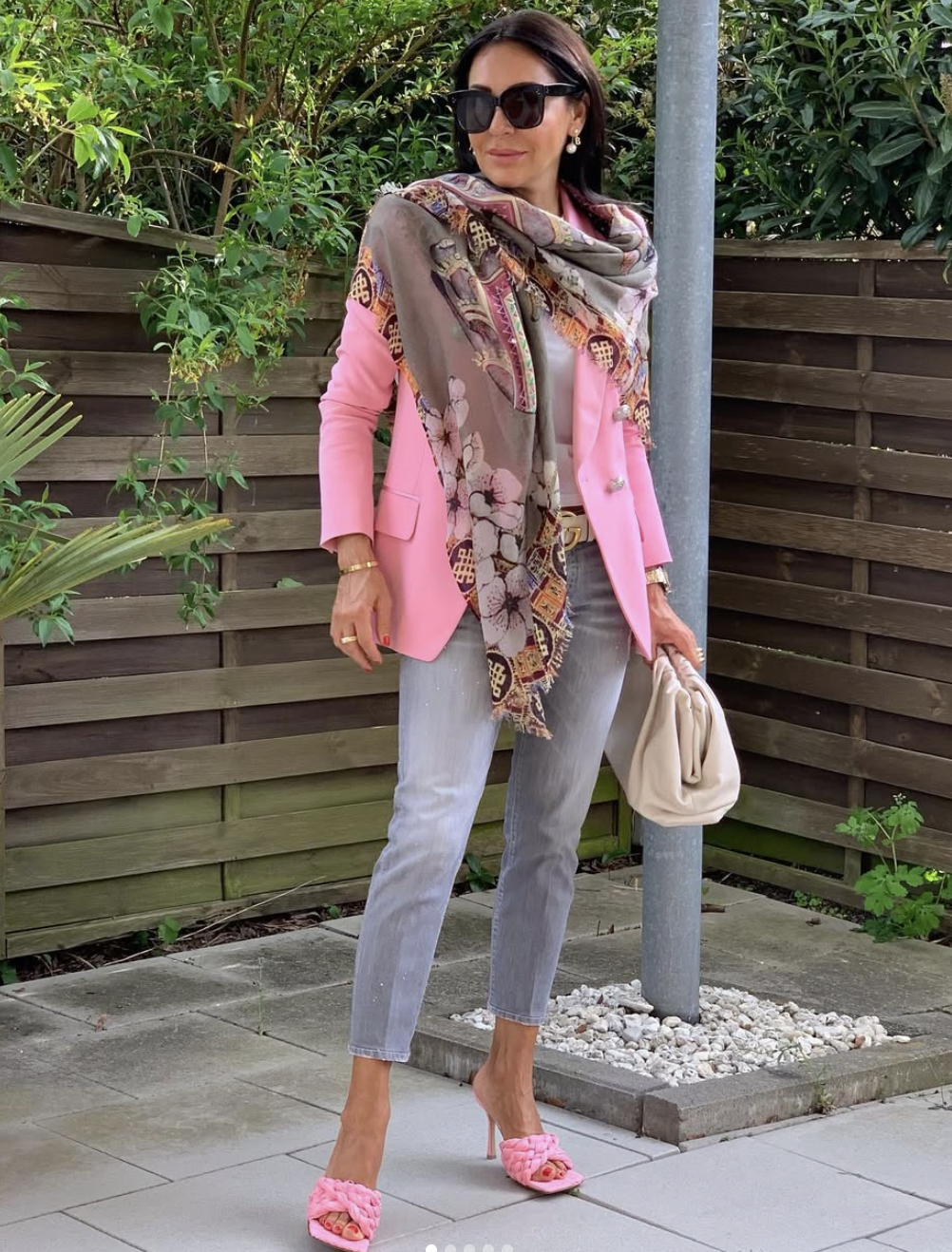
Photo Credit:@thevogue_dus
Drape your scarf loosely over your shoulders on top of a blazer, leather jacket, or structured coat. Let it hang naturally without pinning or tying.
The contrast between the structure of a jacket and the softness of the scarf is what makes this work. A floral or printed scarf over a neutral blazer is particularly strong. A solid scarf over a printed jacket grounds the look.
Don't overthink the placement. Slightly off-center is fine actually better than perfectly symmetrical here.
Best for: Printed or textured scarves in any fabric.
Wide Headband
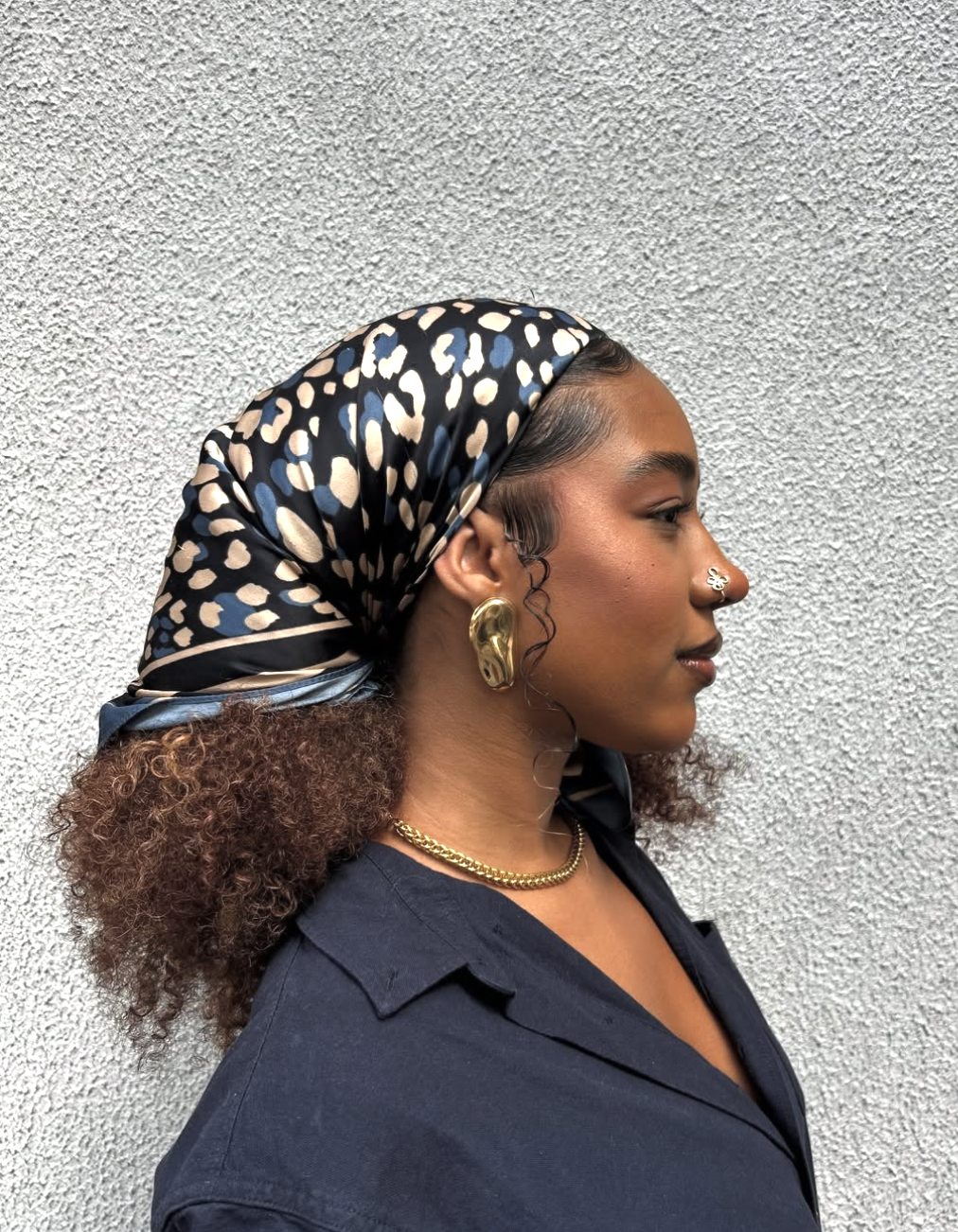
Photo Credit:@anacassimirof
Fold the scarf into a strip about 3–4 inches wide. Lay it over the top of your head from ear to ear, then tie it at the nape of your neck. Let the ends tuck under your hair or let them hang.
This works beautifully with a sleek updo or pulled-back hair and adds instant color to a simple outfit.
Best for: Lightweight rectangle and square scarves.
Head Wrap
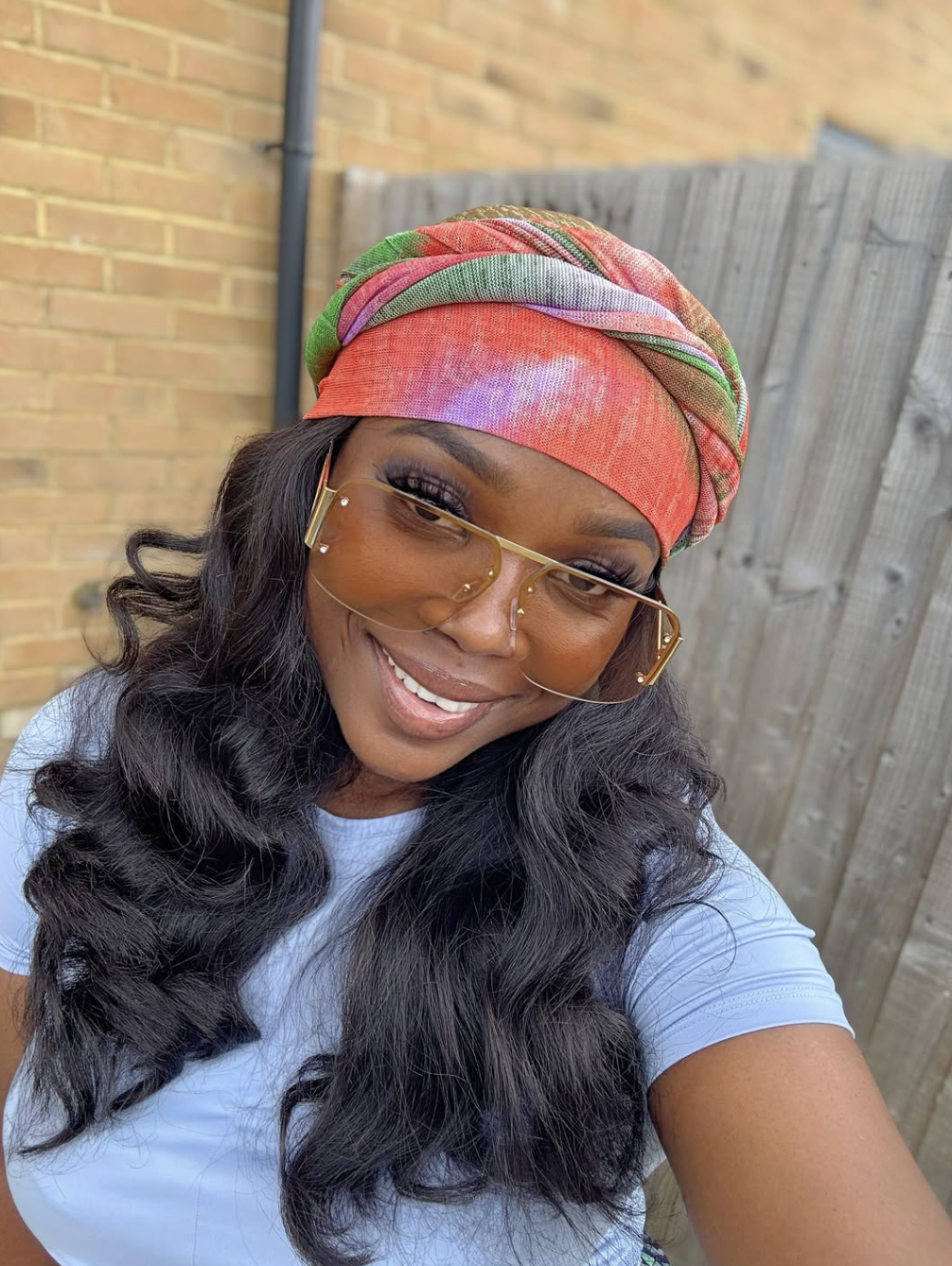
Photo Credit:@just_bibiluv
Fold the scarf into a long strip, then wrap it around your head like a turban crossing the ends at the top and tucking them in. This is more coverage, making it great for travel or whenever you want to add a bold accessory without adding jewelry.
Best for: Lightweight rectangle scarves. Avoid heavy or thick fabrics.
Bandana Tie
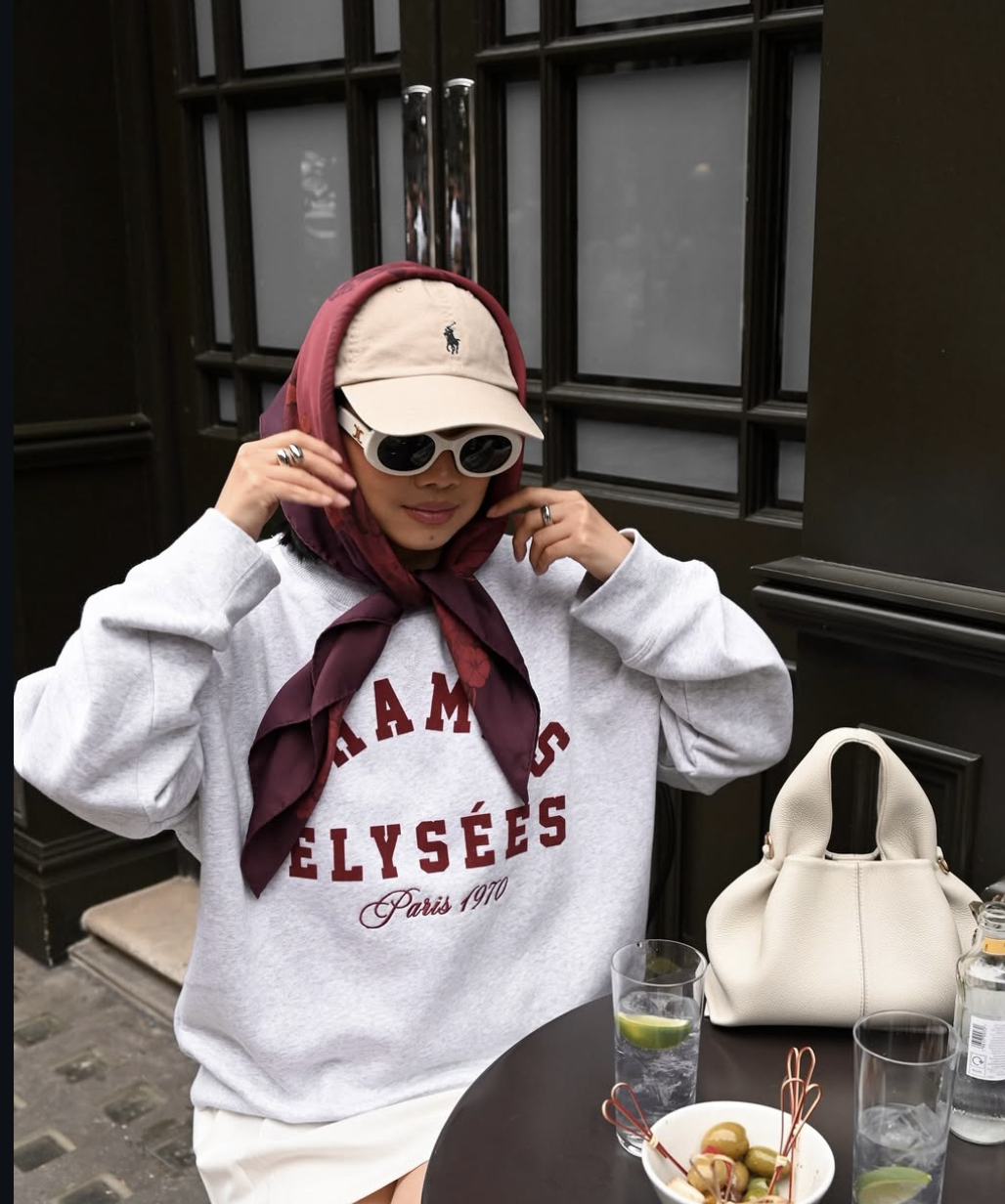
Photo Credit:@sybil.tingc
Fold the scarf diagonally into a triangle. Place the flat edge at your forehead and tie the two pointed ends at the back of your head. Let the triangle tip hang at the back.
This is the most casual of the hair styles works with everything from a hoodie to a sundress.
Best for: Lightweight rectangle and square scarves.
Tied to a Handbag
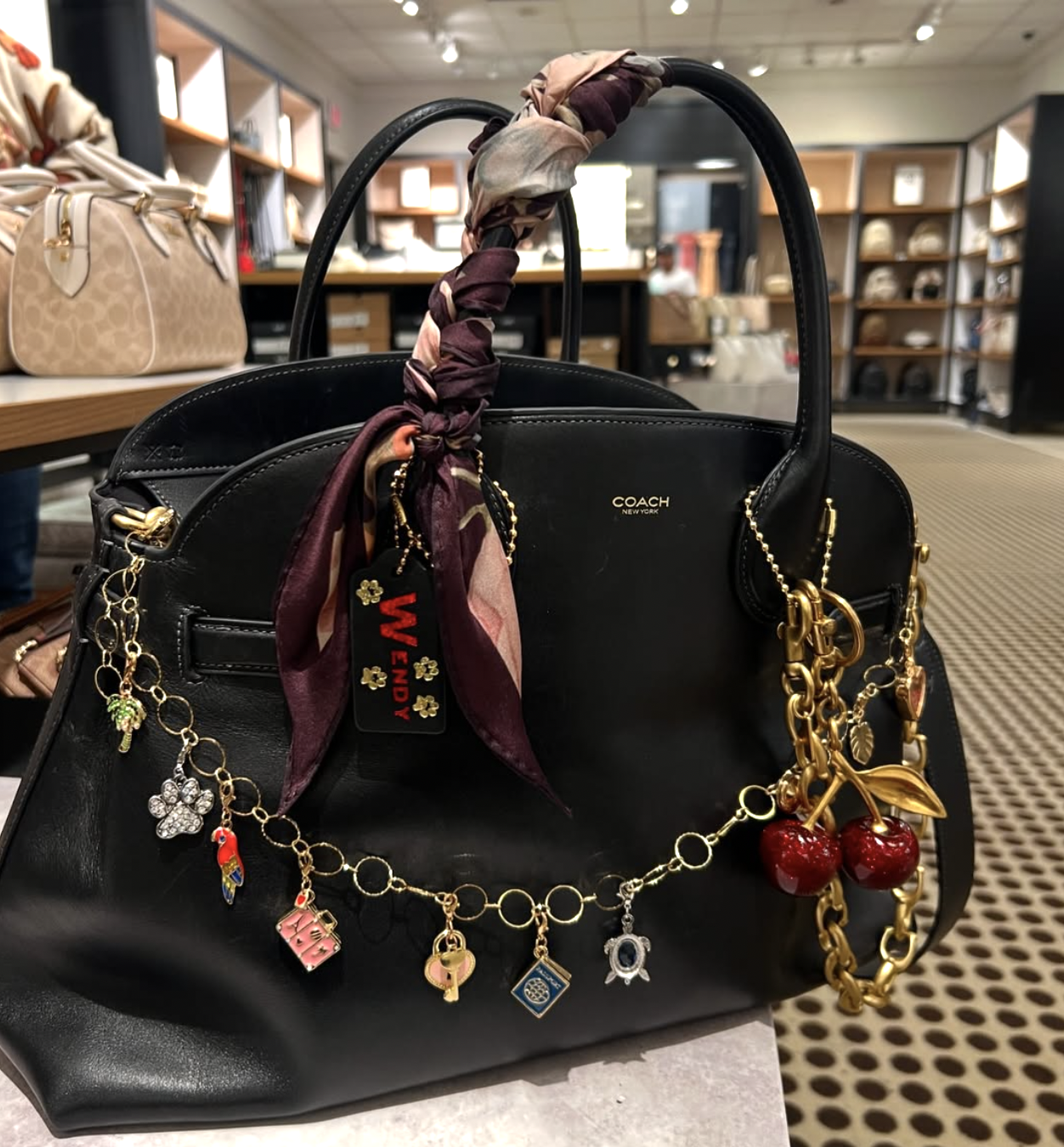
Photo Credit:@shop.the.shore
This one doesn't go on your body at all and it's just as effective.
Take one corner of your scarf and tie it around the handle of your bag. Let the rest of the scarf hang loosely. A colorful or printed scarf on a neutral bag (think beige tote, black crossbody) instantly elevates the whole outfit.
It's also a smart trick when the weather changes and you need your scarf off but don't want to stuff it in your bag. Tie it to the outside and it becomes part of the look.
Best for: Silk and lightweight cotton scarves. Heavier fabrics will weigh down the handle.
How to Tie a Silk Scarf
Silk scarves deserve their own section because they behave differently than every other fabric. They slip, they slide, and a sloppy knot will look like exactly that.
A few tips that make a difference:
Use a scarf ring
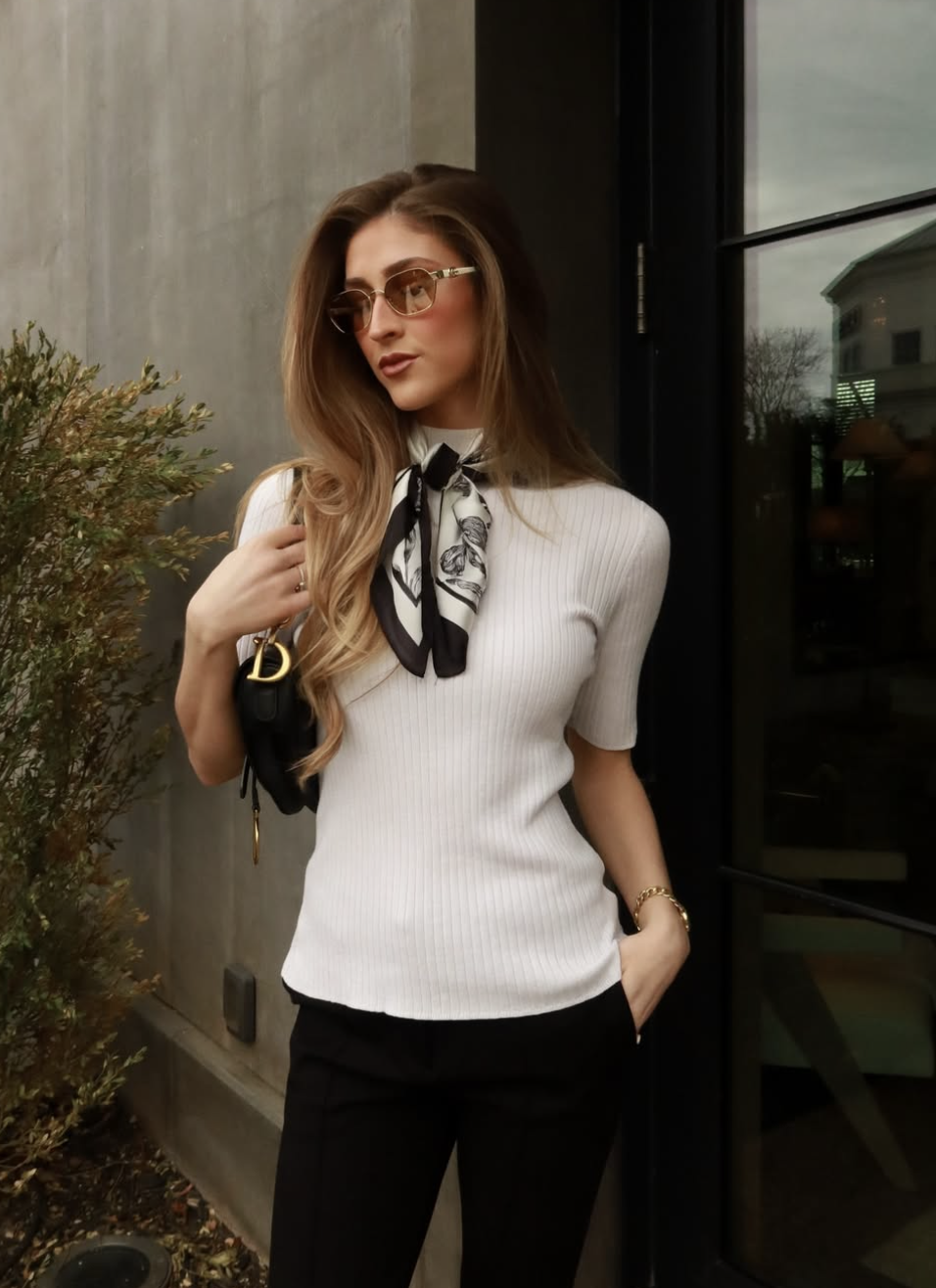
Photo Credit:@mckennalush
Thread one end through a ring, drape the scarf around your neck, and thread the other end through the ring from the other side. The ring holds it in place without a knot.
The Parisian knot
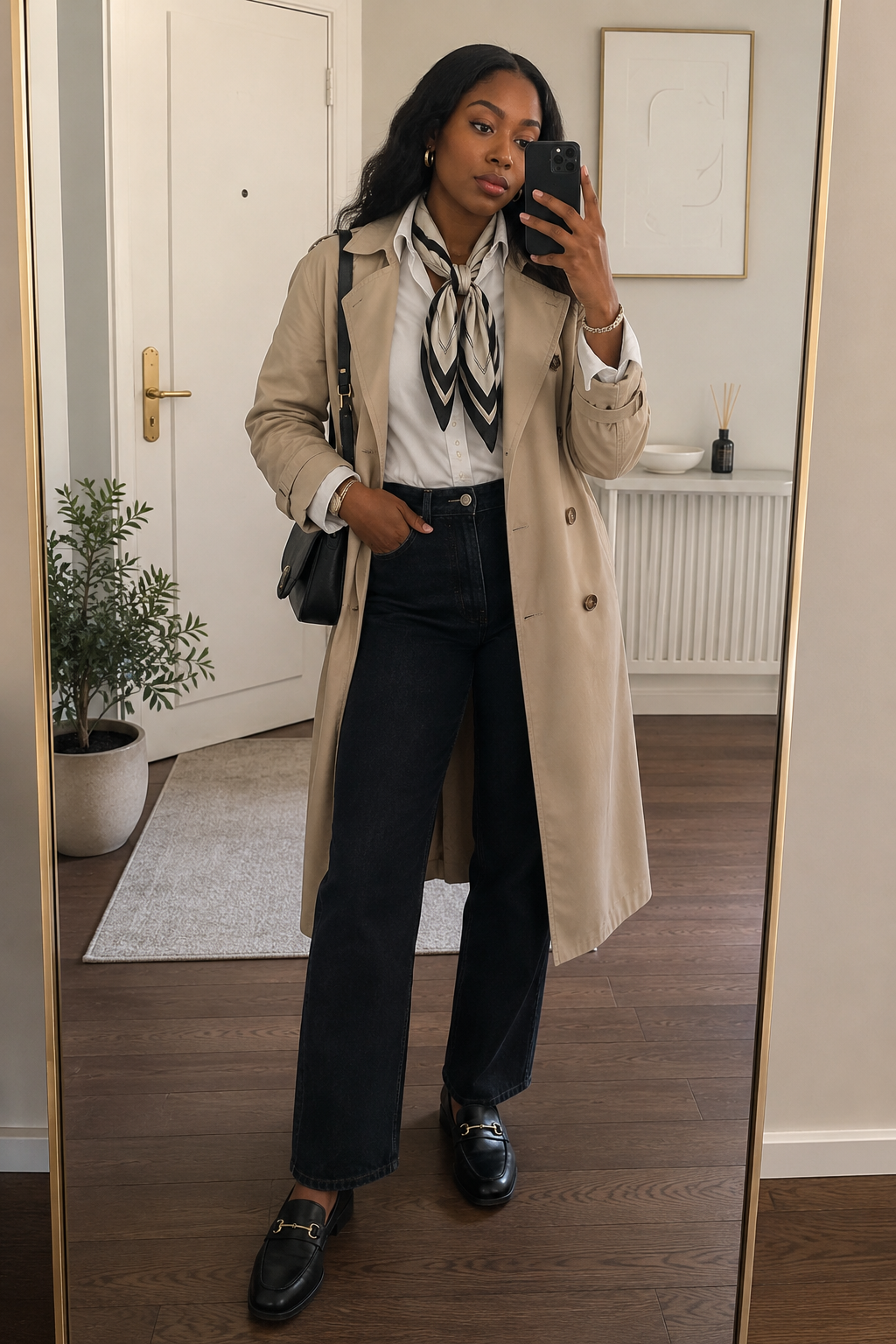
Photo Credit:@autumlovedaily
Fold the scarf in half lengthwise to create a loop. Drape it around your neck with the loop on one side and the two loose ends on the other. Pull the loose ends through the loop and adjust. Clean, classic, stays put.
For shoulder drapes
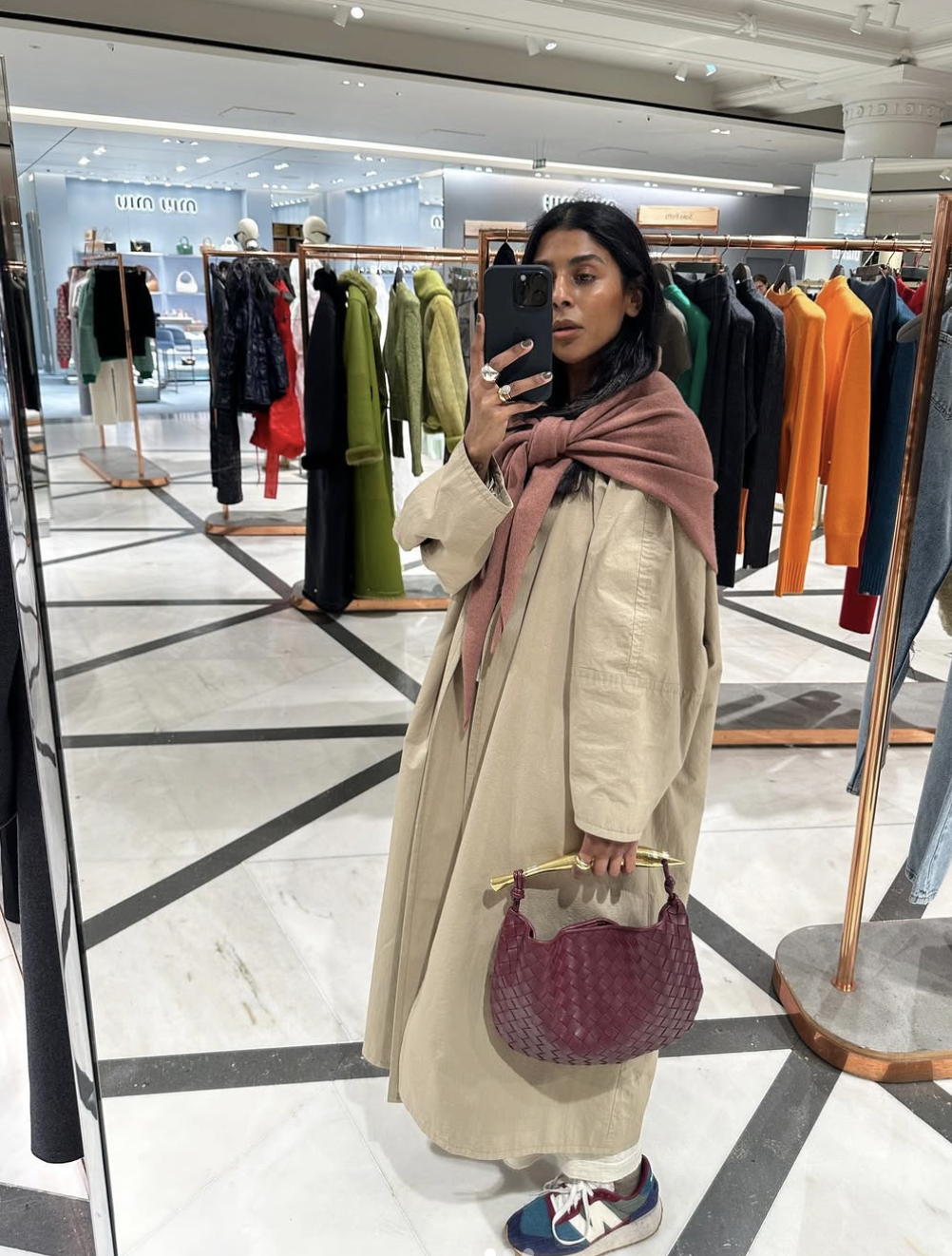
Photo Credit:@monikh
Secure a silk scarf with a gold brooch or pin. Without it, silk will slide off your shoulder within minutes.
For head wraps
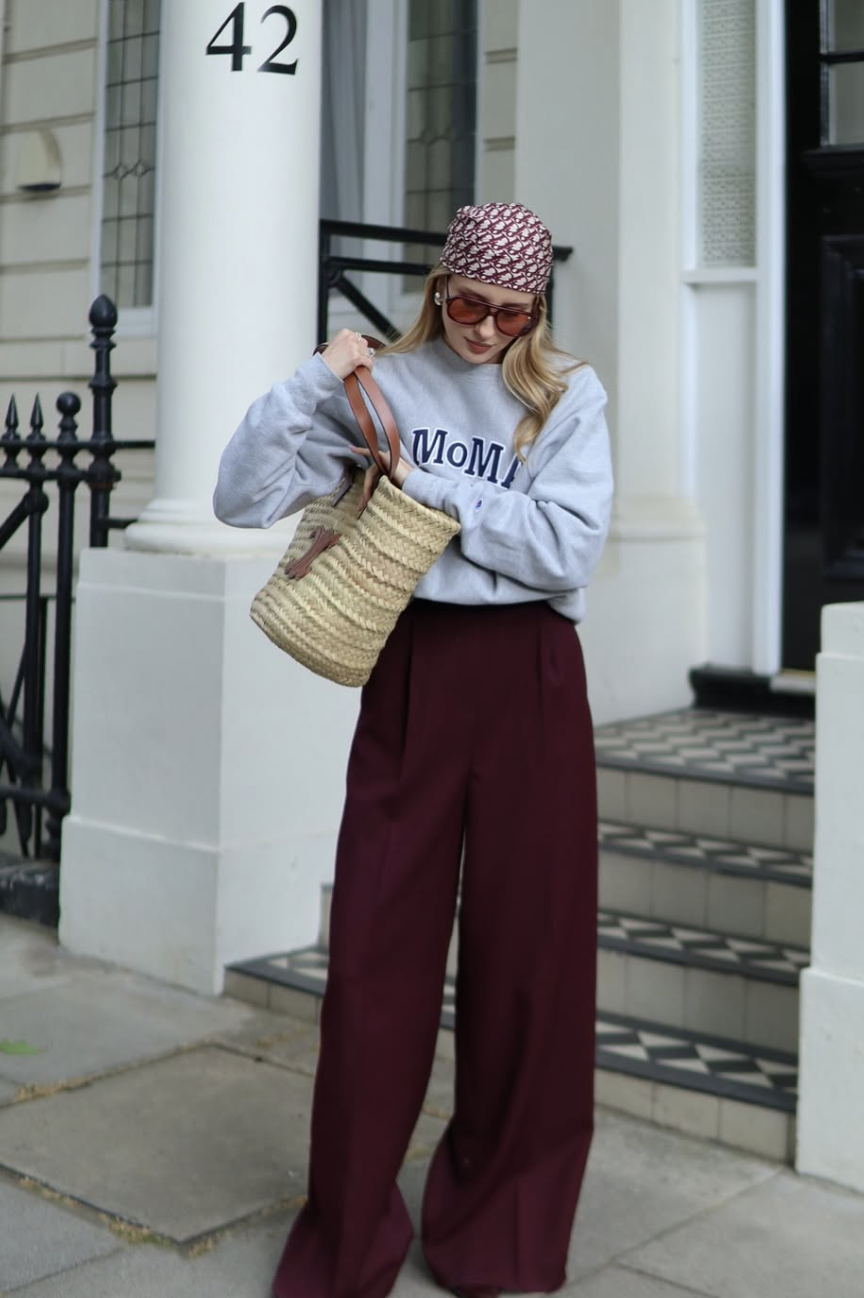
Photo Credit:@valerie.kei
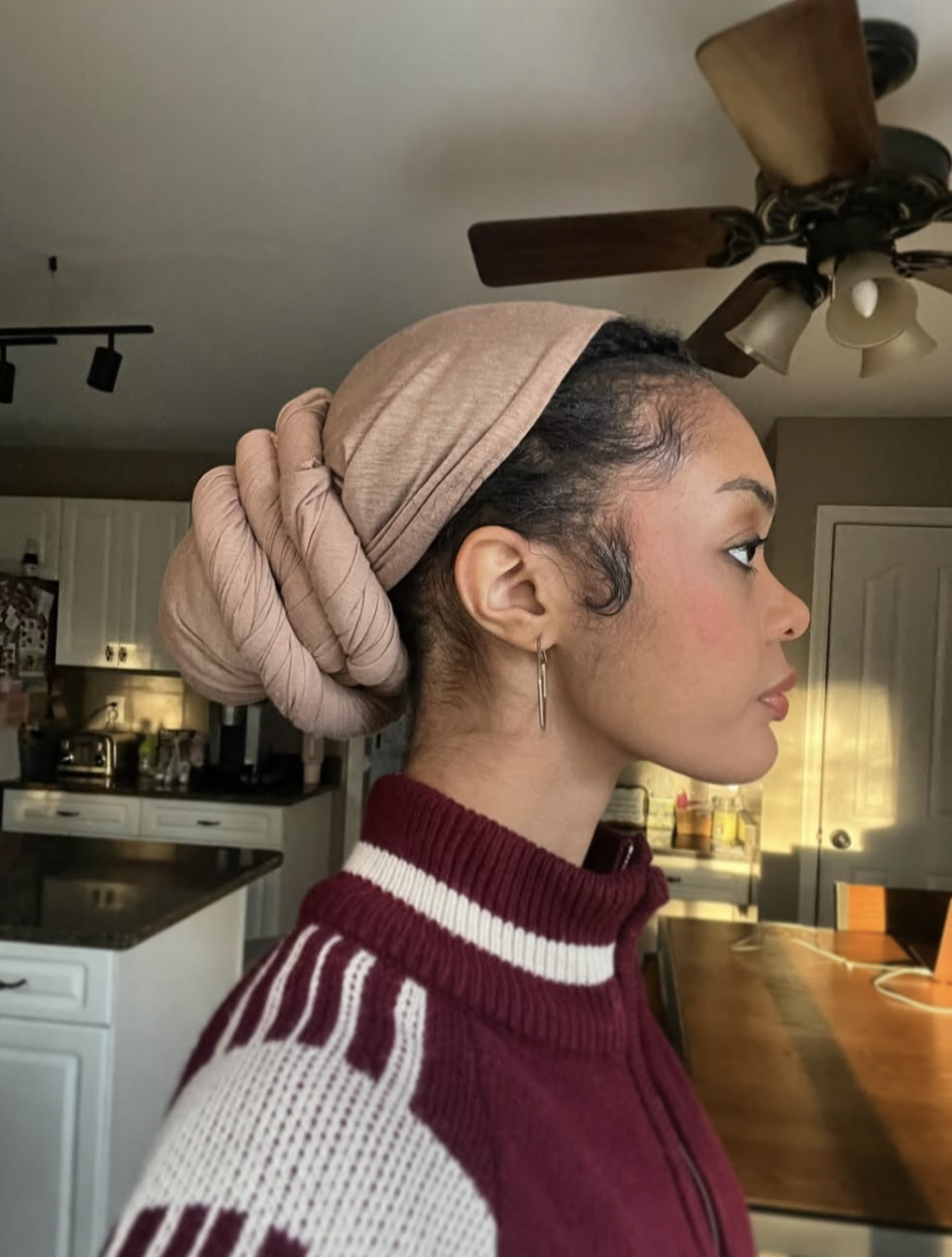
Photo Credit:@iamkaylagreen
A thin elastic headband underneath the scarf gives silk something to grip so it stays in place.
How to Wear a Pashmina Shawl
Pashminas are thicker and more structured than your average scarf, which actually makes them easier to style. They hold a drape without much effort.
The classic wrap
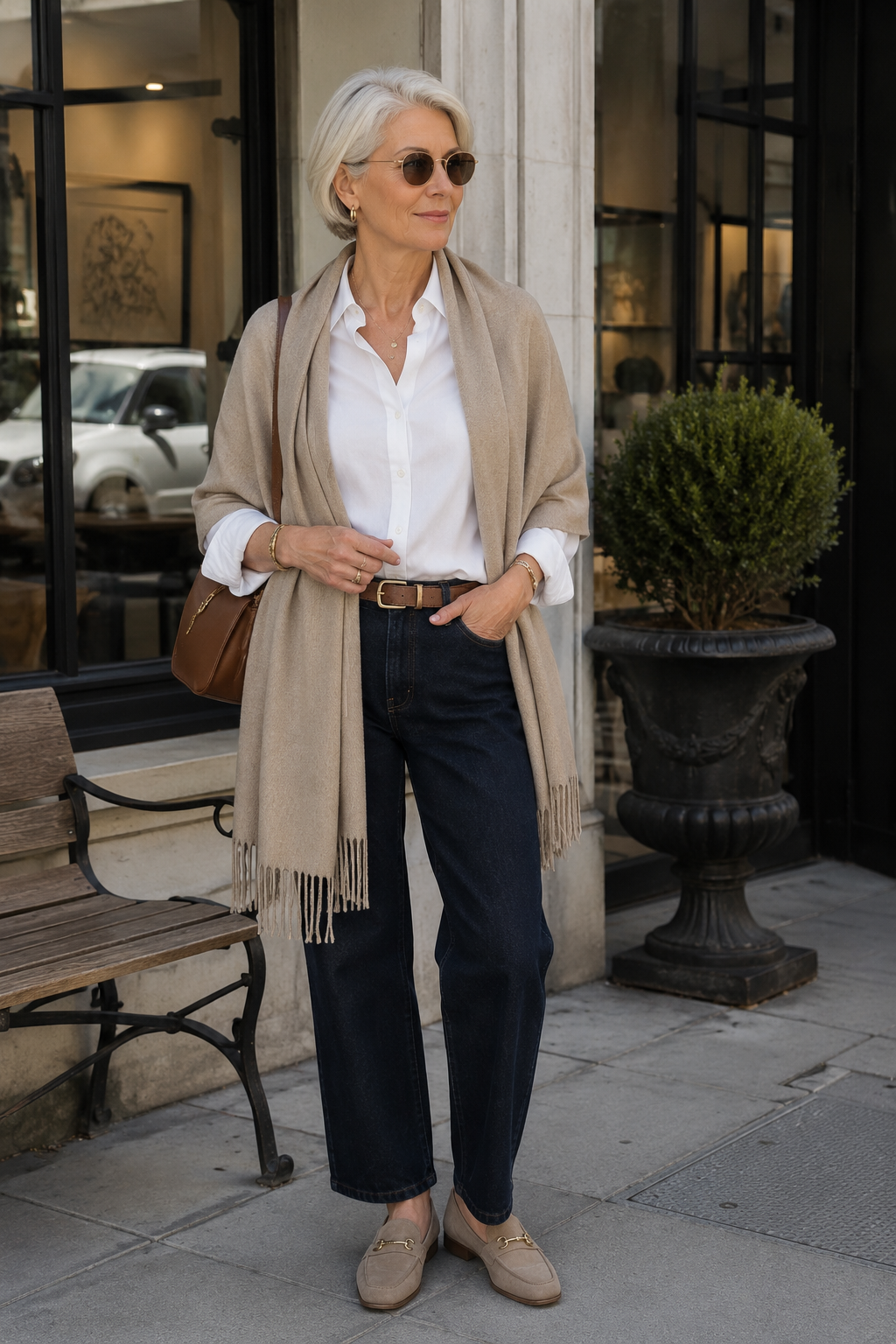
Photo Credit:@autumlovedaily
Fold the pashmina in half lengthwise. Drape it over your shoulders with the fold at your back. Bring both front ends forward. You can leave them hanging, tie them loosely, or tuck them into a belt.
The one-shoulder pin:
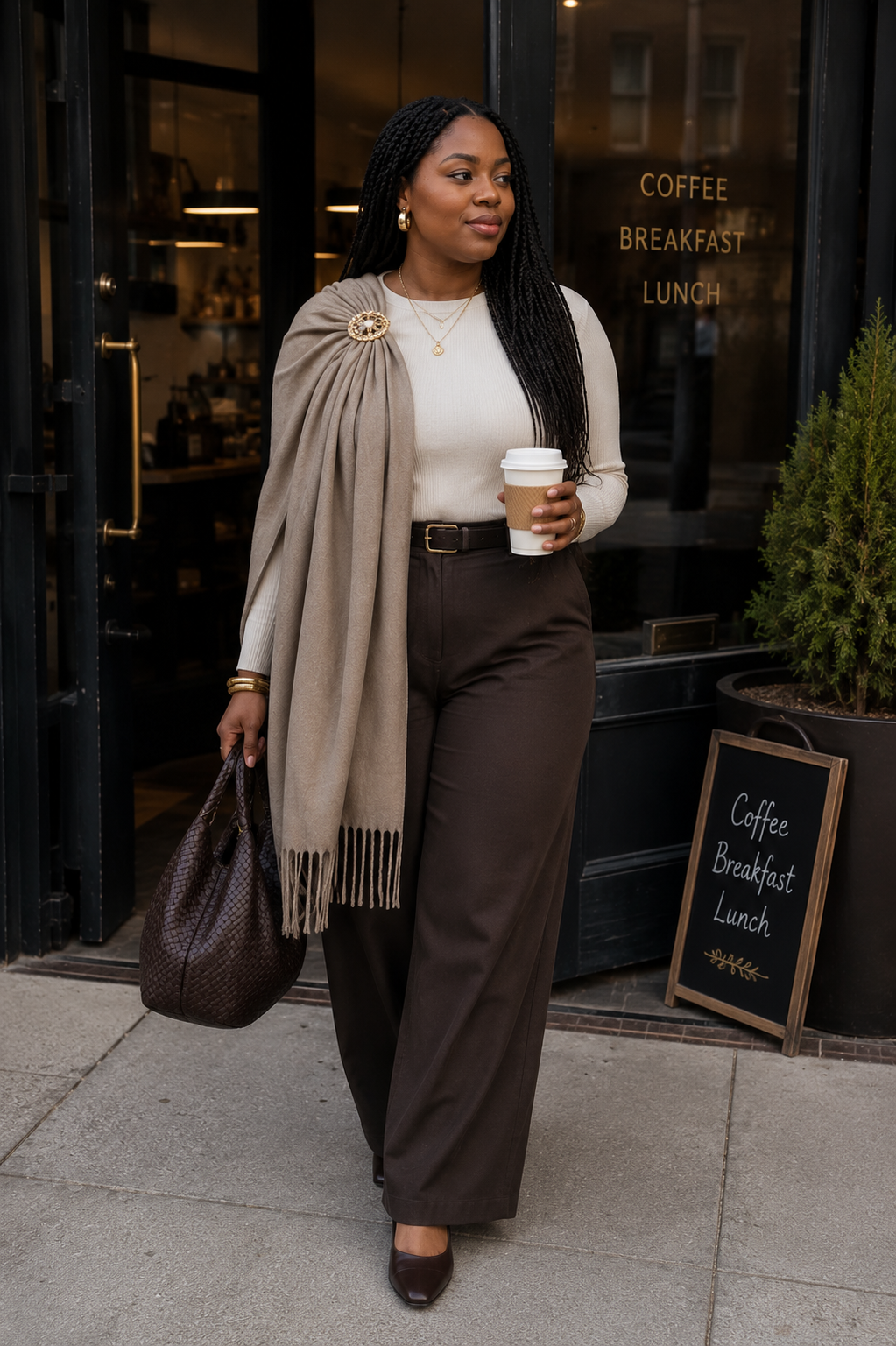
Photo Credit:@autumlovedaily
Drape the pashmina over one shoulder with both ends hanging down the front. Use a brooch to pin it at the shoulder. This keeps it from slipping and adds a jewelry element to the look.
The cozy wrap

Photo Credit:@zaraynaf
In cooler weather, wrap the pashmina around your body like a cocoon across your back, both ends crossing at the front, tucked into each other or held with your arms. It functions like a lightweight coat and looks intentional when paired with a sleek outfit underneath.
Because pashminas have more body, they also work exceptionally well with the belted cape method above the fabric holds the shape better than something lighter would.
You May Also Like:
7 Genius Hacks Fashion Editors Use to Walk In Heels Effortlessly
15 Ways To Shop Your Closet This Summer (Without Feeling Repetitive)
How to Put an Outfit Together: 52 Styling Rules for a Better Wardrobe
✦ Creator images used for editorial purposes only. All rights belong to their respective creators. We always link and give credit.
✦ Check Out Our Men's Site
Trending on MensOutfitsDaily