17 Monochromatic Outfit Ideas That Will Make You Want to Wear One Color Forever
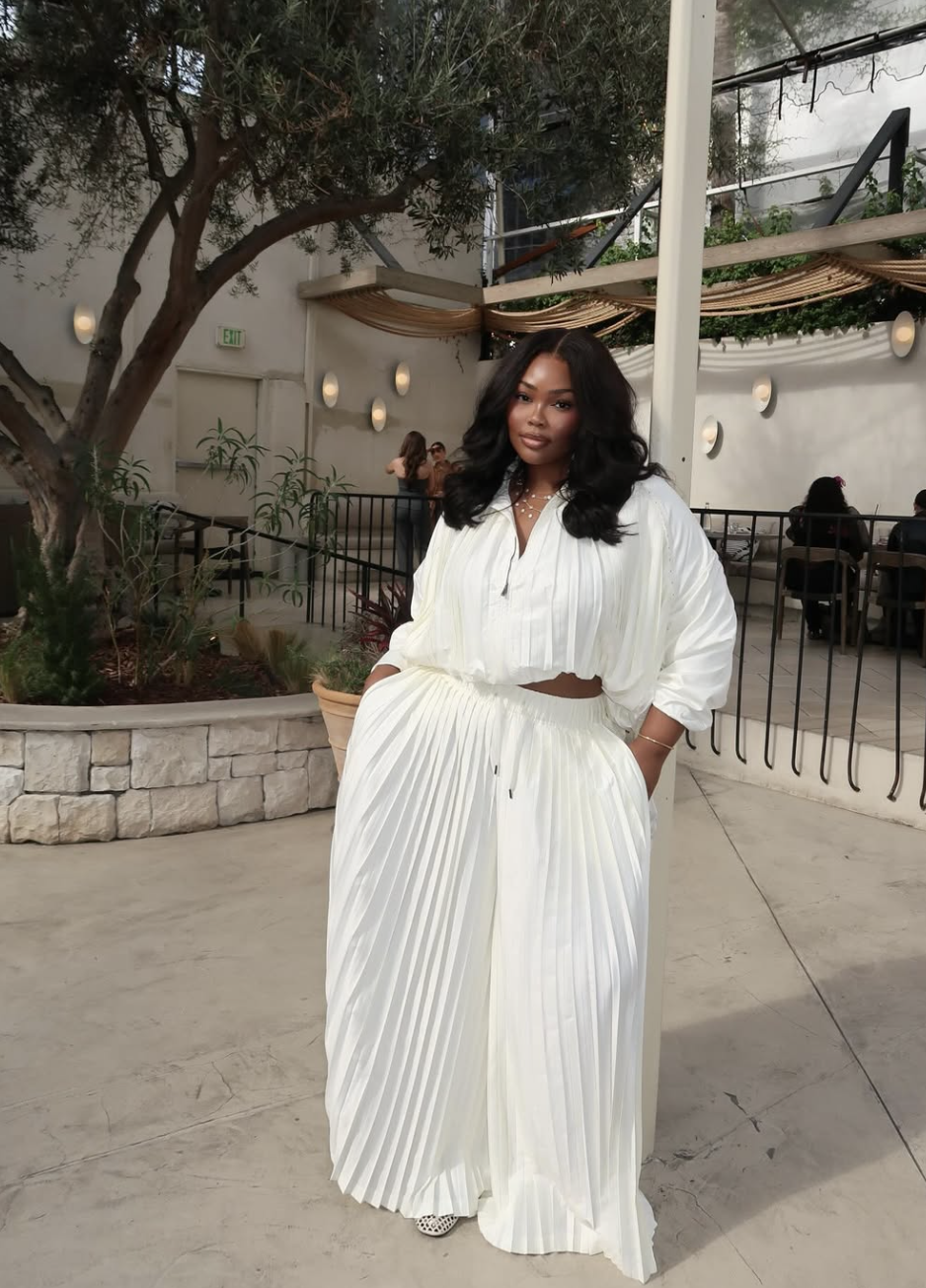
Photo Credit:@makaylamashelle
If you’ve ever wanted to achieve instant polish with zero effort, the answer isn't a new trend it's a color strategy. Whether you call it a one color outfit, a single color outfit, or a tone-on-tone look, this streamlined approach to dressing is the ultimate fashion cheat code.
The real magic of tonal dressing (as the fashion circuit calls it) is the immediate elongating and slimming effect it creates. By removing the harsh horizontal lines that usually break up our silhouette, you create one continuous vertical column of color. The result? You look taller, more intentional, and significantly more expensive without spending an extra dime or overthinking your closet.
What is Monochromatic?
At its core, monochromatic fashion means wearing an outfit made up of only one color. However, it’s rarely about finding an exact, identical match for every piece. Instead, it’s about crafting a cohesive look using various shades, tints, and textures within the same color family to create depth.
Monochrome vs. Monochromatic vs. Tonal Dressing
While these terms are often used interchangeably in casual conversation, here is the quick breakdown of the "stylist speak" you'll see in your favorite fashion feeds:
Monochromatic: The technical umbrella term for wearing one color from head to toe.
Monochrome: Historically, this refers to black and white, but in modern street style, it’s used as a universal shorthand for any single-color vibe.
Tonal Dressing: This is the most modern way to describe the look. It implies you are playing with different "tones" (the light and dark versions) of one color to add dimension so the outfit doesn't look flat.
Whether you're reaching for creamy oatmeal knits or a bold tone-on-tone ensemble, mastering this technique will revolutionize your morning routine. Stick with us as we show you how to build a look that is as simple as it is striking.
1. The Power of All Black
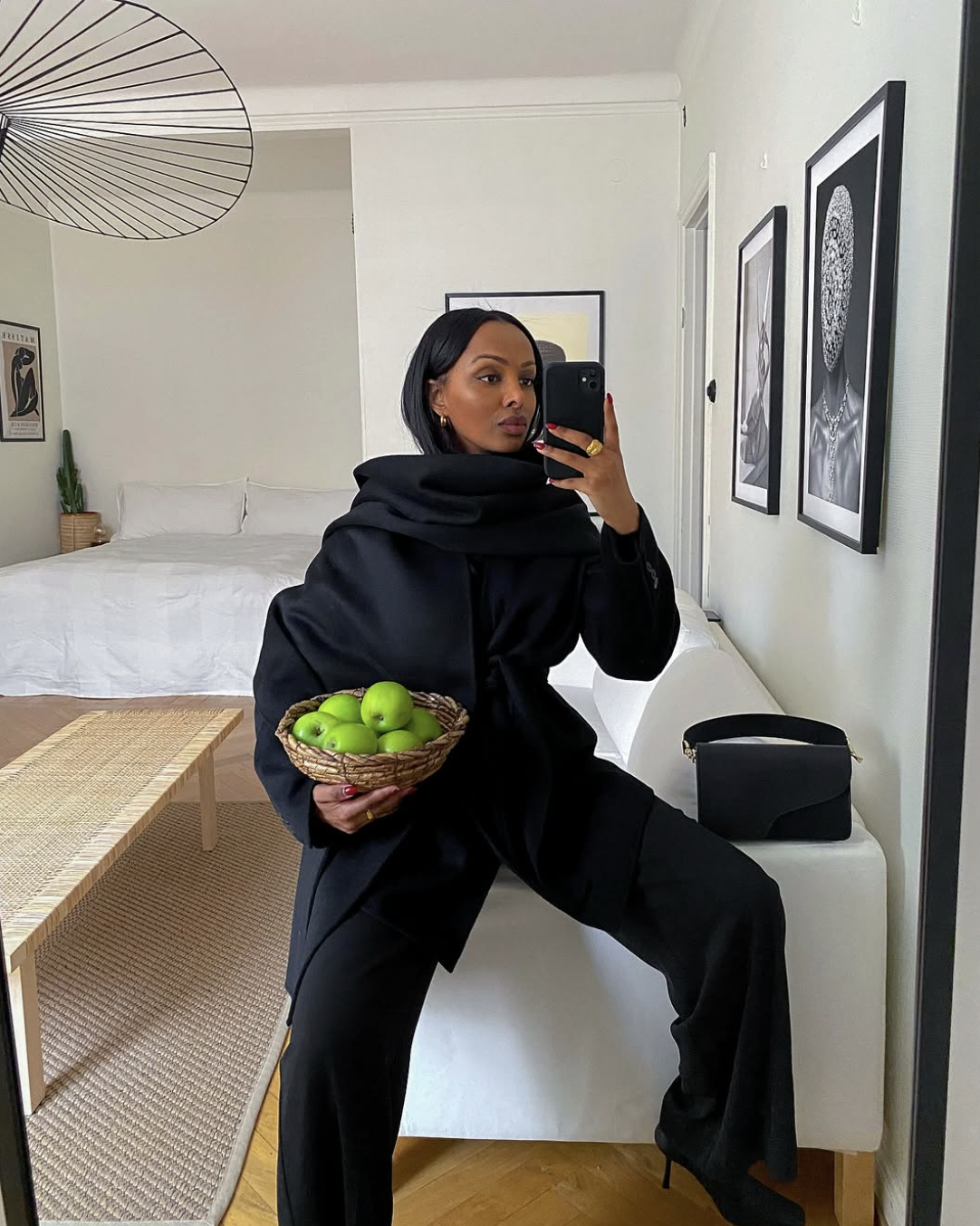
photo credit:@femmeblack
The all black outfit is the ultimate fashion safety net, but when done with intention, it’s anything but basic. It is the quickest way to achieve that quiet luxury monochrome aesthetic because it naturally hides differences in price points, making a high-street find look like designer couture.
Styling Note: To keep a single-color black look from looking "flat," mix your materials. Pair a matte wool trouser with a high-shine patent leather boot or a silk camisole under a structured blazer to create visual depth.
2. Elevated All White & Ivory
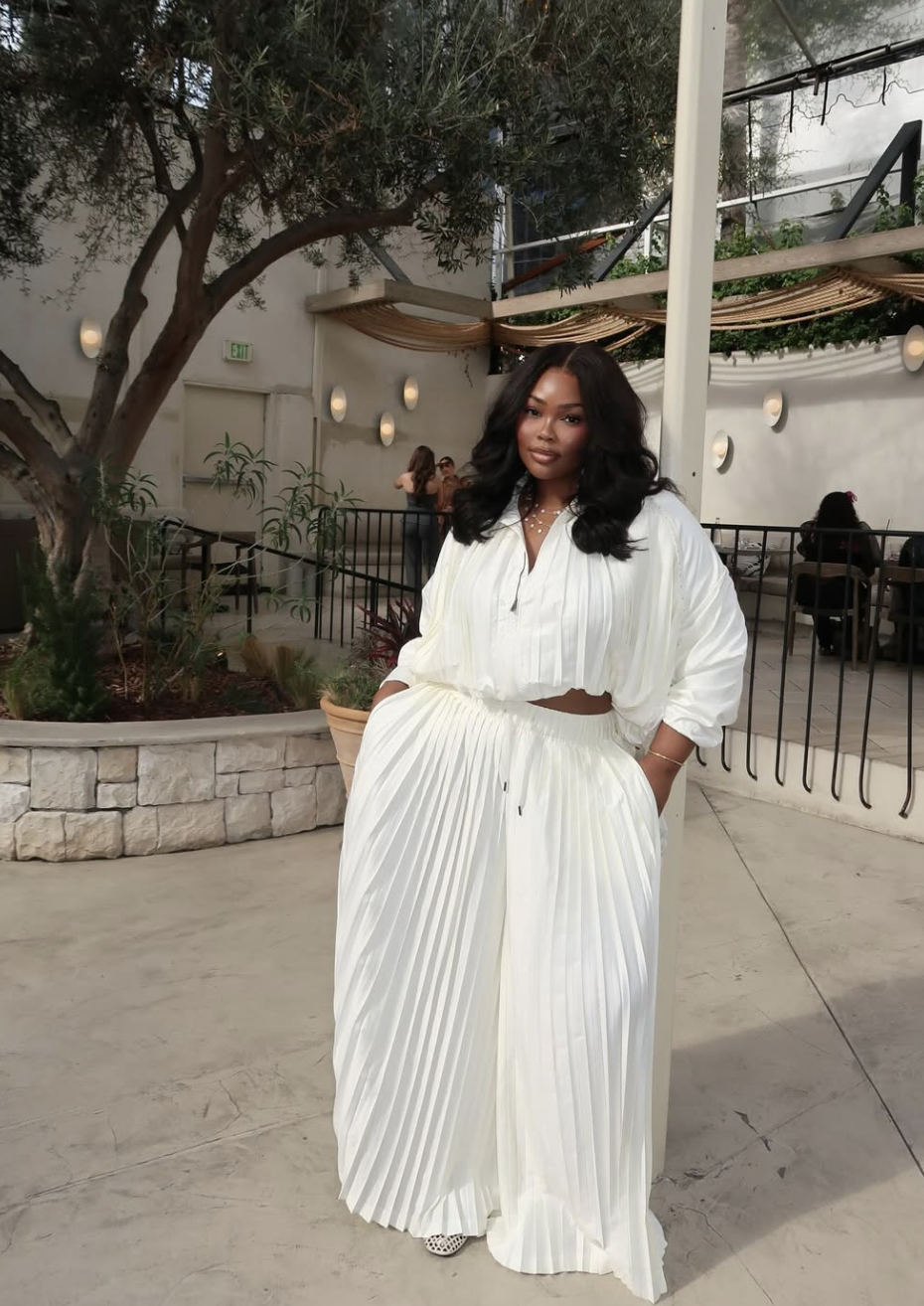
Photo Credit:@makaylamashelle
To master an all-white monochromatic outfit, lean into tonal dressing by mixing crisp whites with softer shades of cream, oatmeal, and ivory. This prevents the look from feeling like a clinical uniform and instead creates a rich, multi-dimensional aesthetic that feels intentional and high-end.
Styling Note: Incorporate a variety of weights and finishes, such as a chunky cable-knit sweater paired with a flowy silk midi skirt. This contrast in fabric ensures your tonal outfit looks expensive and curated rather than flat.
3. The Minimalist All Beige & Oatmeal
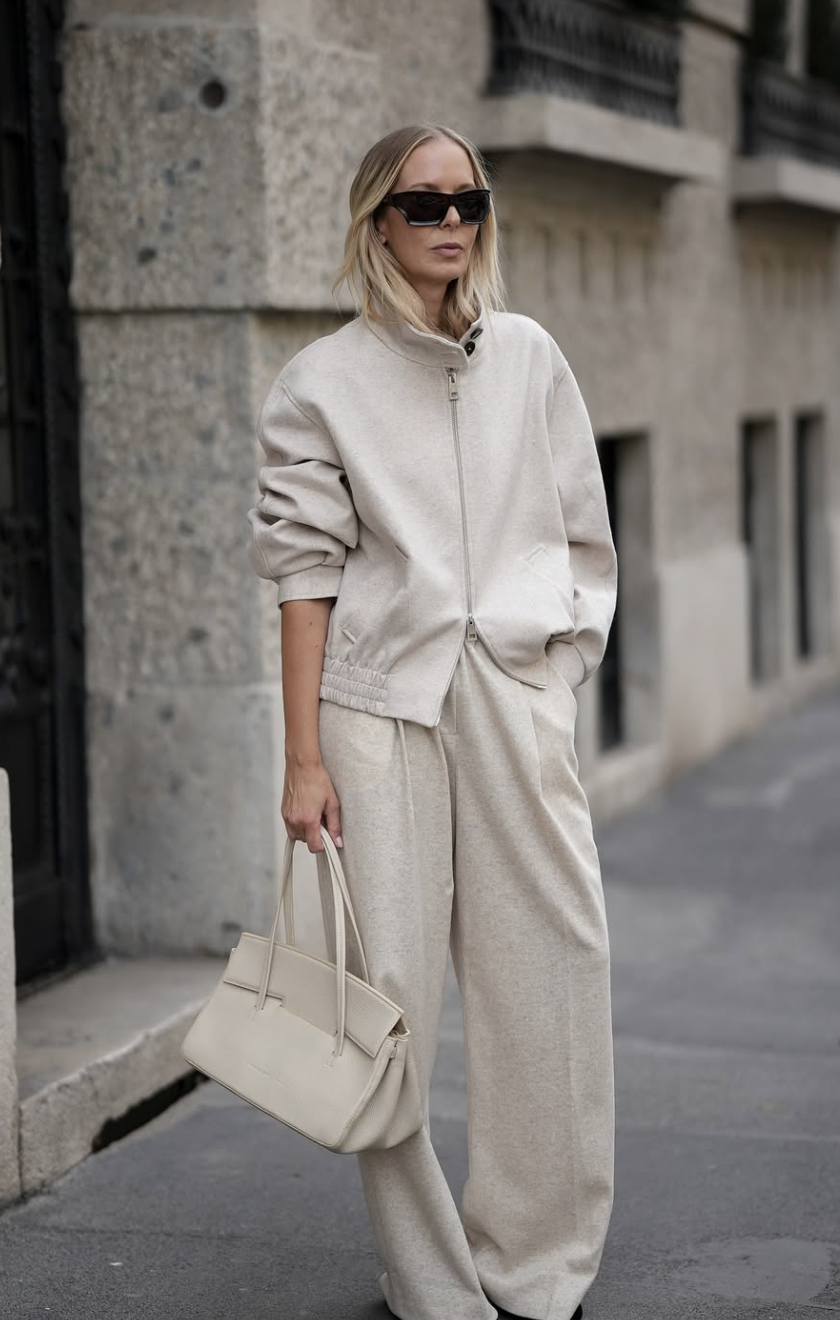
Photo Credit:@mirjaklein
The all-beige outfit is the cornerstone of the "Quiet Luxury" movement, offering a look that is both grounded and incredibly fresh. Sticking to these sandy neutrals is a fail-safe way to look expensive, as the light-reflecting tones naturally brighten the complexion and create a seamless, high-end monochromatic aesthetic.
Styling Note: To prevent beige from looking washed out, focus on silhouette and structure like a wide-leg trouser paired with a tucked-in oversized knit. Adding a tonal accessory in a slightly different texture, like a suede bag or smooth leather belt, provides the necessary contrast to keep the look modern.
4. Rich Earth Tones & Chocolate Brown
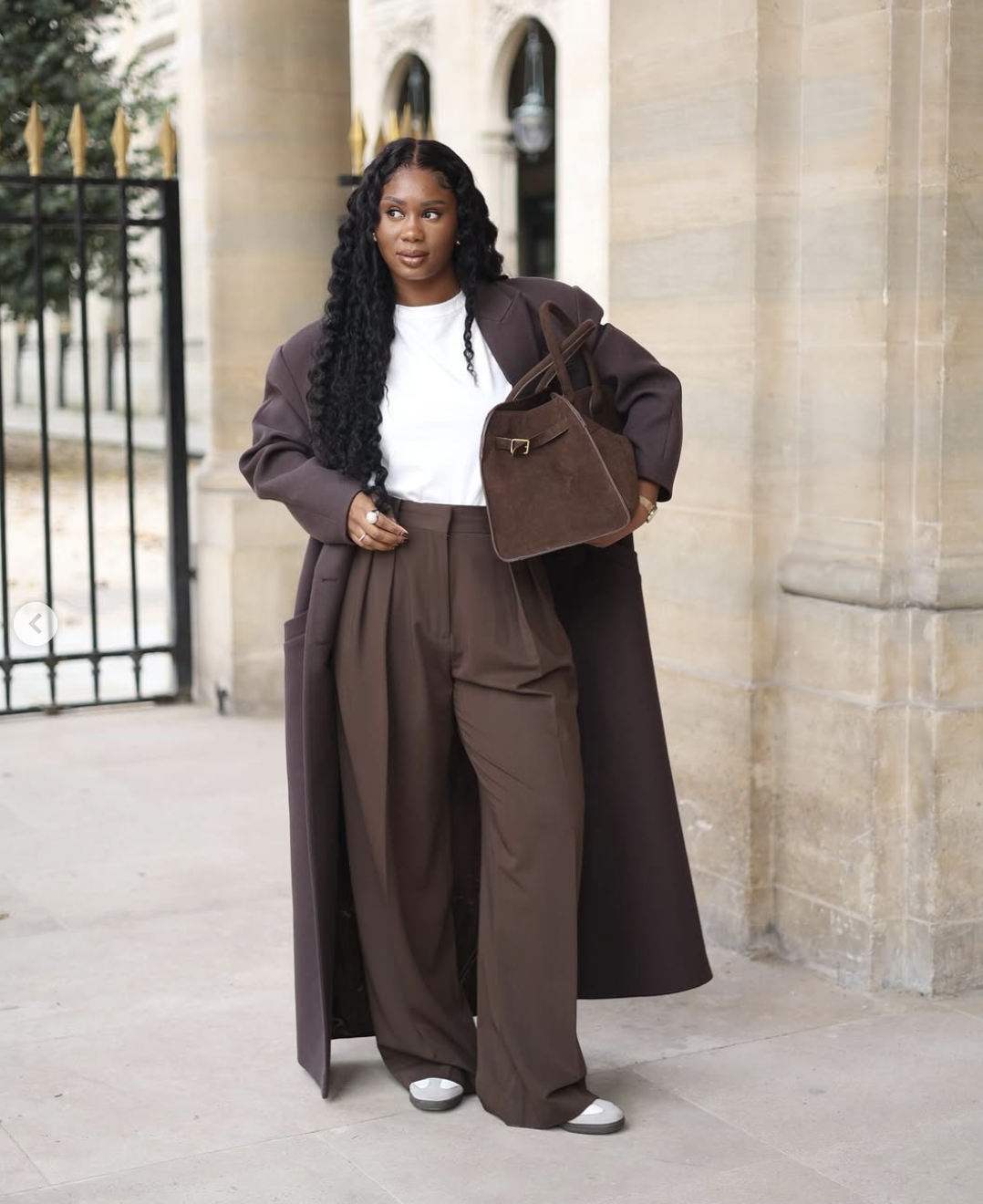
Photo Credit:@veronica.fsa
Ditching the harshness of pitch black for a deep espresso or cocoa palette is the easiest way to achieve an expensive-looking, old money aesthetic. These warmer neutrals offer a grounded sophistication that feels approachable yet impeccably polished, making them a powerhouse choice for a seamless transition from the office to dinner.
Styling Note: To master tonal dressing in earth tones, focus on high-contrast textures. Try layering a heavy chocolate wool coat over a mocha silk slip dress or a ribbed matte turtleneck to create a multi-dimensional look that prevents the brown from feeling flat or washing out your complexion.
5. The Power of Crimson & Scarlet
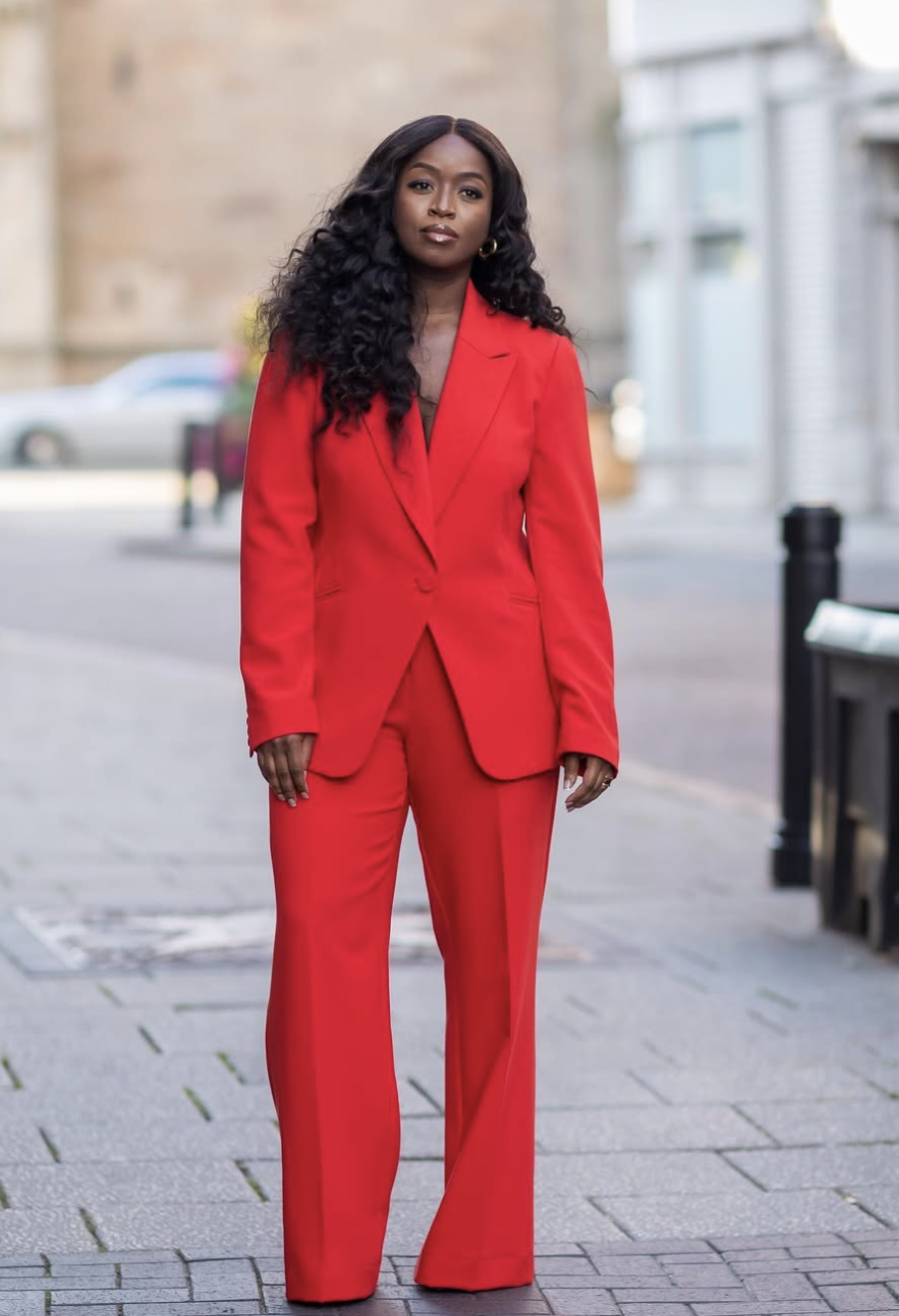
Photo Credit:@jariatudanita
An all-red ensemble is the ultimate confidence booster, creating a high-energy look that stands out in any setting. This strategy uses a single, vibrant hue to build a seamless column of color, resulting in a silhouette that feels both modern and undeniably powerful. Whether you’re opting for a deep cherry or a bright poppy, this palette commands the room while maintaining a polished edge.
Styling Note: To keep a high-saturation look from feeling overwhelming, play with proportions and small glimpses of skin. Pair a structured red blazer with a wide-leg trouser, or choose a monochromatic dress with a sleek ankle boot to keep the overall line looking elongated and effortless.
6. Verdant & Olive Greens
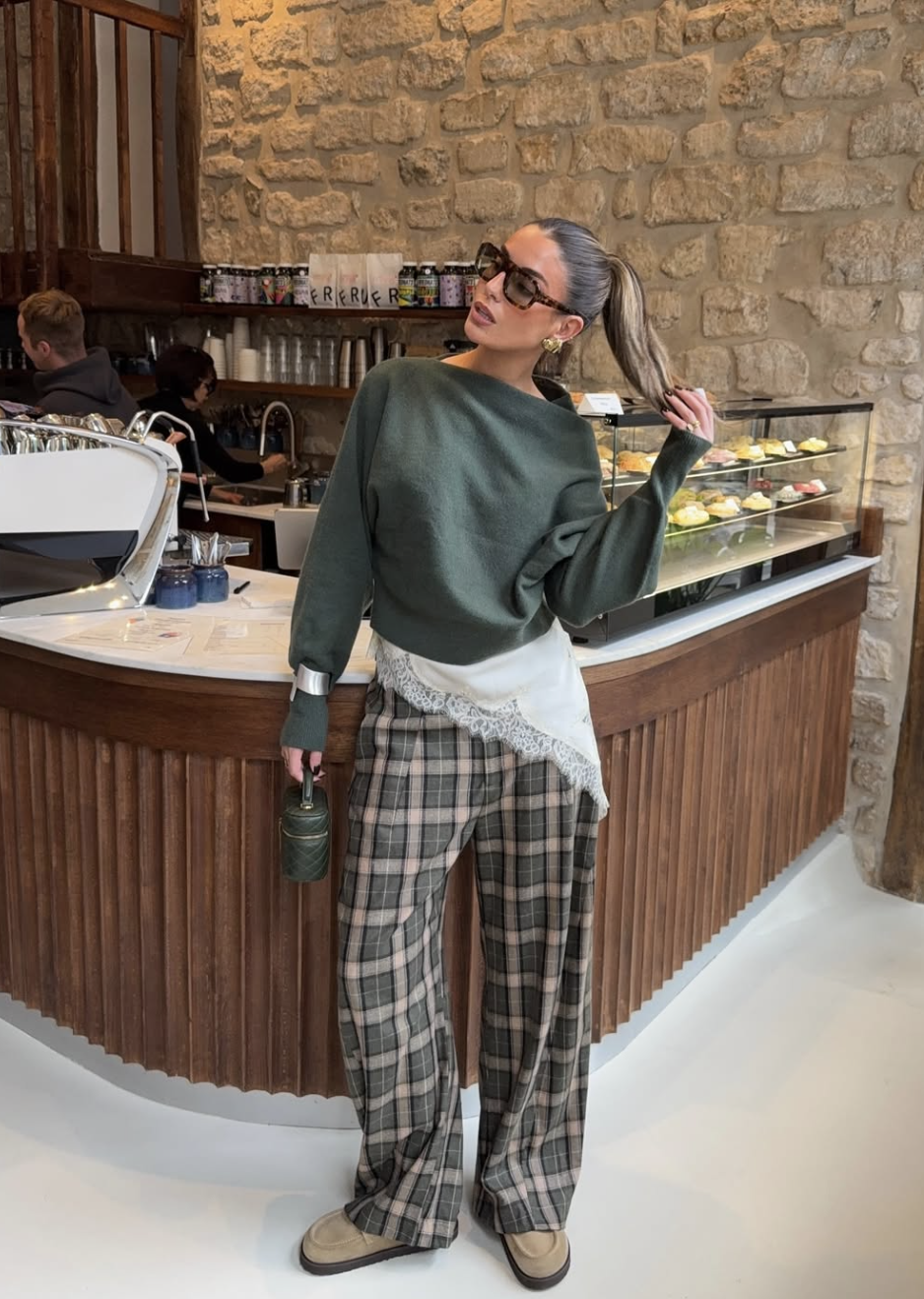
Photo Credit:@elisalevallois
Going for a monochromatic green outfit is a refreshing way to move away from neutrals while still feeling completely grounded. From deep forest tones to muted sage, this palette offers a natural versatility that works across every season, providing a calm yet incredibly stylish presence. It’s a sophisticated choice for anyone looking to experiment with color without the intensity of a primary red.
Styling Note: To keep a green-on-green look from feeling flat, focus on the "depth" of your shades. Try pairing a dark emerald silk blouse with a slightly lighter olive wool trouser; the difference in both saturation and fabric will create a high-end, layered effect that looks thoughtfully curated.
7. Soft Blush Pink
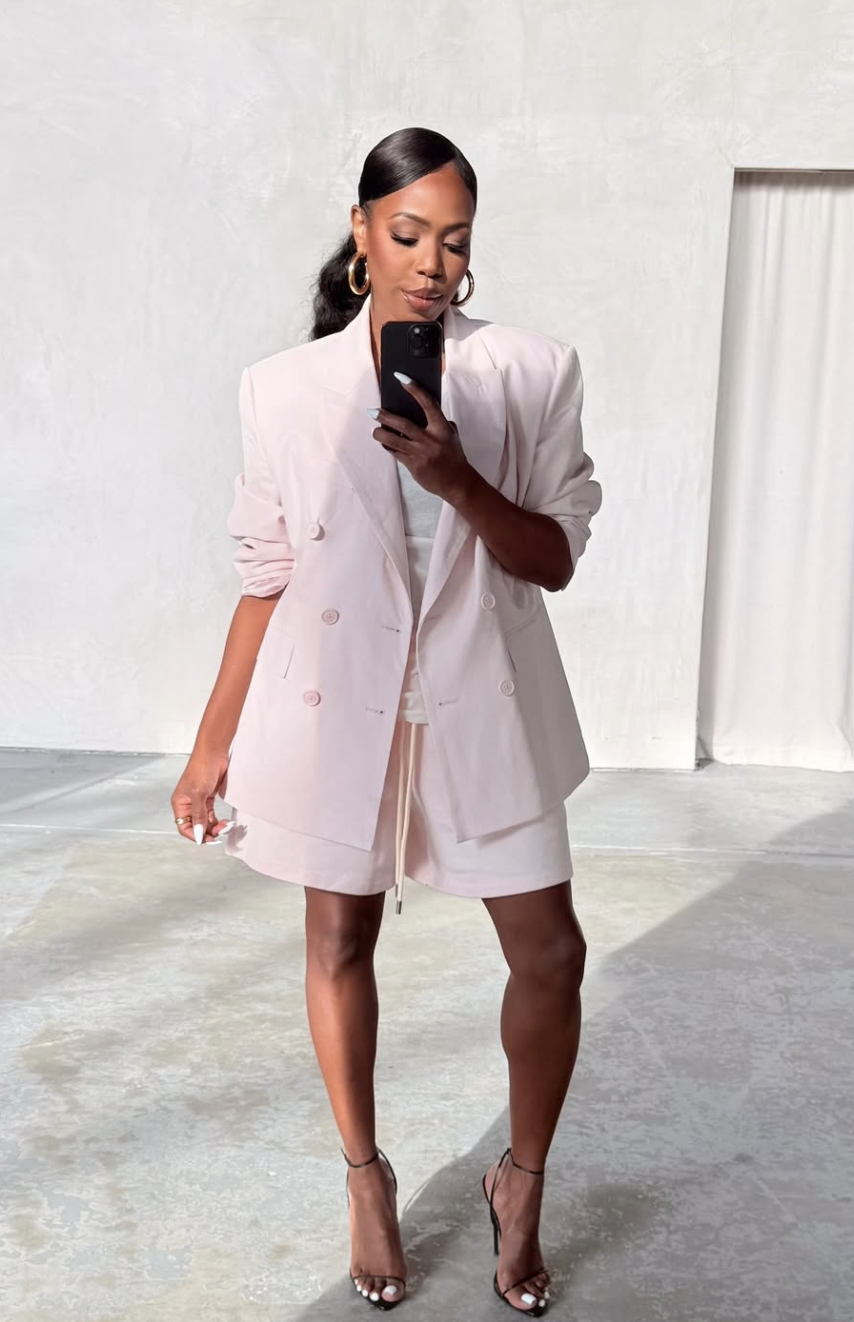
Photo Credit:@ @kahlanabarfield
Choosing a monochromatic pink outfit is the ultimate way to embrace a feminine, high-energy aesthetic. By sticking to a single color family, you create an instant "column of color" that provides a significant elongating effect, making it a favorite strategy for petite women looking to add height to their silhouette. Whether you prefer a subtle pastel or a saturated fuchsia, this palette feels intentional and modern.
Styling Note: Don't feel pressured to find an exact color match for every piece. Pairing a vibrant pink blazer with a softer blush trouser or silk camisole creates a sophisticated gradient that adds more dimension than a single matching shade.
8. Deep & Dependable Navy
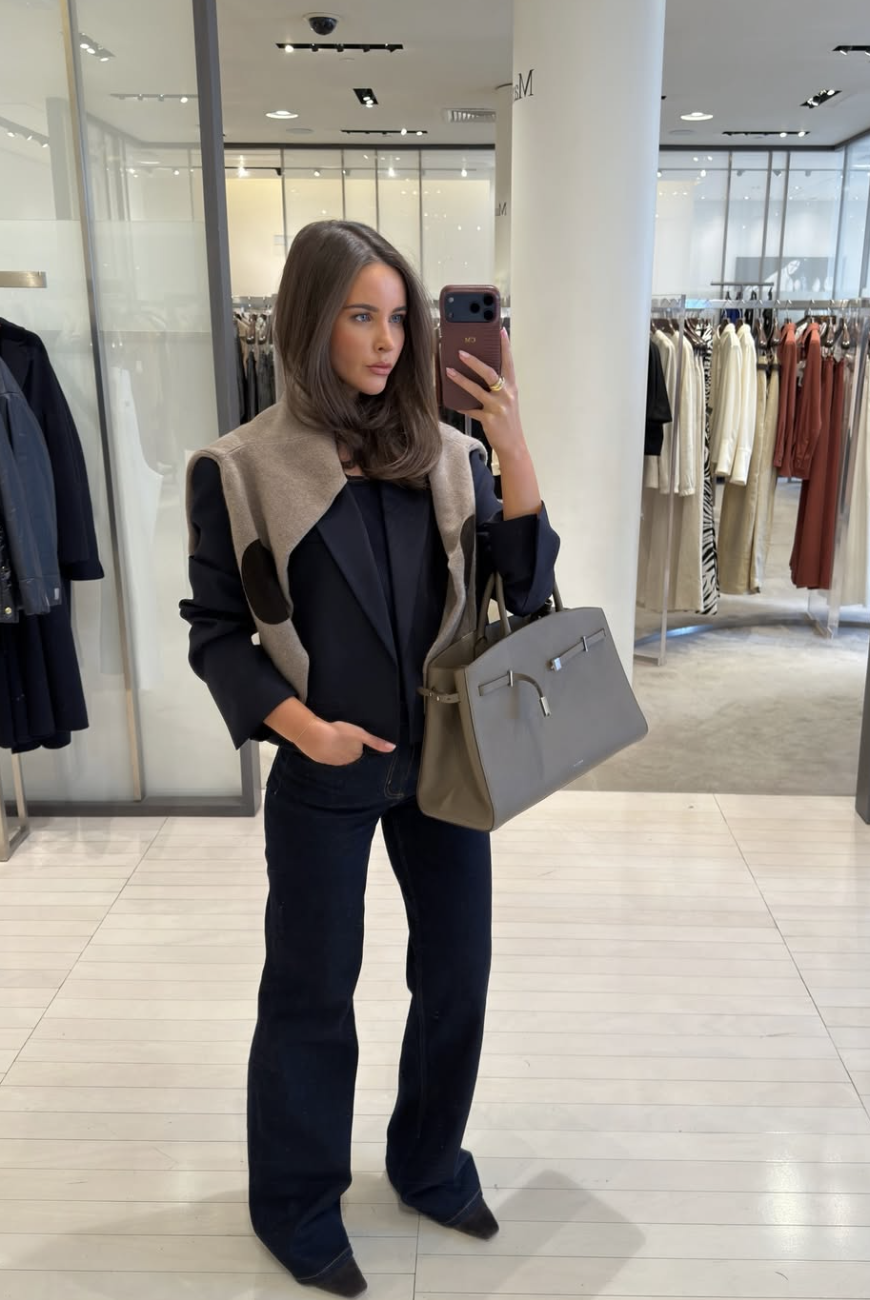
Photo Credit:@chloemaymcginley
An all-navy outfit is the sophisticated cousin of all-black, offering the same slimming "column of color" with a slightly softer, more approachable edge. It is a powerhouse choice for professional environments, providing a sense of authority and calm that works across every season without ever feeling dated.
Styling Note: To keep a monochromatic navy look from appearing too uniform-like, lean into various fabric finishes. Try a matte navy wool blazer over a lustrous silk blouse or satin slip skirt to create a subtle contrast that catches the light and adds a high-end feel to the dark palette.
9. Royal & Radiant Purple
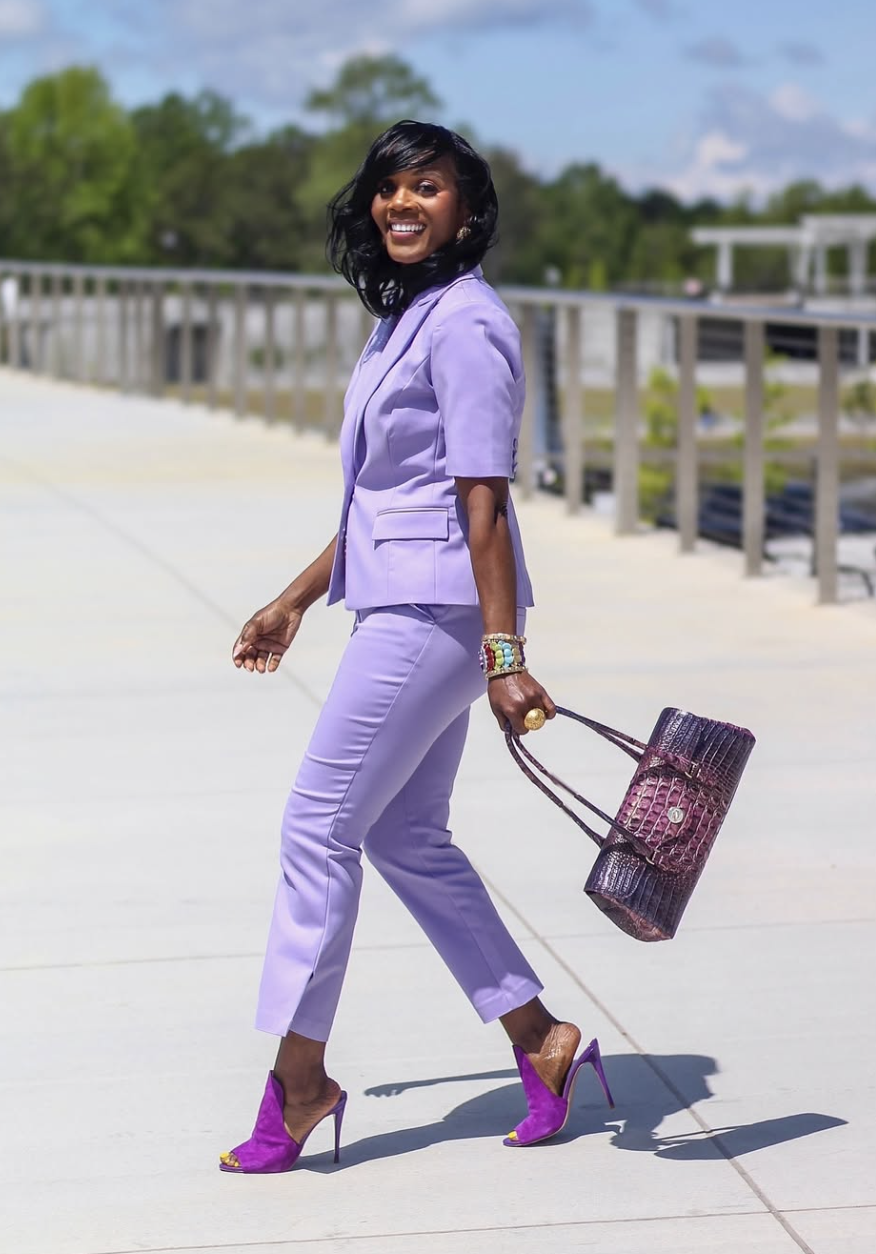
Photo Credit:@arrayoffaces
An all-purple outfit is a striking way to embrace color while maintaining a sense of luxury and depth. From soft lavender to deep plum, this palette offers a unique versatility that feels creative and sophisticated. Choosing a single violet hue creates a seamless, elongating effect that works beautifully for making a bold yet refined statement.
Styling Note: To keep a monochromatic purple look from feeling one-dimensional, experiment with different fabric weights and saturation. Pair a structured lilac blazer with a deep grape-colored silk trouser or a textured knit to create a rich, layered aesthetic that feels modern and curated.
10. Energetic & Radiant Orange
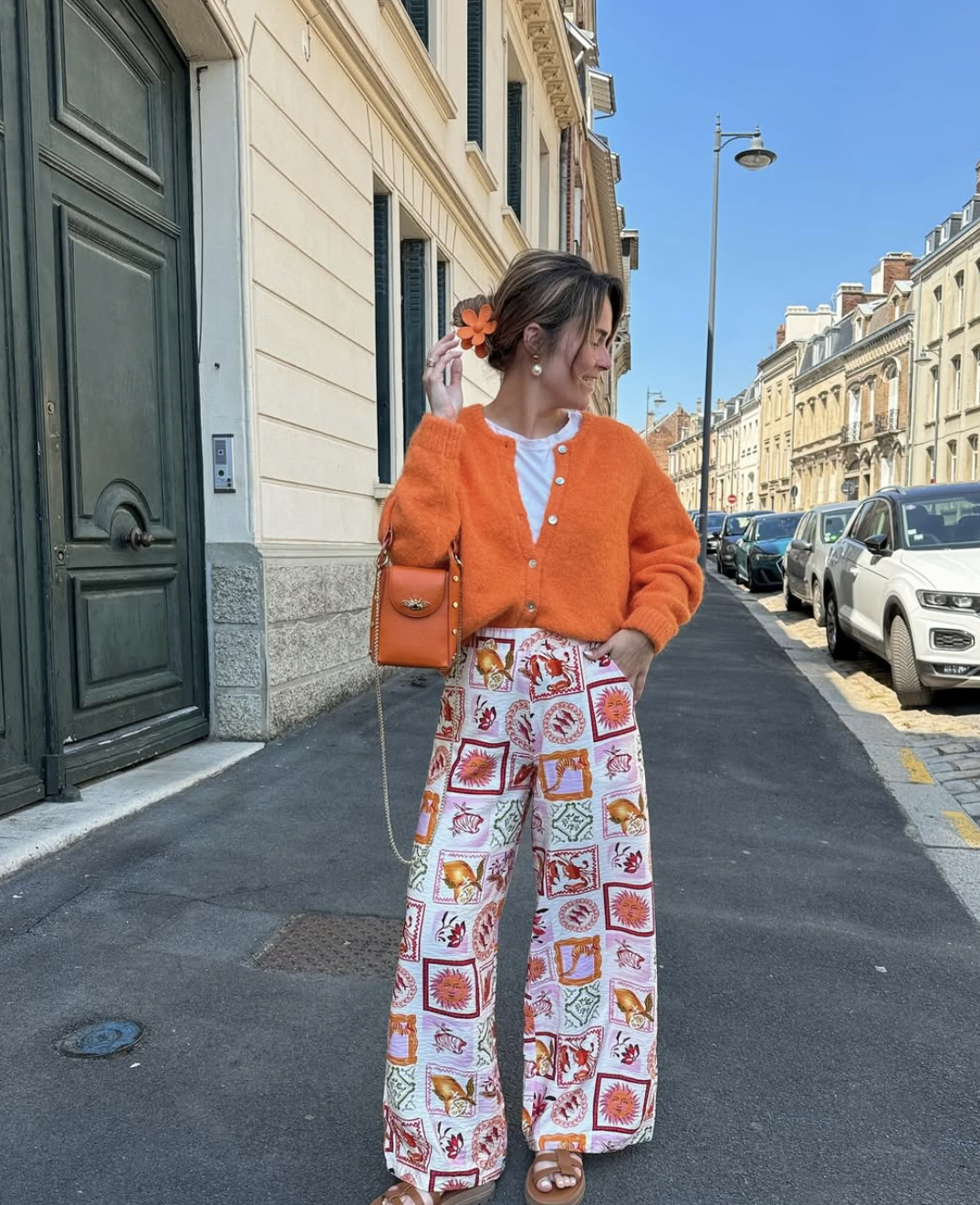
Photo Credit:@loulouuutte
An all-orange outfit is the ultimate way to inject a sense of warmth and playfulness into your wardrobe. This vibrant palette acts as an instant mood-booster, creating a high-impact look that feels both adventurous and surprisingly chic. By wearing various shades of citrus, from burnt copper to bright tangerine, you create a cohesive, sun-drenched silhouette that stands out with ease.
Styling Note: To keep a monochromatic orange look from feeling too costume-like, balance the intensity with different textures. Try pairing a soft, chunky knit pumpkin-colored sweater with a structured apricot trouser or a satin skirt to add a sophisticated layer of depth to the bold color.
11. Serene & Striking Blue
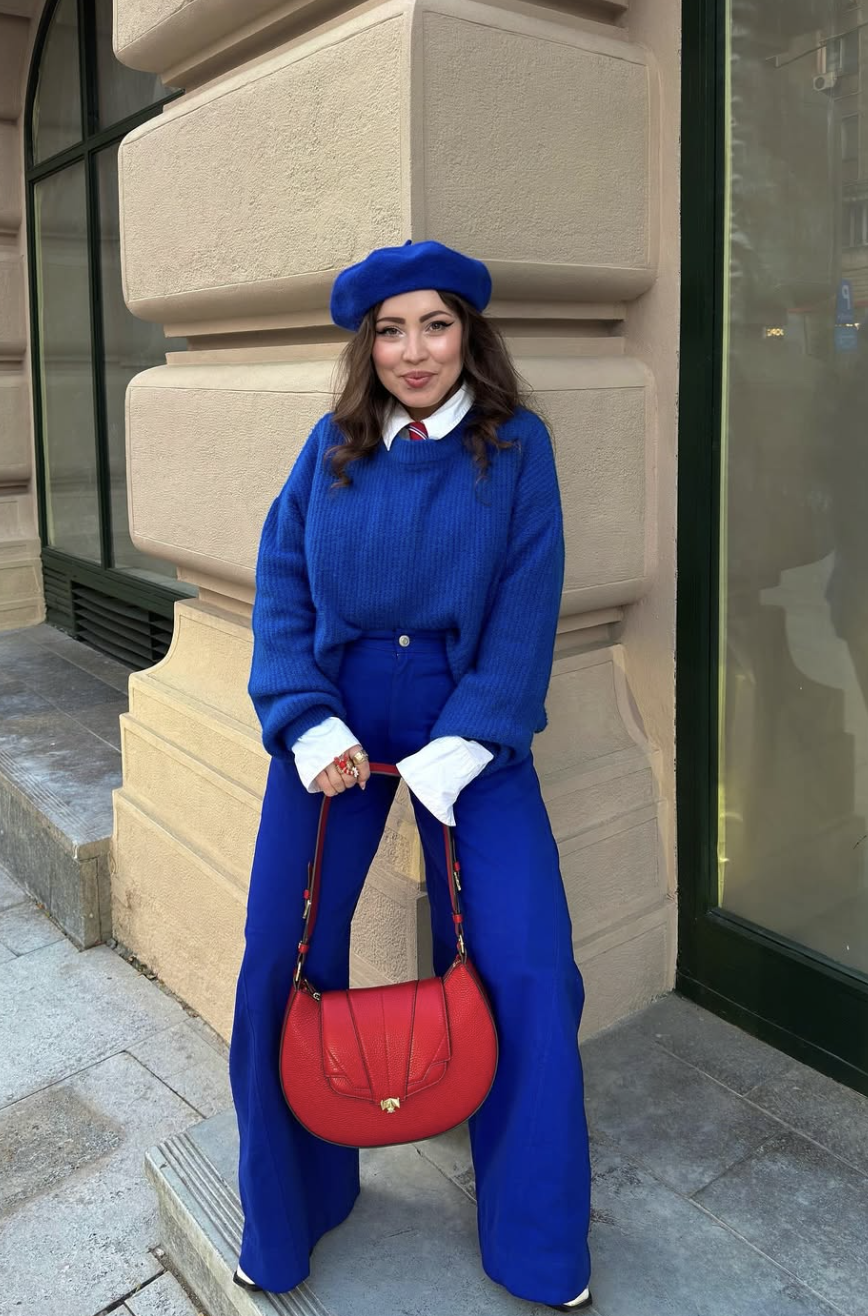
Photo Credit:@andrea.colorfulstyle
Moving beyond basic denim, a monochromatic blue outfit in shades of cobalt, azure, or sky blue offers a crisp, refreshed look. This palette is universally flattering and provides a sense of calm and clarity, making it a perfect choice for an ensemble that feels both professional and creatively bold.
Styling Note: To keep the look sophisticated rather than uniform-heavy, mix your "washes" and textures. Try a pair of structured cobalt trousers with a lighter blue poplin shirt, or a silk midi skirt with a tonal cashmere sweater to create a soft, high-end gradient.
12. Sunny & Spirited Yellow
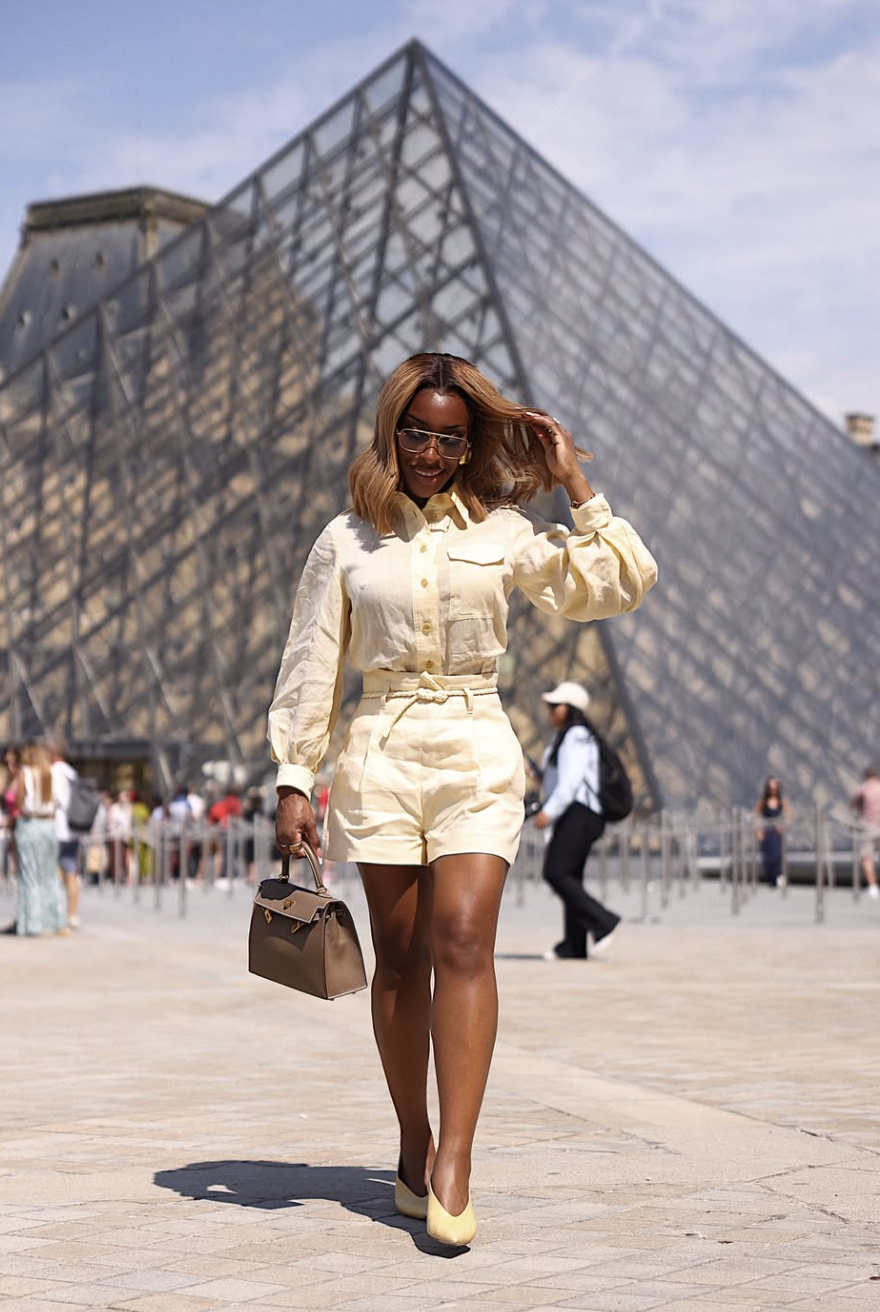
Photo Credit:@jackieaina
An all-yellow outfit is the ultimate way to embrace a bold, joyful aesthetic that feels instantly refreshing. Whether you are leaning into a soft butter yellow or a saturated mustard, this palette creates a luminous, eye-catching silhouette that radiates confidence and warmth.
Styling Note: To keep a monochromatic yellow look sophisticated, focus on relaxed tailoring and breezy fabrics like linen or cotton poplin. Pairing a structured button-down with matching high-waisted shorts or trousers creates a clean, intentional line that feels effortless rather than overwhelming.
13. Modern & Minimalist Grey
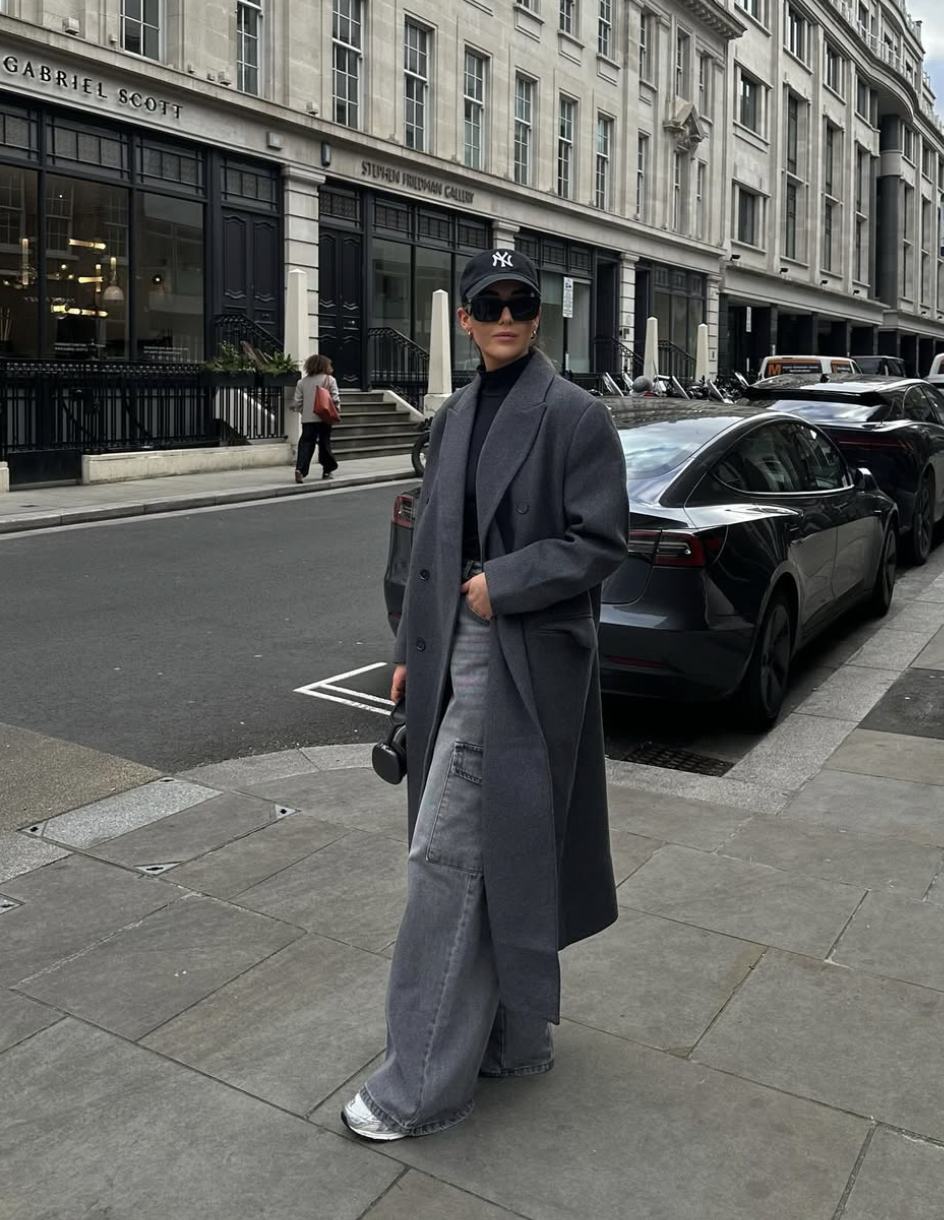
Photo Credit:@nicolerusssell
Often affectionately called the "Groufit," an all-grey ensemble is the height of urban chic. Because grey is a mixture of black and white, it carries the polish of a dark neutral with the softness of a light one, making it an incredibly versatile choice for any season. Using various shades from heather grey to deep charcoal creates a sophisticated, tonal look that feels effortlessly cool.
Styling Note: Grey is the perfect canvas for the "Rule of Three" in textures. Try pairing a flat grey wool trouser with a shimmering silver silk camisole and a chunky slate-colored knit thrown over your shoulders. This mix of matte, shine, and heavy texture ensures the monochrome look feels intentional and high-fashion rather than like loungewear.
14.Mixing Shades vs. Matching Exactly
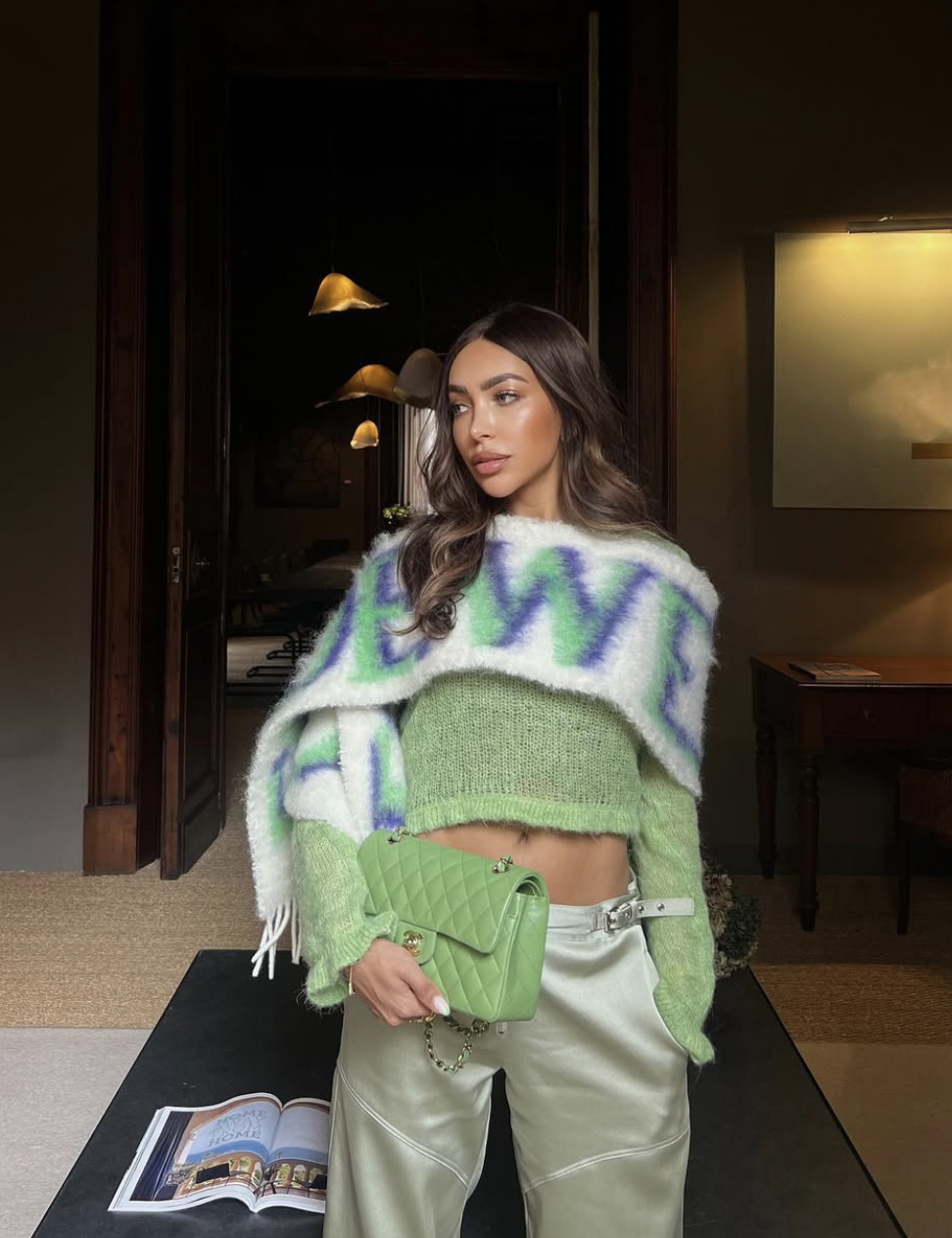
Photo Credit:@aimazin
One of the most common misconceptions about wearing monochromatic is that every piece must be an identical match. In fact, the most sophisticated results come from tonal dressing using various "tones" (the lighter and darker versions) of the same color. Pairing a charcoal trouser with a dove-grey knit creates a sense of movement and dimension that prevents the outfit from looking like a flat, one-dimensional uniform.
15.Texture Mixing: The Rule of Three Fabrics
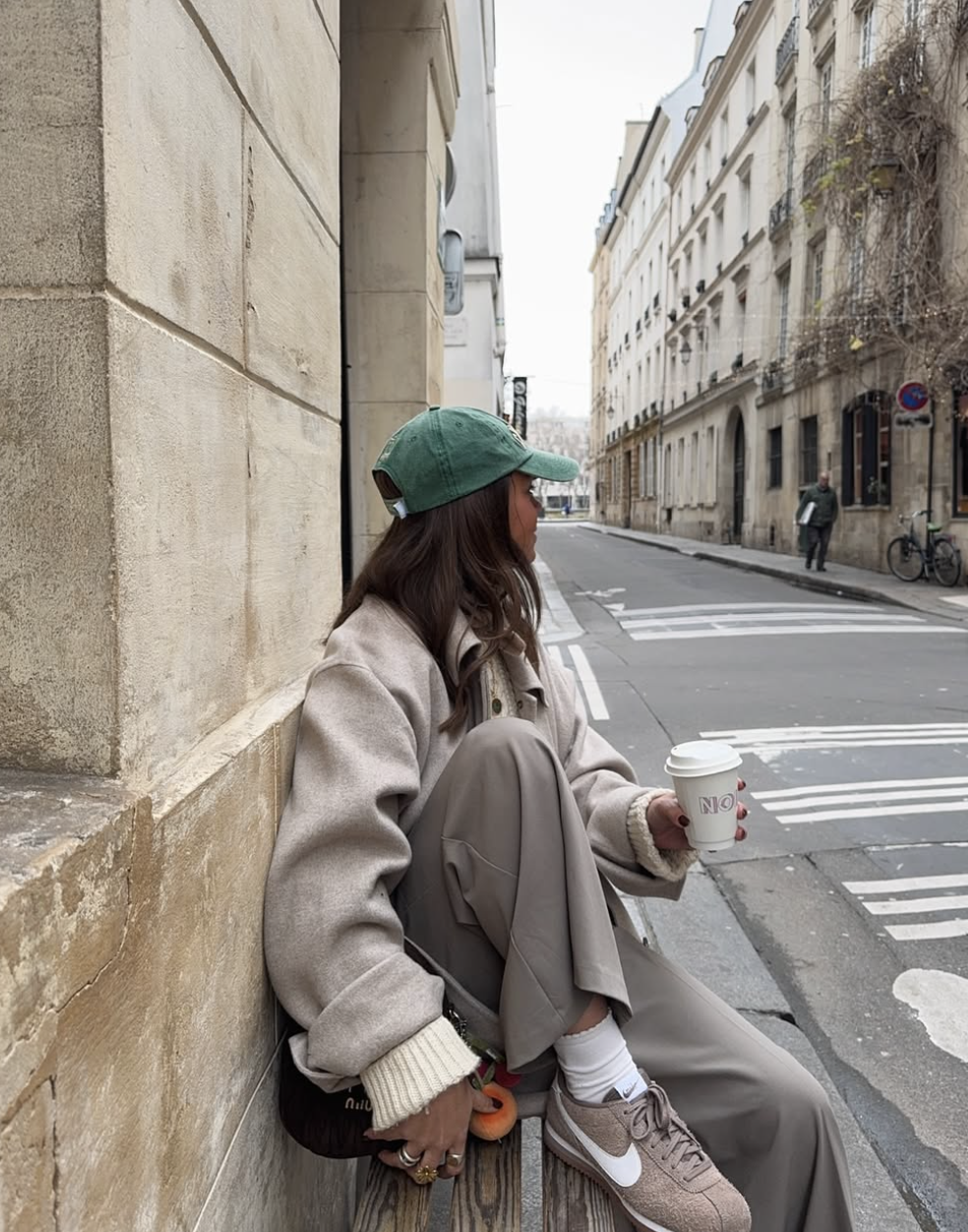
Photo Credit:@capucinerqllrt
The secret to professional-level monochrome styling tips is the "Rule of Three." To ensure your outfit has depth, aim to incorporate at least three different fabric finishes: Matte + Shine + Texture. For example, try a matte wool coat (Matte) over a silk camisole (Shine) paired with a croc-embossed leather boot or a chunky cable knit (Texture). This contrast ensures that even when the color is the same, the outfit remains visually engaging.
16.The Elongating Effect: The Vertical Column
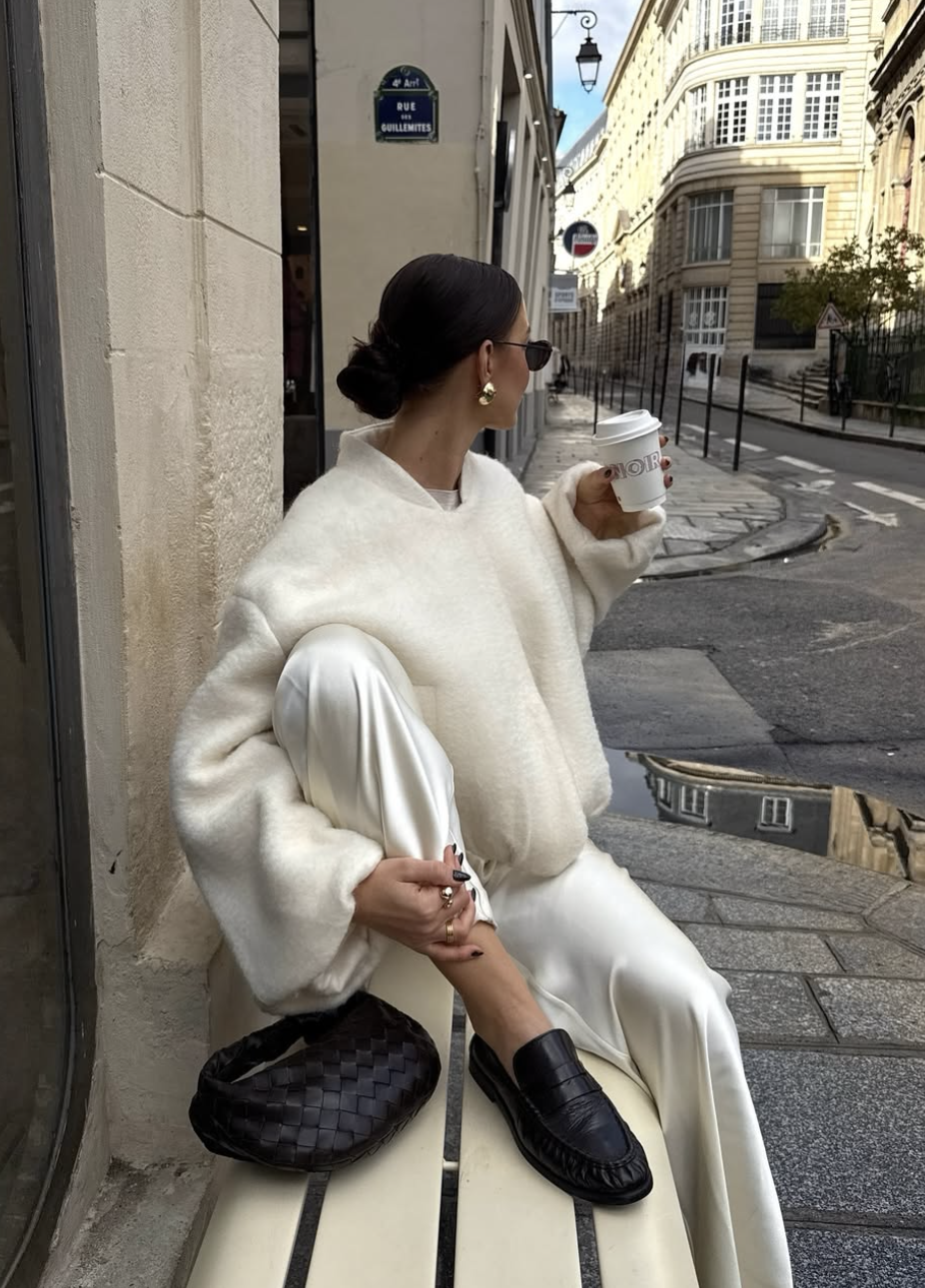
Photo Credit:@svenjagzer
The primary reason monochromatic fashion is a favorite for stylists is the immediate elongating effect it creates. By dressing in a single color family, you remove the harsh horizontal lines that typically separates the body at the waist or hips. This creates one continuous vertical column of color, which draws the eye up and down without interruption. This simple trick is why monochrome makes you look taller and more streamlined with zero extra effort.
17.Accessories: To Match or to Contrast?
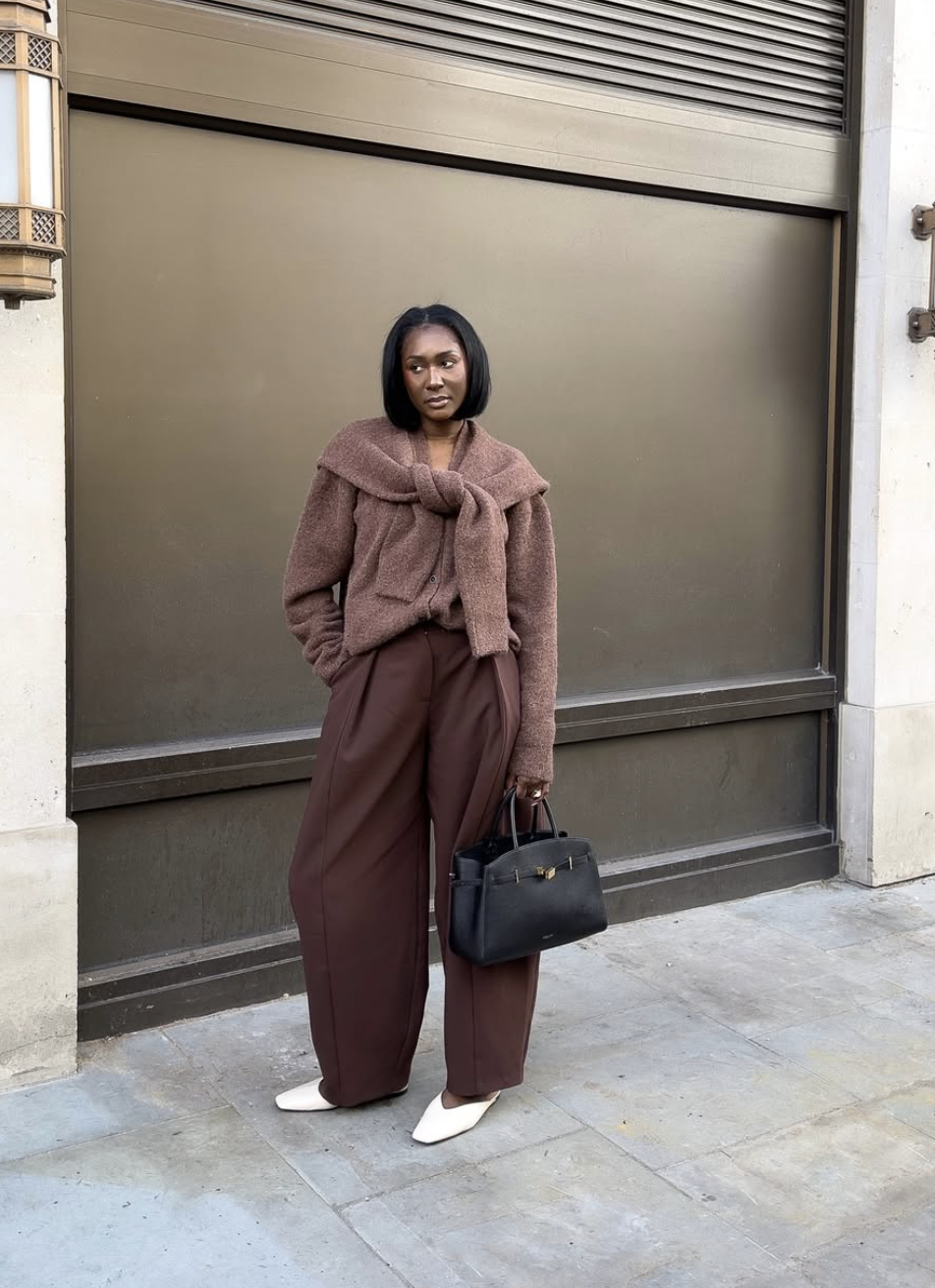
Photo Credit:@abisolaalaka
When it comes to accessories, you have two distinct paths. For a truly seamless, high-fashion look, choose shoes and bags that sit within the same color family as your clothes. However, if you want to break up the color slightly, use your accessories to introduce a neutral "grounding" element—like a gold metallic heel or a tan leather belt—which adds a point of interest without distracting from the overall tonal theme.
Frequently Asked Questions
What is the difference between monochrome and monochromatic?
In technical terms, "monochrome" refers to images or objects in black and white. However, in the fashion world, "monochromatic" is the umbrella term for any outfit consisting of a single color. Today, both terms are used interchangeably to describe the tonal dressing trend.
Can you wear different shades of the same color?
Yes—this is actually the secret to a modern monochromatic outfit. Wearing various "tones" (the lighter and darker versions of a hue) is called tonal dressing. This approach adds depth and dimension, ensuring your outfit looks curated and high-end rather than flat.
Does monochromatic make you look slimmer?
Yes. By wearing one color from head to toe, you create an unbroken vertical line known as a "column of color." This removes the horizontal breaks at the waist or hips that typically segment the body, resulting in an immediate elongating and slimming effect.
Can I wear monochrome to a wedding?
Absolutely. A monochromatic look is a sophisticated choice for wedding guests. While you should avoid all-white (unless requested), a tonal look in pastels, champagne, or deep jewel tones looks incredibly polished and photograph-ready.
Color Guidance by Skin Tone
To truly master how to wear monochromatic colors, you should choose a base that complements your natural undertones:
Cool Undertones: Look for "cool" pigments like silver-grey, icy blue, lavender, and emerald green.
Warm Undertones: Lean into "earthy" tones like terracotta, mustard yellow, olive green, and warm browns.
Neutral Undertones: You have the most flexibility; try mid-range tones like dusty rose, jade, or creamy oatmeal.
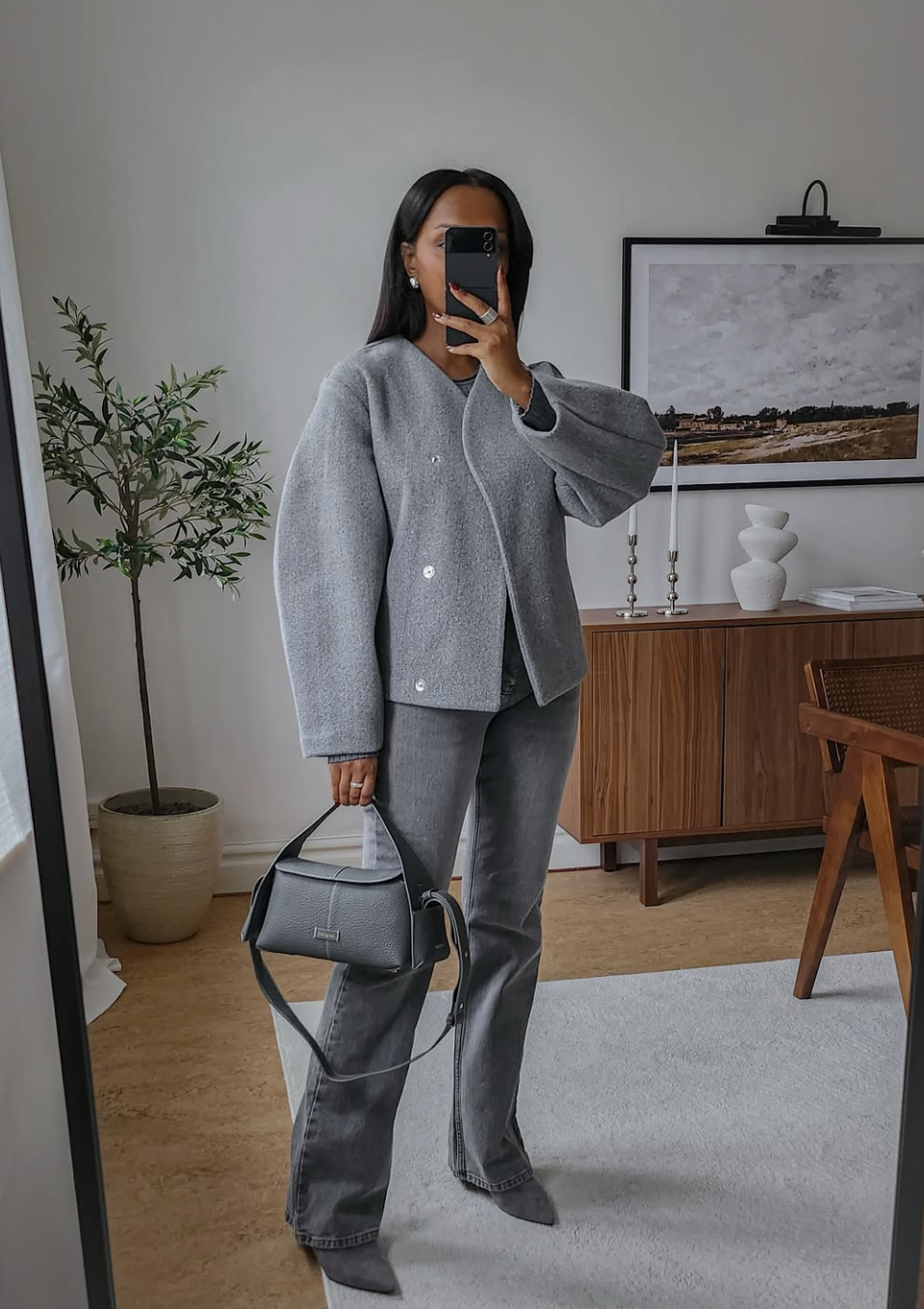
Do's:
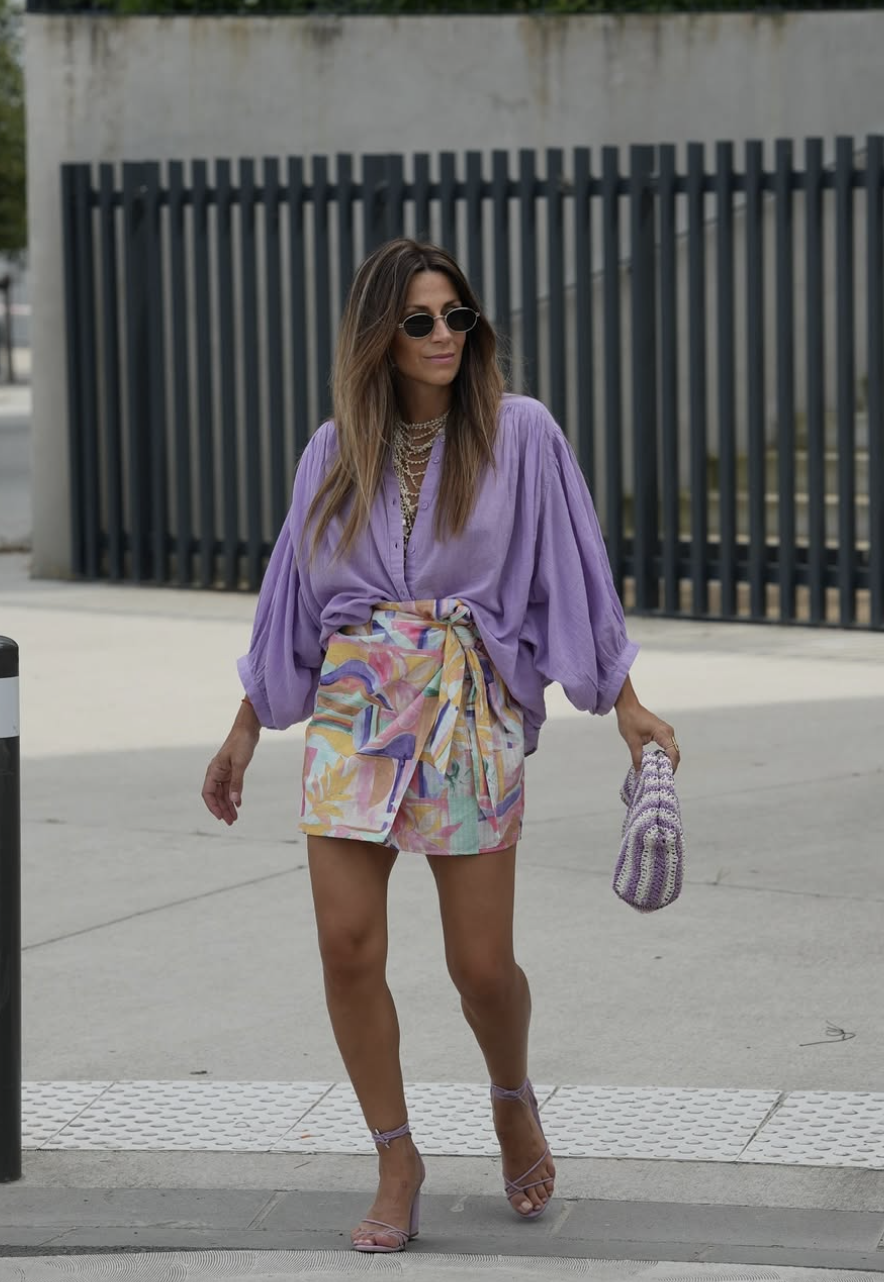
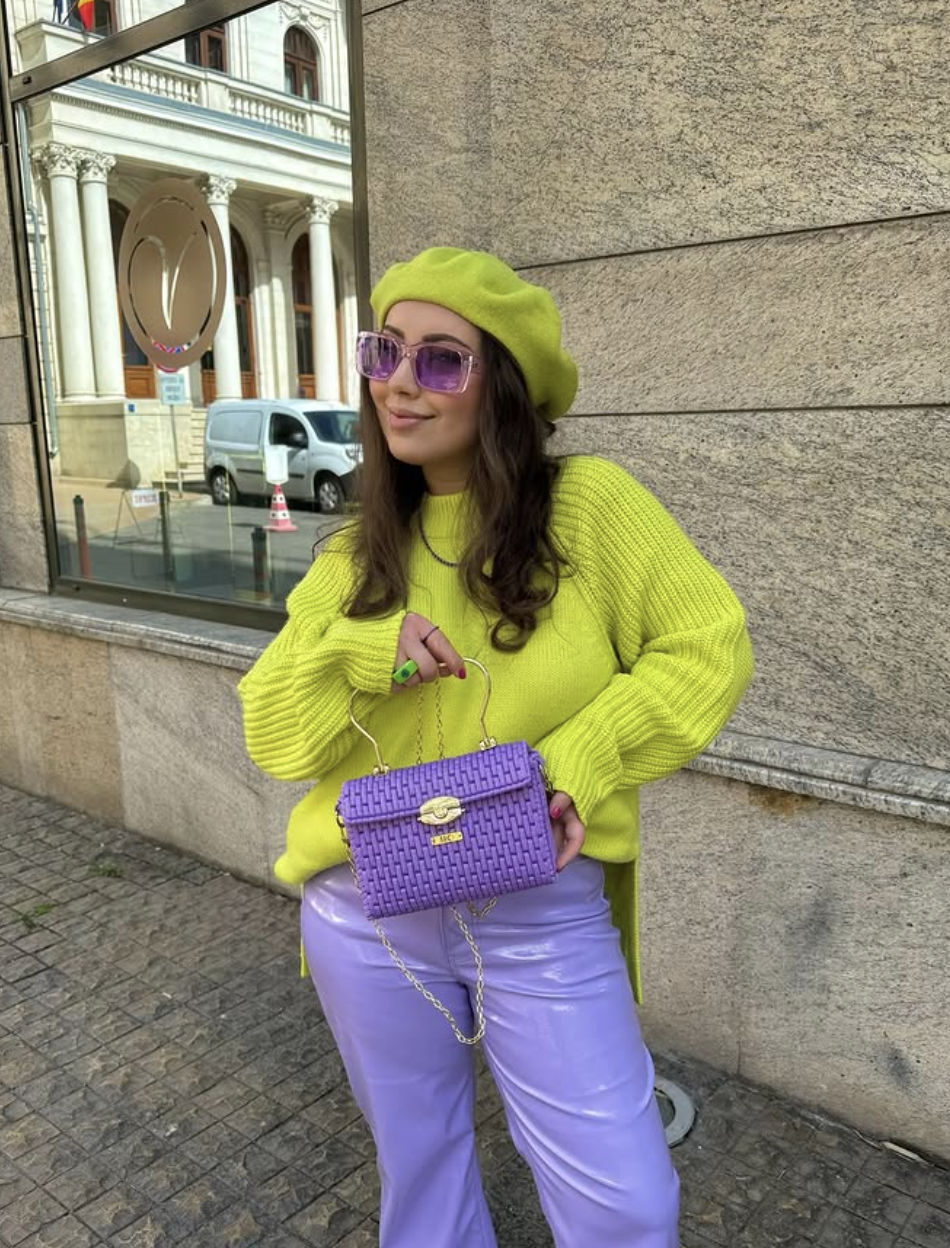
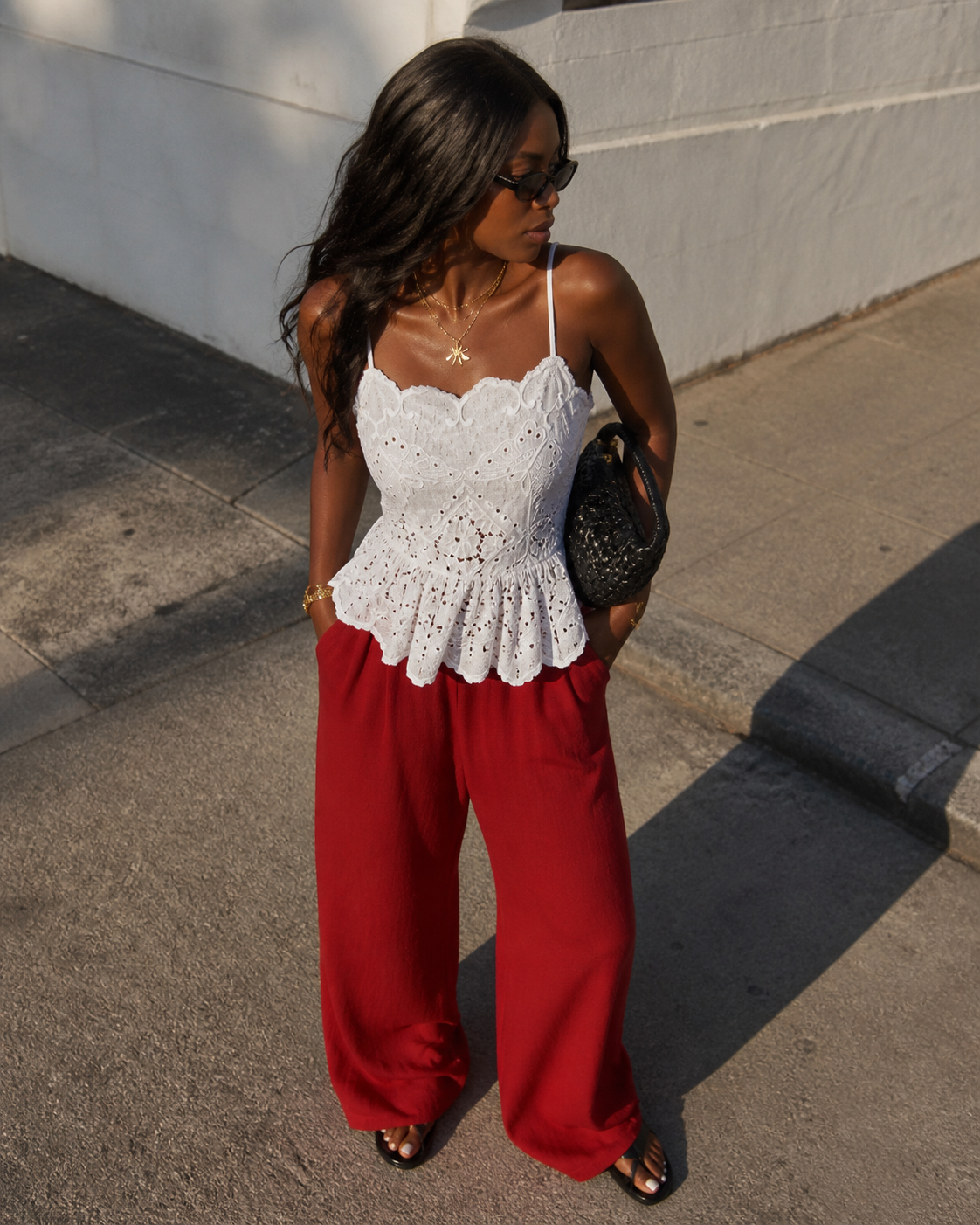
Mix Textures Within the Same Color: This is a great way to add visual interest and depth to your outfit. For example, pairing a silky blouse with a ribbed skirt in shades of blue can elevate the entire look, making it more dynamic and engaging.
Use Different Shades of the Color to Create Dimension: Implement a broad spectrum of hues within one color family to give your outfit a layered feel. A forest green wool coat over a light green cotton dress not only looks chic but also adds a rich, dimensional effect to your monochromatic style.
Don’ts:
Avoid Using the Exact Same Shade in Every Element: While it might be tempting to match every item perfectly, this can lead to a flat and uninteresting appearance. Instead, embrace a range of shades to keep each piece distinct yet harmonious.
Be Wary of Fabric Choices That Don’t Suit the Season or Occasion: Choosing the right fabric is crucial. A heavy velvet suit might not be the best choice for a hot summer day, just as a linen dress might not hold up during a winter event. Always consider comfort and appropriateness when selecting materials for your monochromatic look.
More Ways To Style Colors
30 Fail-Proof Neutral Outfit Formulas I’m Copying for a Perfectly Minimalist Closet
What Color Shoes to Wear With a Red Dress (The Rules Fashion Stylist Actually Follow)
How Fashion Girls Style Gray Pants It Starts With the Shirt Color
What Color Shoes to Wear With a Red Dress (The Rules Fashion Stylist Actually Follow)
What to Wear With Green Pants: 9 Outfit Ideas That Actually Work
✦ Creator images used for editorial purposes only. All rights belong to their respective creators. We always link and give credit.
✦ Check Out Our Men's Site
Trending on MensOutfitsDaily