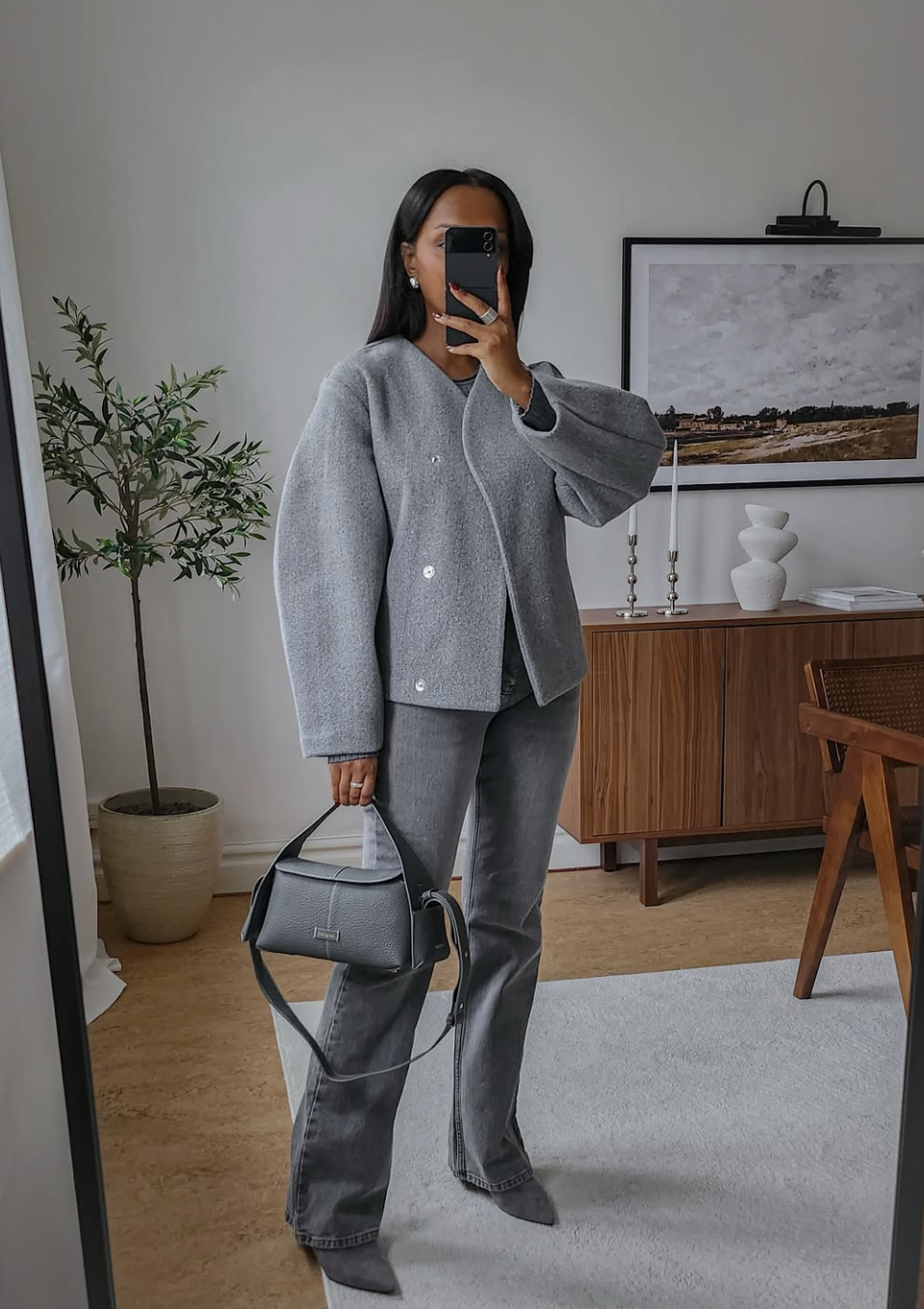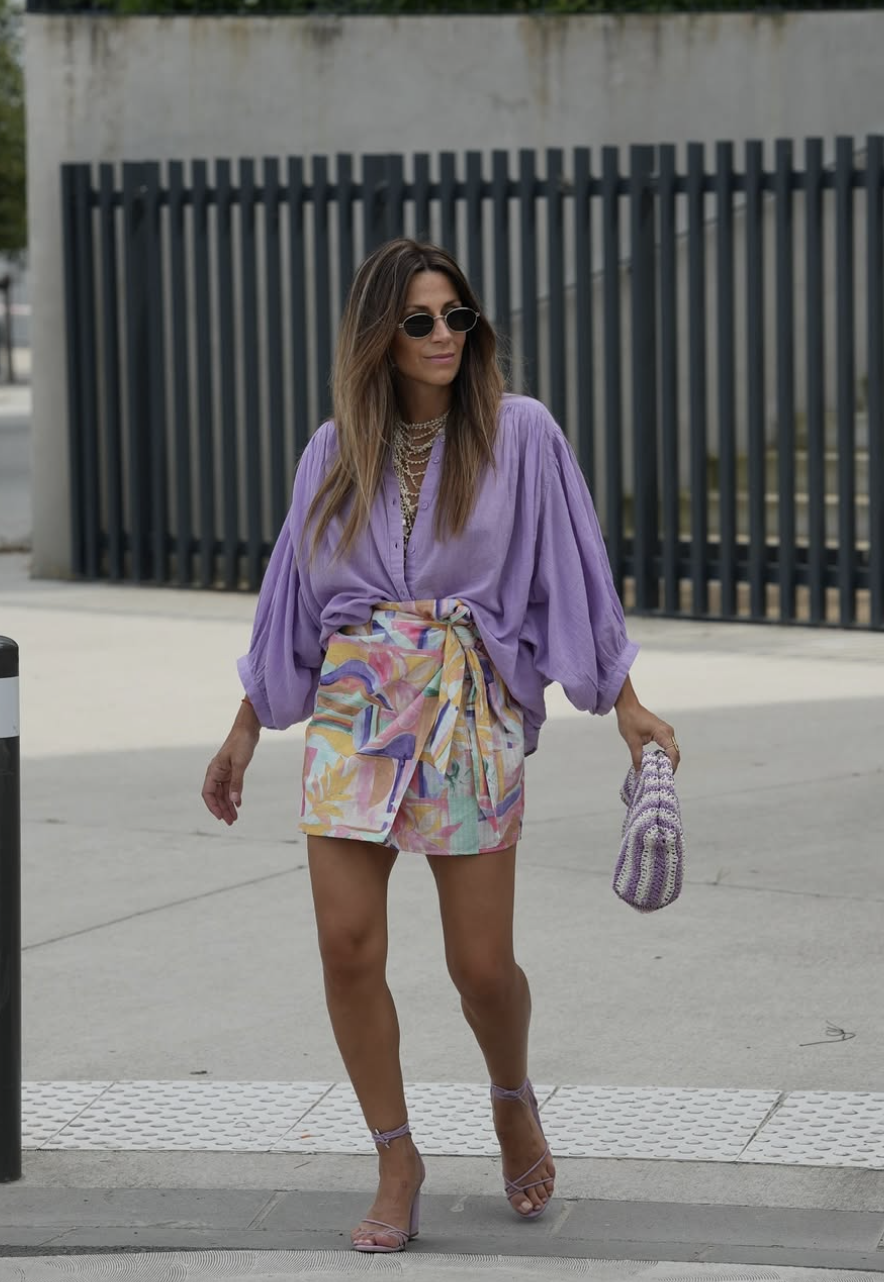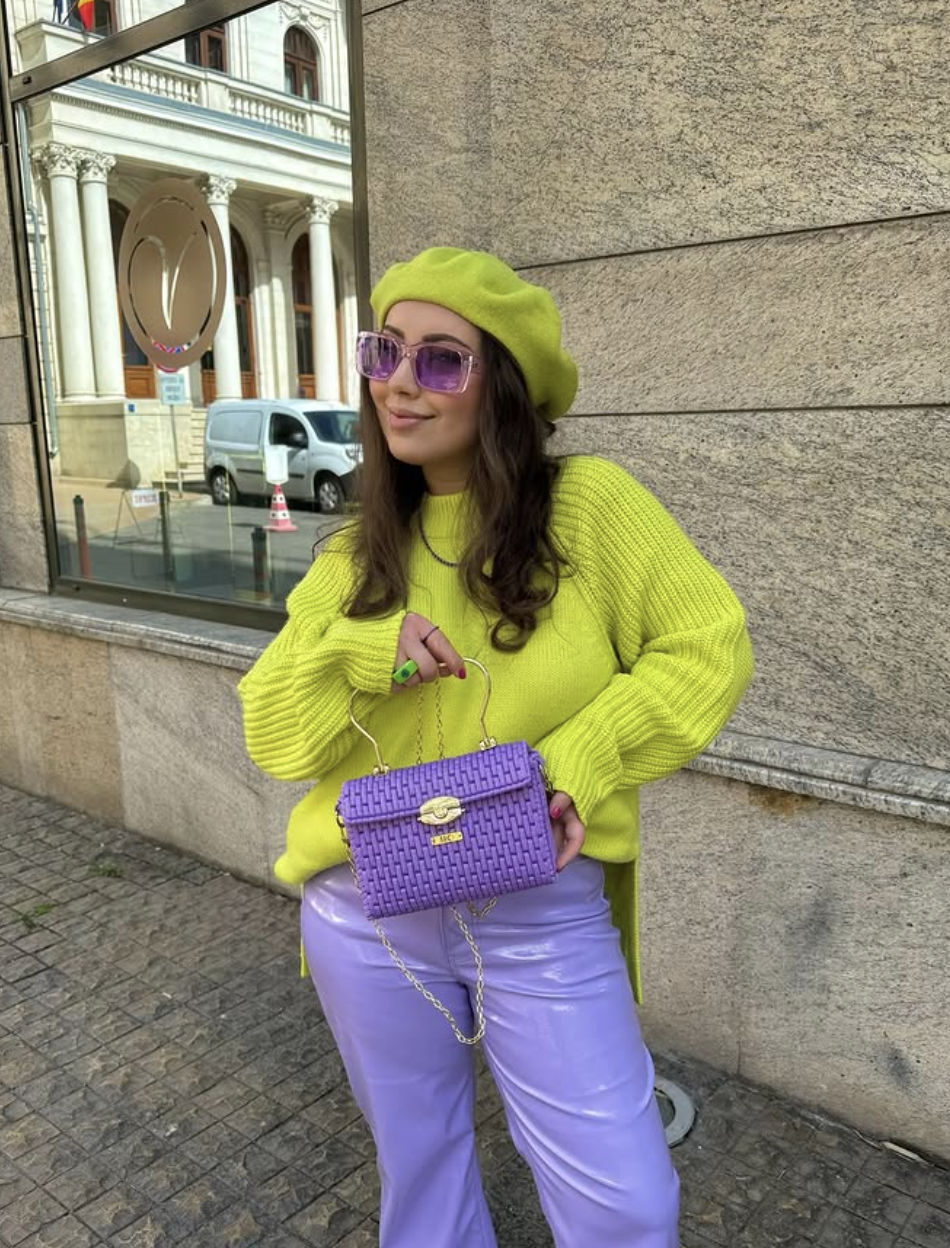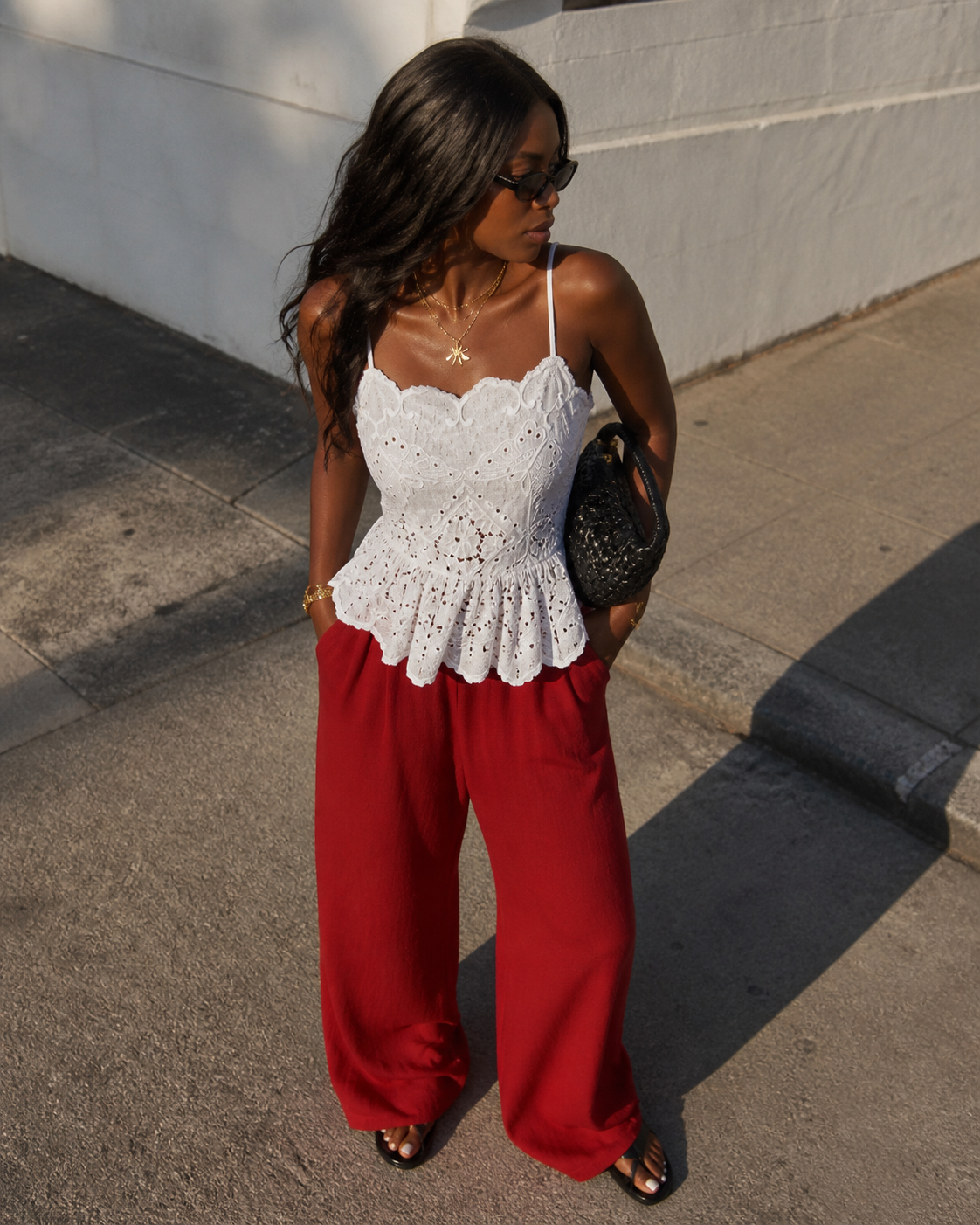
Here's the thing about most color analysis content: it was written for a very specific kind of woman and then stretched to cover everyone else as an afterthought. The original four-season system was developed in the 1980s, primarily tested on light-skinned women, and the guidelines that circulated from it were built on a foundation that didn't include Afro-Latina women with warm undertones, South Asian women with olive complexions, Black women with cool deep undertones, or the full range of what human skin actually looks like.
That's not a criticism of the system itself the seasonal framework, when applied correctly, is one of the most powerful styling tools available. The problem is in how it's been taught. The question 'are you warm or cool?' lands very differently on a fair-skinned woman with visible veins than it does on a woman with a deep complexion where the traditional tests don't apply the same way.
This guide fixes that. It's the most complete color analysis resource I know how to write covering all 12 seasons, all undertone types, all skin depth ranges, and every skin tone category that's been historically underserved by this system. The charts are here. The palettes are here. The celebrities are here. And the step-by-step process works whether you're as fair as Tilda Swinton or as deep as Lupita Nyong'o.
Let's start from the beginning.
What Is Color Analysis — And Why Does It Actually Work?
Color analysis is the practice of identifying which colors from the spectrum harmonize with your natural coloring your skin tone, hair color, and eye color and which ones work against it. It's not about what colors you like. It's about the physical relationship between pigment and light.
When you wear a color that's in harmony with your natural coloring, a few things happen: your skin looks clearer and more even. Any shadows under the eyes or around the mouth appear lighter. Your overall look reads as balanced and intentional. When you wear a color that's out of harmony, the reverse is true the color pulls attention, the skin can look dull or sallow, and the whole outfit feels like it's competing with your face rather than working with it.
This isn't subjective taste or cultural opinion. It's a function of how our eyes perceive contrast, undertone, and chroma in proximity to each other. And because those elements vary across every human being, no single 'universally flattering' color list exists which is exactly why this guide runs as long as it does.
THE MOST IMPORTANT THING TO KNOW: Color analysis is NOT about what looks good in isolation. It's about what looks good on YOU — on your face, next to your skin, in the context of your natural coloring. A color can be objectively beautiful and still be wrong for you.
The Three Things That Actually Determine Your Colors
Every person's color type is determined by three factors. Understanding all three is how you move from 'I think I'm warm-toned' to actually knowing what to wear.
1. Temperature Warm or Cool?
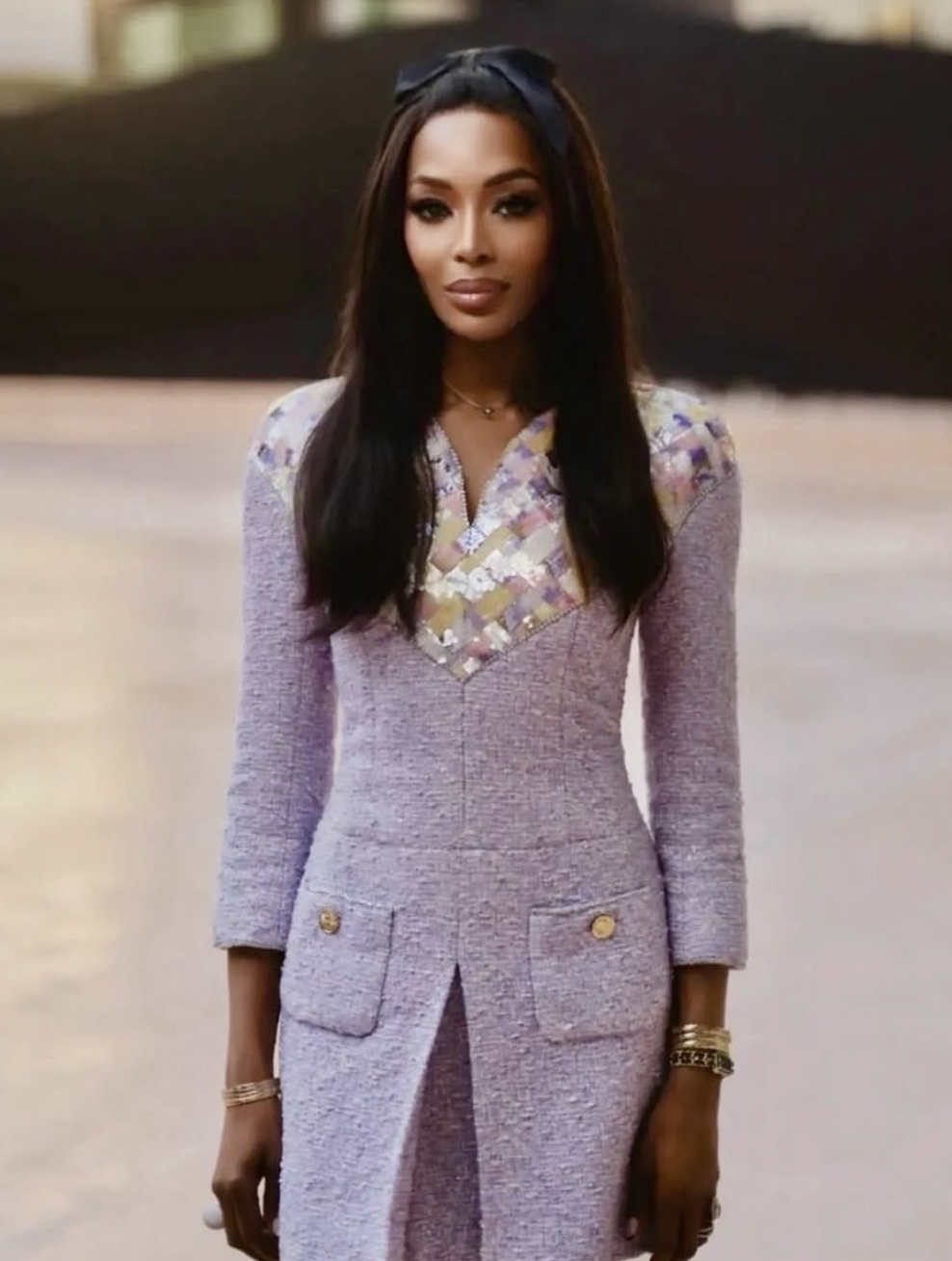
Photo Credit:@naomi
Temperature is the most well-known dimension of color analysis, and also the most misunderstood. Every color in existence has a temperature warm colors lean toward the yellow-red end of the spectrum, cool colors lean toward the blue-violet end. Your skin, hair, and eyes also have a temperature. Color analysis is about matching those temperatures.
Warm undertones: golden, peachy, yellow, bronze, or olive cast to the skin. Hair tends toward golden brown, auburn, or warm black. Eyes tend toward brown, hazel, amber, or warm green.
Cool undertones: pink, rose, blue, or ashy cast to the skin. Hair tends toward ash brown, blue-black, or cool blonde. Eyes tend toward cool brown, grey-green, or blue.
Neutral undertones: a balance of warm and cool. The skin doesn't read as dramatically one or the other, and both warm and cool colors can work with the right adjustments.
FOR DEEP AND DARK SKIN TONES: The traditional 'look at your veins' test is unreliable for medium-to-deep complexions because skin depth affects how the veins read through the skin. For deeper tones, the more reliable indicators are: the cast of the skin in natural light (does it read blue-black, warm brown, or cool espresso?), the color of the inside of the wrist compared to the palm, and whether gold or silver jewelry makes your complexion look more alive.
2. Value — Light or Deep?
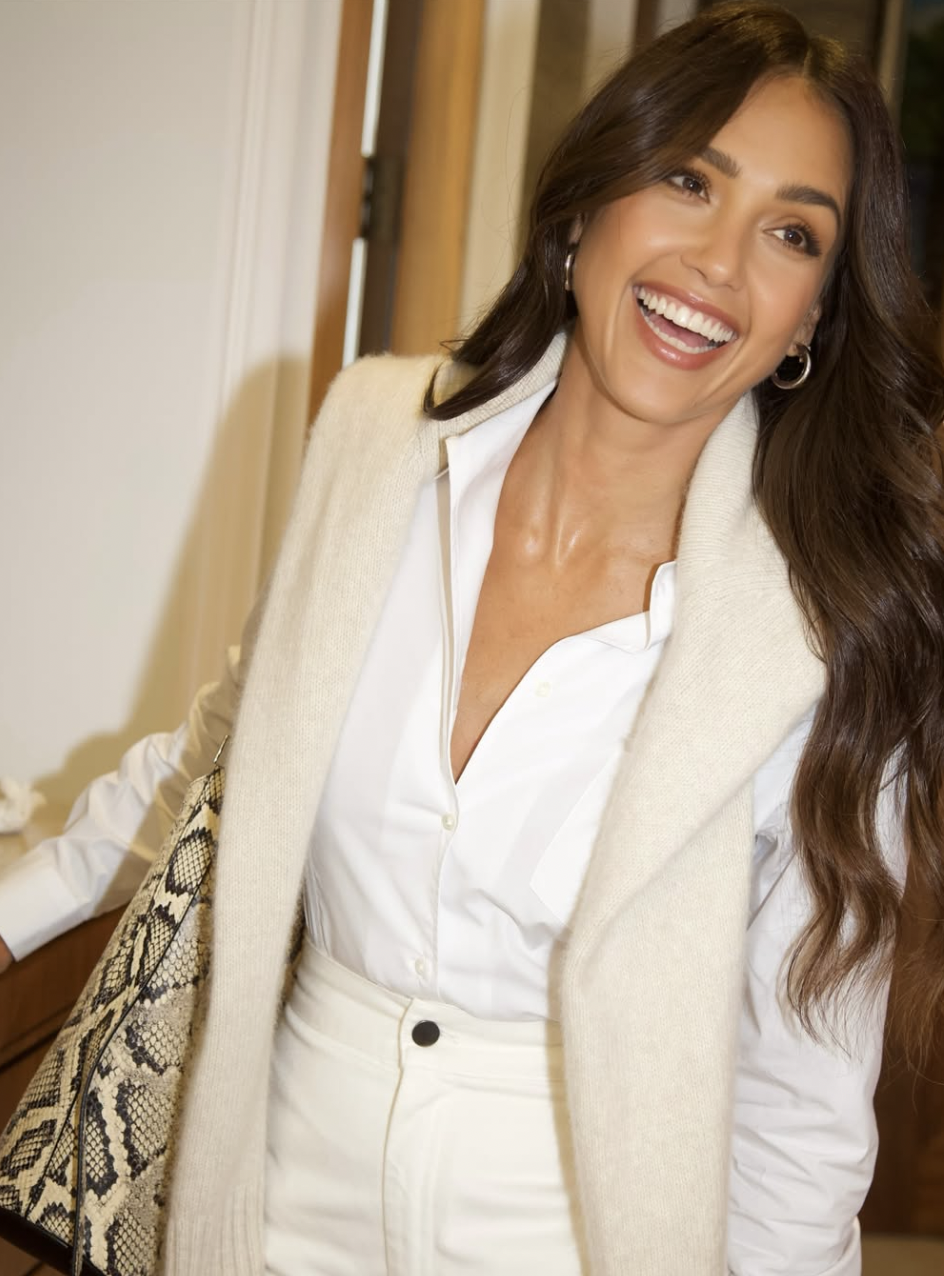
Photo Credit:@jessicaalba
Value refers to the depth of your overall coloring how light or dark you read as a whole. This isn't just about skin tone: it's the combined reading of your skin, hair, and eyes together. A woman with very dark hair and medium skin has higher contrast and higher value than a woman with medium hair and medium skin, even if their actual skin tones are similar.
Value matters because it determines how much contrast your colors should have. High-value (high-contrast) coloring like deep skin with bright eyes, or very fair skin with dark hair — can wear bold, high-contrast outfits. Low-value (low-contrast) coloring like medium skin with medium brown hair and medium brown eyes reads best in tonal and blended outfits.
3. Chroma Bright/Clear or Soft/Muted?

Photo Credit:@badgalriri
Chroma is the least talked-about dimension but one of the most important. Chroma is the saturation or clarity of your coloring how vivid, crisp, and clear it reads versus how soft, blended, and muted it appears.
High chroma: crisp, vivid, clear coloring. Sharp distinction between skin, hair, and eyes. A bright white sclera (the whites of the eyes) is a strong signal of high chroma. This person can wear bright, saturated colors.
Low chroma: soft, blended, dusty coloring. Features blend into each other rather than contrasting sharply. This person does better in muted, softened versions of colors rather than vivid saturates.
How to Find Your Undertone — A Method That Works for Every Skin Tone
Because the standard 'vein test' breaks down at deeper complexions, here is a multi-method undertone assessment that works across the full skin tone spectrum.
The Undertone Assessment
Eyes: Amber, golden brown, hazel with warm flecks (Warm) vs. Cool grey-brown, cool dark brown, or true black (Cool).
FOR OLIVE SKIN TONES: Olive complexions are a specific undertone category that sits between warm and neutral olive skin has a green-gold cast that can look warm in some lights and neutral in others. If you have olive skin, you likely test as neutral but lean warm. The seasons that work best for you are typically in the Soft Autumn, True Autumn, or Soft Summer range, depending on your depth and chroma.
FOR DEEP SKIN TONES WITH NEUTRAL UNDERTONES: Many deep and dark complexions read as neither clearly warm nor clearly cool they're a rich, complex neutral that actually has the widest color range of any undertone category. If this is you, Deep Autumn and Deep Winter are your primary seasons, and the difference between them is whether your skin reads warmer (espresso, warm brown) or cooler (blue-black, cool ebony).
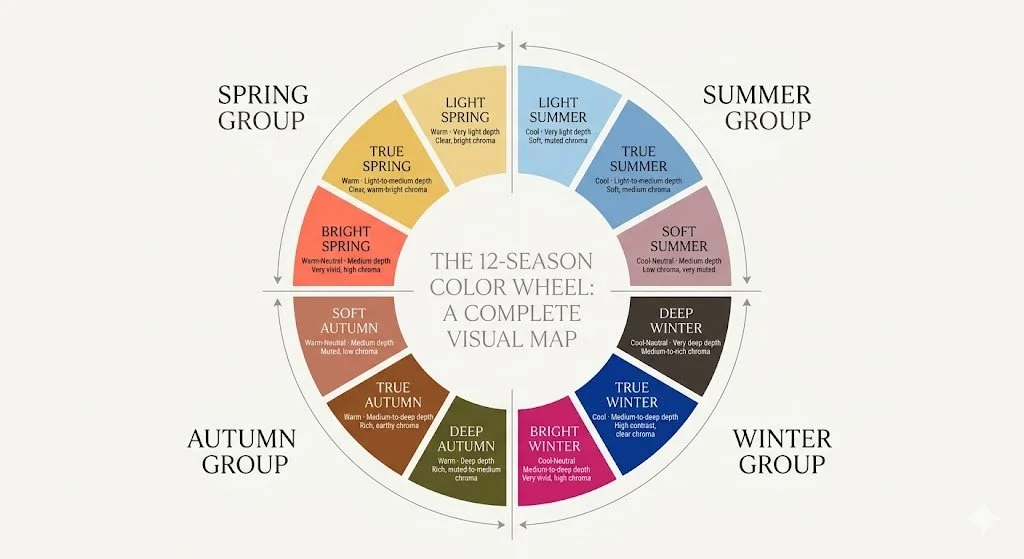
The 12 Seasons: A Complete Map
The original four-season system (Spring, Summer, Autumn, Winter) was expanded in the 1980s and 90s into a 12-season system that adds three subdivisions to each season allowing for much more precise color typing. The three dimensions are expressed within each season group.
The 12 Seasons: Visual Map
Spring Palette
Summer Palette
Autumn Palette
Winter Palette
THE SPRING FAMILY Warm, Clear, and Light-to-Vivid
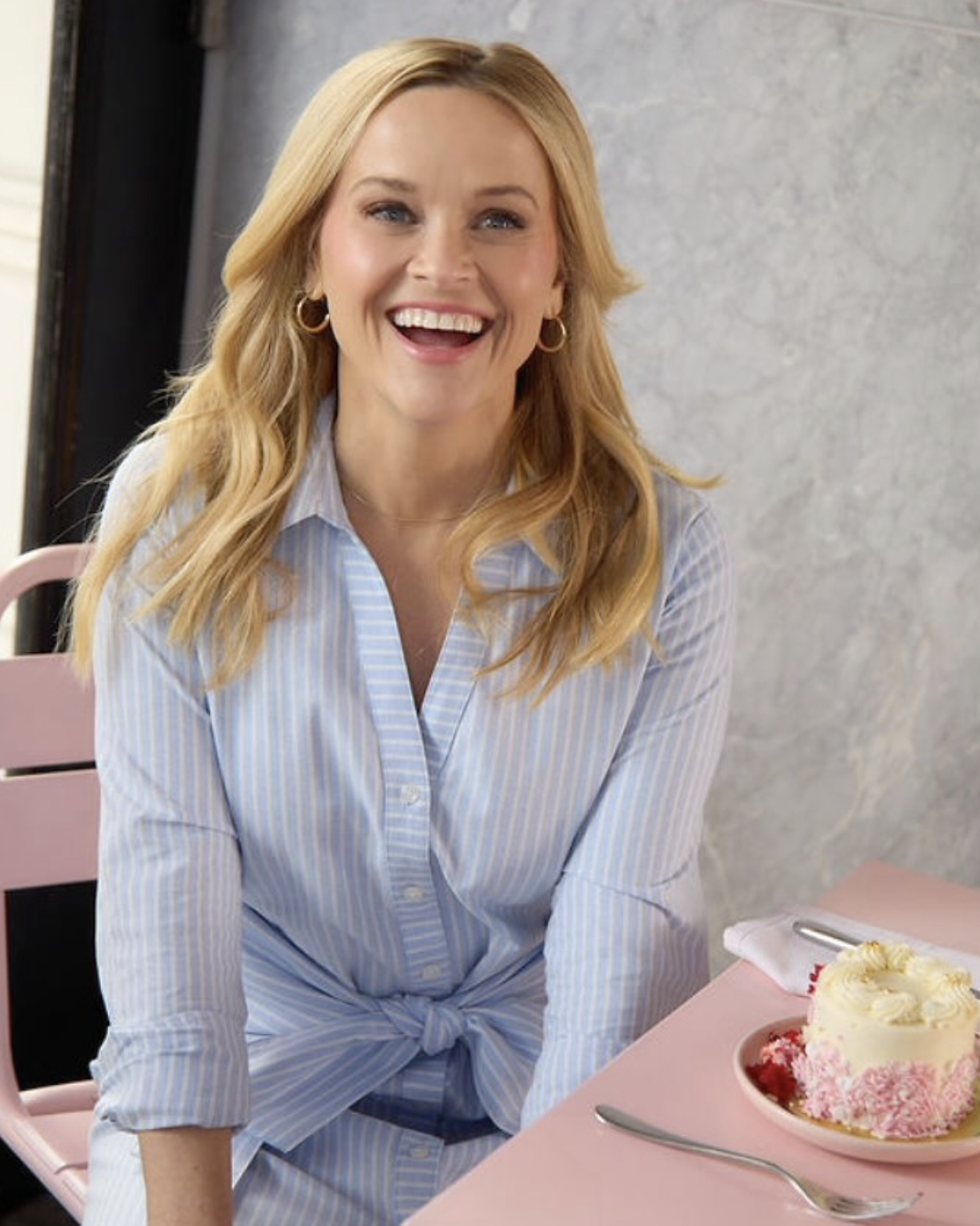
Photo Credit:@reesewitherspoon
All Spring seasons share a warm temperature and a clear, bright quality to their coloring. Springs are energized by warm, fresh colors and can look washed out in heavy, dark, or muted tones. The three Spring types differ primarily in depth (how light or deep the overall coloring is) and chroma (how clear and vivid versus how softly warm).
LIGHT SPRING
Defined by: Warm · Very light depth · Clear and fresh chroma
How to Identify This Season
Light Spring is the softest and most delicate of the warm seasons. The overall coloring is very light fair to light medium skin, golden or strawberry blonde to warm light brown hair, and eyes that are golden brown, clear hazel, aqua, or warm light green. The effect is fresh and peach-lit, like early morning light. On very fair skin, the complexion reads as golden-pink rather than rosy-pink. The key is that everything about the coloring is light and warm together not just the skin, but the hair and eyes too.
What This Looks Like Across Skin Tones
◆ Fair skin: creamy warm ivory with golden or peachy undertones. Not pink-white, not yellow a warm cream.
◆ Light medium skin: warm honey or light caramel tones. Golden cast visible in natural light.
◆ Medium skin: This season is rare at medium depth if your coloring is warm but you read as medium, you're likely True Spring or Soft Autumn instead.
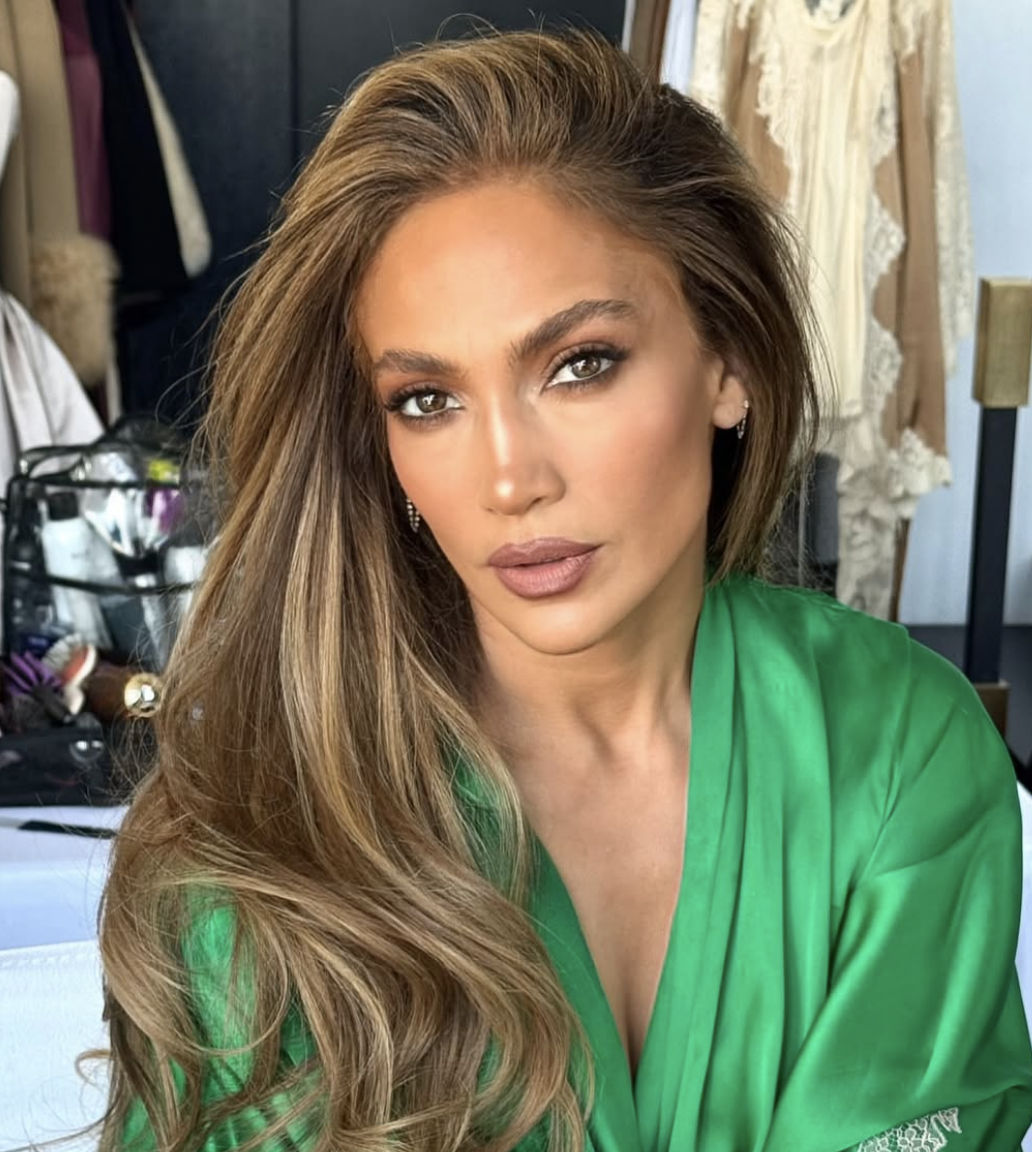
Photo Credit:@jlo
The Color Palette

Your Best Colors
Warm peach, coral, apricot, warm ivory, butter yellow, warm mint, light camel, golden tan, soft warm pink. These are the colors that make Light Springs look like they're lit from within fresh, golden, alive.
Approach These With Care
Cool pastels (baby blue, lavender, cool pink), anything icy or grey-toned, black and pure white, heavy navy, dark jewel tones. These colors cool down and flatten the warmth that is the signature of this season.
WHO WEARS THIS SEASON WELL
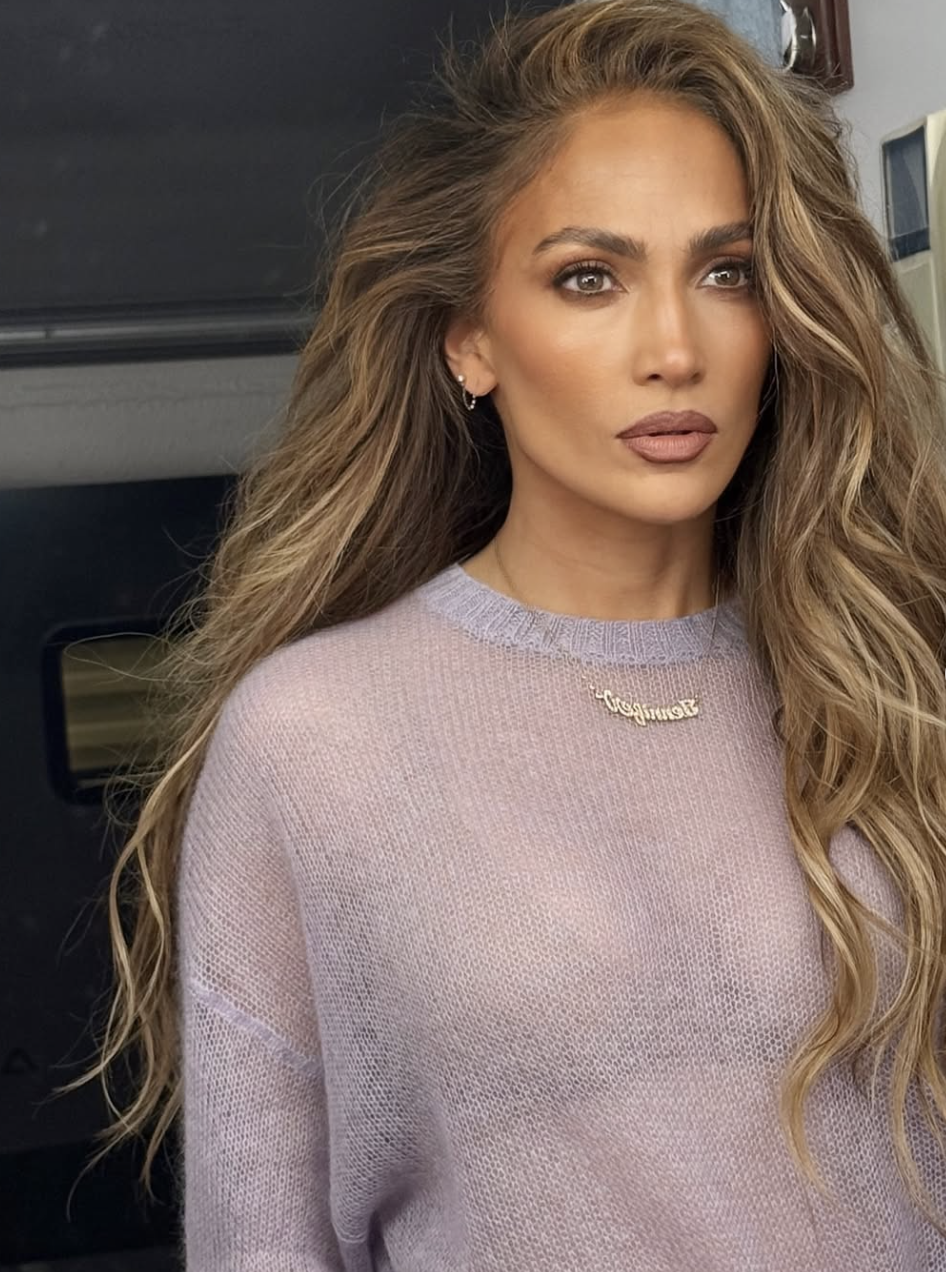
Blake Lively (fair warm skin, golden hair, warm eyes) · Reese Witherspoon (warm fair, golden-pink complexion) · Jennifer Lopez in her lighter-toned editorial looks · Shakira (warm light Mediterranean complexion) · Shakira
TRUE SPRING
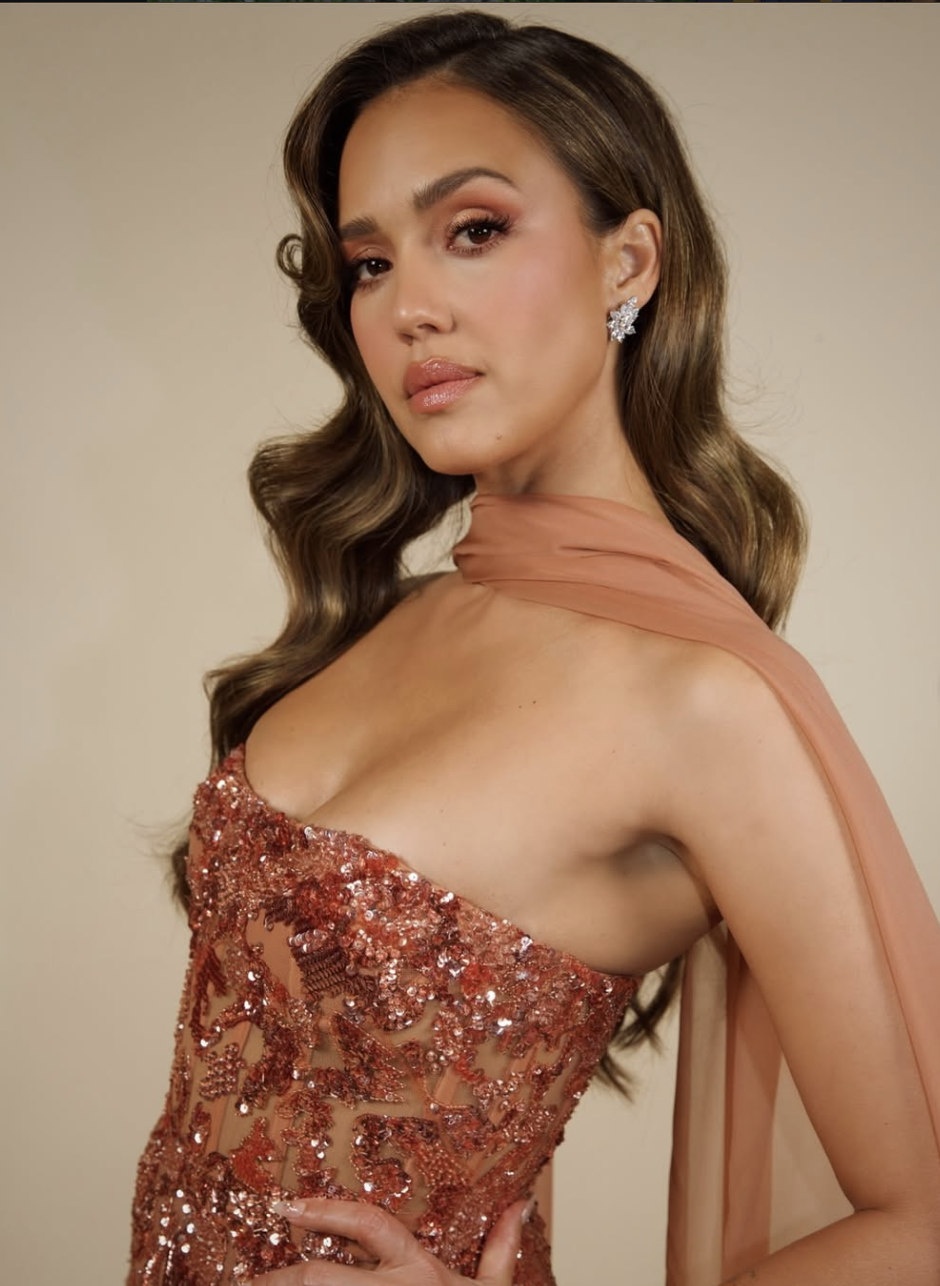
Photo Credit:@jessicaalba
Defined by: Warm · Light-to-medium depth · Clear, warm-bright chroma
How to Identify This Season
True Spring is the most classically 'spring' of the warm seasons warm in temperature, clear and bright in chroma, and slightly deeper in value than Light Spring. The skin is warm and clear, ranging from fair to medium. Hair is often golden brown, warm chestnut, strawberry blonde, or warm auburn. Eyes have golden-brown, warm hazel, clear green, or turquoise notes. The overall effect is sun-touched and vibrant there's a clarity and energy to True Spring coloring that reads as fresh even at medium depth.
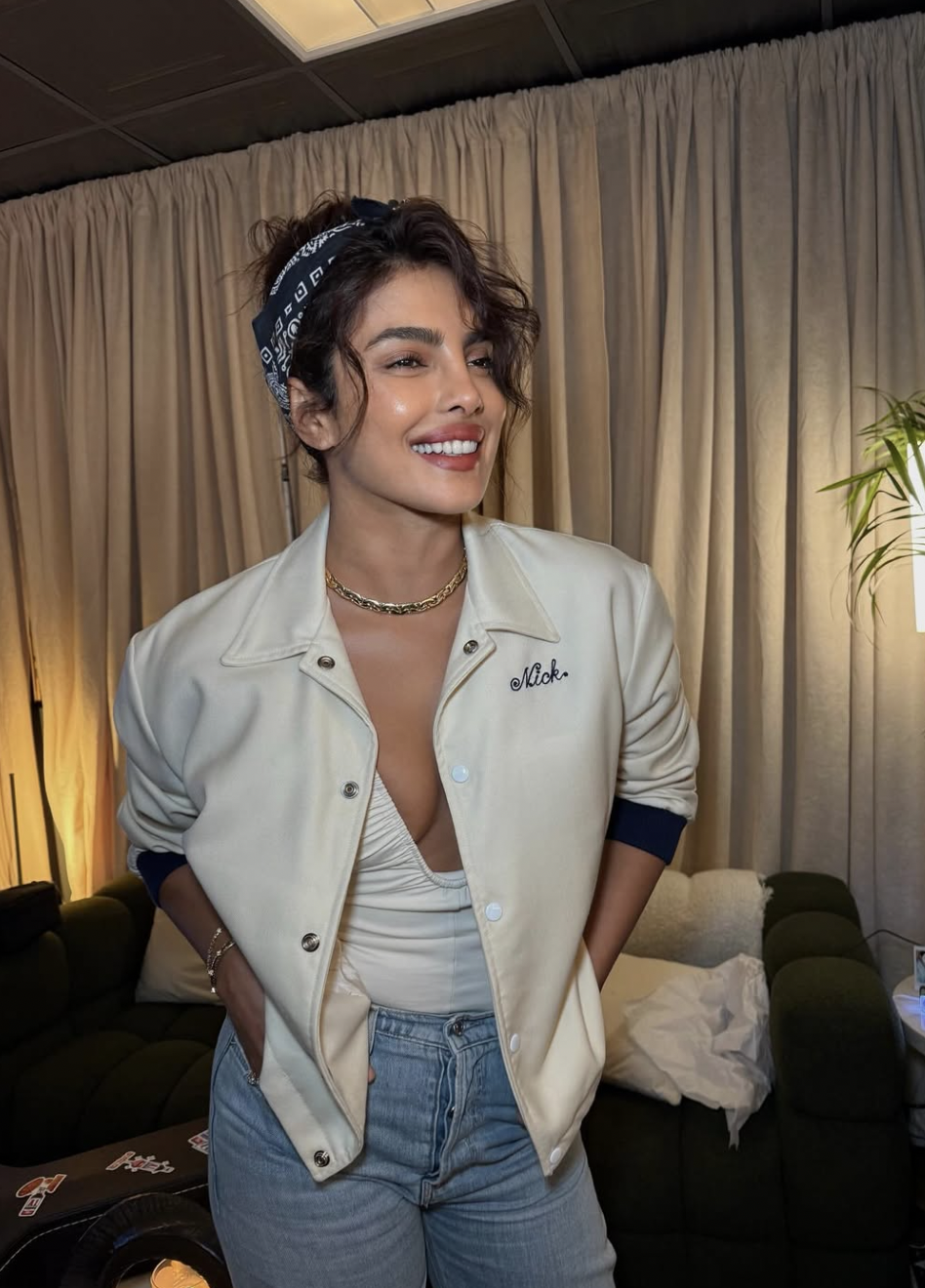
Photo Credit:@priyankachopra
What This Looks Like Across Skin Tones
◆ Fair to light skin: warm golden ivory or peach. The skin often has a visible glow in natural light.
◆ Light medium skin: warm honey or golden tan the kind of skin that tans easily to a golden brown.
◆ Medium brown skin: warm, golden-brown complexion with clear, bright eyes this reading is less common in traditional analysis but exists at this depth.
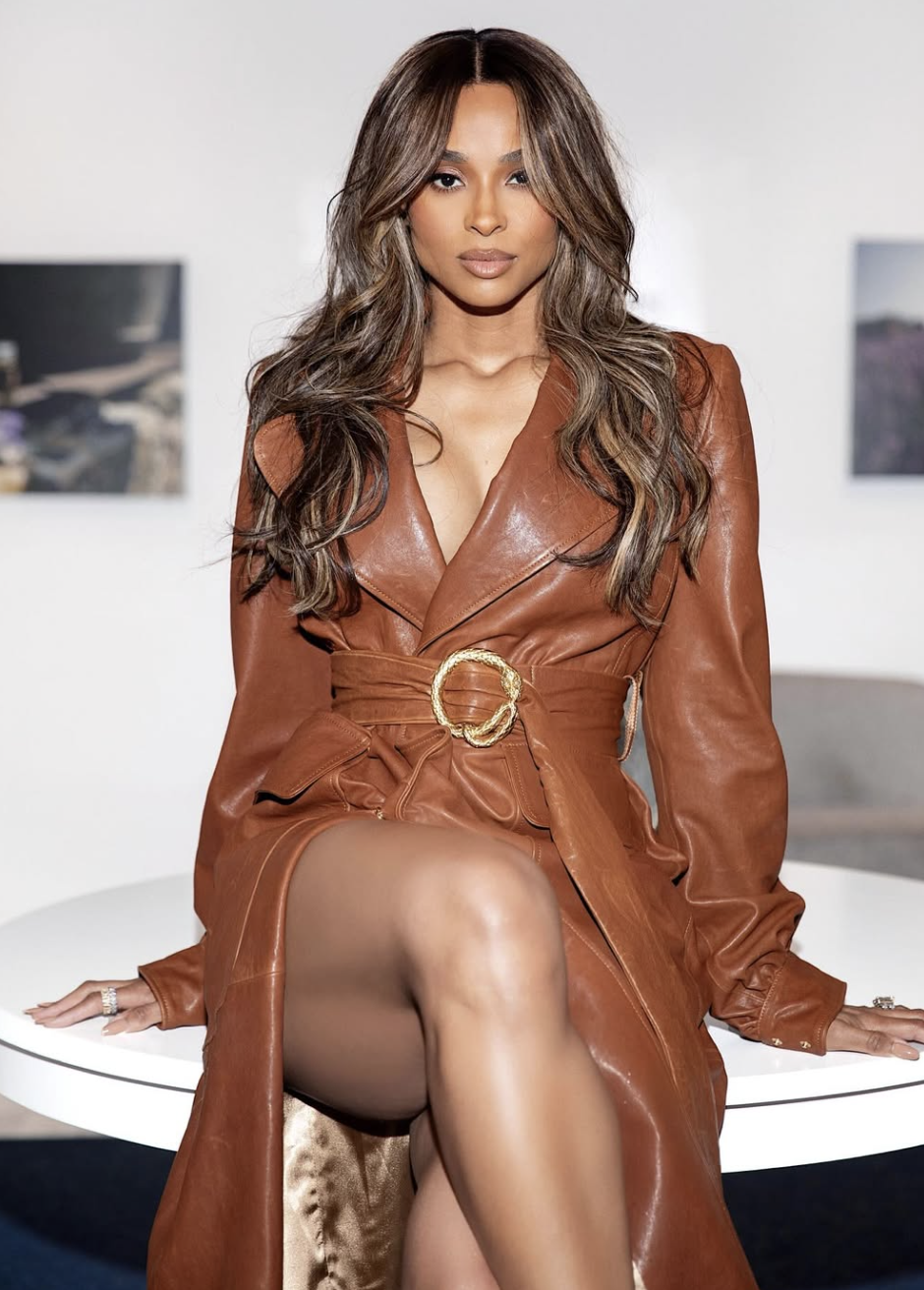
Photo Credit:@ciara
The Color Palette

Your Best Colors
Bright coral, warm red, golden yellow, grass green, turquoise, warm camel, peach, bright warm orange. True Springs can go brighter than Light Springs they have enough depth to carry vivid warm colors without being overwhelmed.
Approach These With Care
Cool grey, icy tones, burgundy, black, heavy winter brights. True Spring coloring is best when the color retains warmth even a 'bright' color should have warmth in it, not cool clarity.
WHO WEARS THIS SEASON WELL
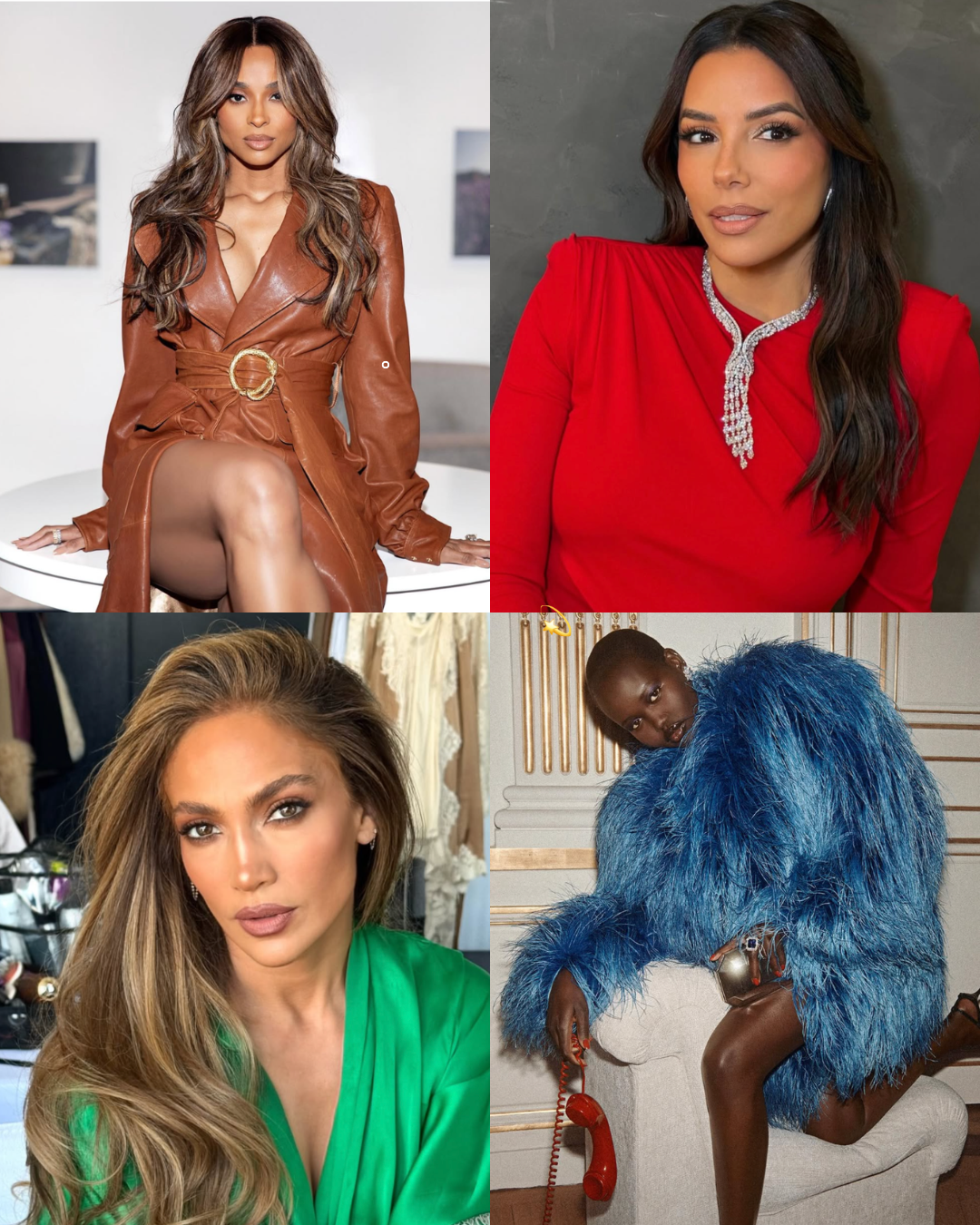
Jessica Alba (warm medium skin, golden-brown hair, warm eyes) · Priyanka Chopra (warm complexion, clear eyes often styled in warm brights that confirm True Spring) · Ciara · Nicole Kidman in her most warm-palette editorial looks · Jennifer Aniston (warm-leaning with clear, fresh coloring)
BRIGHT SPRING
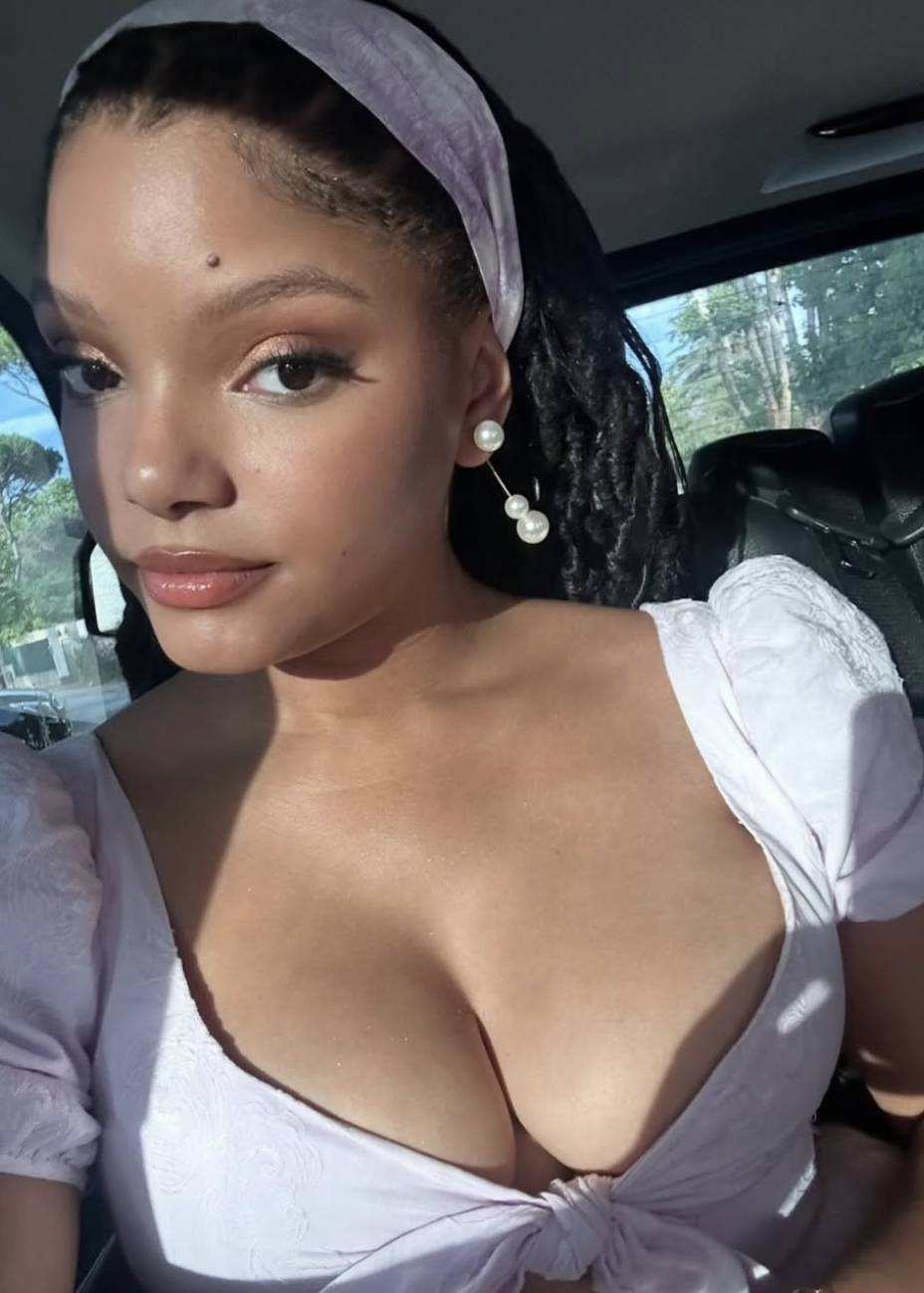
Photo Credit:@hallebailey
Defined by: Warm-to-neutral · Medium depth · Very high chroma the most vivid season
How to Identify This Season
Bright Spring is where Spring meets Winter in warmth it's the most vibrant of all the warm seasons and one of the highest-chroma seasons overall. The defining characteristic is extreme clarity and brightness in the coloring: very vivid eyes, clear bright skin, and a high contrast between features. The skin ranges from fair to medium-deep and can read warm or warm-neutral. The eyes are the giveaway they tend to be strikingly clear, bright, and vivid, sometimes with a startling quality. Hair is often dark, which creates a high-contrast effect with the skin.
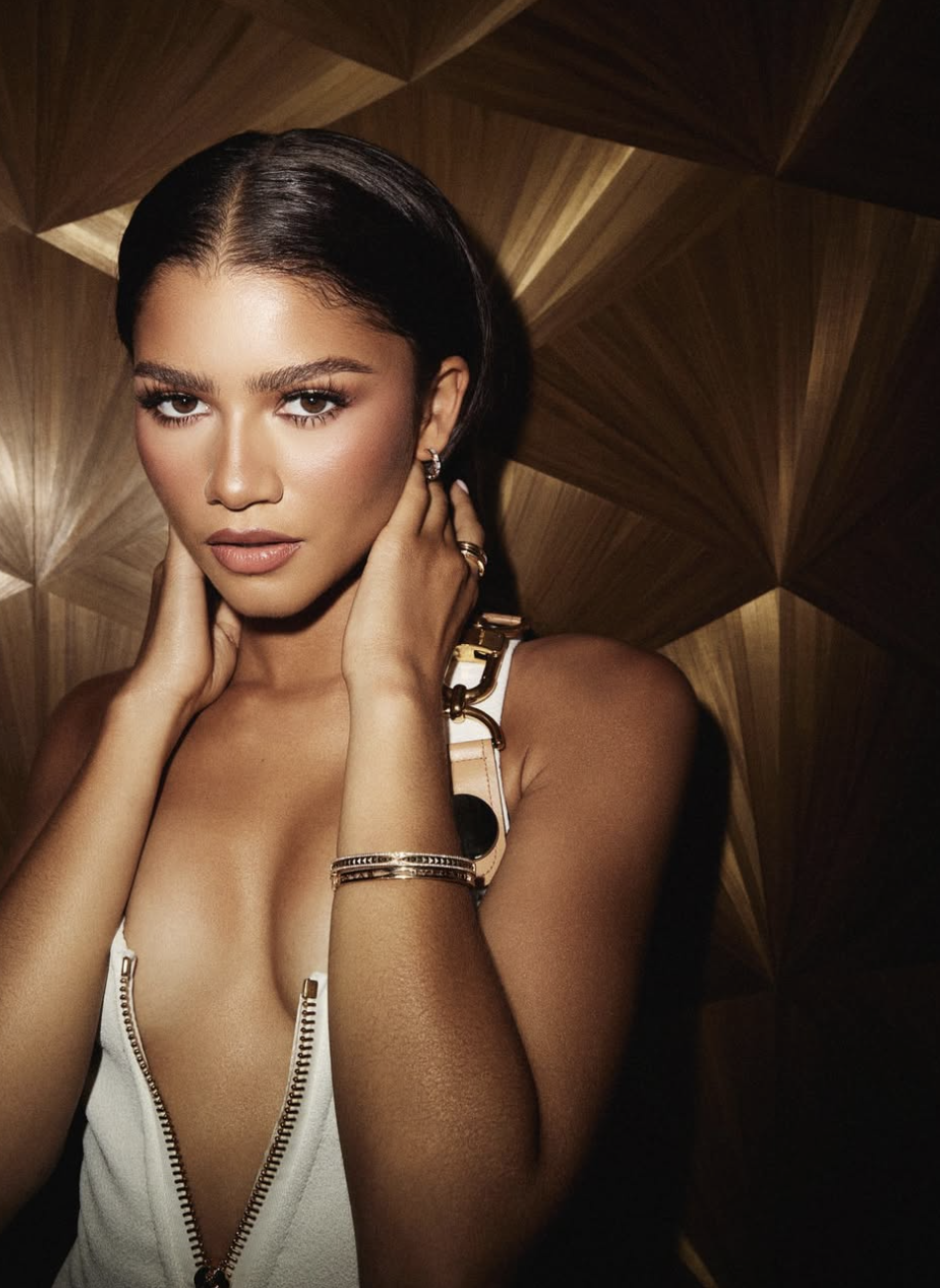
Photo Credit:@zendaya
What This Looks Like Across Skin Tones
◆ Fair to light: bright, clear skin with a warm or neutral undertone. Vivid eye color blue, green, or amber is the signature.
◆ Medium skin: warm to neutral medium complexion with clear, striking eyes. High contrast between features.
◆ Medium-deep skin: warm-neutral brown to golden-brown skin with bright, vivid eyes. This is where Bright Spring extends into brown skin territory it's a less-commonly identified but real expression of this season.
The Color Palette
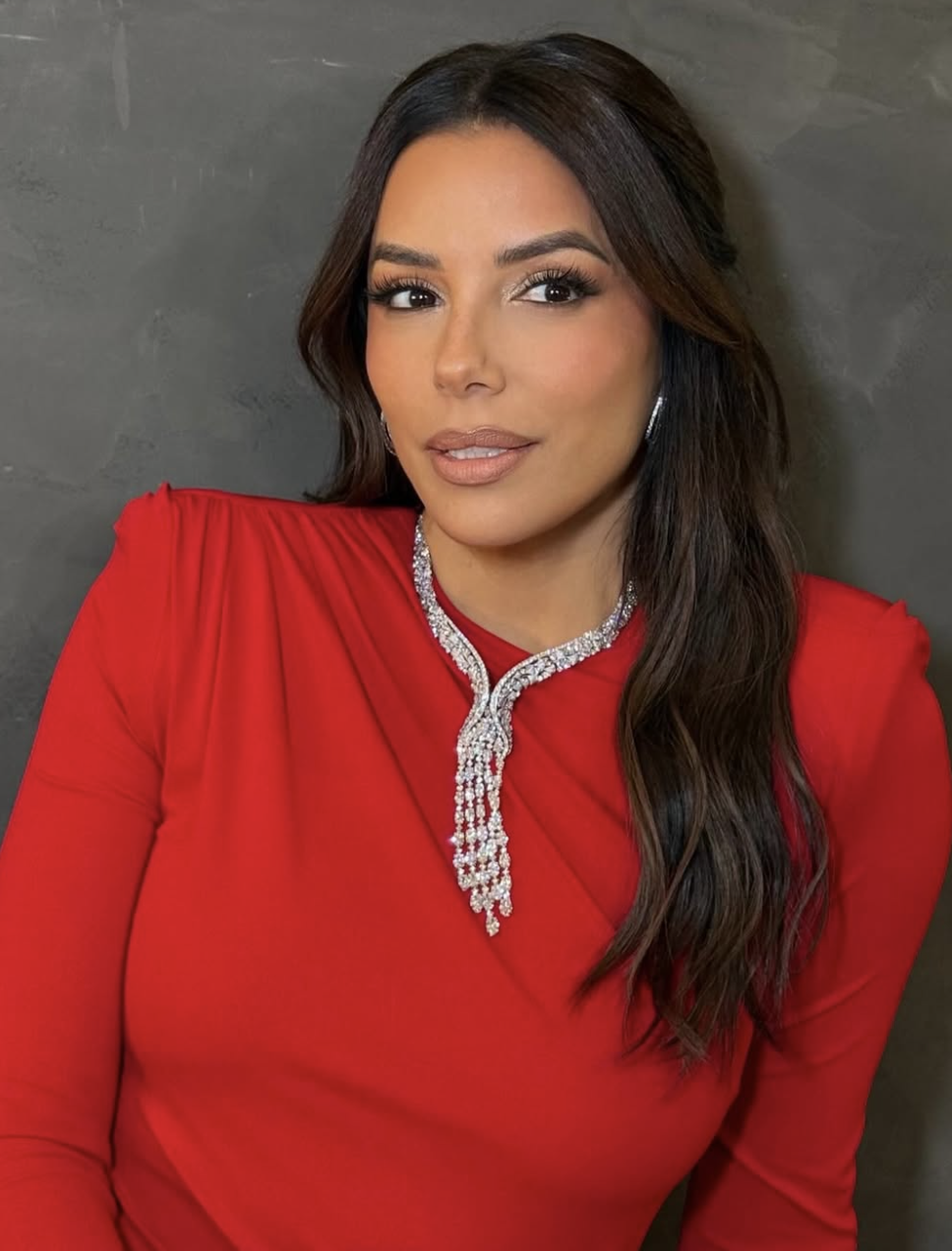
Photo Credit:@@evalongoria, @ash_kholm , @justinemarjan

Your Best Colors
Hot coral, vivid yellow-green, electric turquoise, bright warm orange, vivid warm red, coral pink. Bright Spring can wear the most saturated warm colors of any season the high chroma coloring demands equally vivid colors to come alive.
Approach These With Care
Muted earthy tones (these flatten the brightness), heavy deep tones, grey, muted pastels. Anything that reduces the vividness of the look will dull what makes Bright Spring coloring striking.
WHO WEARS THIS SEASON WELL
Halle Bailey (vivid eyes, warm-neutral skin, high chroma coloring) · Eva Longoria in her most vivid-palette looks · Zendaya in certain editorial styling (warm-bright reads) · Selena Gomez (clear, bright, warm-tending complexion)
THE SUMMER FAMILY Cool, Soft, and Light-to-Medium
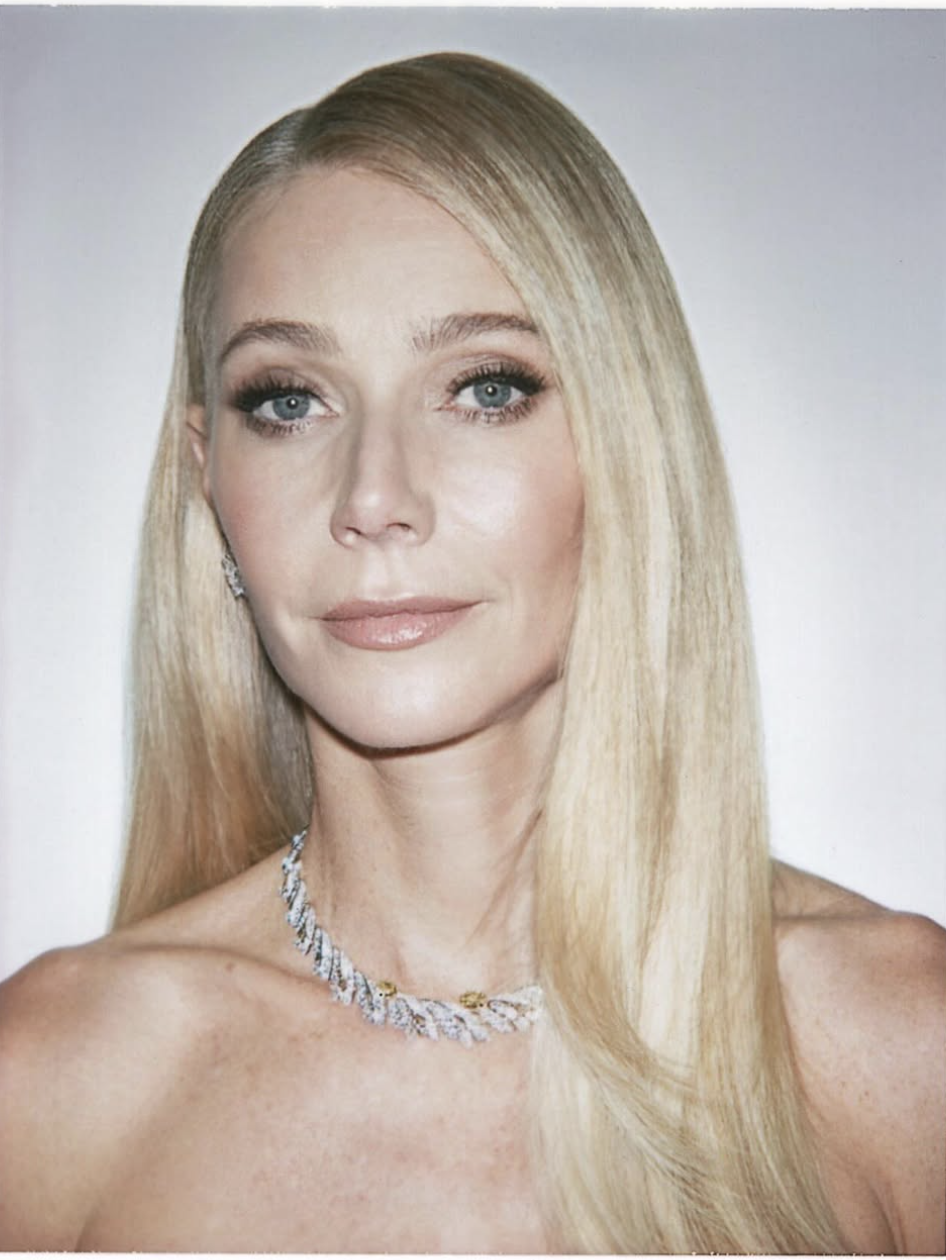
Photo Credit:@gwynethpaltrow
All Summer seasons share a cool temperature and a soft, muted quality to their chroma. Summers are at their best in cool, dusty, and blended colors they look grayed-out and sharp in heavy contrast or vivid brights. The three Summer types differ in depth and how soft their coloring reads.
LIGHT SUMMER

Photo Credit:@taylorswift , @extratv
Defined by: Cool · Very light depth · Soft, delicate chroma
How to Identify This Season
Light Summer is the softest and coolest of the Summer seasons. The coloring is very light and the overall effect is quiet and ethereal think cool ivory or rose-white skin, ash blonde or cool light brown hair, and eyes in cool grey, cool blue, soft grey-green, or very soft cool brown. There's a delicacy to Light Summer coloring nothing is stark or dramatic. The contrast between features is very low, everything blends harmoniously.
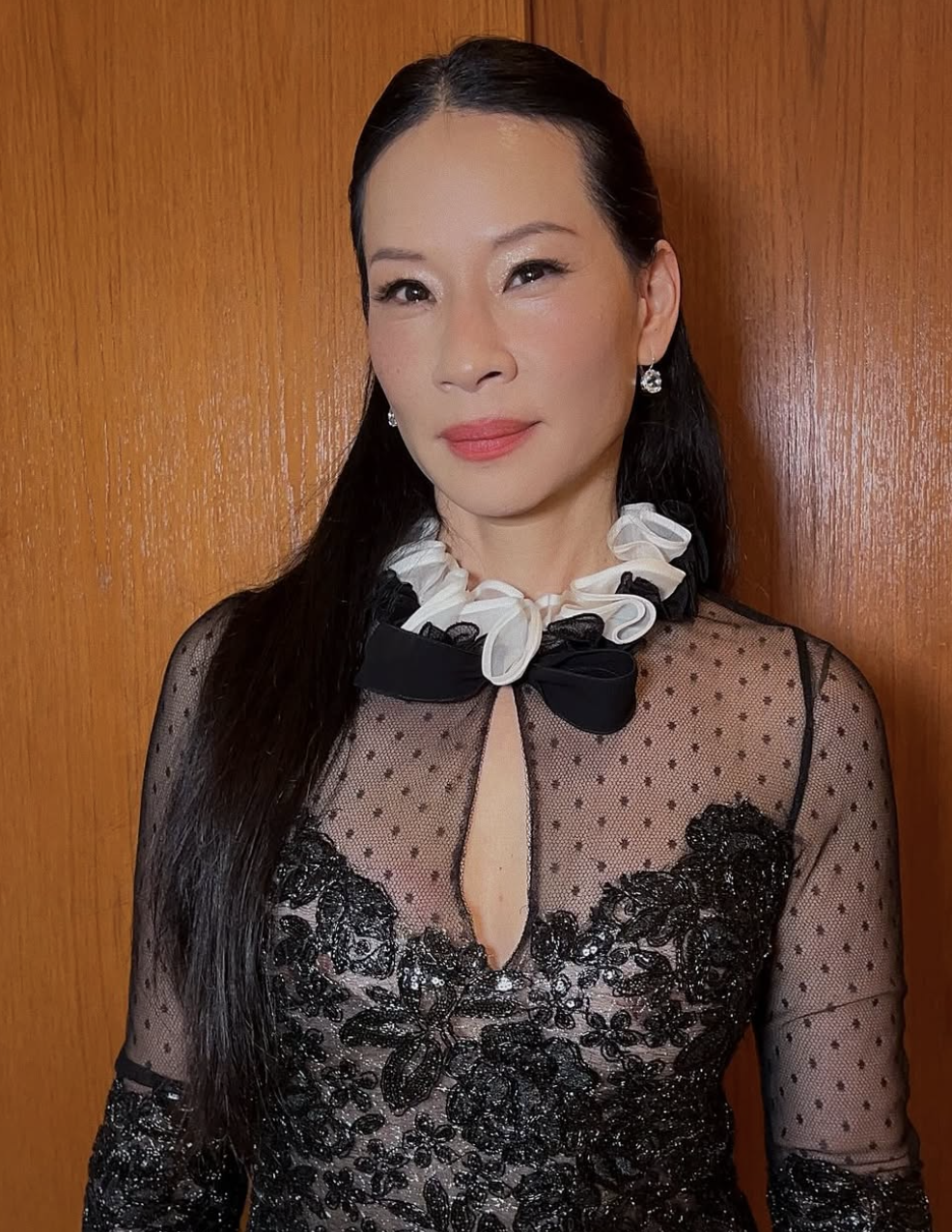
Photo Credit:@Lucy Liu
What This Looks Like Across Skin Tones
◆ Fair skin: cool ivory, rose-white, or cool beige. The pink or rose cast is visible and genuine.
◆ Light medium skin: Light Summer at a light-medium depth shows as a cool beige or cool pink-beige the Asian complexions that read as 'cool porcelain' often fall here.
◆ This season rarely presents at deeper depths the defining characteristic is the low-value, cool-and-light combination.
The Color Palette
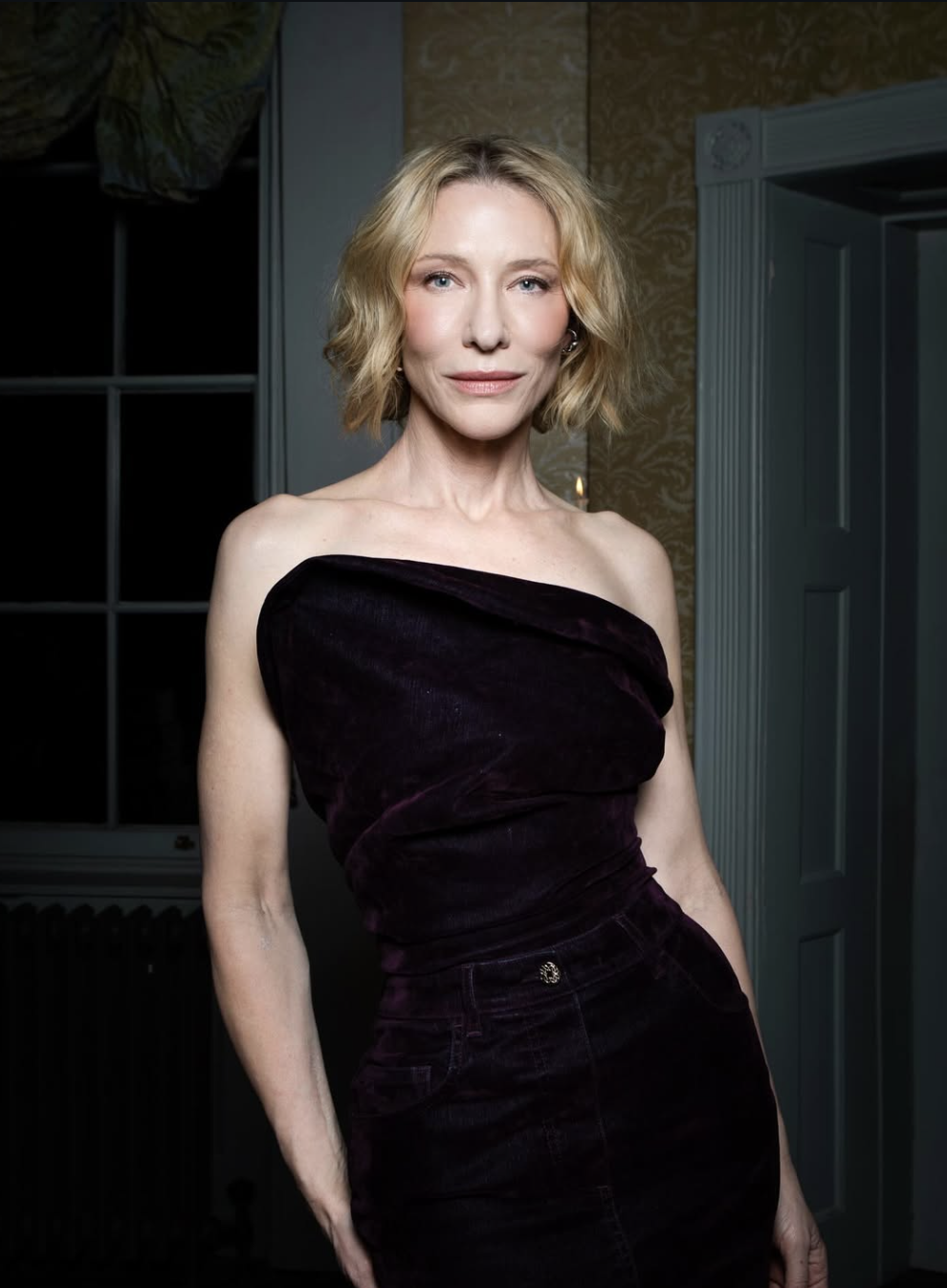
Photo Credit: Via cateblanchett @harrisongrantstudios

Your Best Colors
Powder pink, soft lavender, powder blue, cool rose, soft sage, cool ivory, pale periwinkle, dusty lilac. These colors have cool undertones and low saturation — they blend with Light Summer coloring rather than overpowering it.
Approach These With Care
Warm tones (anything with yellow, orange, or golden cast), black, heavy saturated colors, vivid brights. These create too much contrast and overwhelm the soft, cool coloring.
WHO WEARS THIS SEASON WELL
Gwyneth Paltrow (cool fair skin, ash hair, soft coloring) · Taylor Swift in her softer-palette moments · Cate Blanchett (cool, ethereal fair complexion) · Lucy Liu (cool porcelain Asian complexion with very soft coloring)
TRUE SUMMER
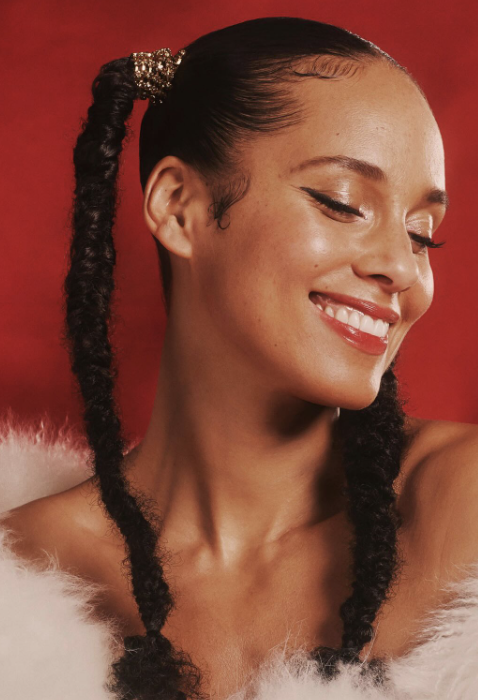
Photo Credit:@aliciakeys
Defined by: Cool · Light-to-medium depth · Soft, medium chroma
How to Identify This Season
True Summer sits in the middle of the Summer family deeper in value than Light Summer, with more presence, but always maintaining the defining cool temperature and muted quality. The skin ranges from cool beige to cool medium brown. Hair is ash brown or cool medium brown, often mousy or greyed rather than warm. Eyes tend toward cool blue-grey, cool grey-green, or cool brown. The overall effect is cool, controlled, and quietly elegant.
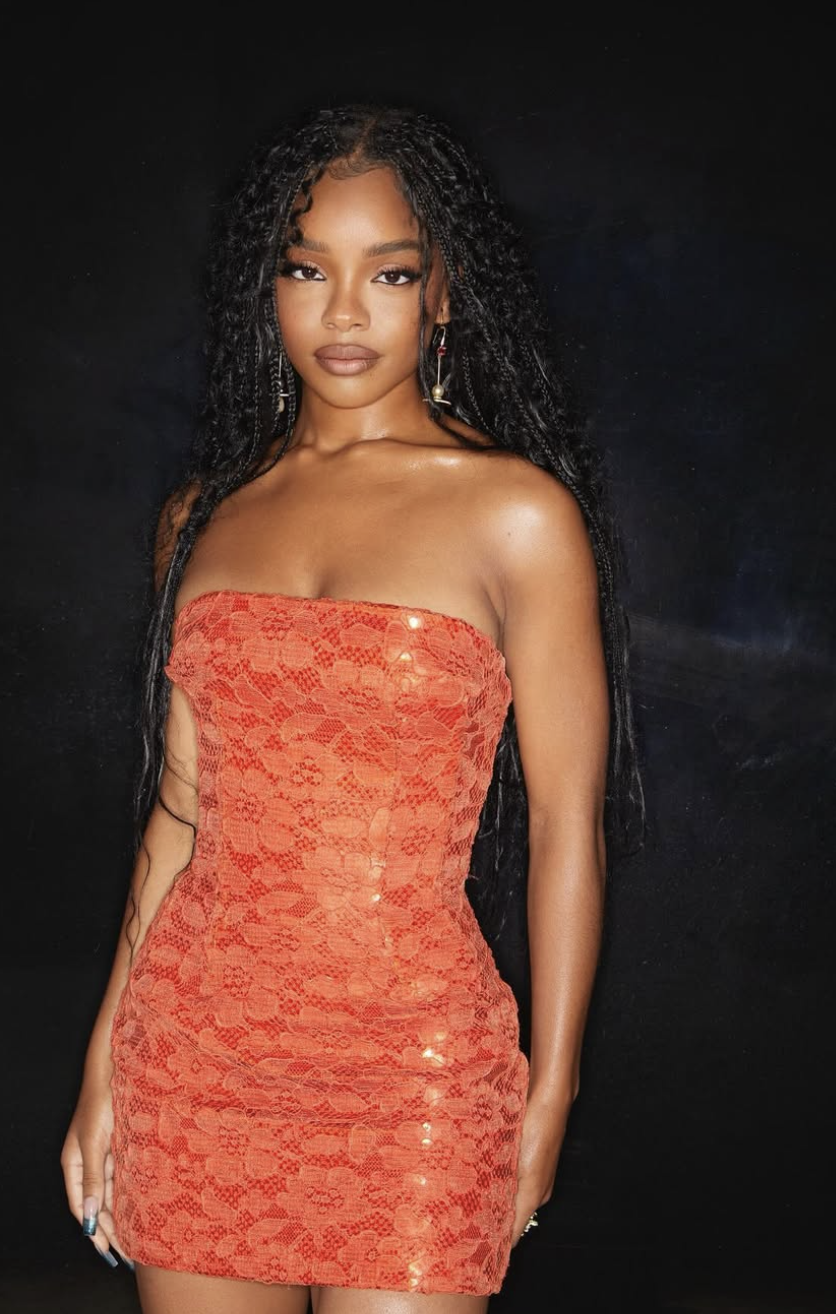
Photo Credit:@marsaimartin
What This Looks Like Across Skin Tones
◆ Light to medium fair: cool beige or neutral-cool skin with ash hair. The coloring has presence but never reads as warm.
◆ Medium skin: cool-medium brown complexion with cool brown or greyed-brown hair and cool eyes. Alicia Keys is often cited as True Summer warm-leaning analysis places her elsewhere, but her cool-toned styling choices consistently support cool analysis.
◆ Medium complexions with pink undertones: Cool beige-rose skin that deepens to a medium muted brown also falls here.
The Color Palette
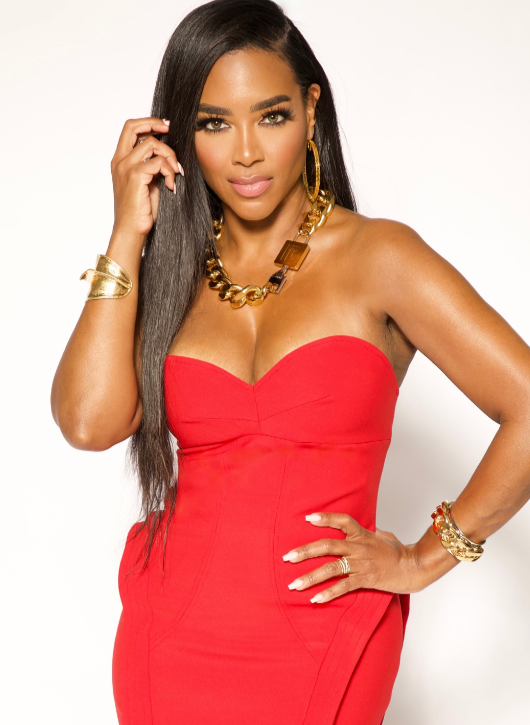
Photo Credit:@kenya

Your Best Colors
Dusty rose, slate blue, cool lavender, soft burgundy, sage green, cool grey, muted teal, cool mauve. These colors have depth without warmth they read as serious and elegant against True Summer coloring.
Approach These With Care
Golden or warm tones, vivid warm red, orange, yellow-green. These introduce warmth that conflicts with the cool base of True Summer coloring.
WHO WEARS THIS SEASON WELL
Alicia Keys (in her most pared-back, cool-styled looks) · Kenya Moore (cool-ashy undertone on deep skin) · Marsai Martin (cool-neutral medium complexion) · Cynthia Erivo (cool-muted harmony)
SOFT SUMMER
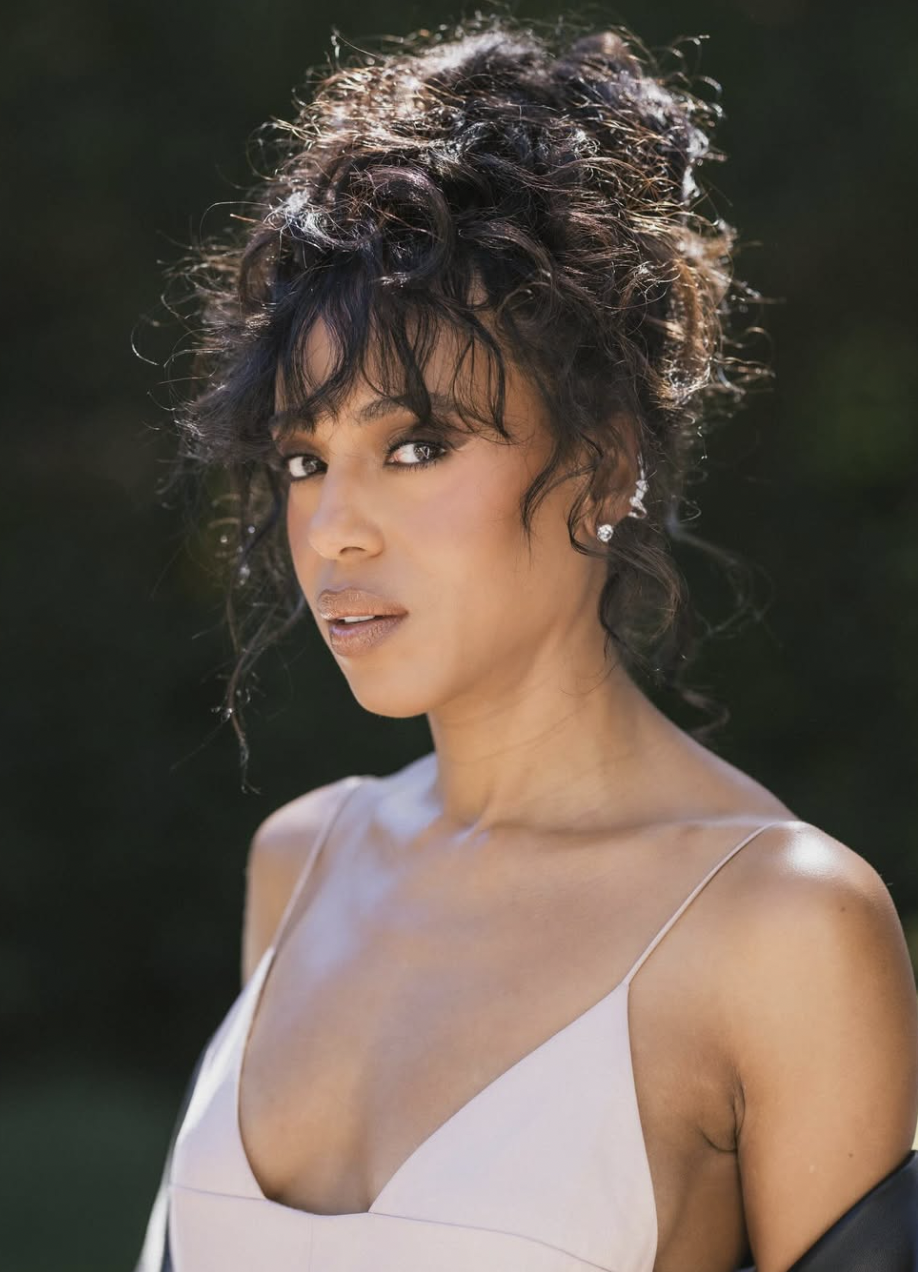
Photo Credit:@kerrywashington
Defined by: Cool-neutral · Medium depth · Very soft, blended, lowest chroma of all seasons
How to Identify This Season
Soft Summer is the most muted of all 12 seasons the coloring is so softly blended that stark contrasts and vivid colors overwhelm it immediately. The skin is cool-neutral at a medium depth, hair is an indistinct cool-medium brown or cool ash, and eyes are often a quiet cool brown, hazel, or grey-green. The overall effect is misty and soft everything about the coloring whispers rather than shouts. Many women in this season feel frustrated by color analysis because neither the warm palettes nor the bright cool palettes seem to work and that's because the answer is specifically the muted cool-neutral range.
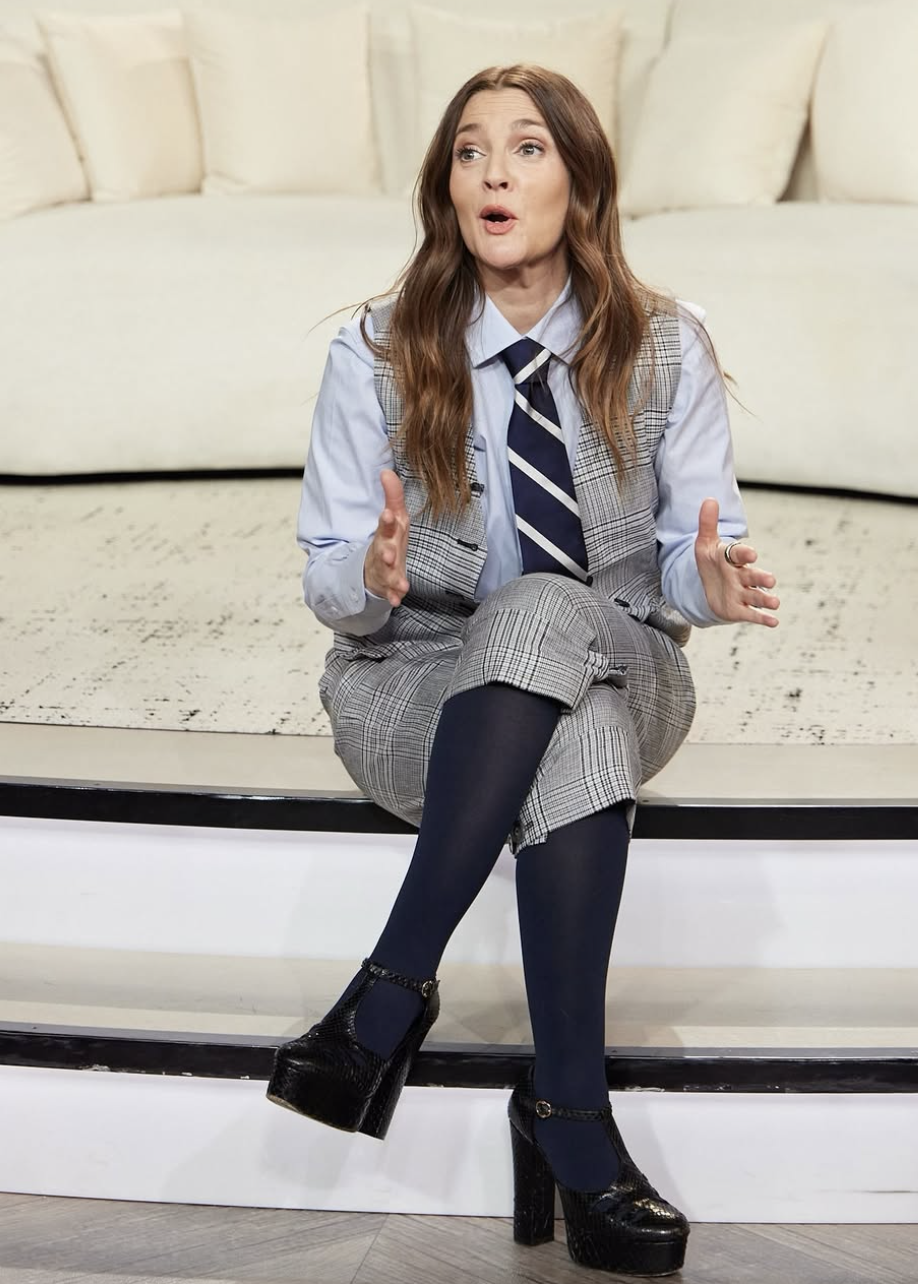
Photo Credit:@drewbarrymore
What This Looks Like Across Skin Tones
◆ Medium fair: soft, slightly pink-beige skin with no golden or warm glow. The skin looks its best in an overall low-contrast, tonal look.
◆ Medium skin: cool-neutral medium complexion with muted coloring. Kerry Washington has been analyzed as Soft Summer by some analysts the cool-neutral depth, muted features, and how dramatically she comes alive in dusty, muted cool tones supports this.
◆ This season can present across a range of medium depths as long as the coloring remains muted and cool-neutral.
The Color Palette
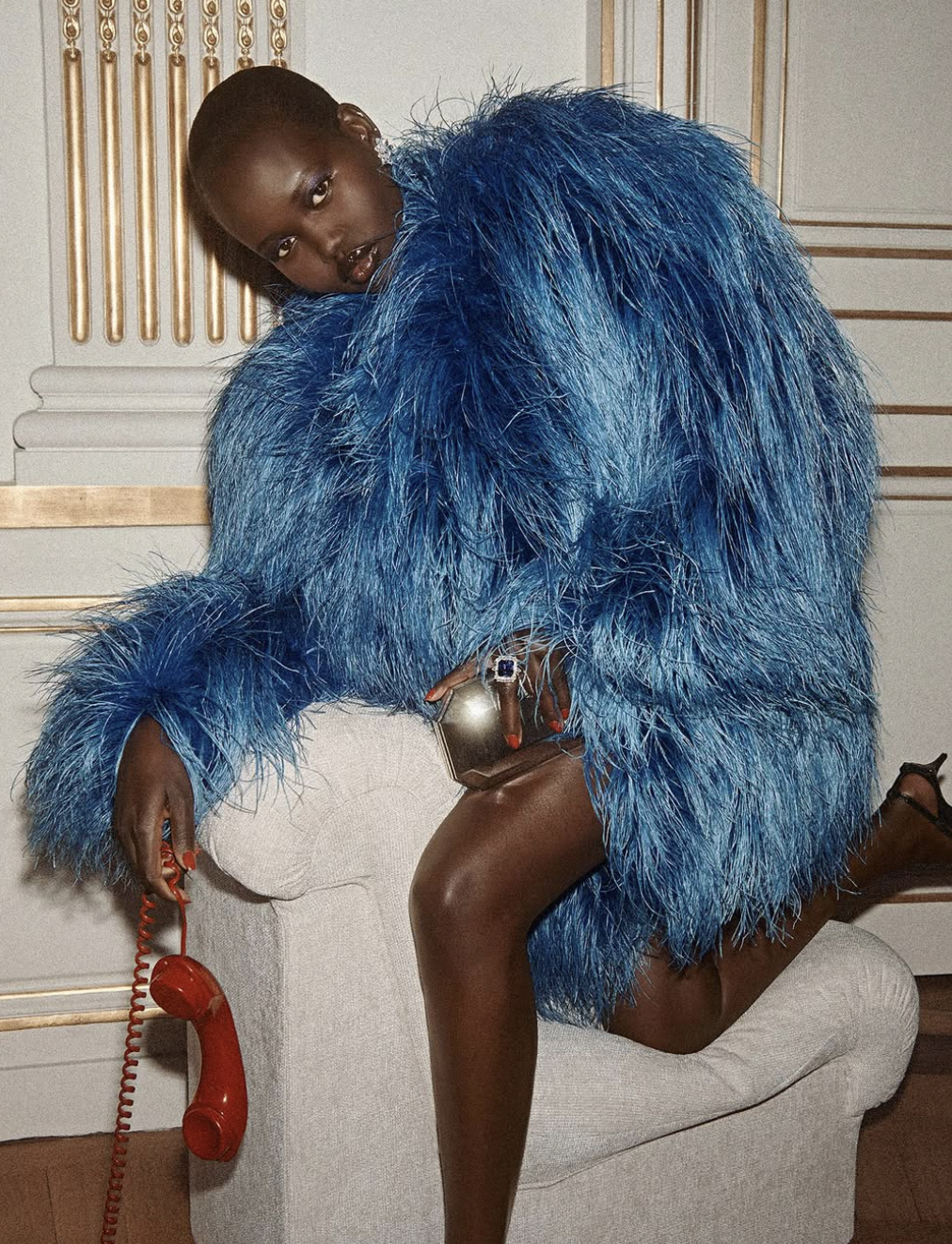
Photo Credit:@adutakech

Your Best Colors
Greyed mauve, dusty rose, muted sage, dusty blue-grey, greyed lavender, soft plum, dusty teal. Every color in the Soft Summer palette is a muted, cool-toned version of a brighter color never the vivid original.
Approach These With Care
Vivid and bright colors (all of them), black, bright white, warm tones, strong contrasts. These all make Soft Summer coloring look flat, sallow, or overwhelmed.
WHO WEARS THIS SEASON WELL
Adut Akech (cool-neutral deep skin with very soft, velvety chroma) · Drew Barrymore (cool-neutral medium fair, soft coloring) · Kerry Washington (in her softest, most muted editorial looks)
THE AUTUMN FAMILY — Warm, Rich, and Earthy
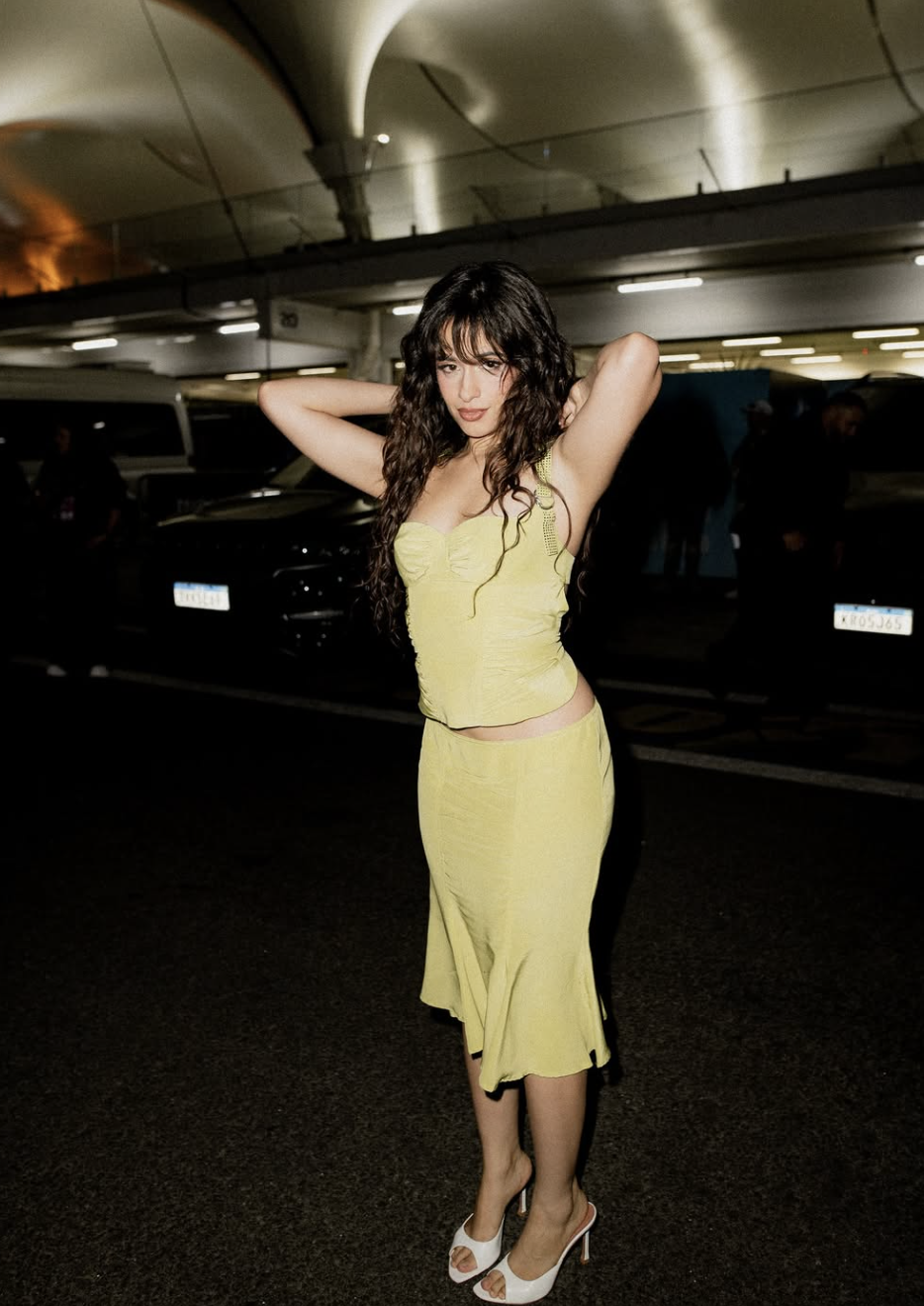
Photo Credit:@camila_cabello
All Autumn seasons are warm in temperature and earthy in character they share golden, amber, and bronze undertones and their palettes are drawn from nature at its deepest and most saturated. Autumns look dull in cool blues and icy tones and washed out in bright, clear colors. They come alive in spice, moss, bronze, and rust.
SOFT AUTUMN
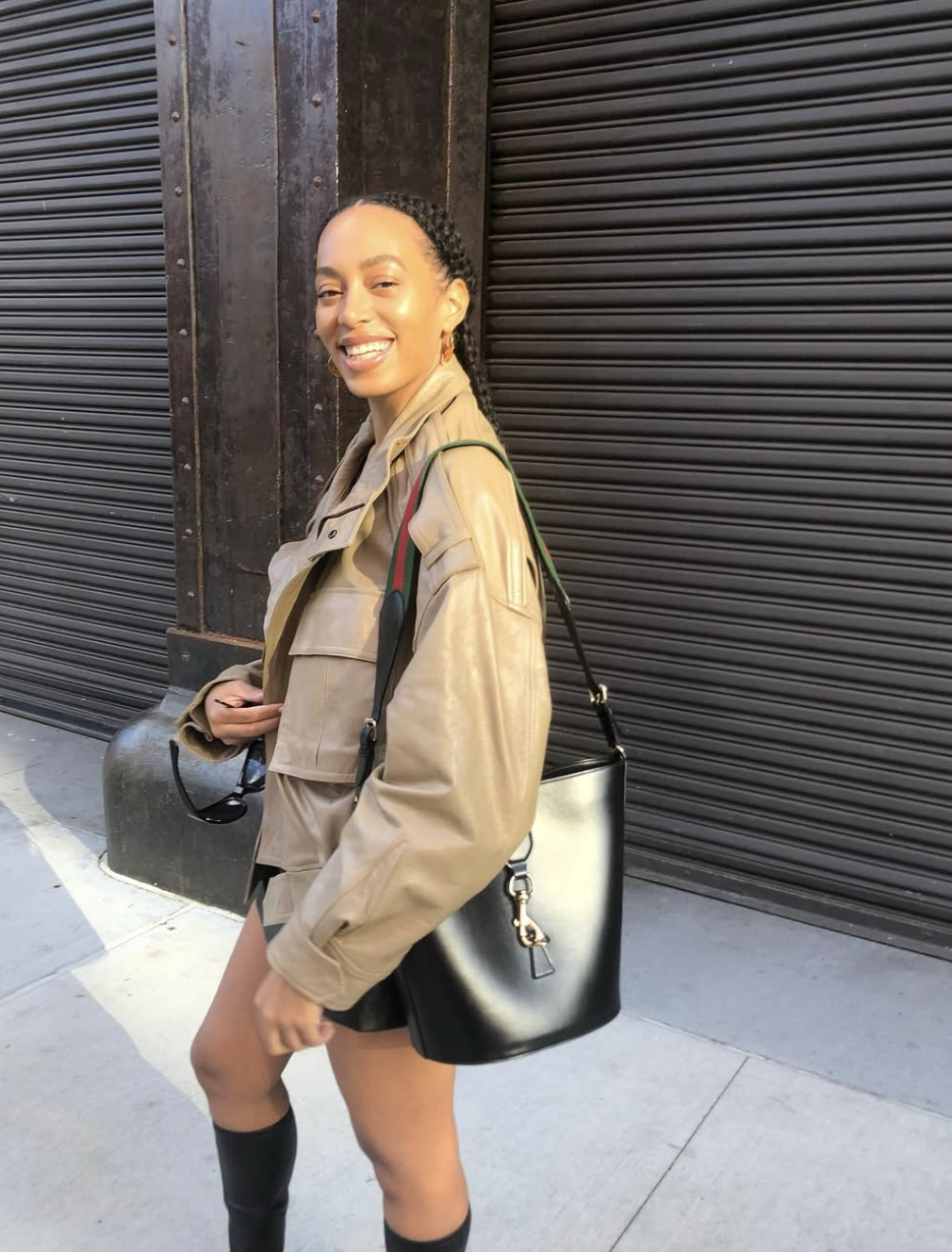
Photo Credit:@solangeknowles
Defined by: Warm-neutral · Medium depth · Muted, lowest chroma in the Autumn family
How to Identify This Season
Soft Autumn bridges the Summer and Autumn families it has Autumn warmth but Summer softness, resulting in a coloring that is warm-neutral rather than clearly warm. The skin is warm beige or warm medium brown, the hair is medium warm brown, and the eyes are soft warm brown, hazel, or golden brown without strong contrast. Nothing about Soft Autumn coloring reads as dramatic the overall effect is warm, blended, and understated.
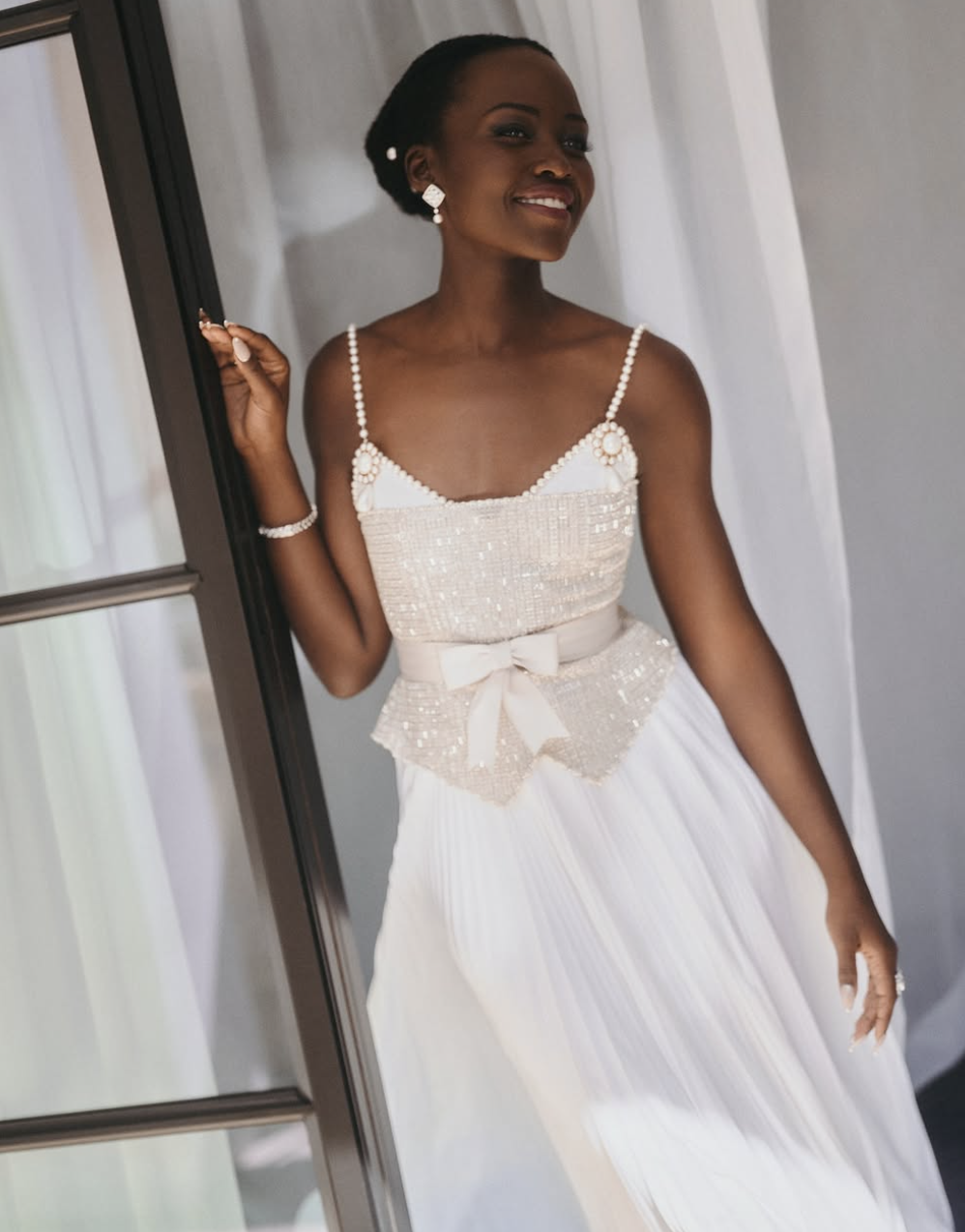
Photo Credit:@Lupita Nyong'o
What This Looks Like Across Skin Tones
◆ Light to medium skin: warm beige, golden beige, or warm medium brown. The skin has warmth but not a strong golden glow it's warm in a muted way.
◆ Medium skin: warm medium brown with soft, blended features. Zendaya has been analyzed as Soft Autumn by several analysts her warm-neutral medium complexion and soft golden-brown coloring support this reading.
◆ This season appears frequently in medium-depth warm complexions across South Asian, Latina, and mixed-heritage women.
The Color Palette

Photo Credit:@fallontonight and@teyanataylor

Your Best Colors
Warm tan, dusty peach, muted olive, warm camel, bronze, soft gold, dusty terracotta, warm cream. These colors have warmth but stay in the muted range — never vivid, never icy.
Approach These With Care
Cool blues and purples, icy tones, vivid brights, black and pure white, strong contrast pairings. These all read as too cool or too stark for the warm-muted signature of this season.
WHO WEARS THIS SEASON WELL
Solange Knowles (warm-neutral medium skin, soft golden-brown coloring) · Camila Cabello (warm medium complexion, blended features) · Lupita Nyong'o (when styled in muted earthy tones like ochre and olive) · Teyana Taylor (warm-neutral depth with soft, muted chroma)
TRUE AUTUMN
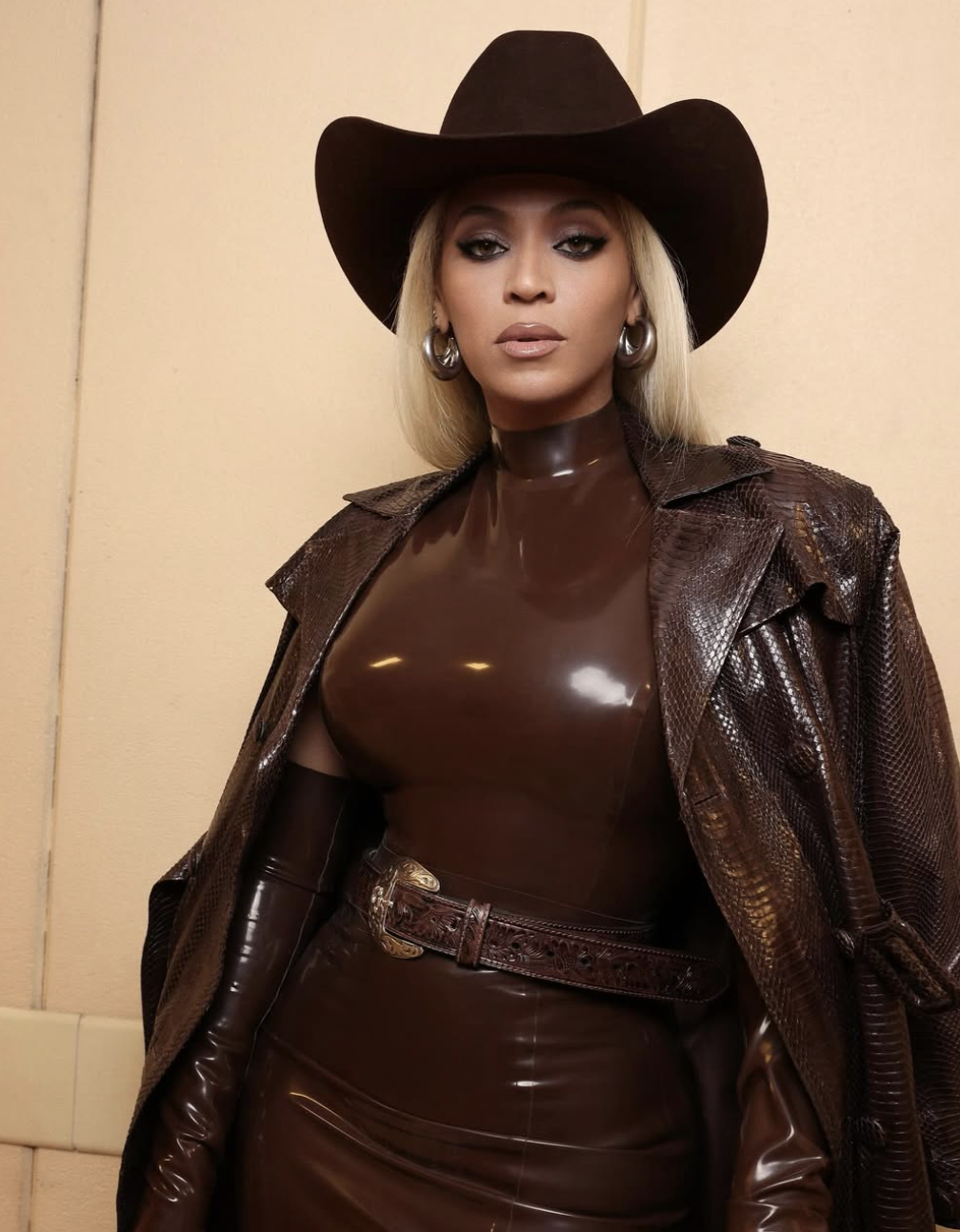
Defined by: Warm · Medium-to-deep depth · Rich, earthy, clear in warmth
How to Identify This Season
True Autumn is the most classically 'autumn' season strongly warm, rich in depth, and saturated in earthy colors. The skin is warm beige to warm medium-deep brown, hair is warm chestnut, warm brown, golden auburn, or warm medium brown, and eyes are warm brown, amber, hazel, or deep golden brown. The overall effect is rich, golden, and grounded. Beyoncé is a commonly cited True Autumn the warm golden undertone to her skin, the warm brown and golden hair, and how dramatically she comes alive in bronze and earthy golds confirm this.
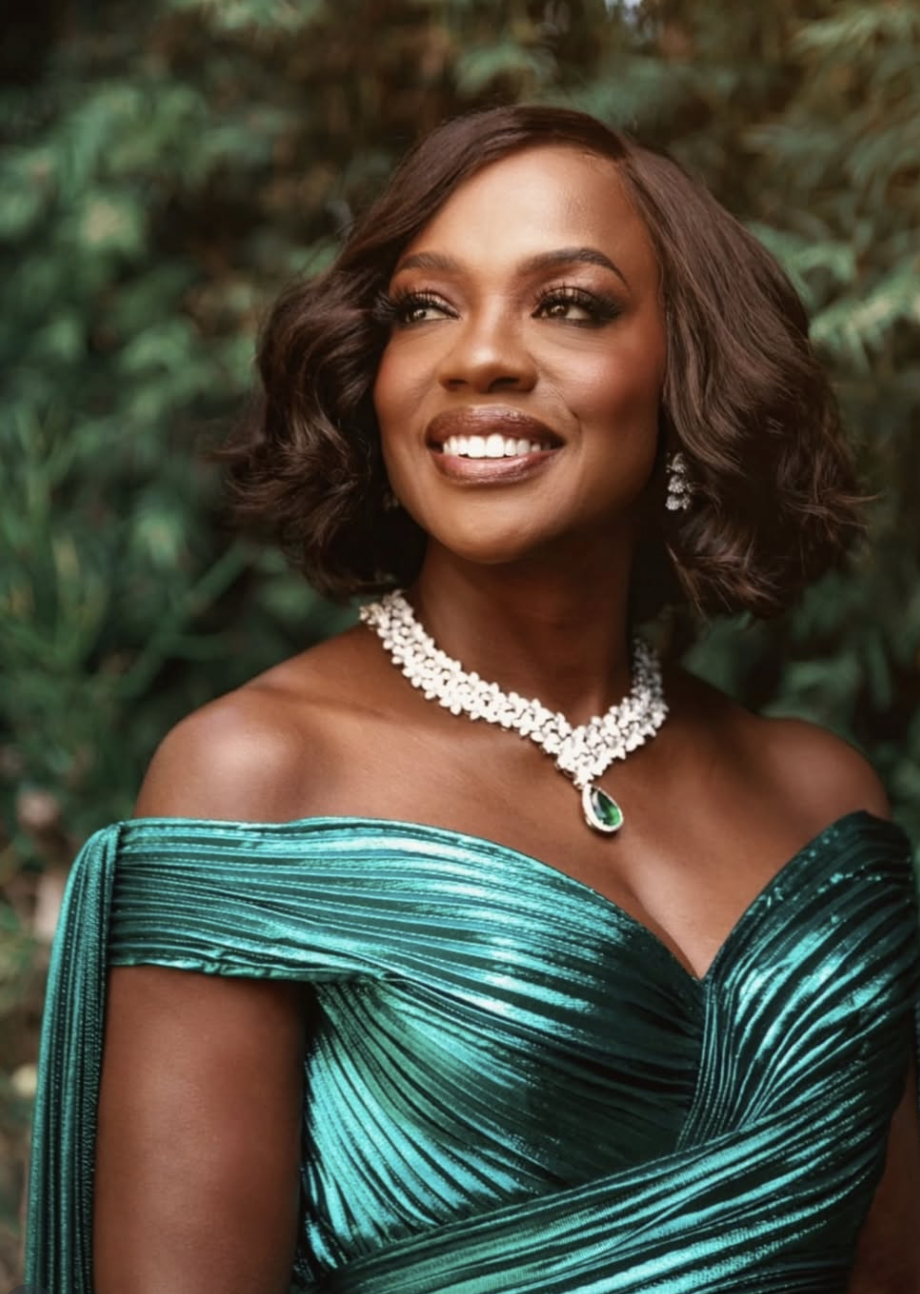
Photo Credit:@mr_dadams @violadavis
What This Looks Like Across Skin Tones
◆ Medium skin: warm medium brown, golden-warm olive, or warm caramel. The warmth in the skin is unmistakable in natural light.
◆ Medium-deep skin: warm, rich brown complexion with warm brown or dark warm eyes. True Autumn extends deeper than most traditional analysis acknowledges.
◆ This season is common in Afro-Latina, South Asian, Middle Eastern, and Mediterranean women with warm complexions at medium to medium-deep depths.
The Color Palette
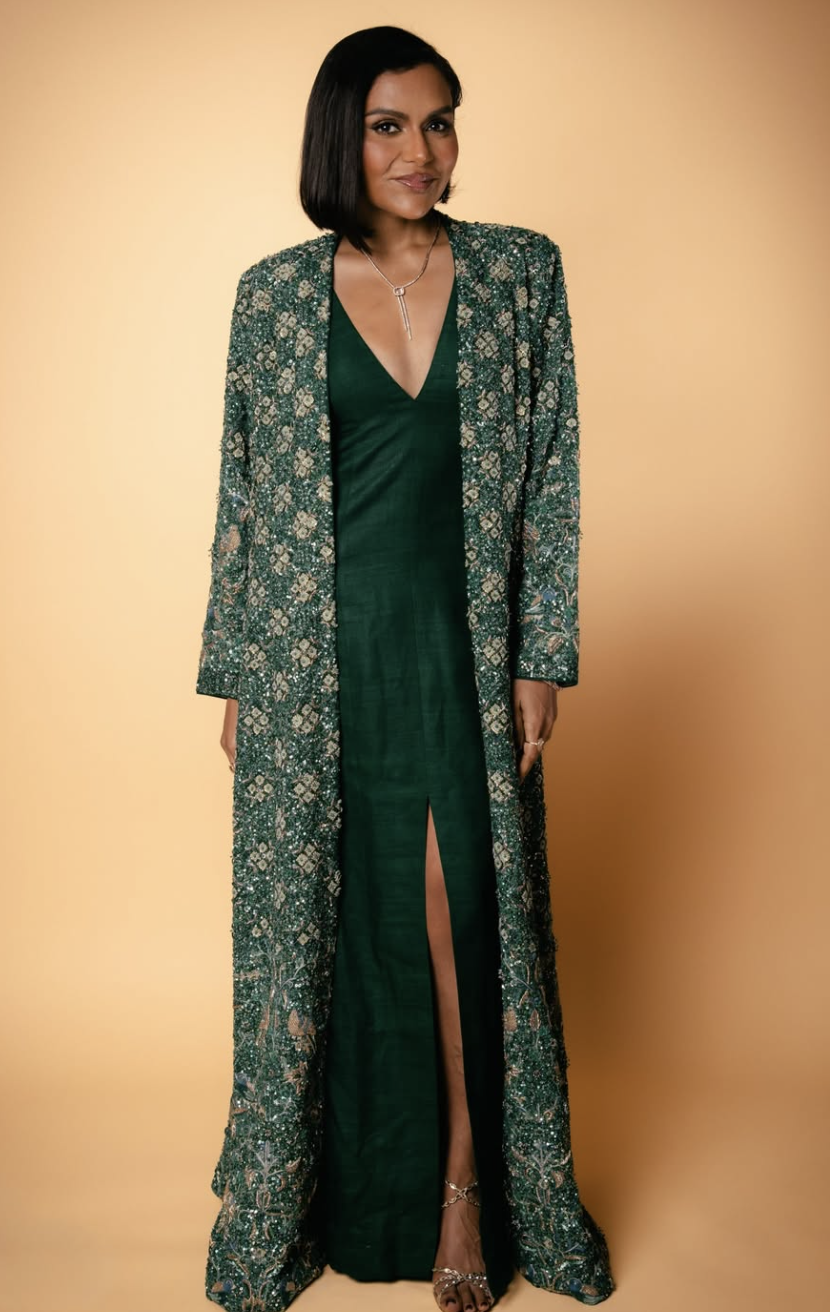
Photo Credit:@mindykaling

Your Best Colors
Burnt orange, terracotta, warm chocolate brown, olive green, mustard, warm rust, deep warm red, forest green, warm camel, copper. These are the most saturated warm-earthy colors they match the rich depth and warm temperature of True Autumn coloring.
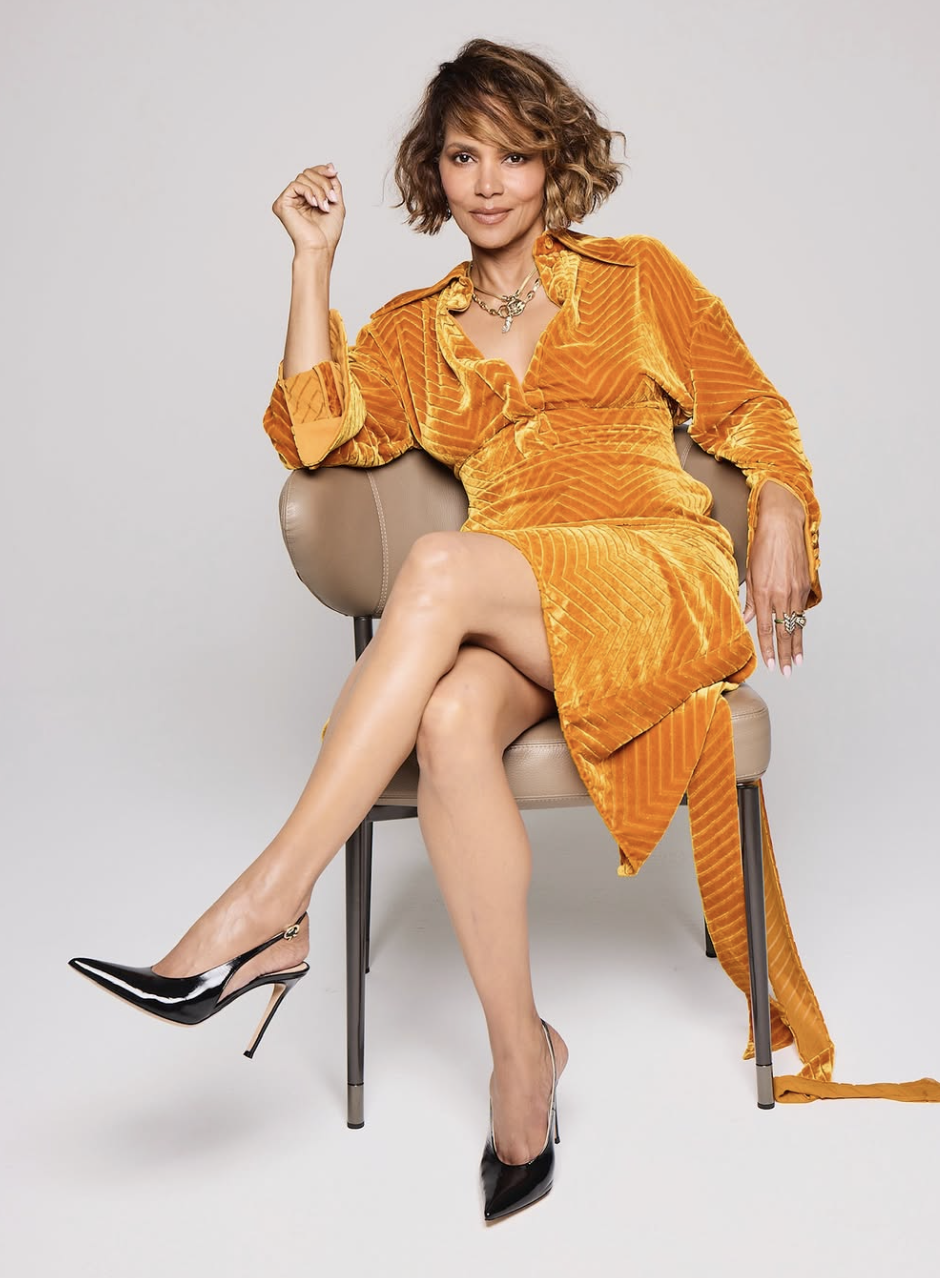
Photo Credit:@halleberry
Approach These With Care
Cool tones of any kind, icy pastels, blue-based purples, black, and anything with a grey or ashy base. These desaturate the warmth that makes True Autumn coloring striking.
WHO WEARS THIS SEASON WELL
Beyoncé (warm golden skin, warm brown-golden hair) · Halle Berry (rich golden-brown complexion) · Viola Davis (when styled in rich, earthy ochres and deep moss) · Mindy Kaling (deep warm-neutral tones)
DEEP AUTUMN
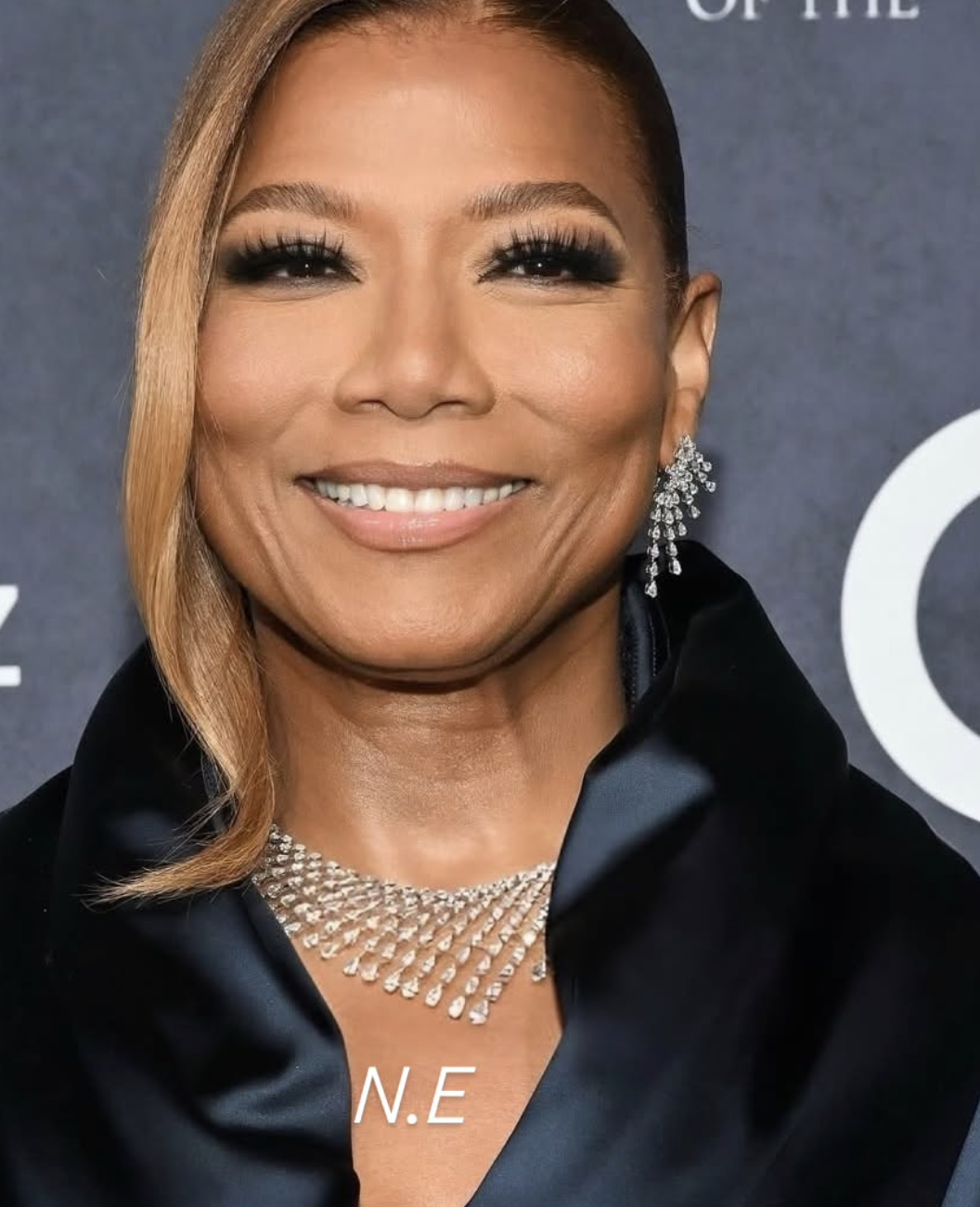
Photo Credit:@queenlatifah
Defined by: Warm · Deep depth · Rich, muted-to-medium chroma
How to Identify This Season
Deep Autumn is the deepest of the Autumn seasons a warm, rich, deep complexion with dark warm hair and warm dark eyes. The skin reads as warm brown, warm espresso, or warm dark chocolate. Hair is dark warm brown or warm black. Eyes are dark warm brown or deep amber. The coloring is strong and grounded. Deep Autumn is where traditionally underrepresented Black and Brown women frequently fall — a warm, rich depth that requires equally rich warm colors to match.
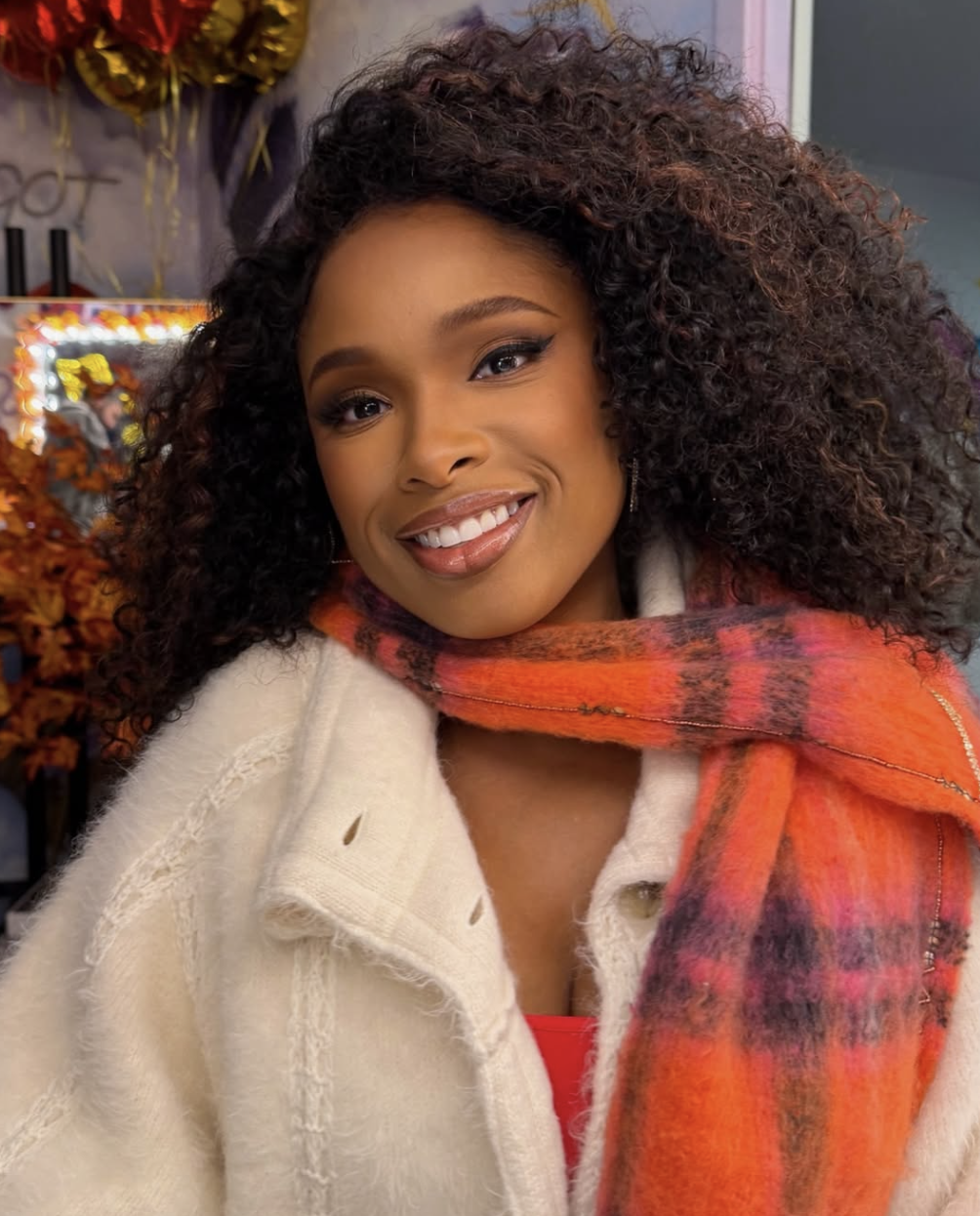
Photo Credit:@iamjhud
What This Looks Like Across Skin Tones
◆ Medium-deep skin: warm brown or warm mocha complexion with dark hair and warm brown eyes.
◆ Deep skin: warm espresso or warm dark brown complexion this is where many dark-skinned Black women with warm undertones fall.
◆ Warm dark complexions: If your skin reads brownish-warm rather than blue-black or cool espresso, Deep Autumn is likely your season.
The Color Palette
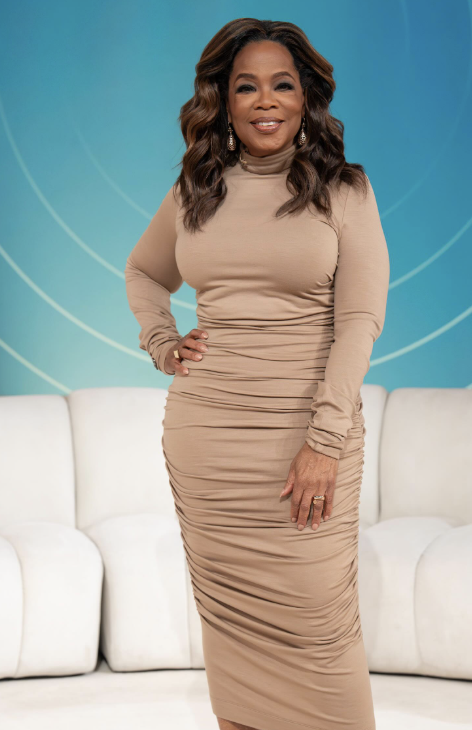
Photo Credit:@Oprah

Your Best Colors
Deep chocolate brown, rich burgundy, deep olive, warm espresso, dark warm rust, deep forest green, bronze, copper. The palette is the richest and most intense of the Autumn seasons it matches the depth and warmth of deep Autumn coloring.
Approach These With Care
Icy or cool tones, light pastels (they float away from deep coloring), blue-based colors, and anything with an ashy or grey cast.
WHO WEARS THIS SEASON WELL
Queen Latifah (warm deep complexion, consistently strong in earthy and rich warm tones) · Jennifer Hudson · Oprah Winfrey · Erykah Badu (warm deep-earthy coloring)
THE WINTER FAMILY — Cool, Deep, and High-Contrast
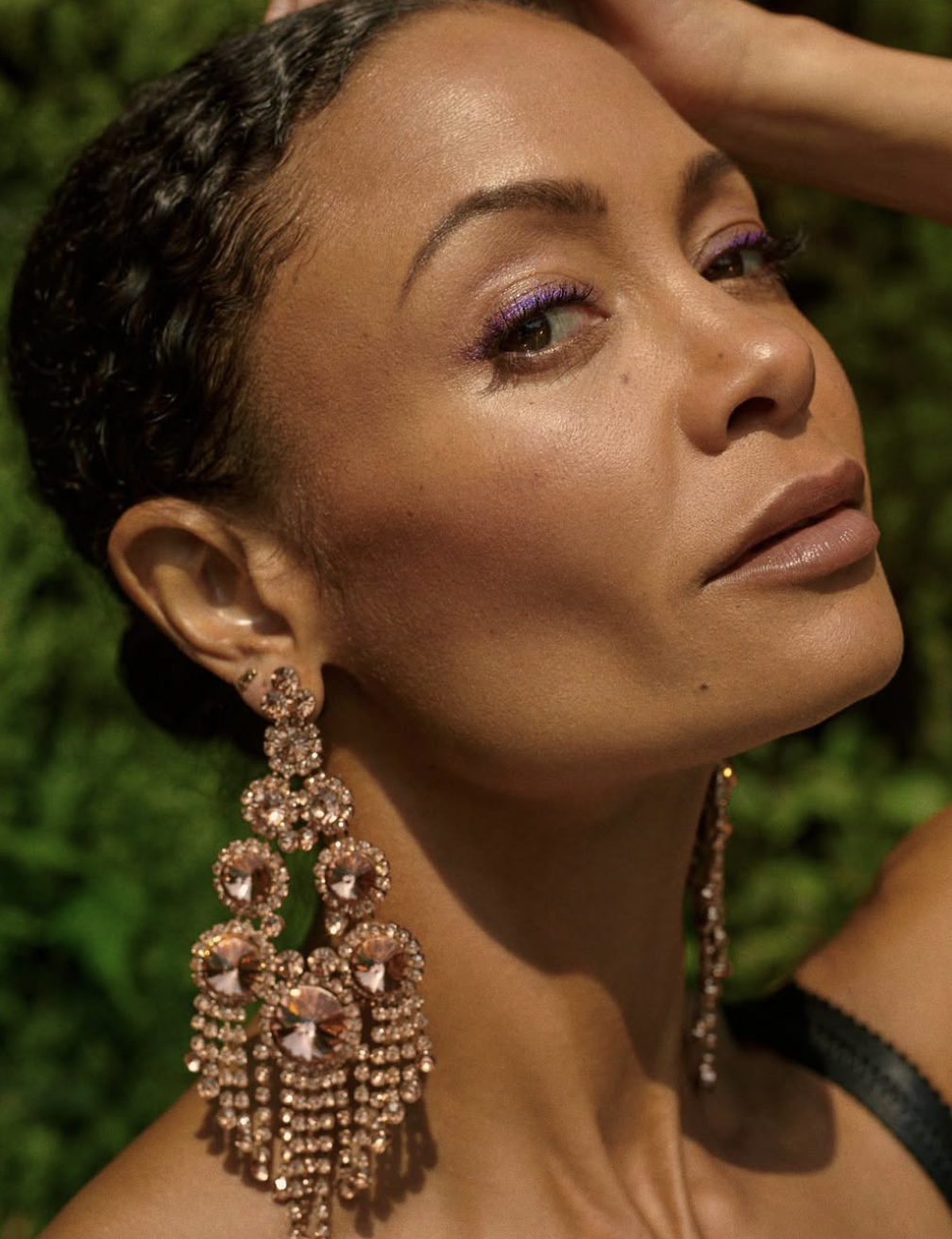
Photo Credit:@thandiwenewton
All Winter seasons share a cool temperature and a clarity or depth that creates natural high contrast in the coloring. Winters look powerful in saturated, high-contrast, and deeply cool colors they look washed out and flat in earthy, warm, or muted tones. The three Winter seasons differ in how deep the coloring is and how vivid versus controlled the chroma.
DEEP WINTER
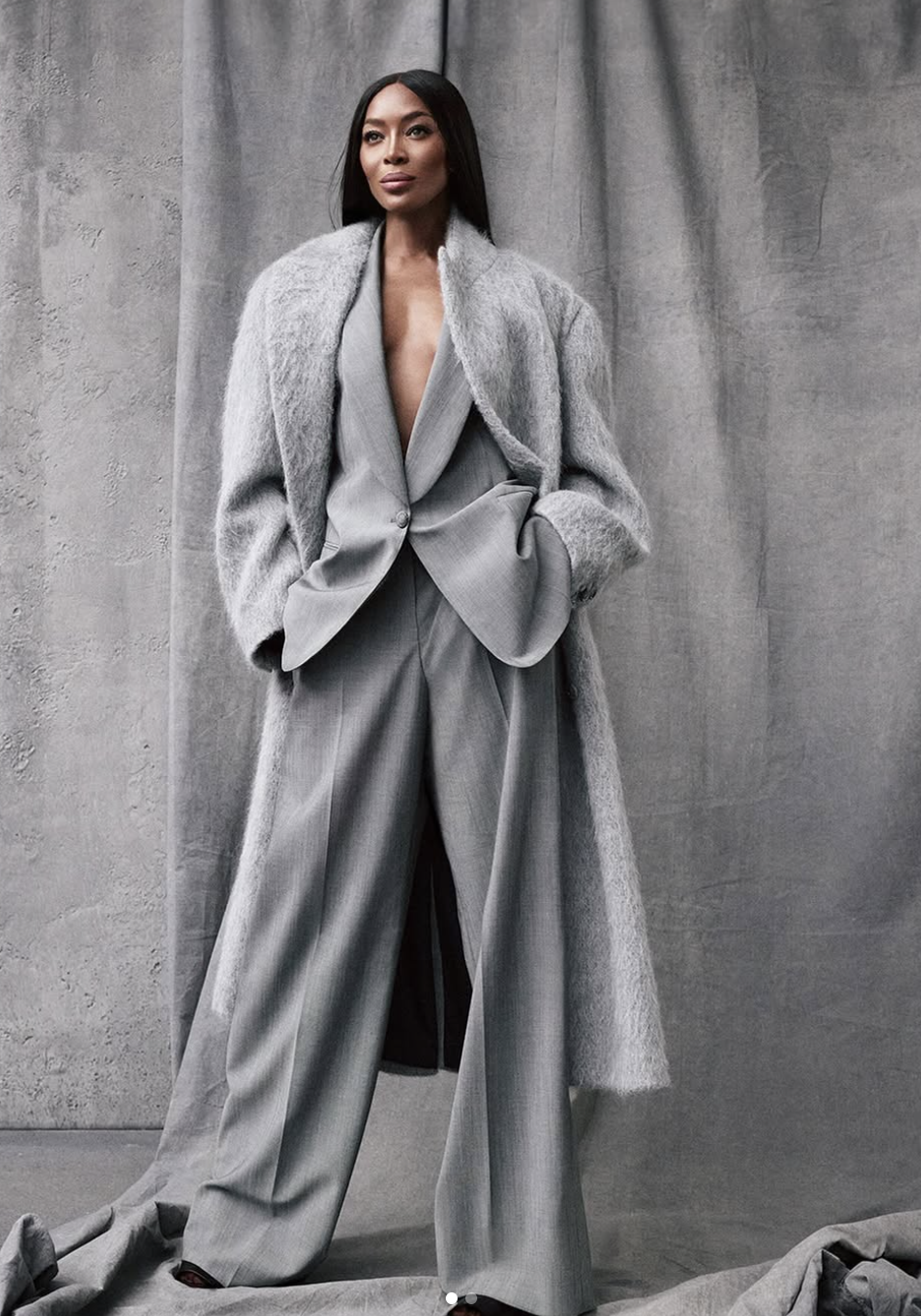
Photo Credit:@boss and @naomi
Defined by: Cool-to-neutral · Very deep depth · Medium-to-rich chroma
How to Identify This Season
Deep Winter is the most deeply cool season an intense, cool, and dramatic coloring characterized by very deep skin, very dark cool or neutral hair, and dark cool eyes. The skin reads as cool espresso, blue-black, or cool dark brown. Hair is true black or very dark brown with a cool cast. Eyes are very dark brown or near-black. The overall effect is powerful, dramatic, and cool. Naomi Campbell is a frequent reference for Deep Winter the cool, blue-toned depth of her complexion and the way she blazes in jewel tones and cool darks confirms this analysis.
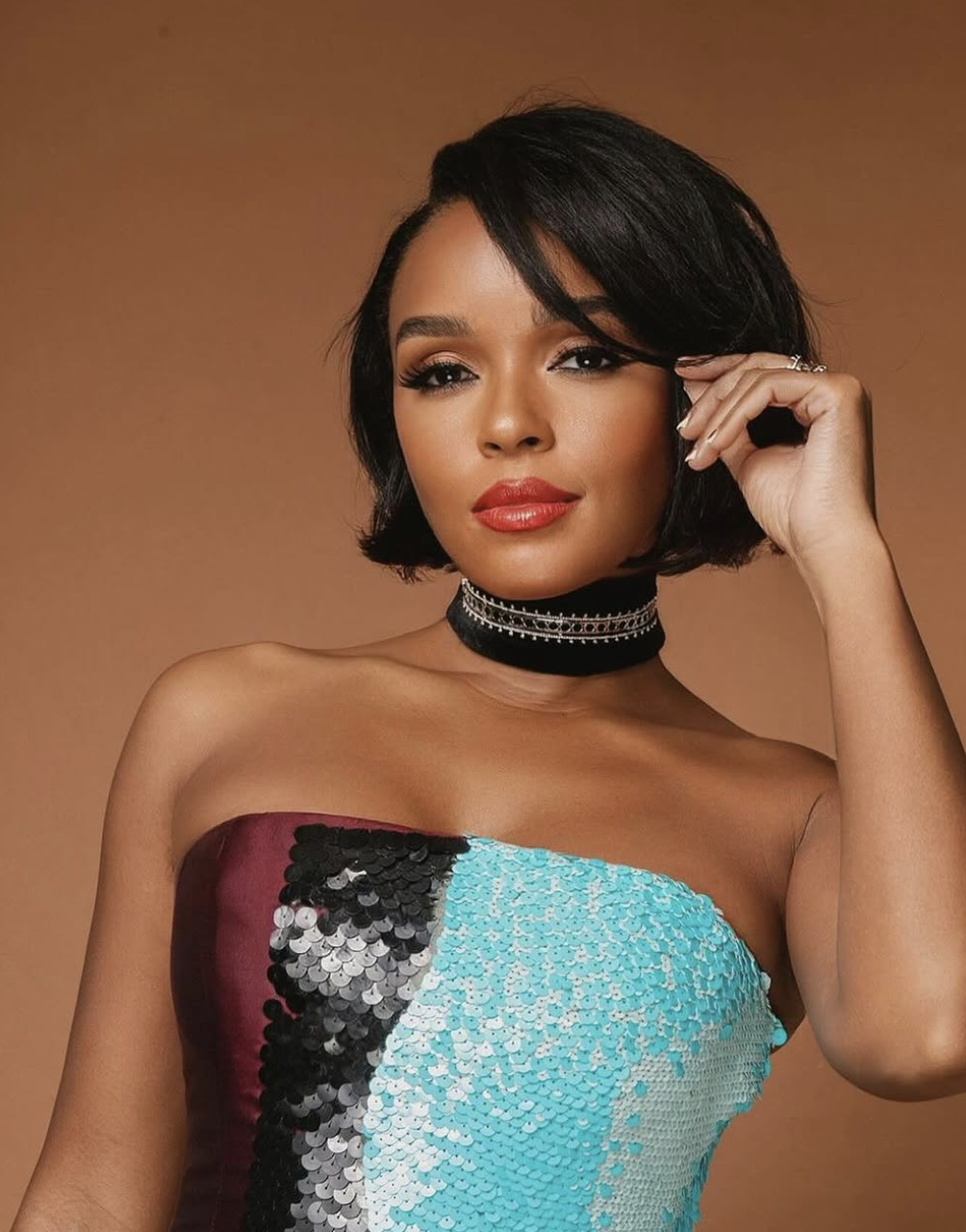
Photo Credit:@mr_dadams , @janellemonae
What This Looks Like Across Skin Tones
◆ Deep cool skin: blue-black, cool espresso, or cool dark brown complexion. The key indicator is whether the deep skin reads warm (deep Autumn) or cool (deep Winter).
◆ The distinction at deep depths: Warm deep skin = Deep Autumn. Cool deep skin = Deep Winter. Look at the palm vs. wrist and whether gold or silver jewelry is more alive.
◆ Deep Winter is one of the most common seasons among dark-skinned Black women with cool or neutral undertones.
The Color Palette
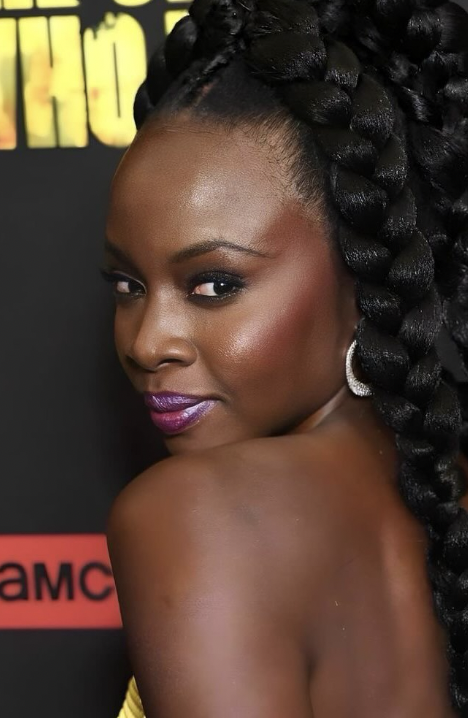
Photo Credit:@danaigurira

Your Best Colors
True black, deep navy, cool burgundy, forest green, dark charcoal, jewel tones (sapphire, emerald, deep amethyst), cool white. These colors match the depth and cool intensity of Deep Winter coloring.
Approach These With Care
Warm earthy tones, orange, mustard, brown, warm beige, and anything muted or soft. These tones look completely wrong against deep cool coloring flat, dull, and ashy.
WHO WEARS THIS SEASON WELL
Naomi Campbell (cool blue-black depth, high-contrast features) · Thandiwe Newton (cool-neutral deep skin, sharp winter clarity) · Danai Gurira (deep cool undertone, thrives in high-chroma jewel tones) · Janelle Monáe (neutral-cool deep complexion, iconic in high-contrast black and white)
TRUE WINTER

Photo Credit:@bradgoreski and @demimoore
Defined by: Cool · Medium-to-deep depth · High contrast, pure clear chroma
How to Identify This Season
True Winter is the season of pure contrast cool skin, dark hair, and a clarity and precision to the overall coloring that reads as sharp and controlled. The skin can range from fair cool to medium-deep cool, always with a cool or neutral undertone. The contrast between skin and hair is high. Eyes tend toward dark brown, cool black-brown, or dramatic cool hazel. The overall effect is striking, elegant, and powerful. Halle Berry and Rihanna both carry aspects of this season in different analyses.
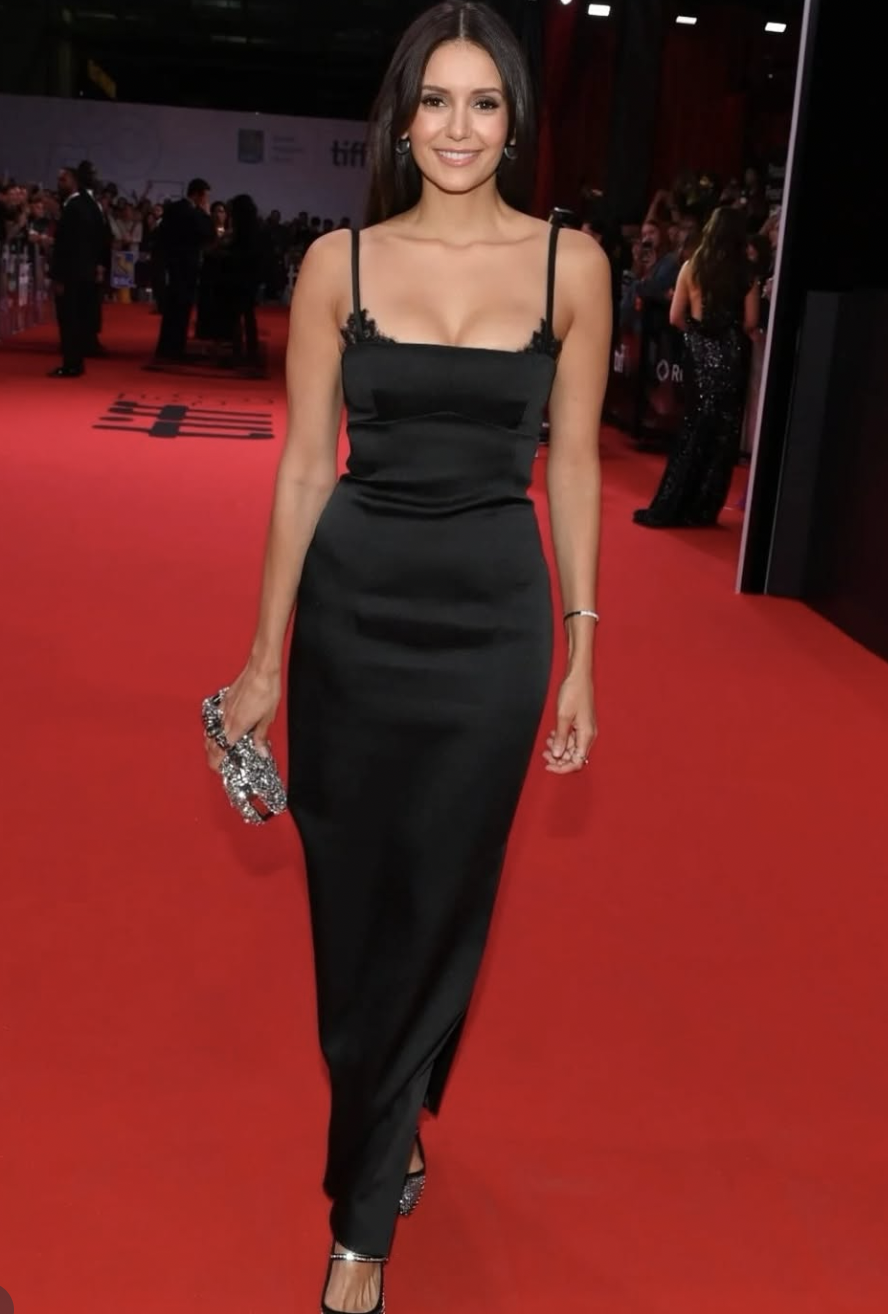
Photo Credit:@nina
What This Looks Like Across Skin Tones
◆ Fair to light: cool porcelain or cool ivory skin with dark hair the Snow White archetype. This is the classic True Winter presentation.
◆ Medium cool: cool beige or cool medium brown skin with very dark hair and dark cool eyes. This reading is very common in South Asian women, East Asian women, and Latina women with cool undertones.
◆ Medium-deep: cool medium-deep brown skin with very dark hair. This is where the season extends further than traditional analysis typically covers.
The Color Palette
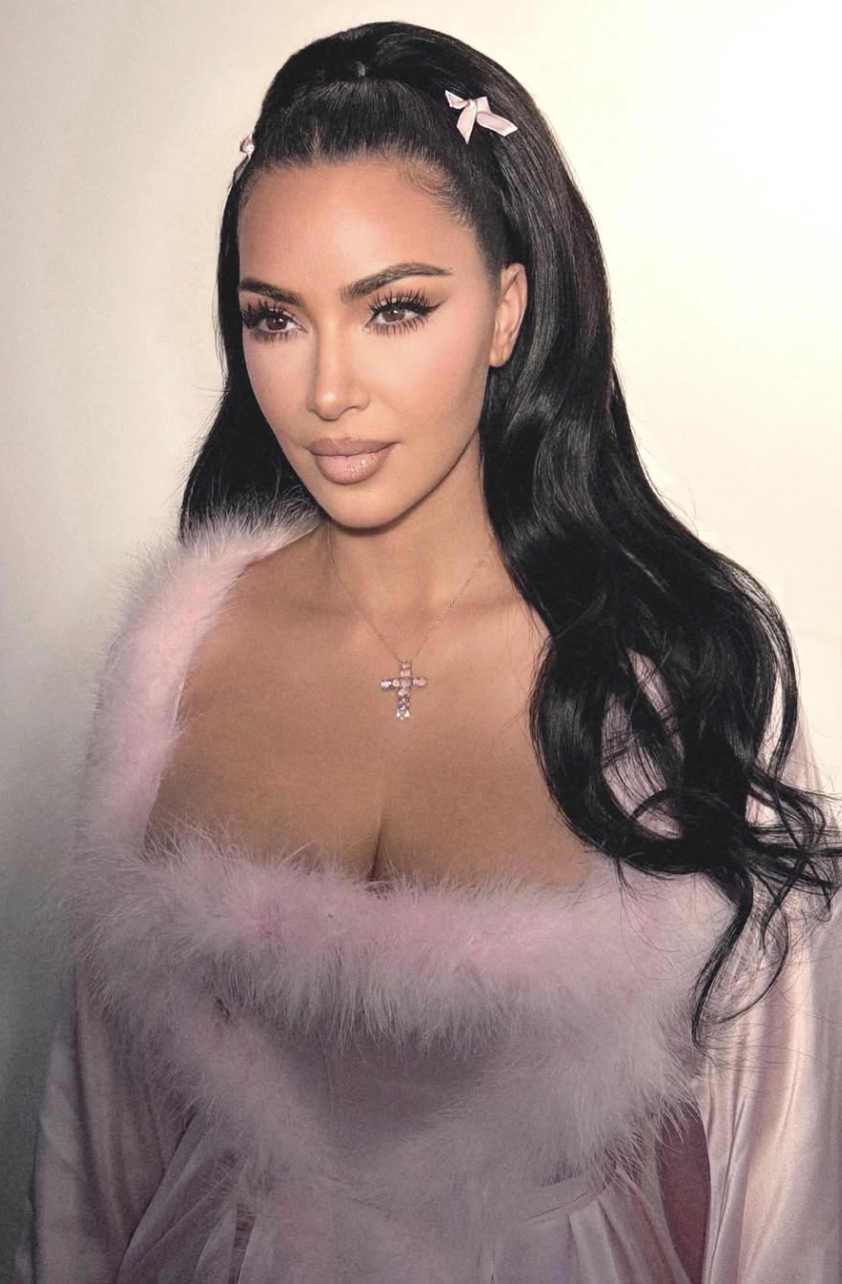
Photo Credit:@kimkardashian

Your Best Colors
Pure black, pure white, royal blue, vivid magenta, deep cherry red, cool grey, cobalt, hot pink. True Winter coloring can carry the highest contrast combinations — black and white, vivid jewel tones, and strong cool brights.
Approach These With Care
Warm tones, earth tones, brown, orange, mustard, warm beige, muted or dusty colors. These read as sallow or flat against the cool precision of True Winter coloring.
WHO WEARS THIS SEASON WELL
Kim Kardashian (cool skin, dark hair, high contrast) · Demi Moore · Nina Dobrev
BRIGHT WINTER
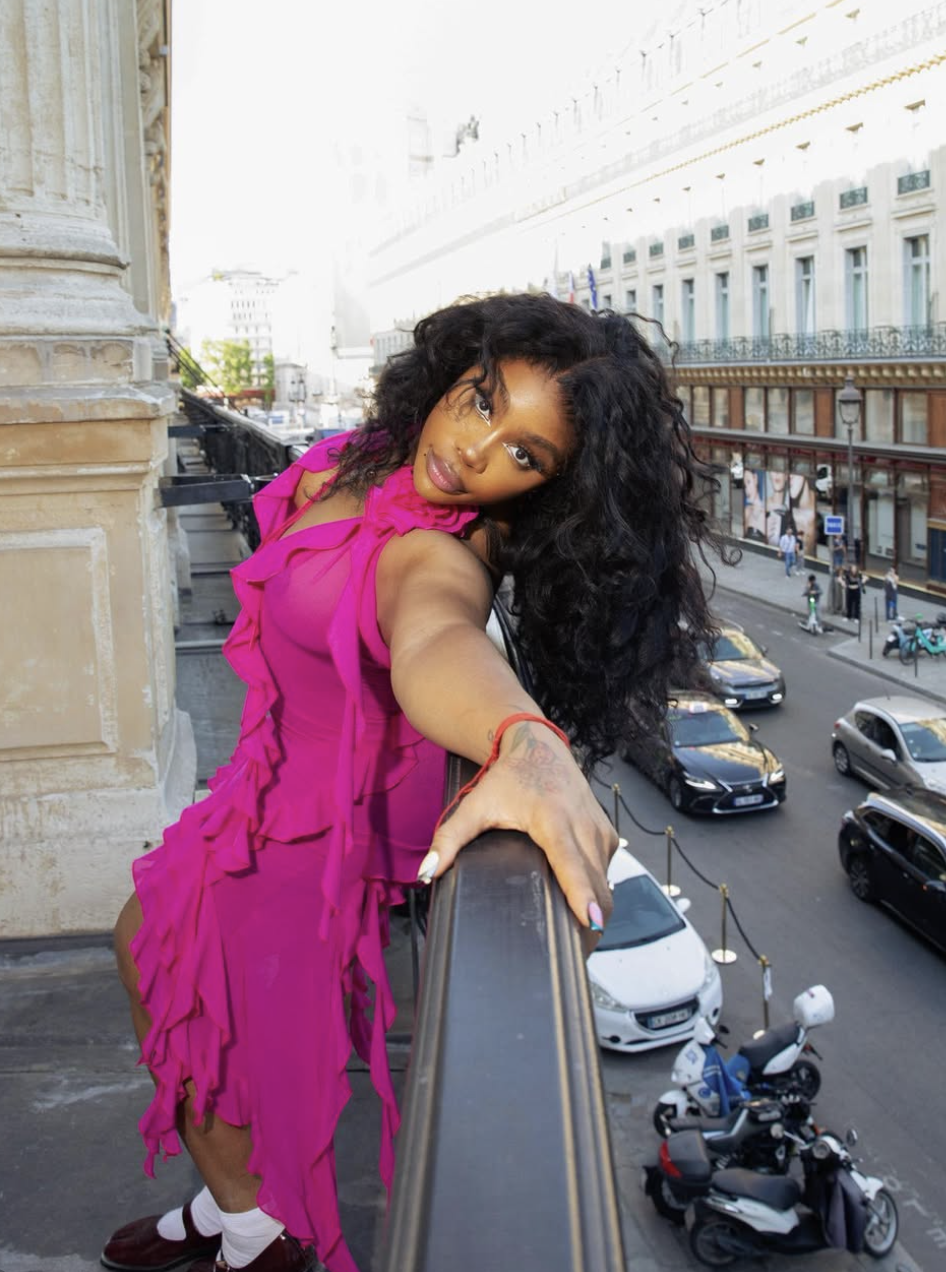
Photo Credit:@sza
Defined by: Cool-neutral · Medium-to-deep depth · Very high chroma vivid and electric
How to Identify This Season
Bright Winter is where Winter meets Spring in clarity it shares the cool temperature of Winter and the extreme vividness of Spring, resulting in the most electric season of all. The coloring is cool or cool-neutral with a startling clarity: vivid eyes, bright skin, and an intensity that demands equally vivid colors. Rihanna is frequently cited for Bright Winter the cool-neutral medium-deep complexion, the extremely vivid coloring, and how she comes alive in electric and vivid brights confirm this. The defining feature is that the overall look is bright and clear even at medium-to-deep depth.
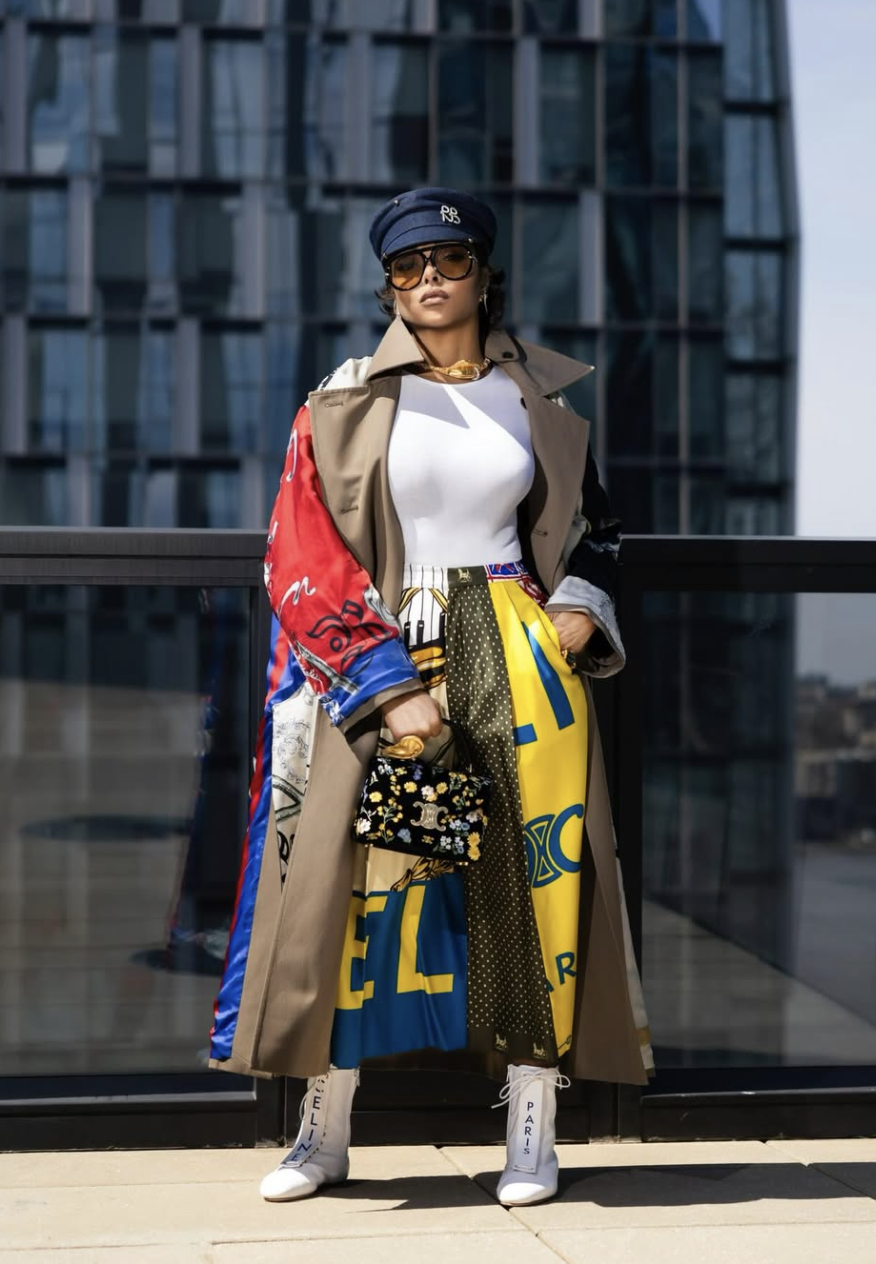
Photo Credit:@sonejr , @tarajiphenson
What This Looks Like Across Skin Tones
◆ Medium skin: cool-neutral medium complexion with vivid, clear eyes and high chroma coloring. South Asian women with cool-neutral tones and very clear features often fall here.
◆ Medium-deep skin: cool-neutral to neutral medium-deep complexion with bright coloring. This is where Rihanna falls and it represents a significant under-identified group in traditional color analysis.
◆ The key is chroma, not depth: Bright Winter extends across depths as long as the clarity and vividness of the coloring is high.
The Color Palette

Photo Credit:@theestallion

Your Best Colors
Vivid teal, electric blue, cherry red, vivid fuchsia, bright white, vivid purple, cobalt, hot pink. These are the most saturated cool colors they match the electric clarity of Bright Winter coloring.
Approach These With Care
Muted or earthy tones, warm tones, soft pastels, beige, and anything that softens the overall look. Bright Winters need color intensity — reduction is their enemy.
WHO WEARS THIS SEASON WELL
Rihanna (cool-neutral medium-deep complexion, extremely high chroma coloring — consistently extraordinary in vivid brights and electric tones) · Megan Thee Stallion (cool-neutral depth, thrives in high-saturation electric blues and magentas)· Taraji P. Henson in her electric editorial looks
What Traditional Color Analysis Gets Wrong And How to Correct It
The 12-season system is a genuinely useful framework. But it was built and popularized by practitioners who primarily worked with light-skinned women — and some of its most commonly taught rules create real problems when applied to deeper complexions. Here's what to know.
For Deep and Dark Skin Tones
The most important thing to understand about color analysis at deeper complexions is that the season system still applies but the diagnostic process looks different, and the number of women in the Deep Autumn and Deep Winter categories is significantly higher than most color analysis content acknowledges.
The vein test doesn't work reliably for deep skin. The paper test doesn't work. What does work: the jewelry test (gold vs. silver), how the skin reads in natural light (warm brown vs. cool blue-black), and critically — which colors make the face come alive versus look flat. At deep depths, the difference between warm and cool is subtle in the skin tone but dramatic in the color response.
Deep complexions also have a wider range of 'good' colors than pale complexions — deep skin provides a rich, neutral backdrop that can carry more color range. The question is still about harmony, not just what 'works.'
DEEP SKIN + WARM UNDERTONE: You're likely Deep Autumn. Reach for rich earthy tones — warm chocolate, terracotta, burnt orange, olive, copper, and deep warm burgundy. Avoid icy or cool blues that will create a cool-on-cool clash.
DEEP SKIN + COOL UNDERTONE: You're likely Deep Winter. The jewel tone family is yours sapphire, emerald, deep amethyst, cool burgundy, and true black. Avoid warm earth tones that will look flat against your cool depth.
DEEP SKIN + NEUTRAL UNDERTONE: You have the widest color range of any group you can wear from rich earthy warms to cool jewel tones. The key is avoiding the very pale, icy, or heavily muted tones that tend to disappear against deep complexions.
For Medium Brown Skin Tones
Medium brown skin tones appear most frequently across the Soft Autumn, True Autumn, True Summer, Bright Spring, Bright Winter, and True Winter seasons. The wide distribution is because medium depth doesn't determine season by itself temperature and chroma do. Two women with identical medium-brown skin tones can be in completely different seasons if their undertones and chroma differ.
The most common misidentification at medium depth: women with warm medium skin being told to wear cool colors 'for variety,' and women with cool medium skin being told to wear warm earth tones 'because they look good on brown skin.' Neither is accurate the season determines the palette, not the depth.
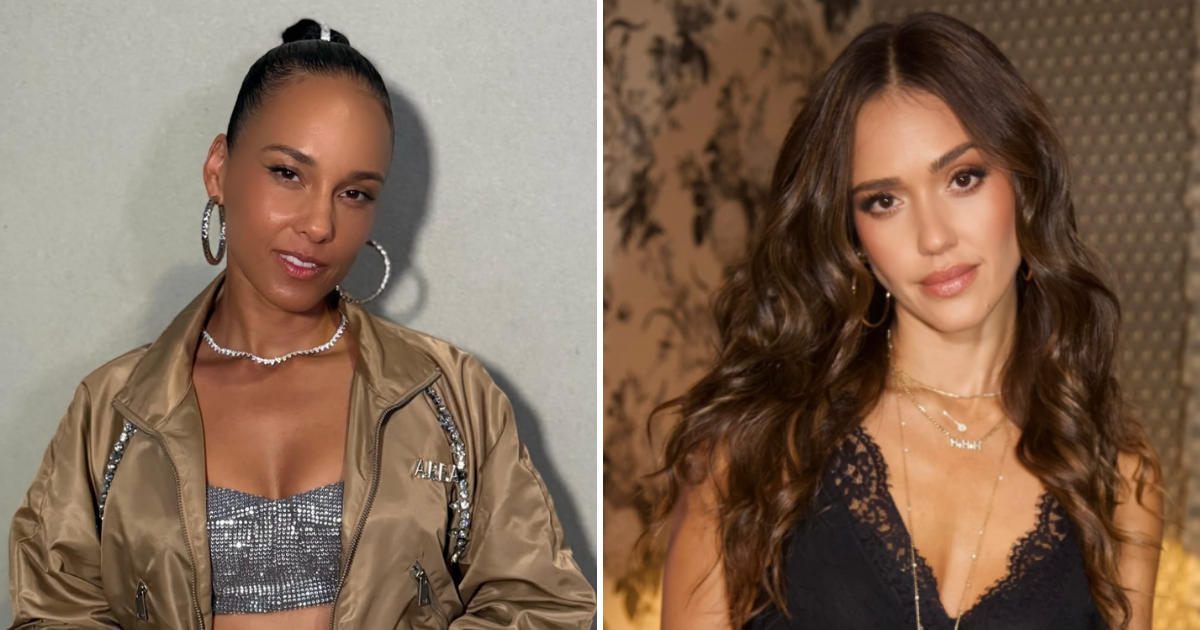
Photo Credit:@aliciakeys @jessicaalba
For Olive Skin Tones
Olive skin is genuinely its own undertone category a green-gold cast that doesn't fit cleanly into 'warm' or 'cool' and is frequently misidentified in both directions. Olive skin tends to read as warm in isolation but cool in comparison to golden-warm skin. It's a warm-neutral with a green note.
Olive complexions most frequently fall in Soft Autumn (warm-neutral, muted), True Autumn (warm, earthy), or Soft Summer (cool-neutral, muted). The key diagnostic: does olive skin have more of a golden-green cast (Autumn) or a greyed-green cast (Soft Summer)?
Colors that typically work on olive skin regardless of exact season: olive green itself, terracotta, dusty rose, warm neutrals, muted jewel tones. Colors to test carefully: icy pastels, neon brights, and true black (which often creates too sharp a contrast for muted olive coloring).
For Fair and Light Skin Tones
Light skin tones appear in all four season families, which means 'I have fair skin' tells you nothing about your season the undertone and chroma do all the work. Warm fair skin with bright coloring is Spring. Cool fair skin with muted coloring is Summer. The key questions are temperature (warm/cool) and chroma (vivid/soft), not the lightness of the skin itself.
Common mistake for fair skin: assuming lighter is more flattering. In reality, if you're a True Winter with fair porcelain skin, true black and royal blue are more flattering than soft pastels. The depth of the color should match the demands of your season, not just provide contrast against light skin.
Frequently Asked Questions
Can your season change?
Yes. Your natural hair color changes as you age going grey or lightening significantly will change your value and sometimes your season. Significant weight changes can affect the way color reads against your face. What doesn't change is your undertone that's genetically determined. So if you've gone grey and your season seems to have shifted, it's because your value changed, not your temperature.
What if I test as two seasons?
You're likely in a 'transition' season one of the seasons that sits between two families. Bright Spring sits between Spring and Winter. Soft Summer sits between Summer and Autumn. Soft Autumn sits between Autumn and Summer. If you feel pulled between two adjacent seasons, read those two season descriptions and see which one resonates more when you hold their palette up to your face.
Does this work for natural hair, relaxed hair, and colored hair?
For color analysis purposes, your natural hair color is the one that matters — not colored or processed hair. If your hair is colored, try to identify what your natural color would be now, and analyze from there. For women with grey or silver hair, grey is actually a cool-neutral color that most significantly changes your value reading — reanalyze as if the grey IS your hair color.
I've always been told X color looks good on me, but it's not in my season. Why?
Two reasons. First, some colors near your season's palette can still work even if they're not in the core palette especially if they're close in temperature. Second, 'looks good on you' sometimes means 'a strong color that creates drama' rather than 'harmonizes with your coloring.' Both are valid, but they're doing different things. Harmony is about making your face look its clearest, most balanced, and most alive not just about looking striking.
What about skin tone vs. undertone? Are they the same?
No. Skin tone is the surface depth how light or dark your skin is. Undertone is the underlying color cast — whether the skin reads warm, cool, or neutral regardless of its depth. A light-skinned woman and a dark-skinned woman can have the same warm undertone and be in the same season family, even though their surface skin tones look completely different. This is why color analysis is about undertone and chroma not about matching colors to a surface skin tone.
What if I'm biracial or mixed heritage does this system still apply?
Yes, fully. The seasonal system applies to human coloring at the level of undertone, value, and chroma it doesn't care about heritage or identity. Mixed complexions often fall in the neutral-toned seasons (Soft Autumn, Soft Summer, Bright Spring, Bright Winter) more frequently than monoracial complexions, because mixed heritage often produces warm-neutral or cool-neutral tones that sit between the temperature extremes. Analyze based on what your coloring actually is, not what you expect it to be.
Is color analysis just for clothing, or does it apply to makeup too?
It applies to everything on or near your face clothing, makeup, accessories, and hair color. Foundation undertone selection is directly tied to color analysis undertone. Lipstick colors work on the same warm/cool/bright/muted framework. Eye shadow palettes follow the same rules. Once you know your season, you have a complete framework for every color decision on your body.
More from The Style Series: