
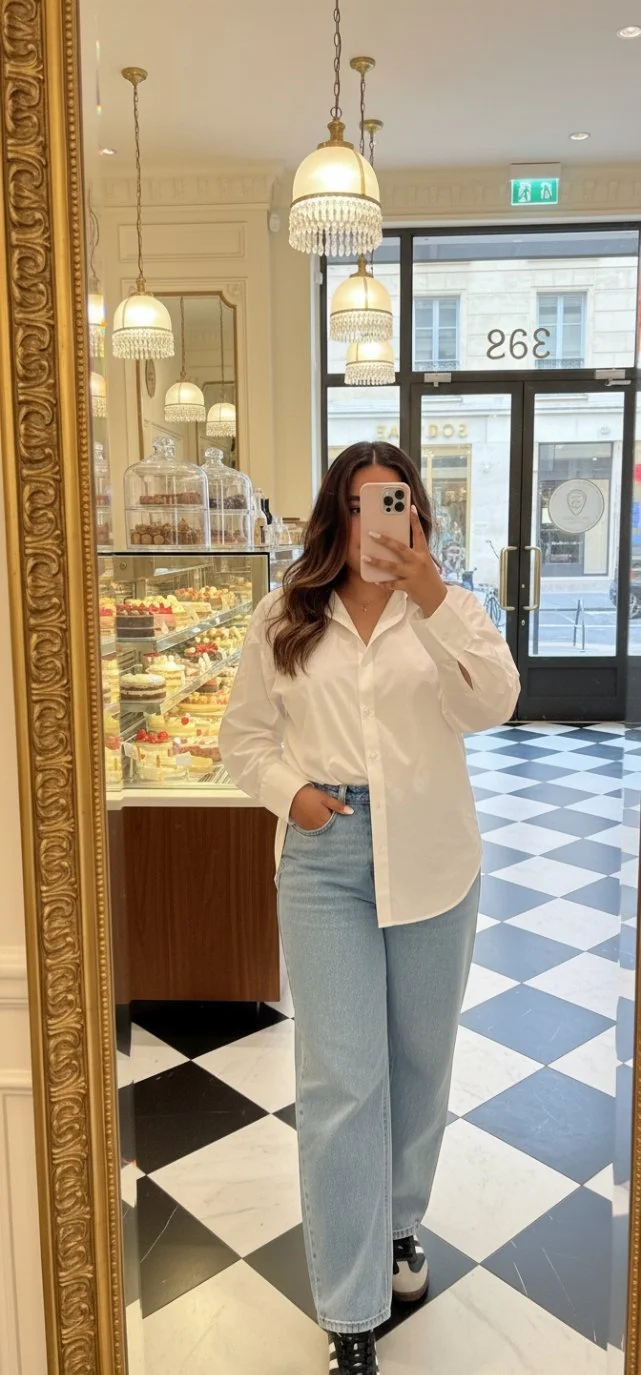
Photo Credit:Reichel M.
There’s a reason some women always look effortlessly polished—even in jeans and a T-shirt. It’s not just fit, fabric, or confidence (though those help). It’s color.
Color is the quiet thread that ties a wardrobe together. It decides whether your outfit looks intentional or accidental, cohesive or chaotic. And while we often chase trends, one month it’s “butter yellow,” the next it’s “cherry red”—the women who always look expensive have one thing in common: a consistent color story.
If you’ve ever felt like your closet doesn’t “go together,” this is why. And the good news? You don’t need a stylist or a Pinterest board full of beige sweaters to fix it. You just need a personal palette that fits your tone, your lifestyle, and your style personality.
Grab this free guide with 365 outfit ideas sent straight to your inbox
Check Out The Entire Color Style Series
How To Put Together a Monochromatic Outfit
How to Wear Neutral Colors All Year Without Looking Boring
Why Your Closet Feels All Over the Place (And How a Color Palette Fixes It)
Step 1: Start With Your Neutrals
Every wardrobe needs an anchor, and that anchor is neutral. But neutral doesn’t have to mean “boring.” It’s about finding base tones that mix easily without clashing.
Ask yourself: do you gravitate toward warm tones (camel, cream, olive, brown) or cool tones (gray, black, navy, white)?
Warm palettes feel rich and cozy—think “quiet luxury” in sweater form. Cool palettes feel crisp and modern—more city chic.
Once you know your base, limit yourself to 3–4 core neutrals. This creates visual harmony across your entire wardrobe.
Try this:
Warm palette: camel, ivory, chocolate brown, olive
Cool palette: navy, charcoal, black, crisp white
These shades pair easily with each other—and instantly make inexpensive pieces look elevated.

Meski
MazieAsymetrical Cashmere Blend Long Sleeve Knit Top
$125

Meshki
BaxterOff Shoulder Fluffy Knit Midi Dress - Taupe Marle
$129
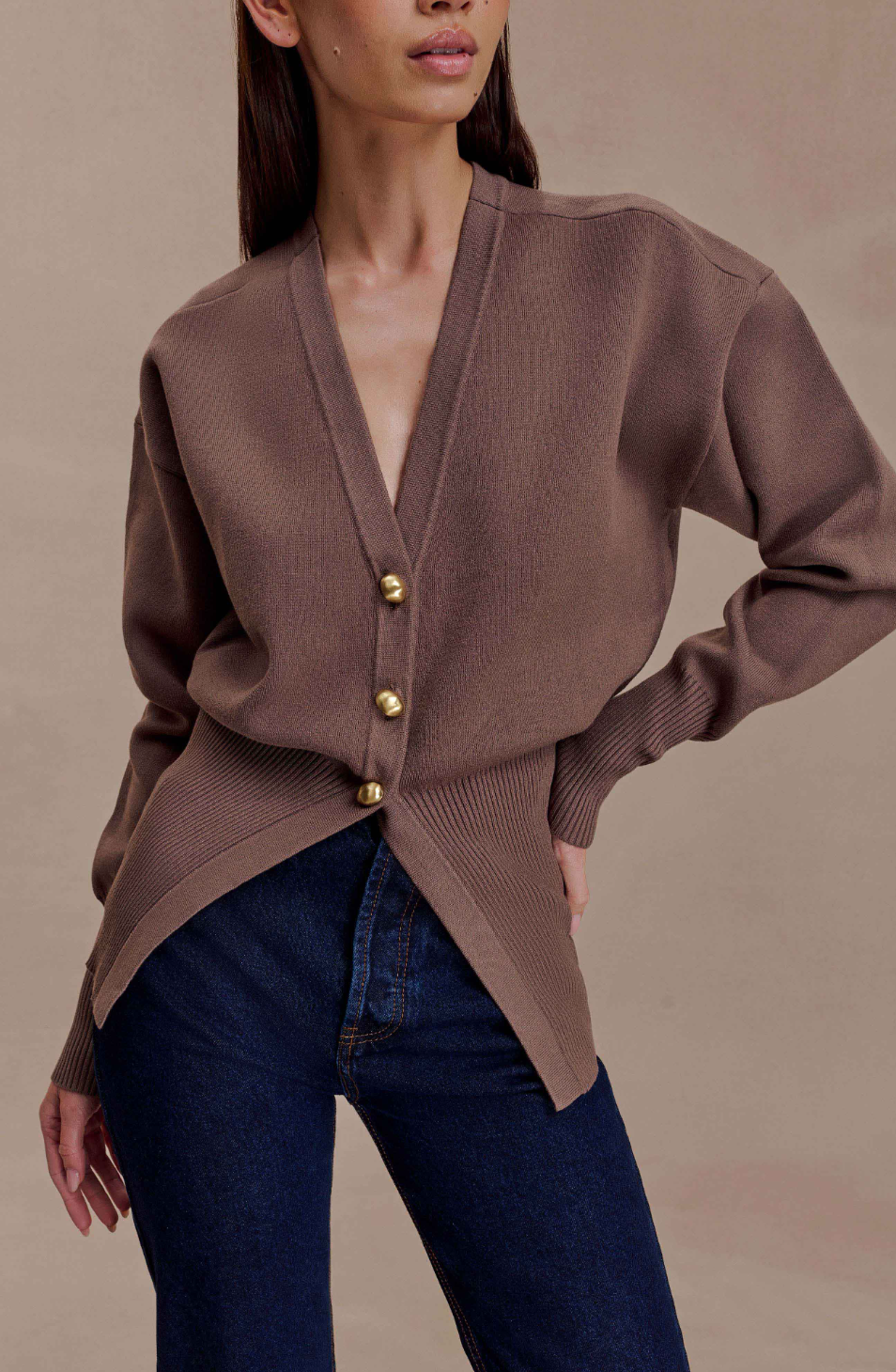
Meshki
Amanda Statement Button Knit Cardigan - Cacao Brown
$139
Step 2: Add Two to Three Accent Colors
This is where personality comes in. Accent colors keep your wardrobe from feeling one-note. They add depth, emotion, and variety.
Your accent colors should complement—not compete with—your neutrals. The trick is choosing tones that repeat the undertones of your base.
If your neutrals are warm, lean into rich hues like rust, terracotta, and forest green.
If your neutrals are cool, think slate blue, plum, or soft blush.
Stylist tip: Look at the pieces you already wear the most. Chances are, your closet already hints at your preferred palette—you just haven’t named it yet.
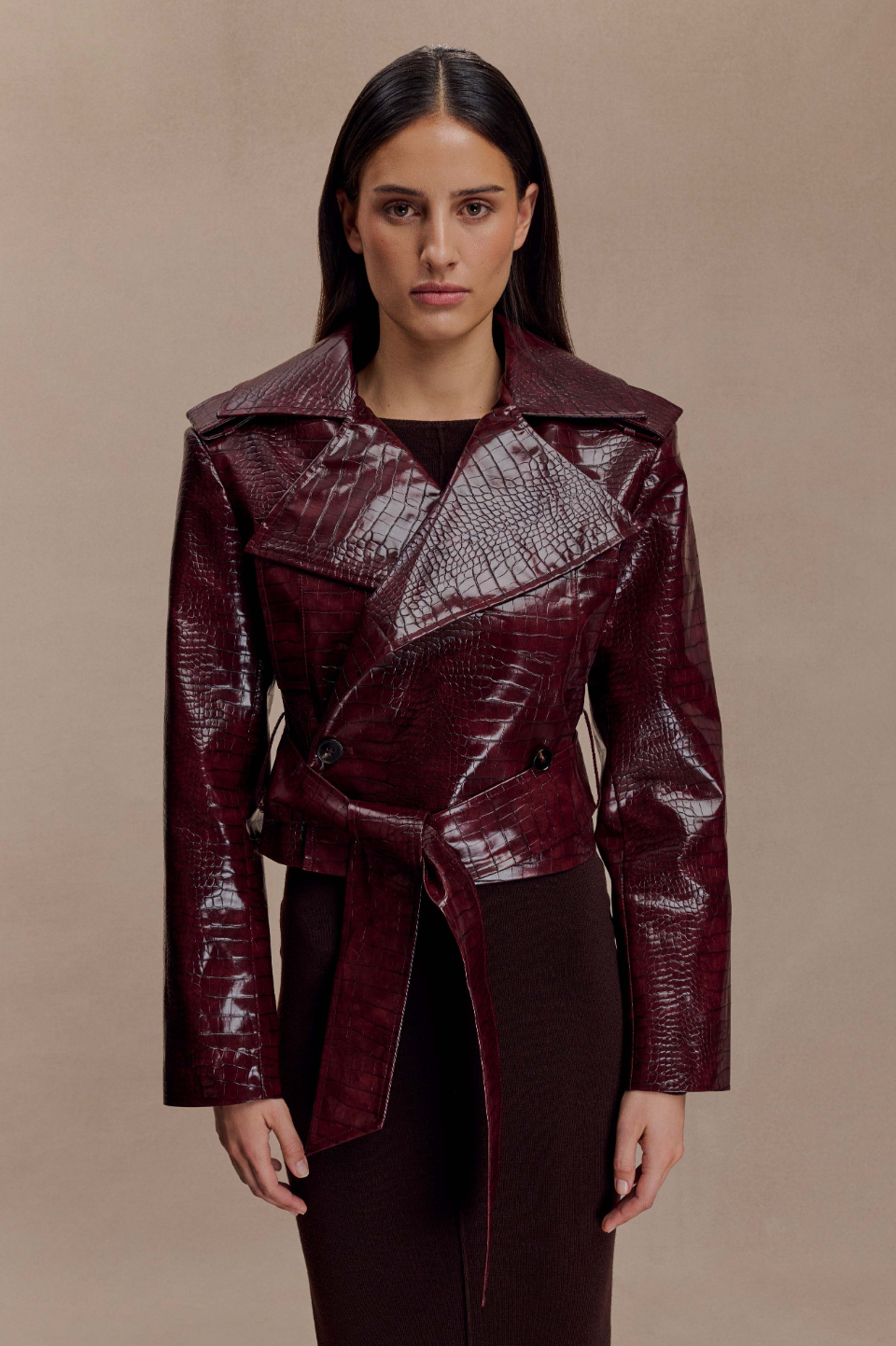
Meshki
ArchieCroc Faux Leather Cropped Jacket - Burgundy
$199
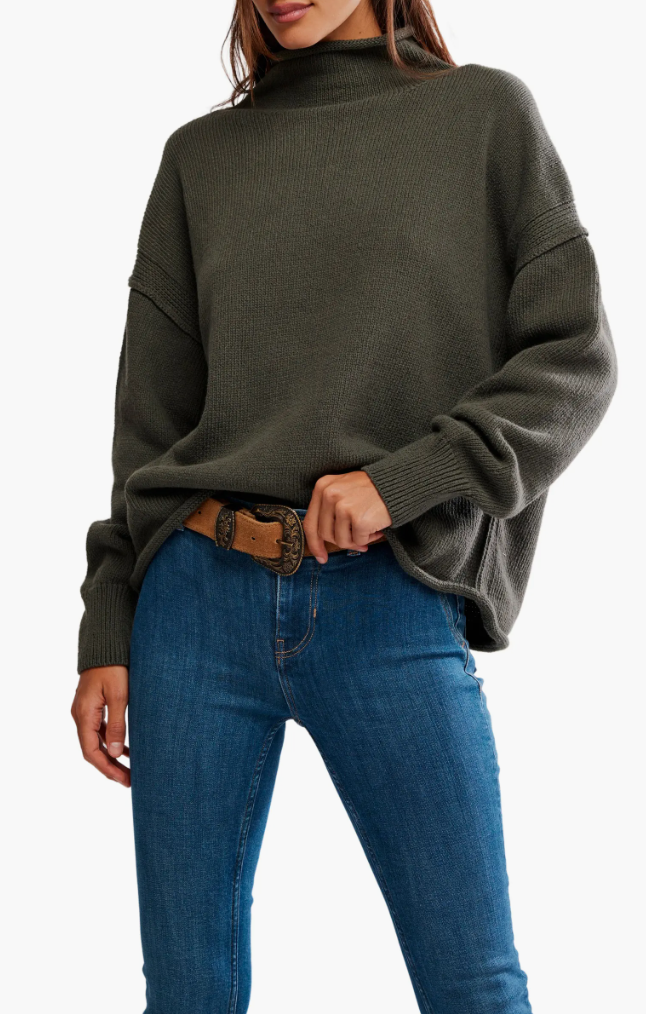
Torres Turtleneck Sweater
Free People
$148.00
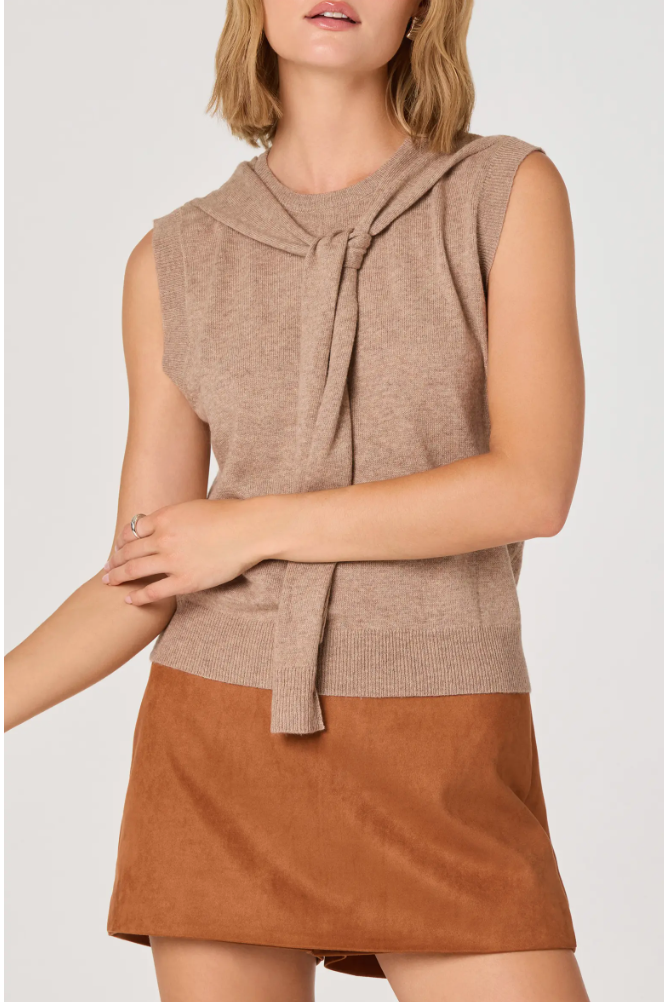
Scarf Tie Sleeveless Sweater
ASTR the Label
$69.00
Step 3: Choose One Statement Color
An expensive-looking wardrobe isn’t afraid of color—it just uses it intentionally. Adding one bold signature shade can completely transform your closet.
It might be a deep burgundy coat, a cobalt sweater, or a pop of emerald in your accessories. The key is repetition. When you wear the same tone across seasons (say, an olive trench in fall and an olive handbag in spring), it feels elevated and consistent.
Think of this as your “brand color”—the one that shows up again and again.
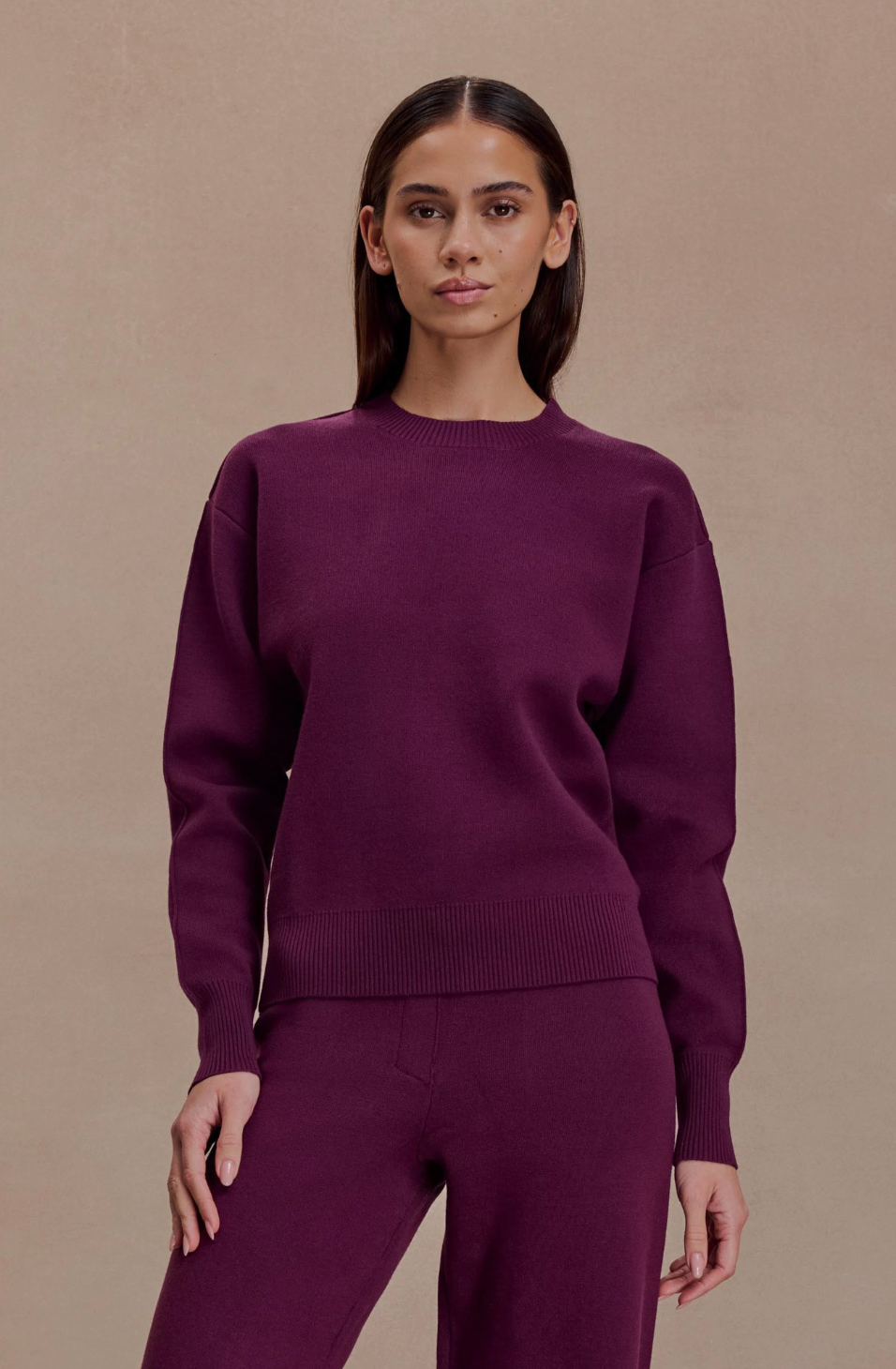
BraxtonCozy Knit Jumper - Plum
$95
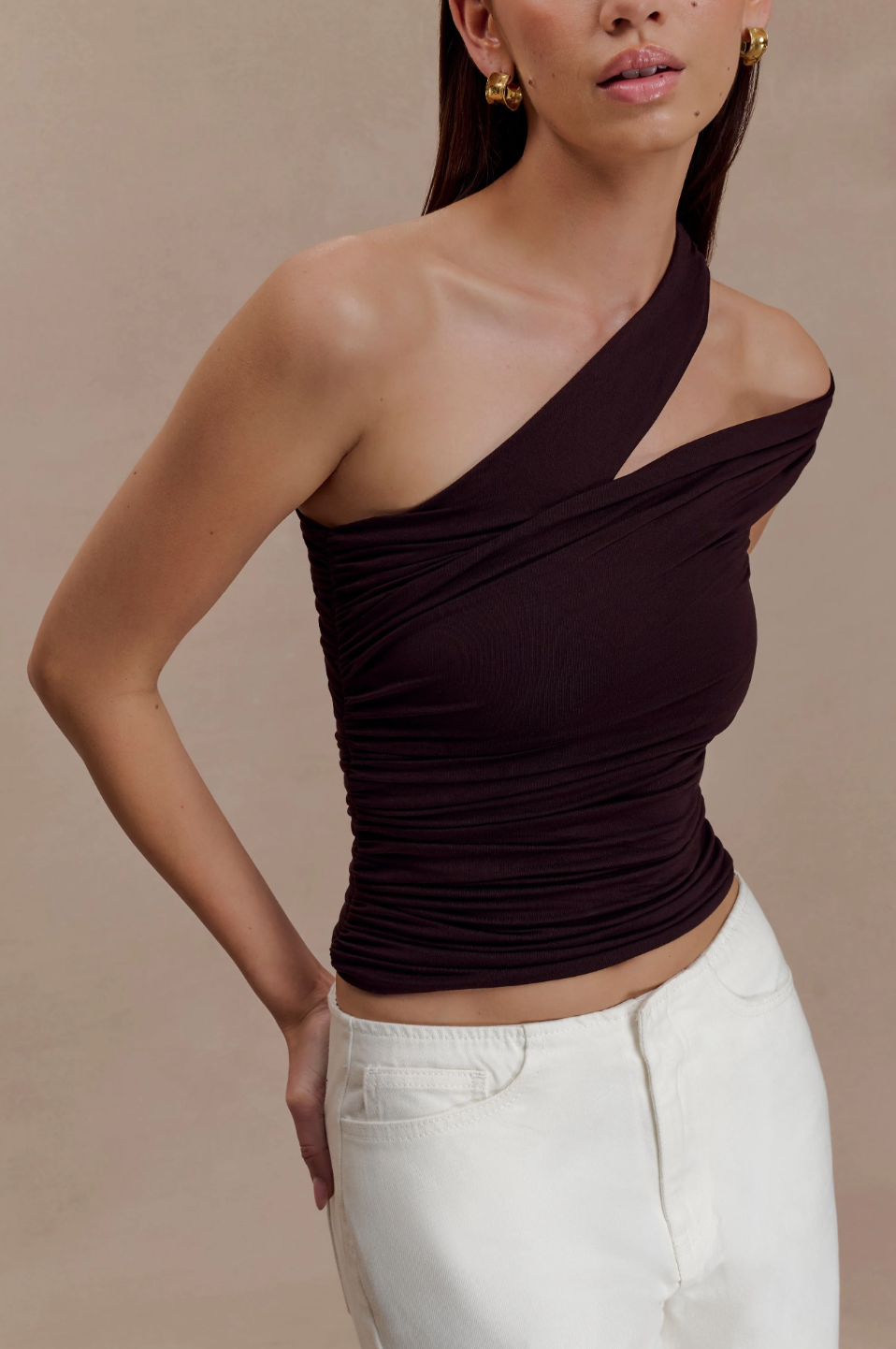
Meshki
AnnaOne Shoulder Modal Top - Cacao Brown
$65
Step 4: Don’t Forget the Shoes
Your shoes can make or break the visual flow of your outfit. For capsule wardrobes, shoes should fall into one of three categories:
Neutral staples: black, beige, tan, or white
Seasonal accents: burgundy, taupe, olive
Polish pieces: metallics or soft gold
Matching your shoe tone to your outfit’s base color creates length and cohesion. It’s one of the simplest styling tricks that makes any outfit feel expensive—no designer price tag required.

Adria Knee High Boot
Vince Camuto
$259.00
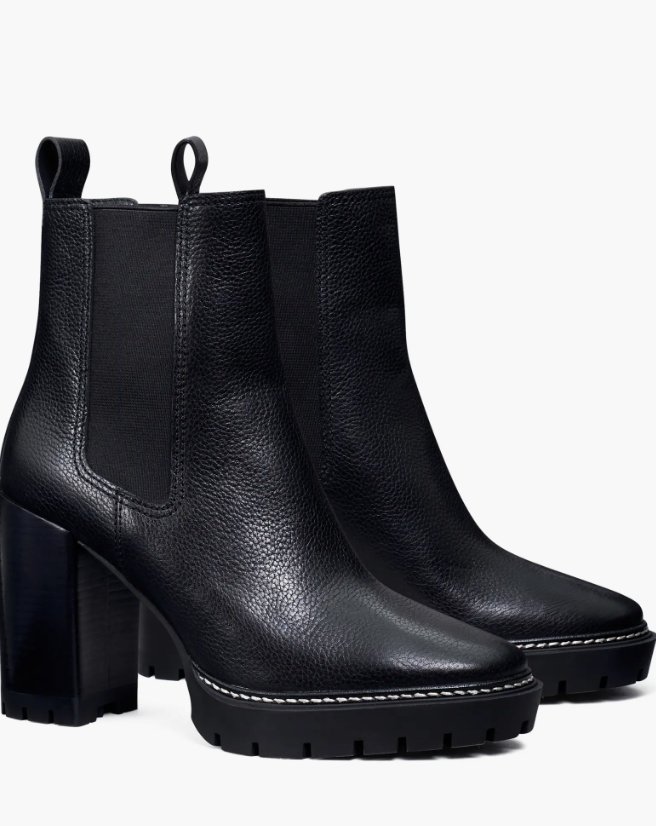
Chelsea 70mm Lug Bootie
Tory Burch
$458
Step 5: Build It, Don’t Buy It All at Once
The biggest misconception about color palettes is that you have to overhaul your closet overnight. You don’t. In fact, slow curation is what makes a palette work.
Start by editing your current wardrobe. Pull out the colors you never wear—they’re cluttering your visual harmony. Then, when you shop, filter your choices through your palette. Does it mix well with your existing pieces? Does it fit your base tones? If not, skip it.
Consistency builds luxury, not price.
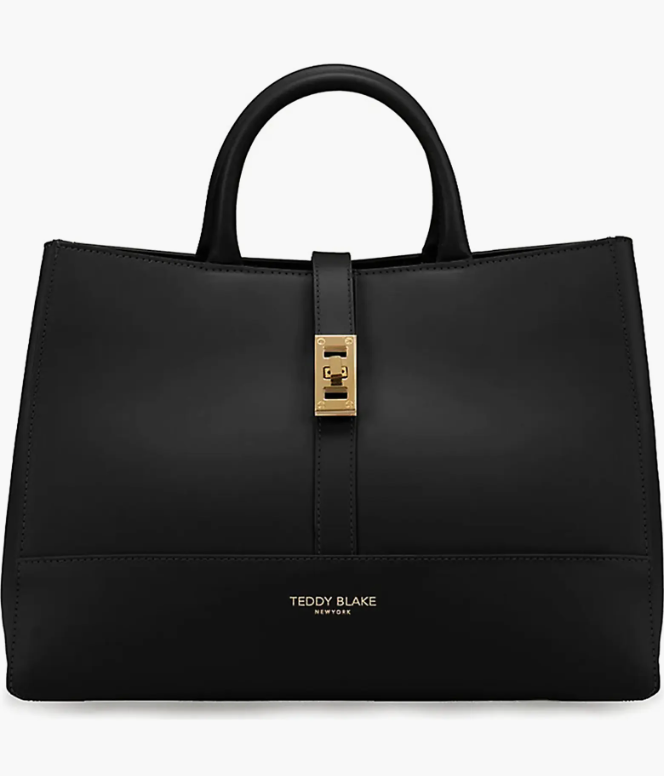
Lola Vitello 12"
Teddy Blake
$565

AmaraPearl Teardrop Beaded Bag - White
$159
Step 6: Your Wardrobe Should Feel Like You
An expensive-looking wardrobe isn’t about perfection—it’s about peace. When everything works together, you spend less time thinking about what to wear and more time feeling good in what you already have.
So whether your palette is filled with earthy browns, minimalist grays, or bold reds, what matters most is that it feels true to you. Because that’s what makes it timeless.
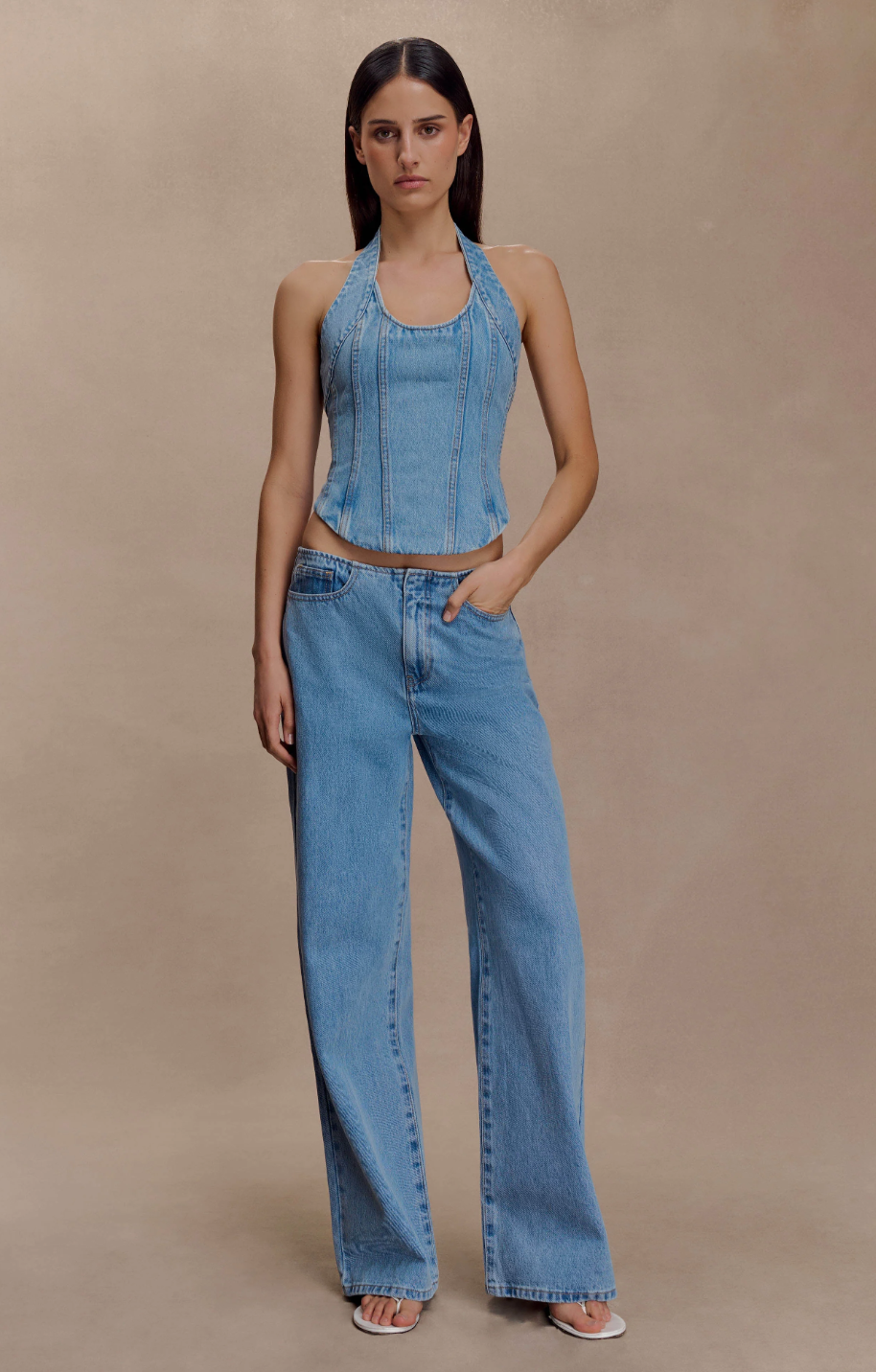
CaitlinMid Rise Denim Jeans - Classic Blue
$105