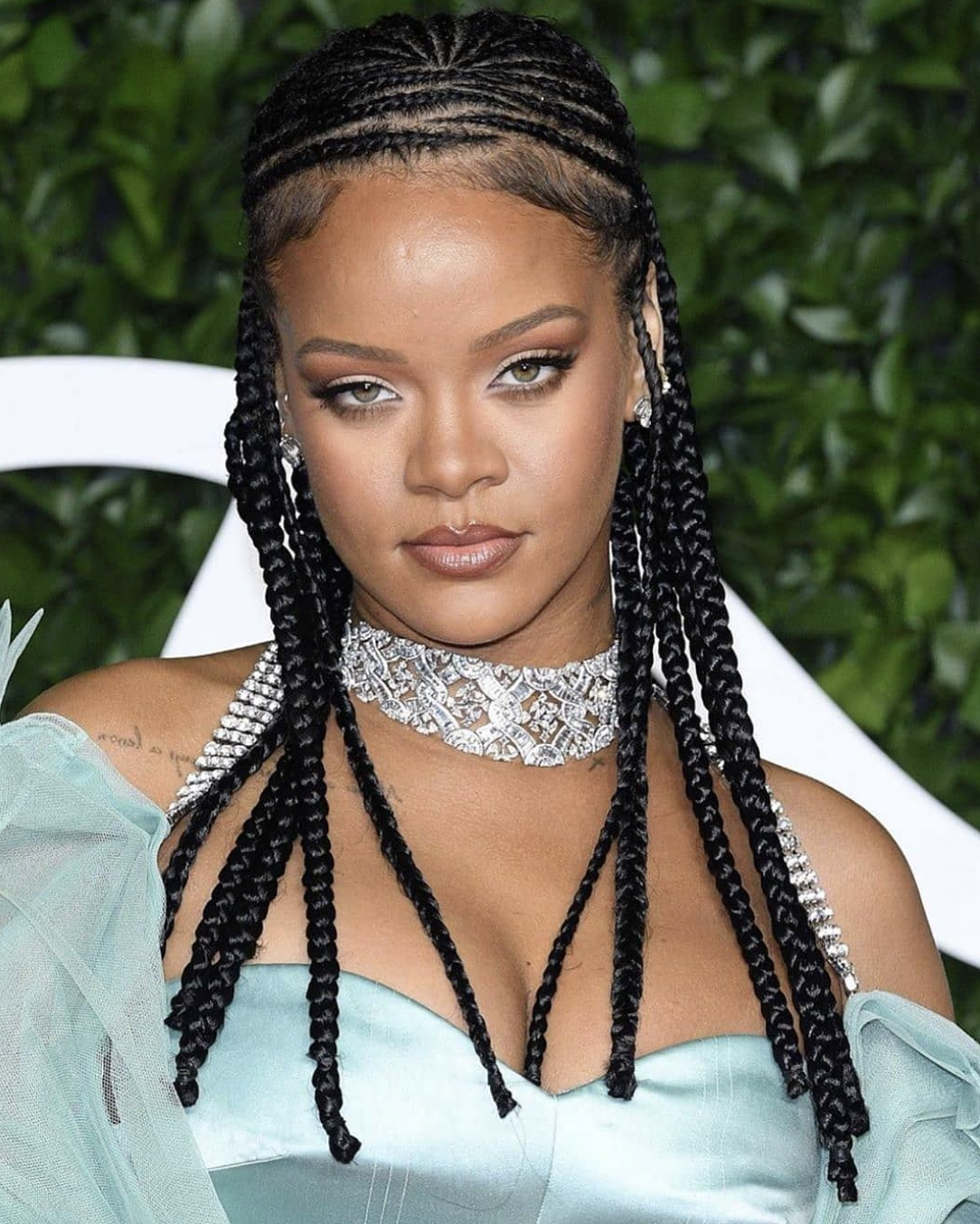
Photo Credit:@badgalriri
We need to talk about those weeks. The weeks where you have absolutely zero bandwidth for a two-hour wash day, a fresh install isn’t in the budget, and your hair still needs to look like you have your life together. I have those weeks. You have those weeks. We all have those weeks.
The good news is that protective styling was built for exactly this scenario. The problem is that not all protective styles are created equal when it comes to actually being low-maintenance some require daily refresh routines, constant moisturizing, and products on products on products just to survive the week. The ones on this list are different. These are the styles that genuinely give you your time back.
As a style editor, I’ve worn, researched, and interviewed women about every protective style on this list. What follows is my honest breakdown of the best options for low-maintenance weeks ranked by how much (or how little) work they actually require to maintain. Every style here was built for us, by us, and made with our textures in mind.
Need Help Finding The Perfect Hairstyle? Take This 2 minute Quiz.
What makes a protective style ‘low-maintenance’? Three things: it keeps your natural hair tucked and protected without requiring daily manipulation, it looks good for at least 2–4 weeks without a refresh, and the upkeep routine is something you can do in under 10 minutes. Every style on this list meets all three.
The 14 Best Protective Styles For Low - Maintenance Weeks
Each style includes install time, how long it lasts, maintenance level, and exactly what you need to know to get through the week with it.
01 Knotless Braids
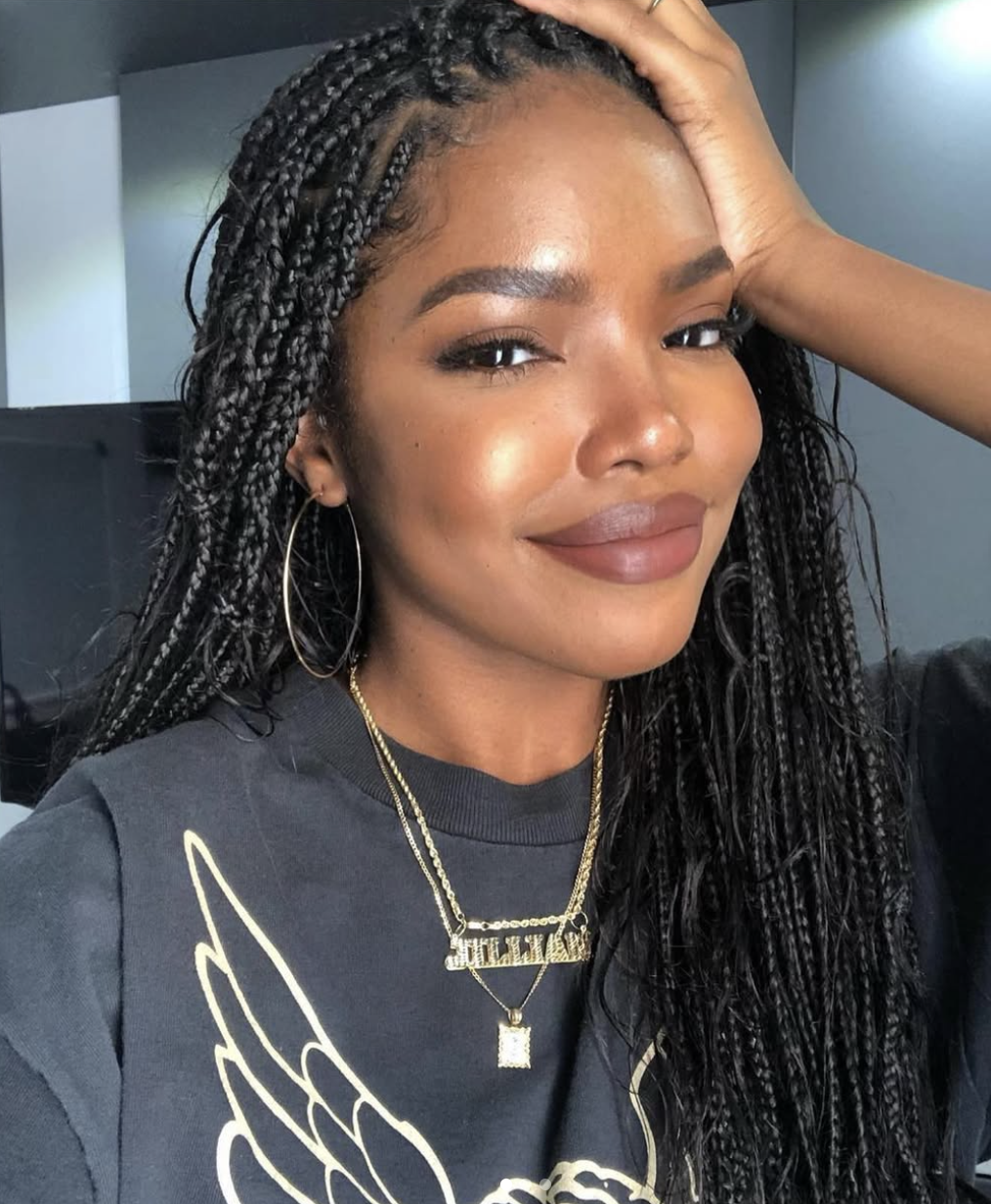
Photo Credit:@ryandestiny
Knotless braids are the gold standard of low-maintenance protective styling for good reason. Unlike traditional box braids, knotless braids start with your natural hair and gradually add extension hair, which means less tension at the root, less scalp stress, and a much more natural-looking part. They lay flatter, they move better, and they tend to last longer with less effort. Your weekly routine is simple: a little scalp oil on the parts, a satin bonnet at night, and maybe an edge refresh if you’re having a moment. That’s genuinely it for most weeks.
Pro Tip: Ask your braider for medium-sized knotless rather than jumbo or micro medium lasts the longest and looks the cleanest as they age.
02 Box Braids
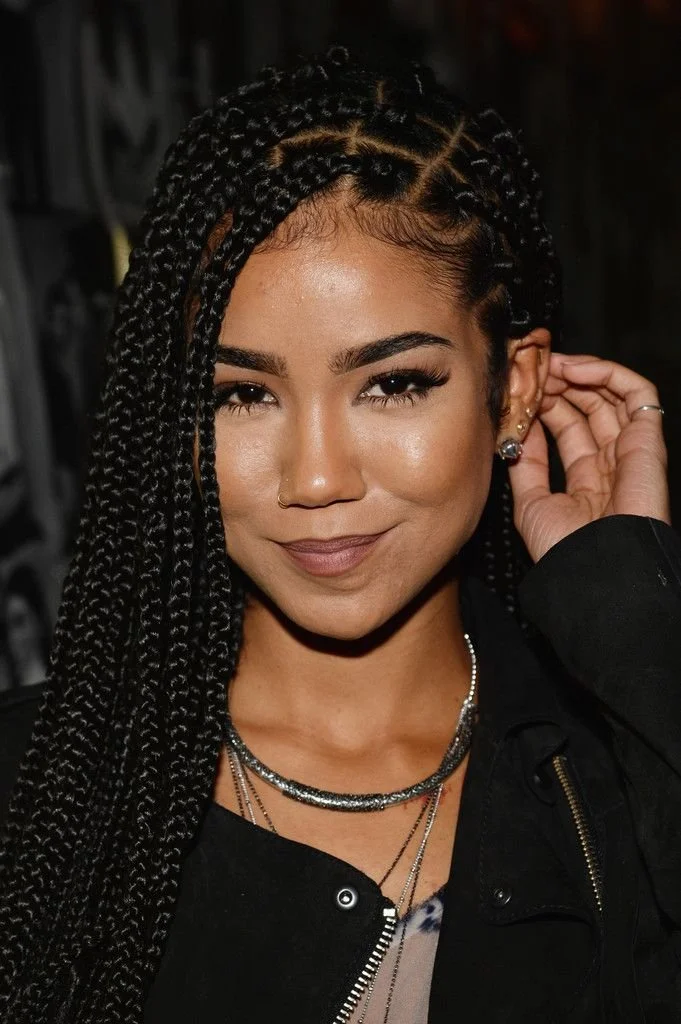
Photo Credit:@jheneaiko
The original. Box braids have been a low-maintenance staple for decades and nothing has replaced them. They hold up through humidity, sweat, workouts, and sleep without losing their structure. You can wear them down, half up, in a bun, in a ponytail the versatility is unmatched. The main difference from knotless is the knot at the root, which creates slightly more tension at install but doesn’t affect the wear experience once you’re a few days in. Weekly care: scalp oil, edges, bonnet. Done.
Pro Tip: Dip the ends in hot water after your install to seal them it prevents fraying for weeks and you won’t have to deal with flyaways.
03 Faux Locs
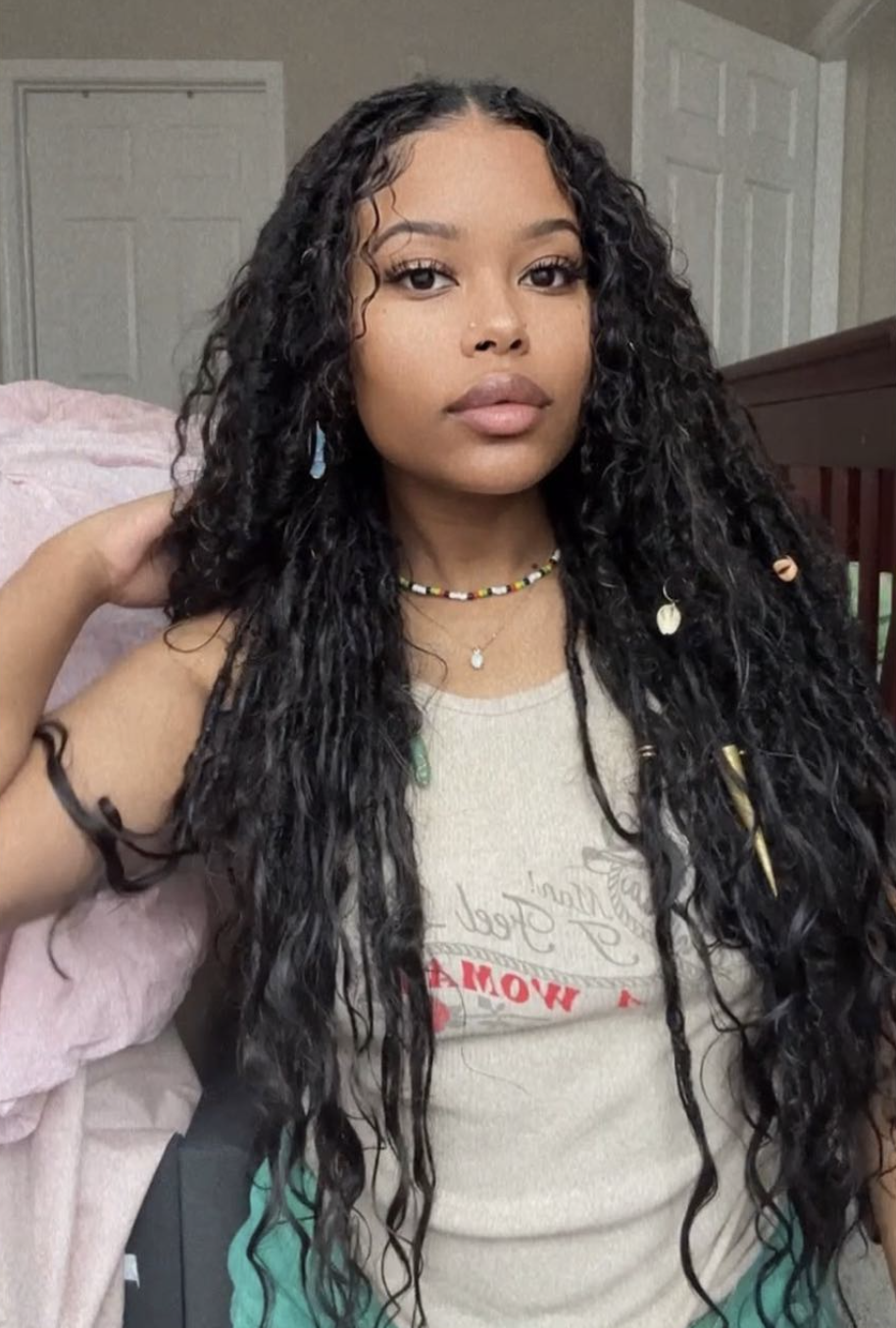
Photo Credit:@sydneymoonbeauty
Faux locs are the secret weapon of the low-maintenance world because they look like they require a whole routine but genuinely don’t. Once they’re in, they’re in. No daily manipulation, no detangling, no product buildup because there’s almost nothing you need to apply daily. A light spray of water to keep the scalp and roots moisturized and you’re done. They also age beautifully — faux locs get better looking over the first few weeks as they settle and the texture relaxes into a more natural appearance.
Pro Tip: Wrap individual locs with mousse before install for a more realistic, textured finish that holds up longer.
04 Butterfly Locs
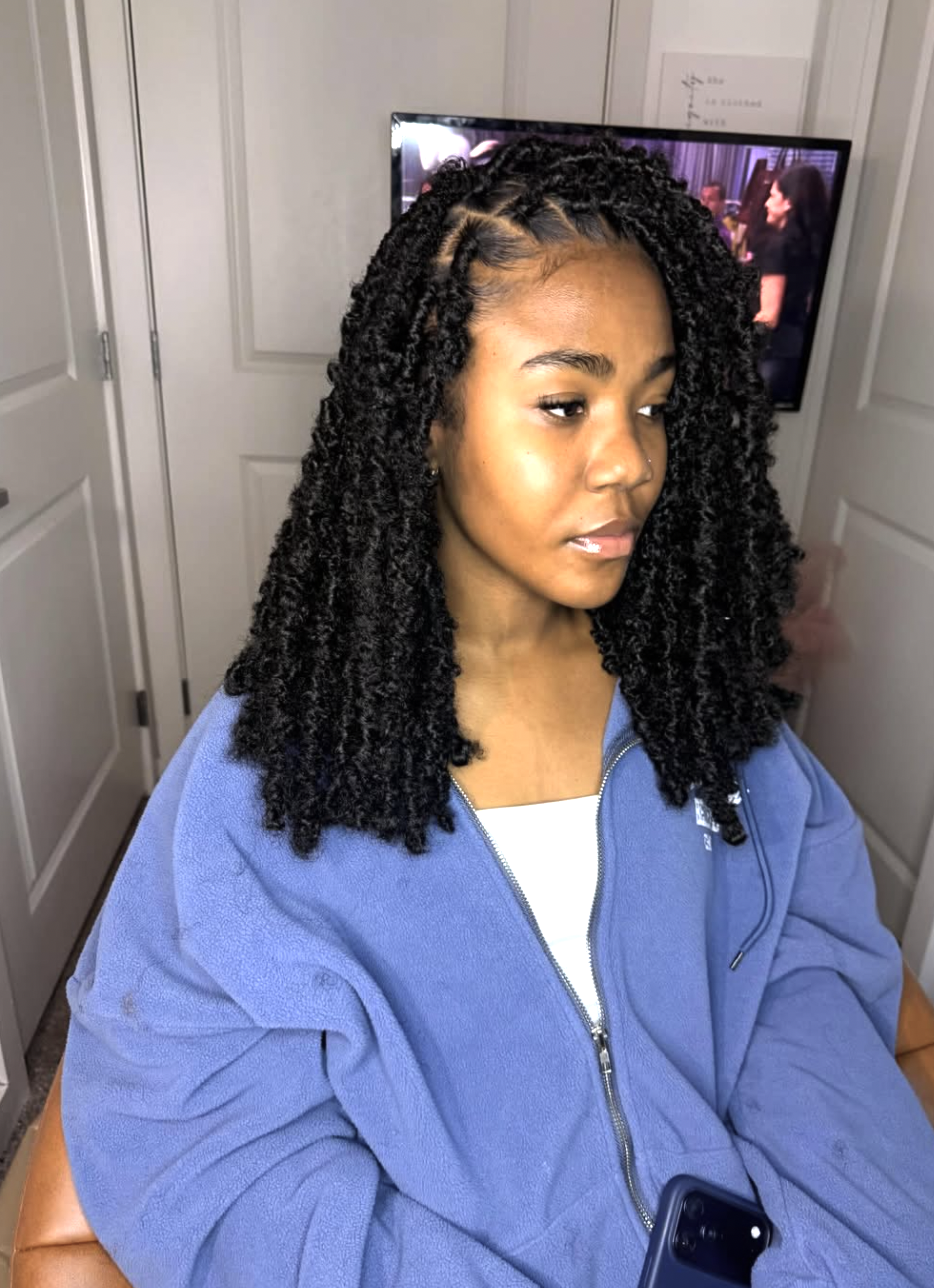
Photo Credit:@tresses.by.nayaa
Butterfly locs have quickly become one of the most popular protective styles because they look expensive, feel effortless, and have a bohemian, undone quality that only gets better with wear. The looped, distressed texture means they look intentionally lived-in rather than undone, which extends the window where they look great. They also don’t require the same level of daily upkeep as some styles a little scalp oil, a satin bonnet, and they hold their look well.
Pro Tip: Butterfly locs can feel heavy at first ask your stylist to keep the length at mid-back or shorter for the most manageable wear.
05 Passion Twists
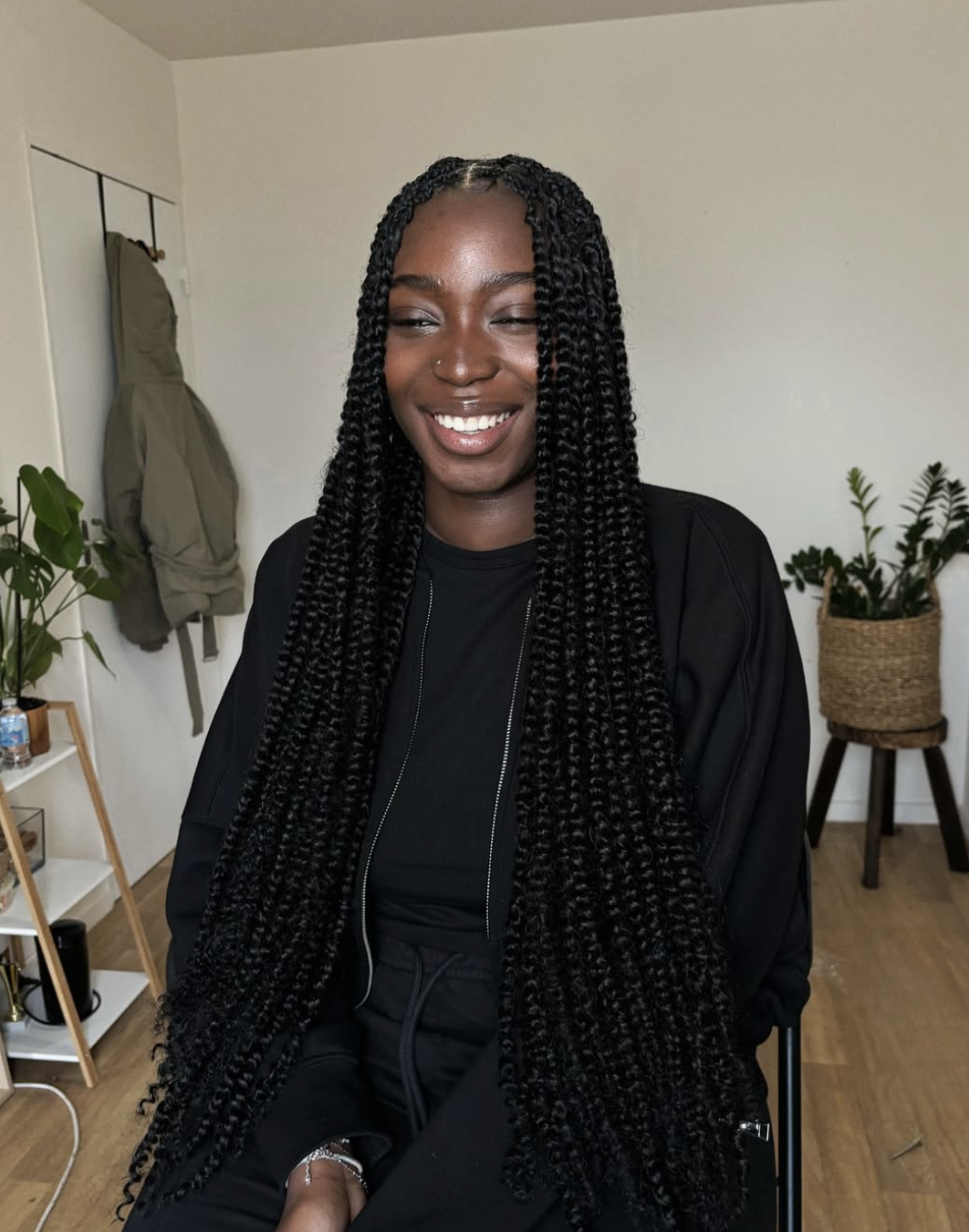
Photo Credit:@wetshi_
Passion twists hit the sweet spot between a protective style and a natural-looking style the curly, textured hair used gives them a bohemian quality that looks like your actual hair is just doing its thing. They’re lightweight compared to locs, quick to install relative to their impact, and hold up beautifully for 4–6 weeks with minimal effort. Daily care is simple: a light mist of water on the scalp, a scalp oil on the parts, and a satin bonnet at night. They also refresh well if the ends start to look rough around week four, a light trim tidies them up fast.
Pro Tip: Use water-based curl refresher lightly on the ends around week 3–4 to bring the curl texture back to life without over-moisturizing.
06 Senegalese Twists
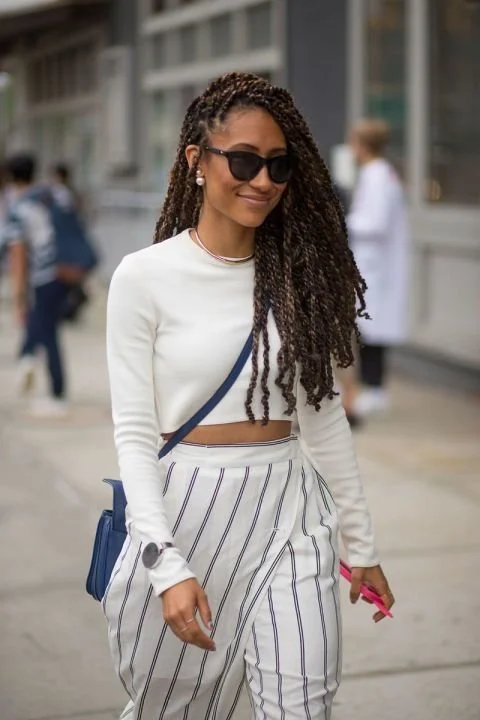
Photo Credit:@elainewelteroth
Senegalese twists are one of the most durable protective styles you can get. The clean, ropelike structure holds up exceptionally well over time and doesn’t fray or lose its look the way some textured styles do. Because the hair used is smooth rather than curly or wavy, there’s minimal product needed and minimal daily manipulation required. They’re also one of the faster styles to install, which means less chair time and a lower service cost. If you want a polished protective style that looks just as good in week six as it did in week one, Senegalese twists are your answer.
Pro Tip: Avoid using heavy oils on Senegalese twists they can cause buildup quickly. A light spray oil or scalp serum is all you need.
07 Cornrows (Straight Back)
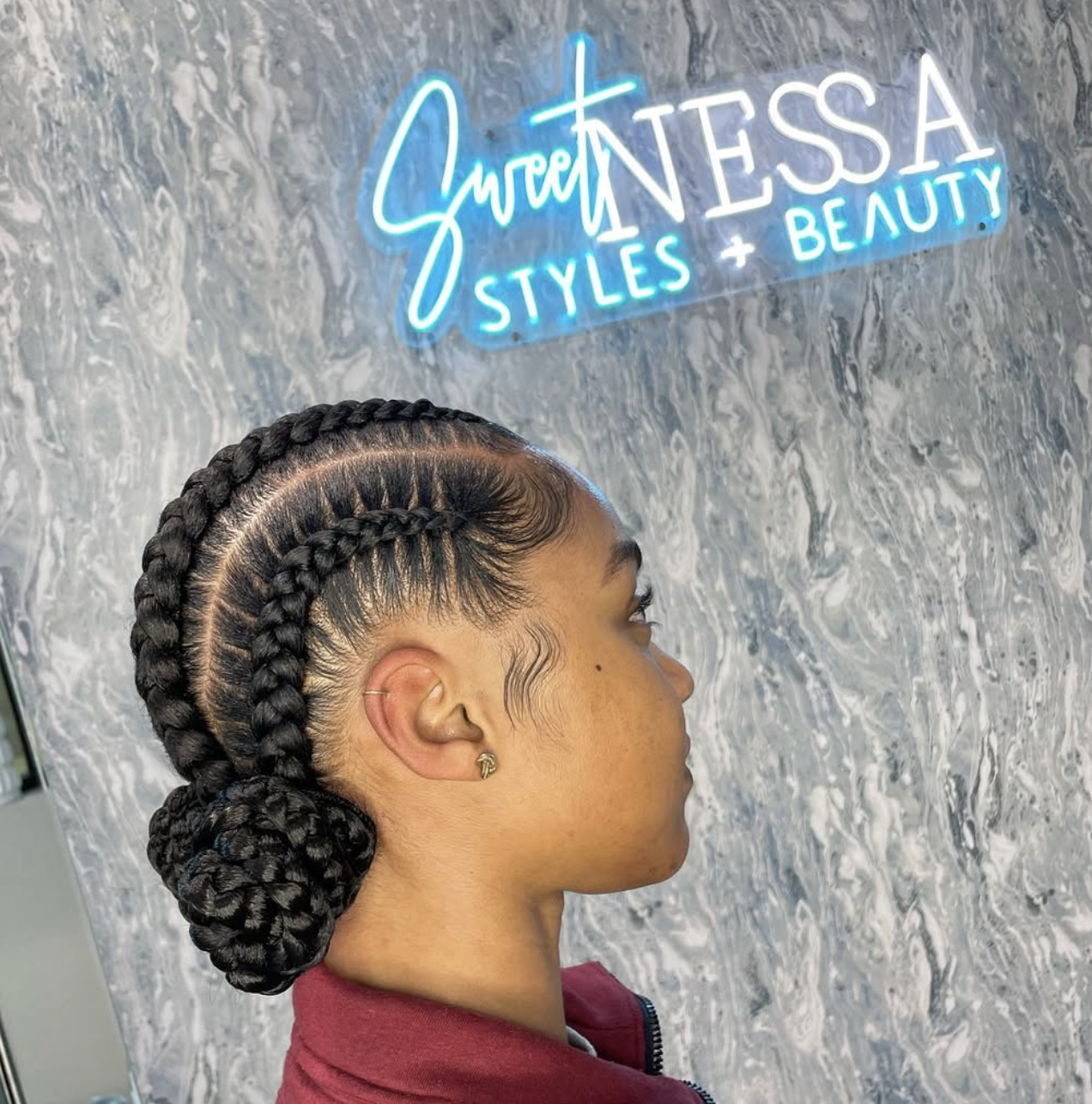
Photo Credit:@sweetnessa_
Cornrows are the ultimate low-maintenance style because they’re fast to install, inexpensive, and completely no-fuss once they’re in. Straight-back cornrows specifically require zero daily effort there’s nothing to detangle, nothing to style, nothing to refresh. Your scalp gets a full break from manipulation and the braids lie flat against the head so they work for any activity: gym, swim, work, events. They don’t last as long as box braids or twists, but they’re the style you get when you need to be done in two hours and need it to last a month.
Pro Tip: Wrap nightly in a silk or satin scarf rather than a bonnet to keep the braids flat and the edges from frizzing.
08 Crochet Braids
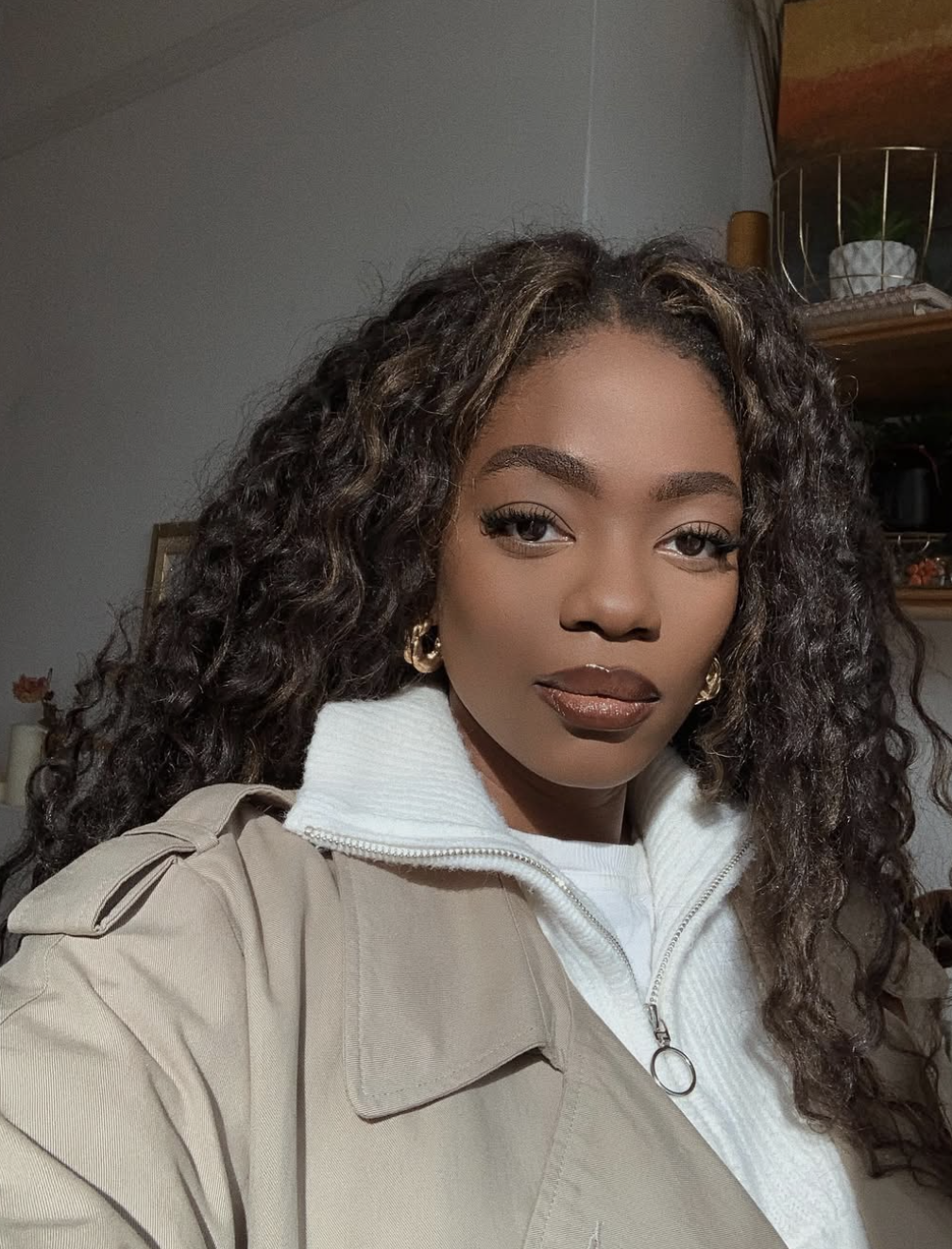
Photo Credit:@__nadinep
Crochet braids are one of the most versatile protective style methods because the look changes completely depending on which hair you use. Loose waves, tight coils, faux locs, afro kinky the crochet method (where hair is looped through cornrows underneath) gives you access to every look with a fraction of the install time. Maintenance is minimal: refresh the curl pattern on the extensions as needed and keep the cornrow base moisturized underneath. The one watch-out is that the cornrow base underneath can get tangled if you don’t care for it use a rat-tail comb and a light scalp oil weekly to maintain the base.
Pro Tip: Install a few extra packs of the same hair so you can replace any sections that wear out without having to redo the whole style.
09 Marley Twists
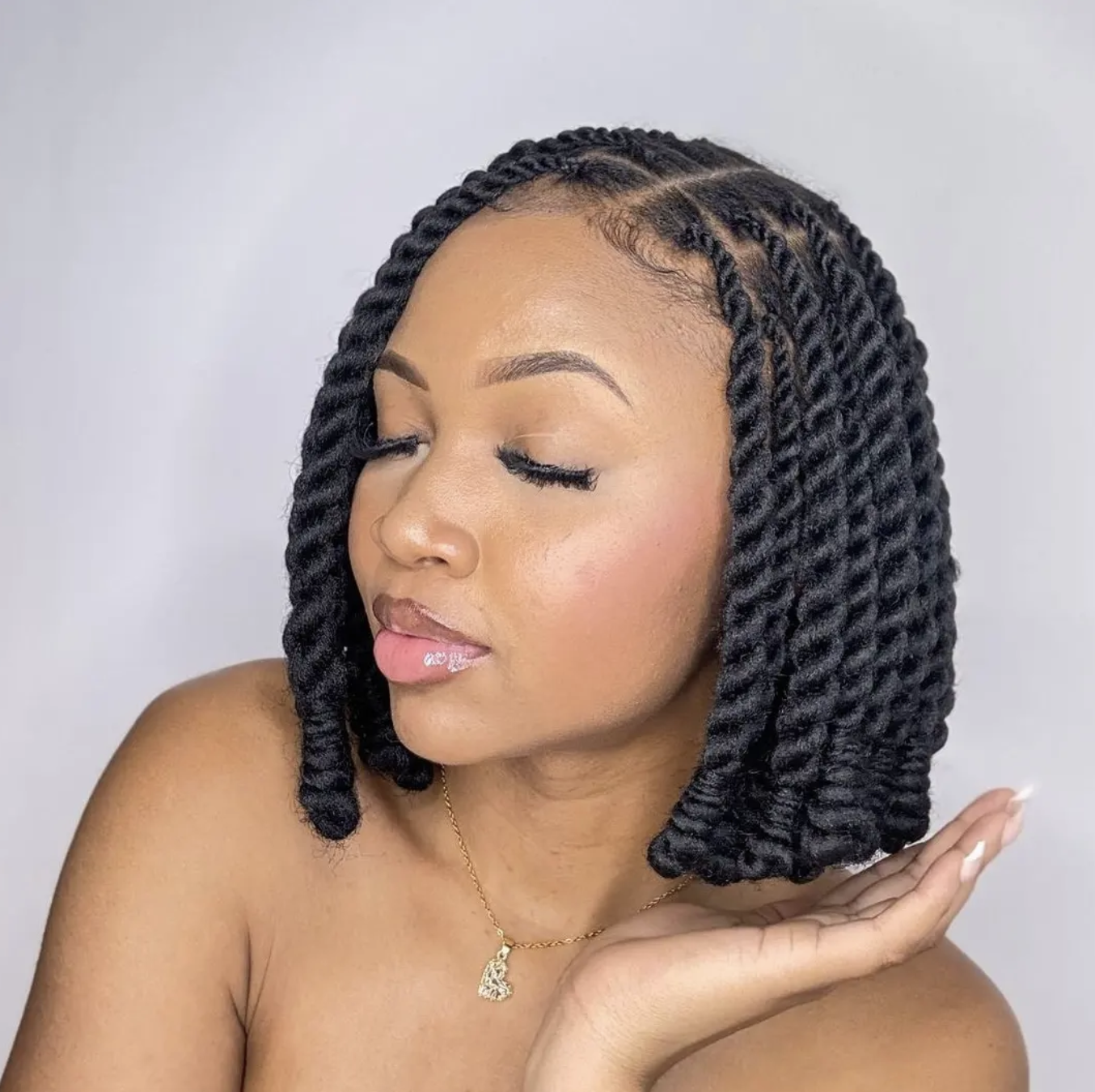
Photo Credit:@saharaglow_hair_nails_salon
Marley twists use a kinky, natural-looking extension hair that blends beautifully with 4B and 4C textures when done well, they look like your natural hair is just twisted and voluminous. They’re one of the most natural-looking extension styles available for natural hair women and they require minimal daily effort to maintain. The kinky texture hides frizz naturally, so even as you get deeper into the wear period, they still look intentional. Light scalp oil on the parts, protective sleeping, and you’re covered.
Pro Tip: Stretch your natural hair before install (banding or African threading) for the most seamless blend with the Marley hair.
10 Jumbo Braids
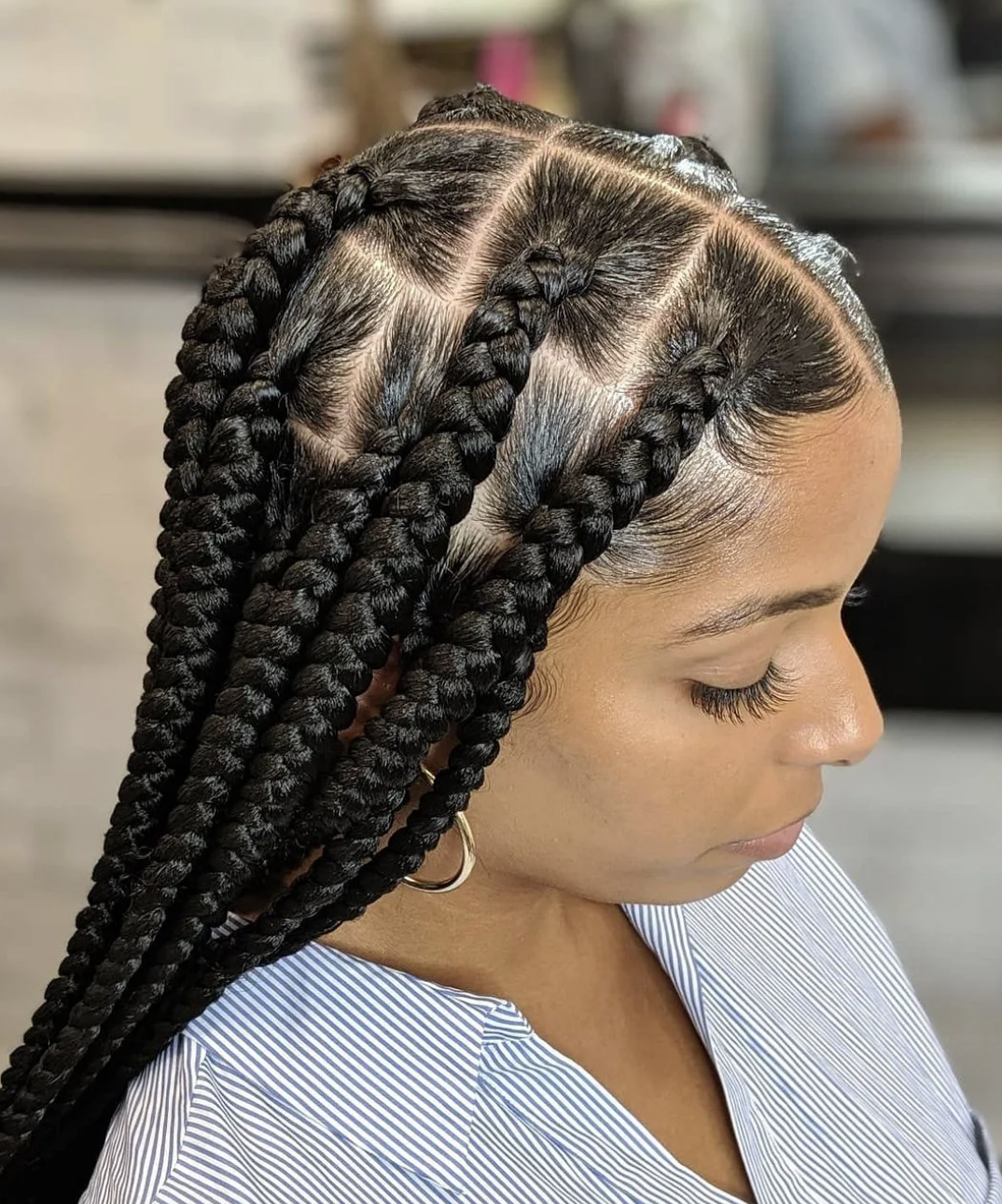
Photo Credit:@justbraidsinfo
If you want the knotless braid look but your schedule (or budget) doesn’t allow for a full 6–8 hour install, jumbo braids are your answer. The larger size means fewer braids total, which cuts install time significantly while still giving you a full, protective look. They’re bold, they’re high-impact, and they require the same low-maintenance routine as their smaller counterparts. The trade-off is that larger braids tend to unravel and look worn a little sooner than medium-sized braids, but for a 4–5 week style, they deliver.
Pro Tip: Hot water seal the ends right after install to prevent unraveling. Jumbo braids benefit from this more than smaller sizes because the larger size has more surface area at the tip.
11 Fulani Braids
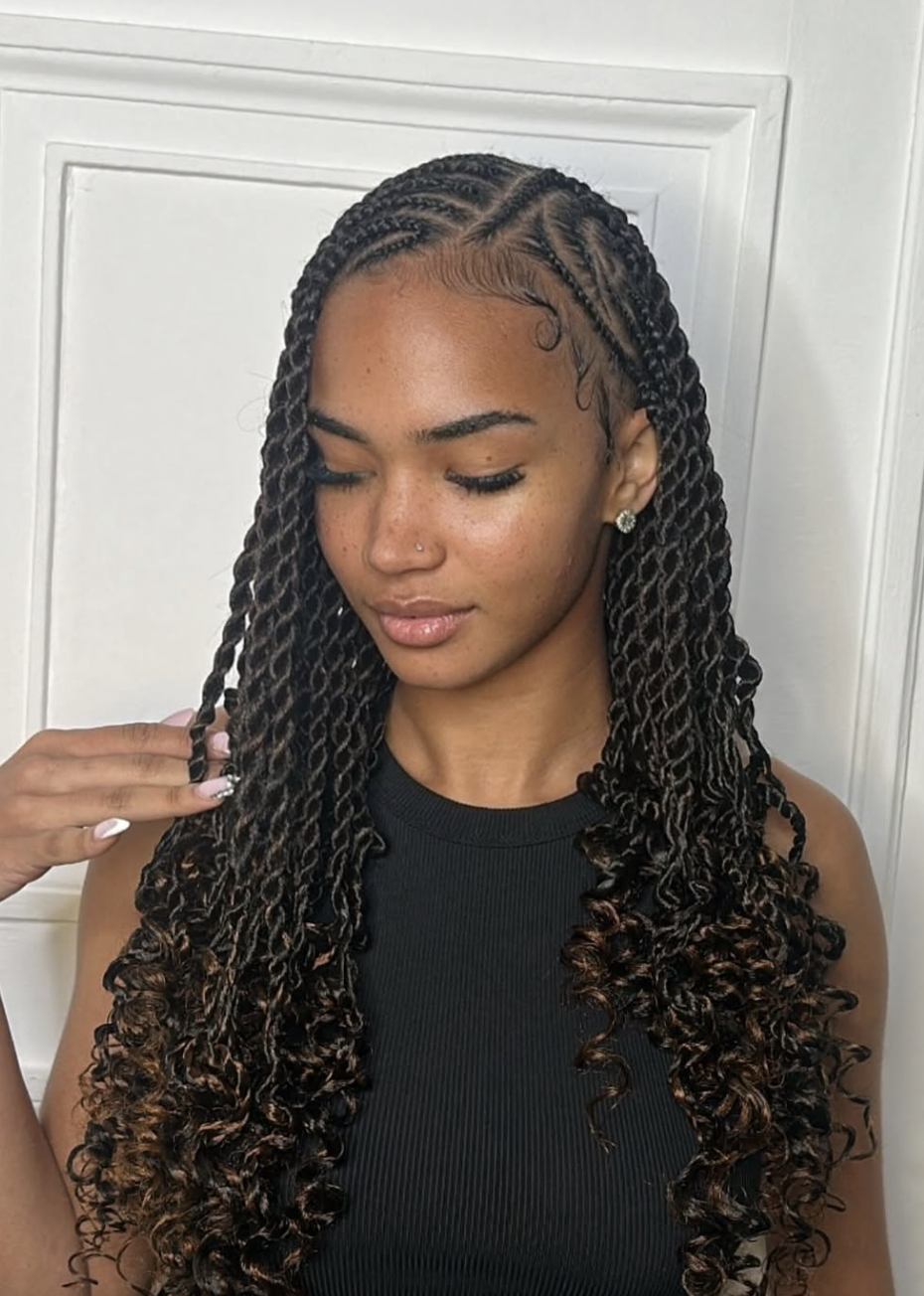
Photo Credit:@queency.hair
Fulani braids are a traditional West African style that has never stopped being relevant and for good reason. The combination of braided sections, a central or side braid across the forehead, and decorative beads creates one of the most visually striking protective styles available. But despite how elaborate they look, they’re genuinely low-maintenance to wear. The braided sections sit close to the head and the beaded details don’t require any daily upkeep beyond keeping the scalp moisturized. They also photograph beautifully, which makes them a go-to for events or content.
Pro Tip: Add beads at the ends of the braids that hang loose they add sound and movement and protect the tips from fraying at the same time.
12 Flat Twists
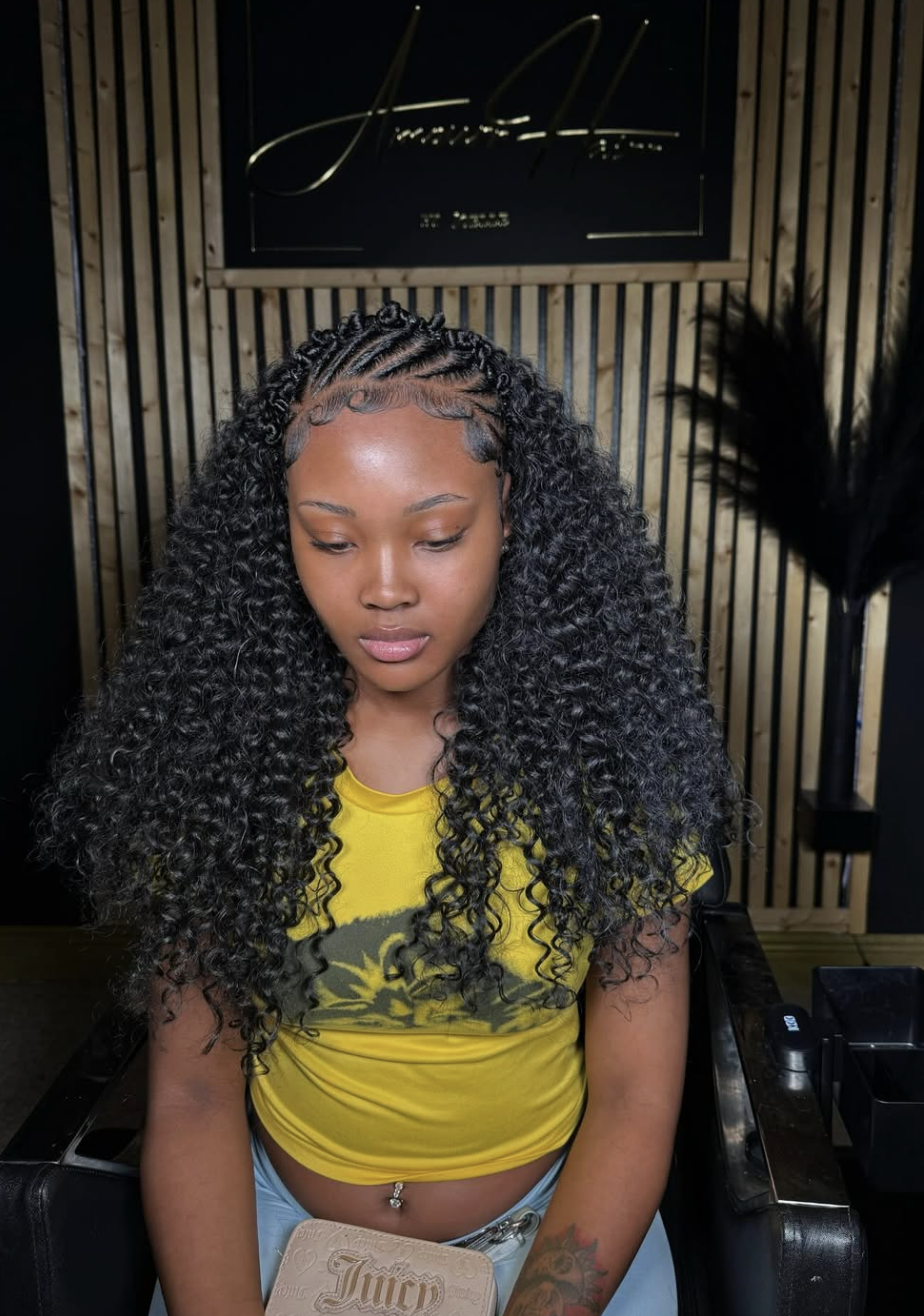
Photo Credit:@amourrhairr
Flat twists are the protective style for when you want to give your hair a break without using extension hair at all. They lie flat against the scalp in a way that fully tucks and protects your natural hair, require no extensions, and can be done at home with a little practice. They don’t last as long as styles with extension hair, but for a 1–2 week low-maintenance period they’re perfect. They also leave a beautiful wave or curl pattern when you take them down the take-down look is almost a style in itself.
Pro Tip: Use a light holding butter or cream on damp hair before twisting for a cleaner finish and better hold without flaking.
13 Goddess Braids
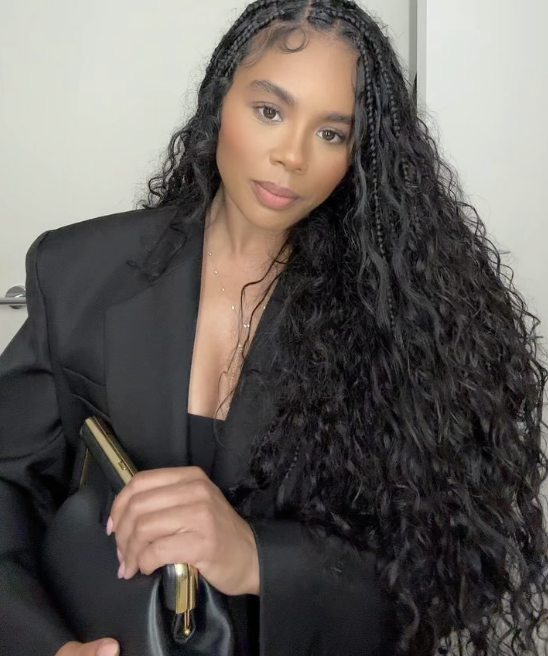
Photo Credit:@tawanamorris_ and @hairsochic.la
Goddess braids are large, dramatic style braids that can be worn as an updo, a crown, or with length falling down the back. They’re one of the most striking protective styles visually and one of the lowest maintenance because the hair is completely contain. There’s nothing to detangle unless you chose to add in wavy human hair, no volume to manage, no ends to worry about. Keep the scalp moisturized, sleep with a satin bonnet, and they’ll hold their look beautifully for 3–5 weeks.
Pro Tip: Ask your stylist to leave enough hair to wrap around the base of each braid for a cleaner, more finished look that holds longer.
14 Sew-In (Straight or Wavy)
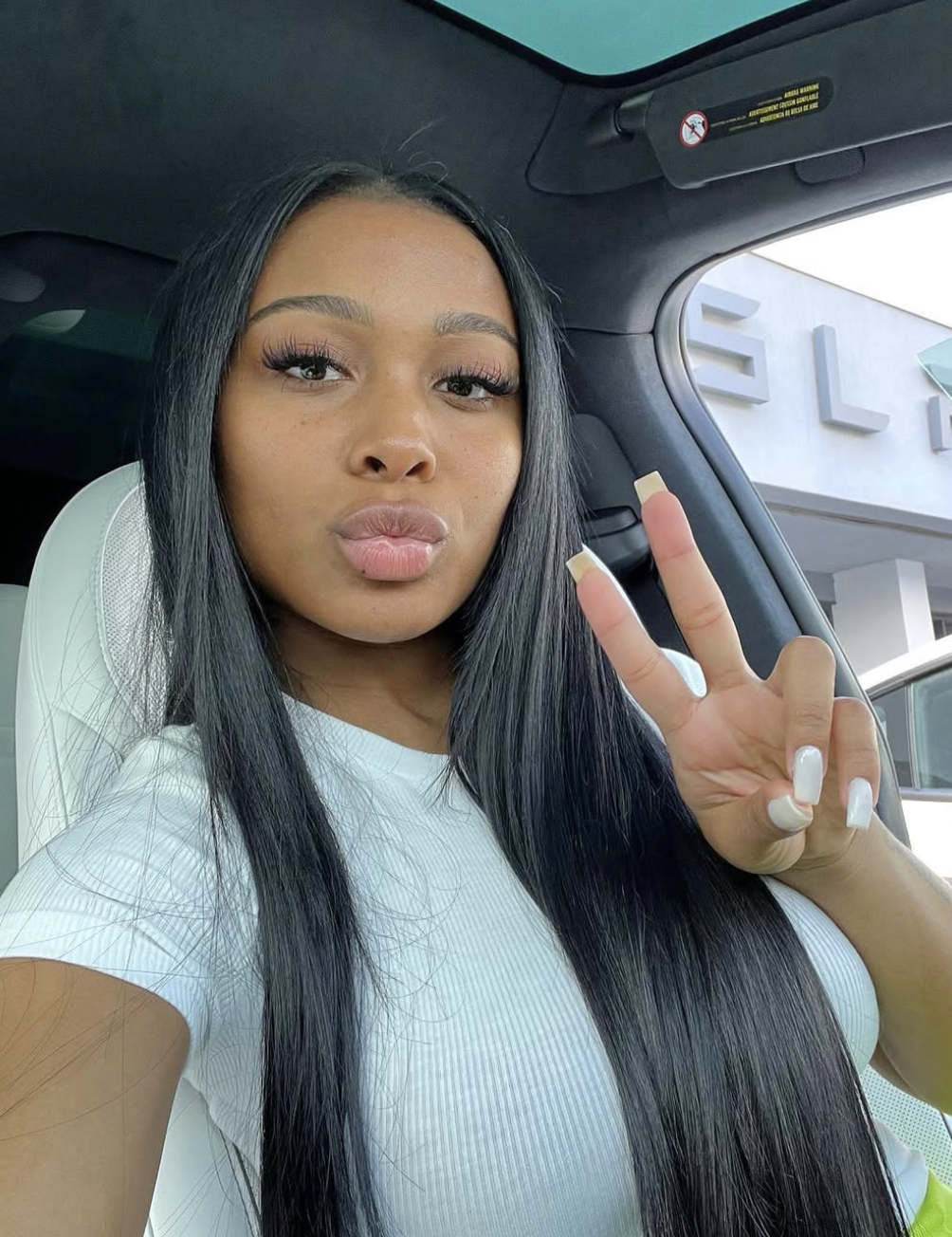
Photo Credit:@jaydacheaves
A sew-in is one of the most protective styles available because your natural hair is fully cornrowed and tucked underneath the tracks completely protected from manipulation, environmental damage, and daily styling stress. The maintenance depends heavily on the type of bundles you choose: straight bundles require the least upkeep (wash, blow dry, and go), while wavy or curly bundles need a curl refresh routine. For low-maintenance weeks, stick with straight or body-wave bundles that air-dry beautifully without styling. Keep the leave-out moisturized and the scalp oiled weekly and it holds beautifully for 6–8 weeks.
Pro Tip: Leave out as little natural hair as possible along the perimeter —the less leave-out, the less daily styling required and the longer your sew-in looks fresh.
Your Weekly Routine For Any Protective Style
Regardless of which style you choose, this 3-step routine keeps your scalp healthy and your style looking fresh all the way through the wear period.
Step 01 — Scalp Oil
Once or twice a week, apply a light scalp oil directly to your parts. Use a applicator bottle for precision so you’re oiling the scalp, not the braids. Jojoba, peppermint mixed with a carrier oil, and tea tree in a carrier oil are all great options. Here is a list of the top scalp oils we recommend for protective styles.
Step 02 — Edge Care
Your edges are the most vulnerable part of your hair in any protective style. Keep them moisturized with a light edge cream or pomade and avoid styles that pull them too tightly. If your edges feel tender, loosen the style.
Step 03 — Sleep Protection
A satin bonnet or satin pillowcase every single night. This is non-negotiable. Cotton pillowcases cause friction that frizzes braids, absorbs moisture, and breaks down the install faster than anything else.
THE BOTTOM LINE
The best protective style for a low-maintenance week is the one that protects your natural hair, works with your schedule, and still makes you feel like yourself when you walk out the door. Every style on this list does all three.
If you’re starting fresh with no stylist relationship yet, start with knotless braids — they’re the most universally flattering, the lowest tension, and the most widely available. If you already have a trusted braider, let the inspo here be the jumping-off point for a conversation about what makes sense for your texture, length, and lifestyle.
Your hair deserves the break. These styles are how you give it one without sacrificing anything.
Need Help Finding The Perfect Hairstyle? Take This 2 minute Quiz.
Save this post: Bookmark this guide for your next protective style appointment. Come back when you’re ready for a change — there are 14 options here and every single one is a good choice.
Read These Articles Next For More Hair Growth Tips
Best Shampoos for Itchy Scalp (10 That Soothe Dryness, Flakes, and Irritation Fast)
We Tested 12 Scalp Oils—These Are the Best for Itchy, Dry, and Sensitive Scalps
The 5 Best Hair Masks for 4C Coils, Waves, and Damaged Strands
After Reviewing 22 Edge Controls, These Are the 8 That Don’t Flake or Lift
The Best Scalp Tools in 2026 (Massagers, Scrubbers, and Brushes for Every Hair Type)