
31 Things Every Organized Woman Owns

Photo Credit:@aa.sefa
For years, I assumed organized women were simply born with some mysterious ability to remember appointments, return packages on time and never lose the little card that came with the furniture warranty. Meanwhile, I was writing reminders in three different apps, moving the same pile of mail from one end of the counter to the other and buying another pack of batteries because I could not find the batteries I already owned.
Then I started paying attention to what organized women actually do. Most of them are not walking around with superhuman memories or homes that look untouched. They have repeatable systems for boring things. Their keys go in one place. Store returns wait by the door. The grocery list lives somewhere everyone can reach it. A weekly reset catches the small messes before they turn into an entire Saturday project.
That was the shift for me: organization stopped being a personality trait and became a collection of tiny decisions I did not have to make twice.
This list is not about buying 31 matching acrylic bins. Some items are physical; others are small systems that deserve a permanent place in your life.
Planning Essentials
Photo Credit:Cora Pursley
1. One master calendar
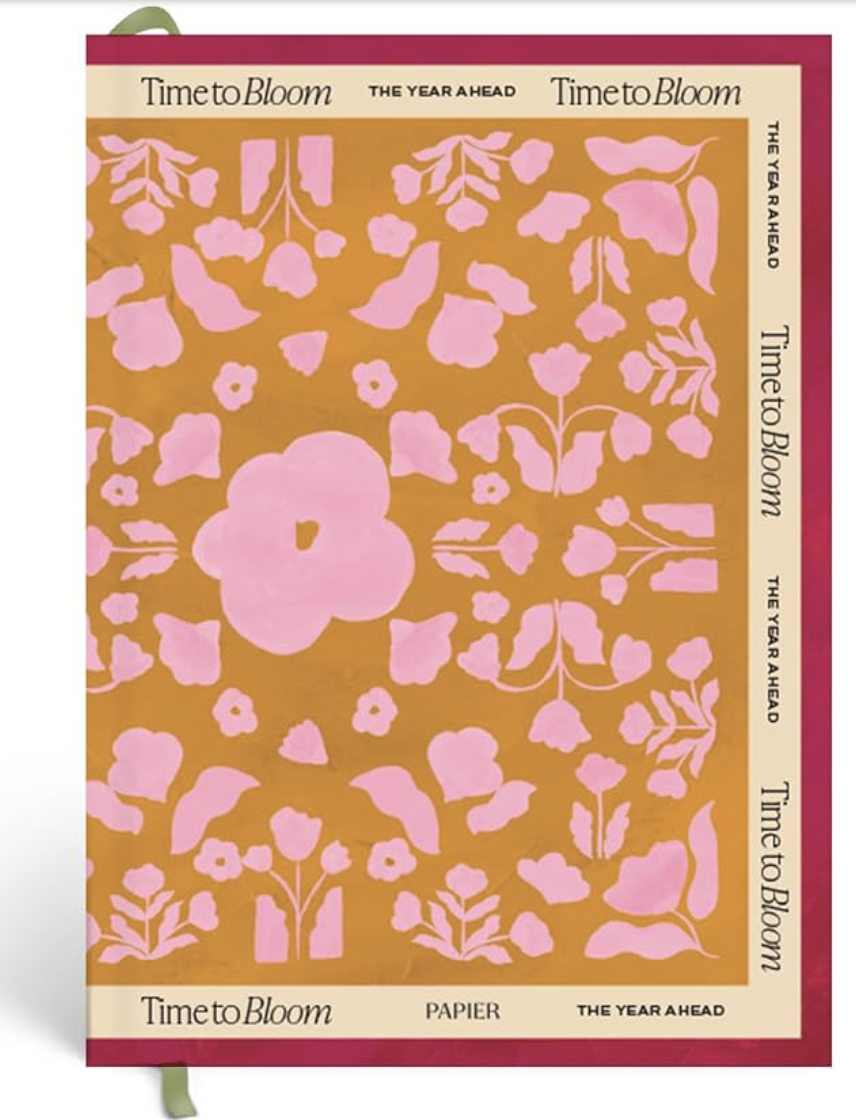
Digital or paper is fine. The important part is that appointments, deadlines and family plans are not scattered across five places.
2. A short daily list
Choose the three tasks that matter most before adding every tiny errand. A finite list creates focus; a 40-line list creates guilt.
3. A running grocery list
Keep it where you will actually update it—on the refrigerator, in a shared phone note or inside the store app.
4. A recurring-task list
Air filters, prescriptions, pet care and seasonal appointments should not rely on memory. Put them on repeat.
5. A weekly reset block
Reserve 20 to 30 minutes to look ahead, clear surfaces and move unfinished tasks. This prevents Sunday night from becoming a rescue mission.
Entryway and Everyday Carry
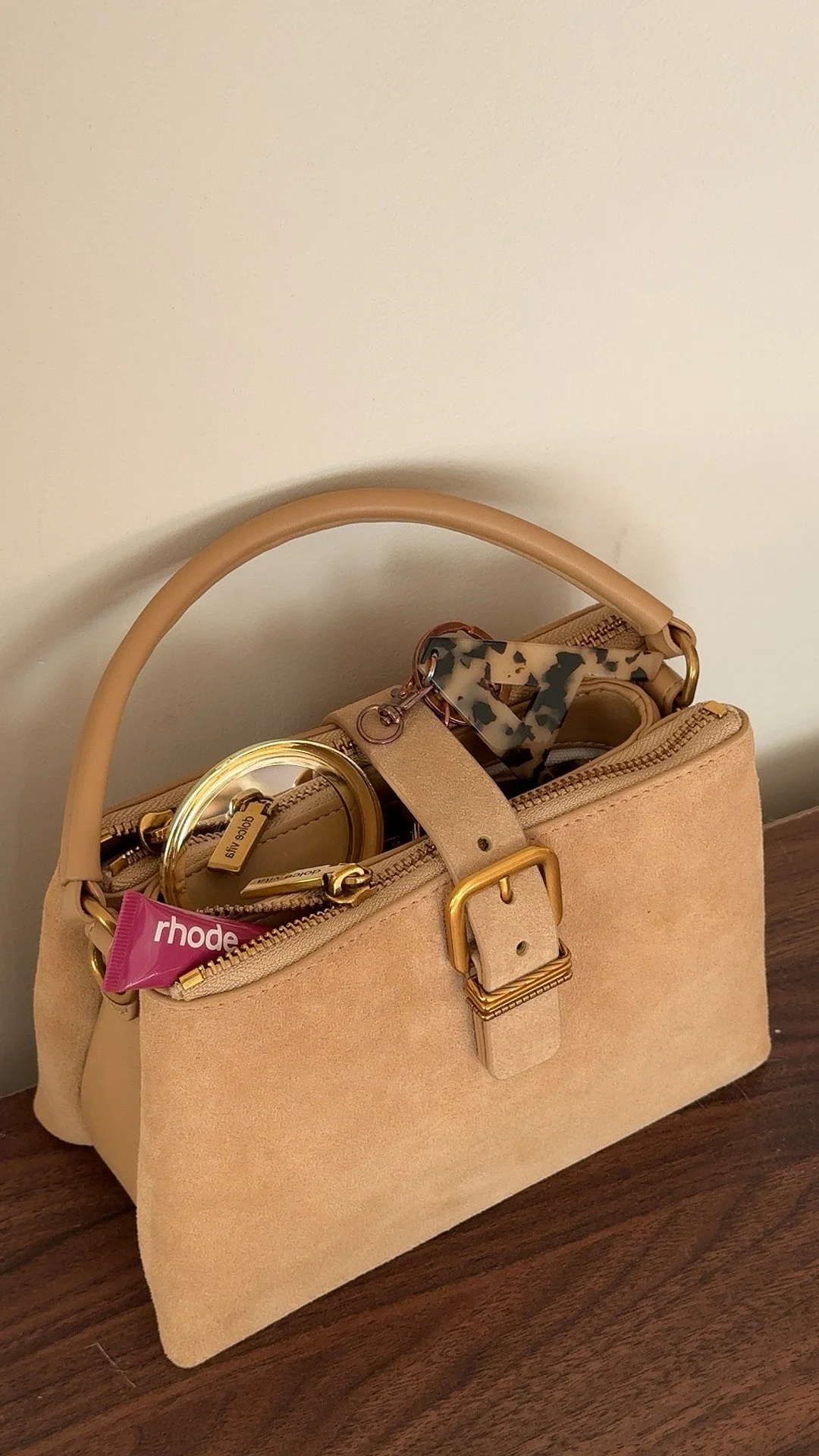
Photo Credit:Ajaila Walker
6. A permanent key spot
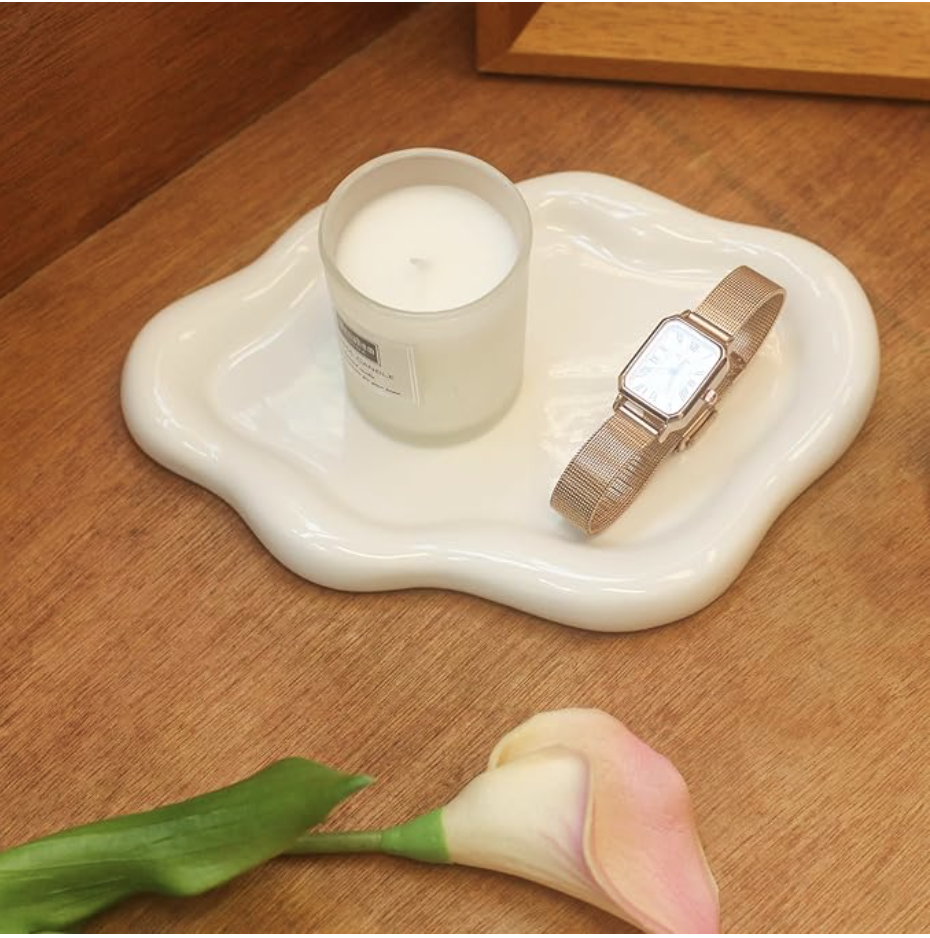
A hook, tray or bowl works. Consistency matters more than the container.
7. A grab-and-go tote
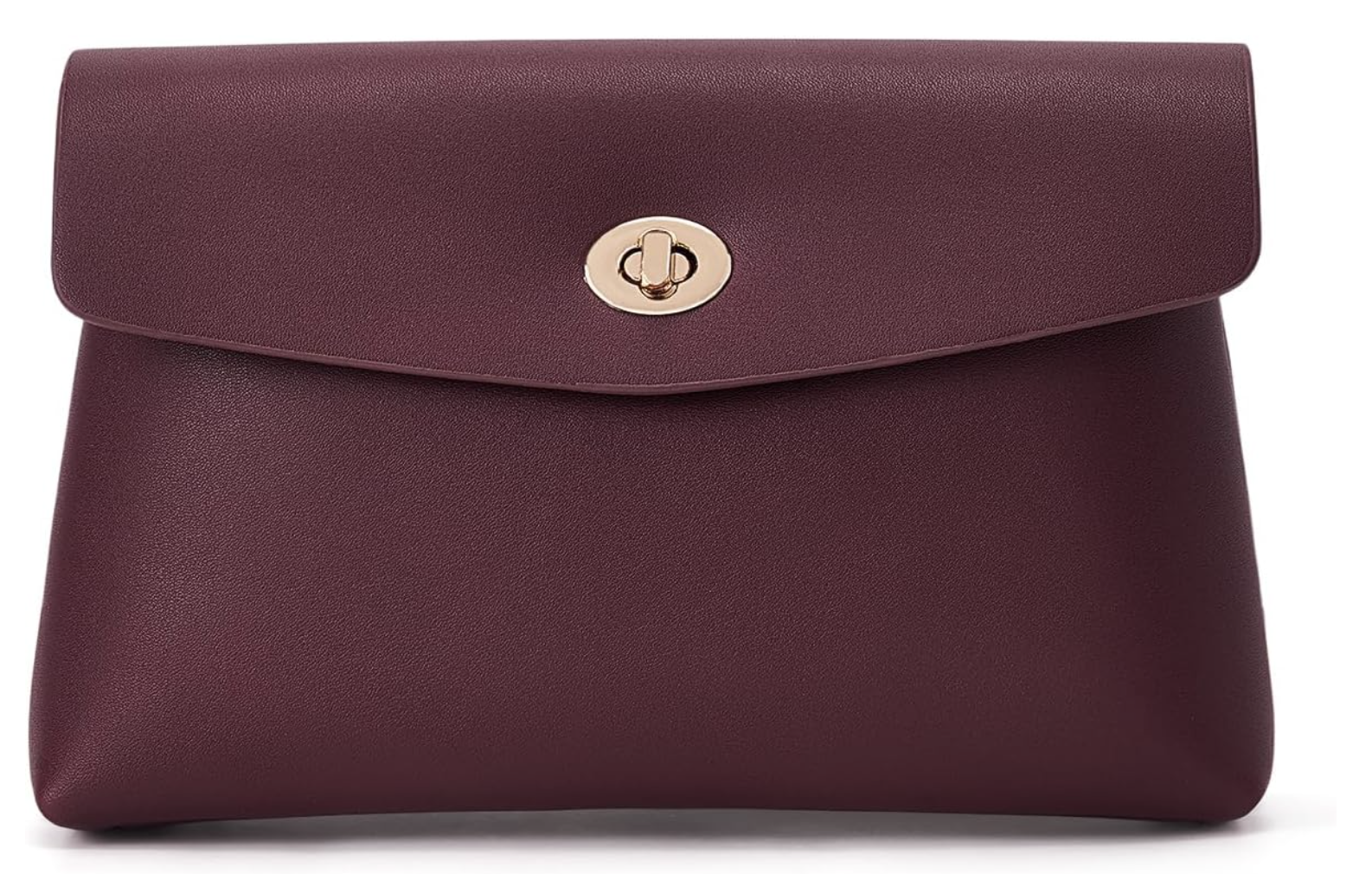
Keep the repeat essentials inside: charger, pen, tissues and reusable bag. Remove receipts and trash when you get home.
8. A returns basket
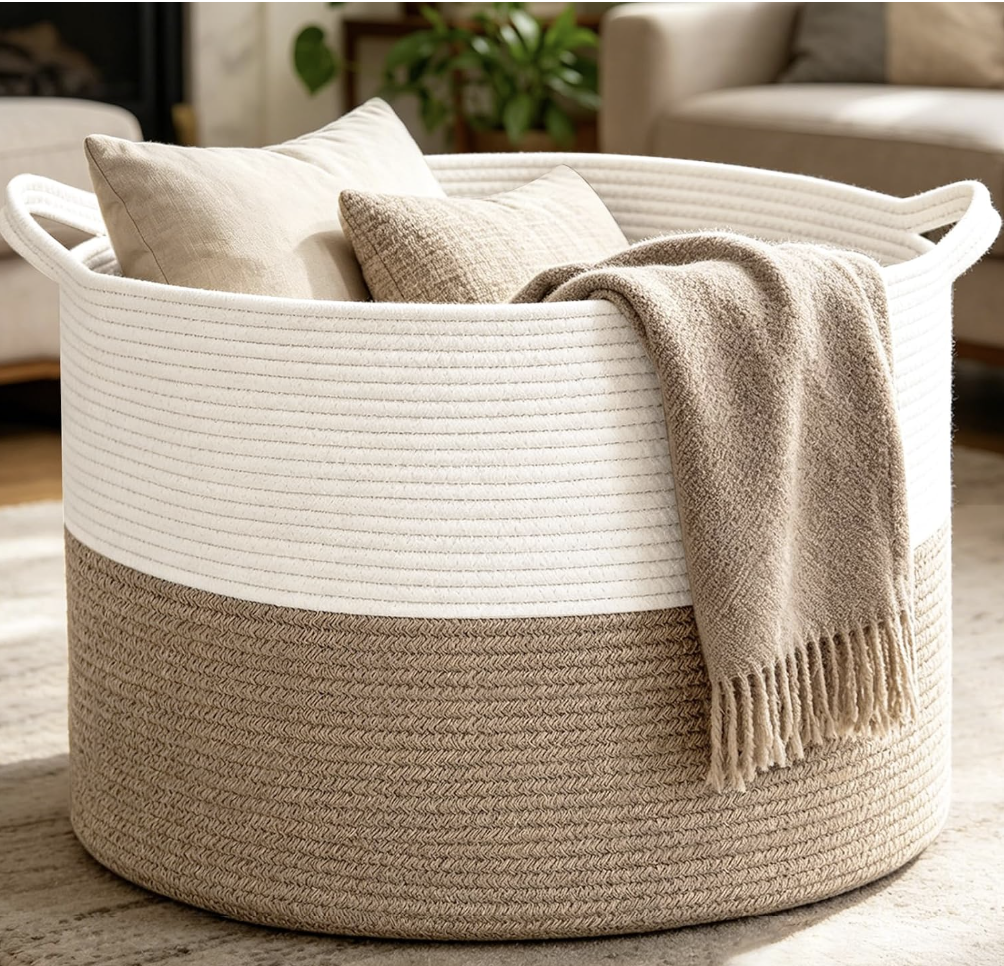
Give store returns, library books and borrowed items one place near the exit so they leave with you.
9. A compact emergency pouch
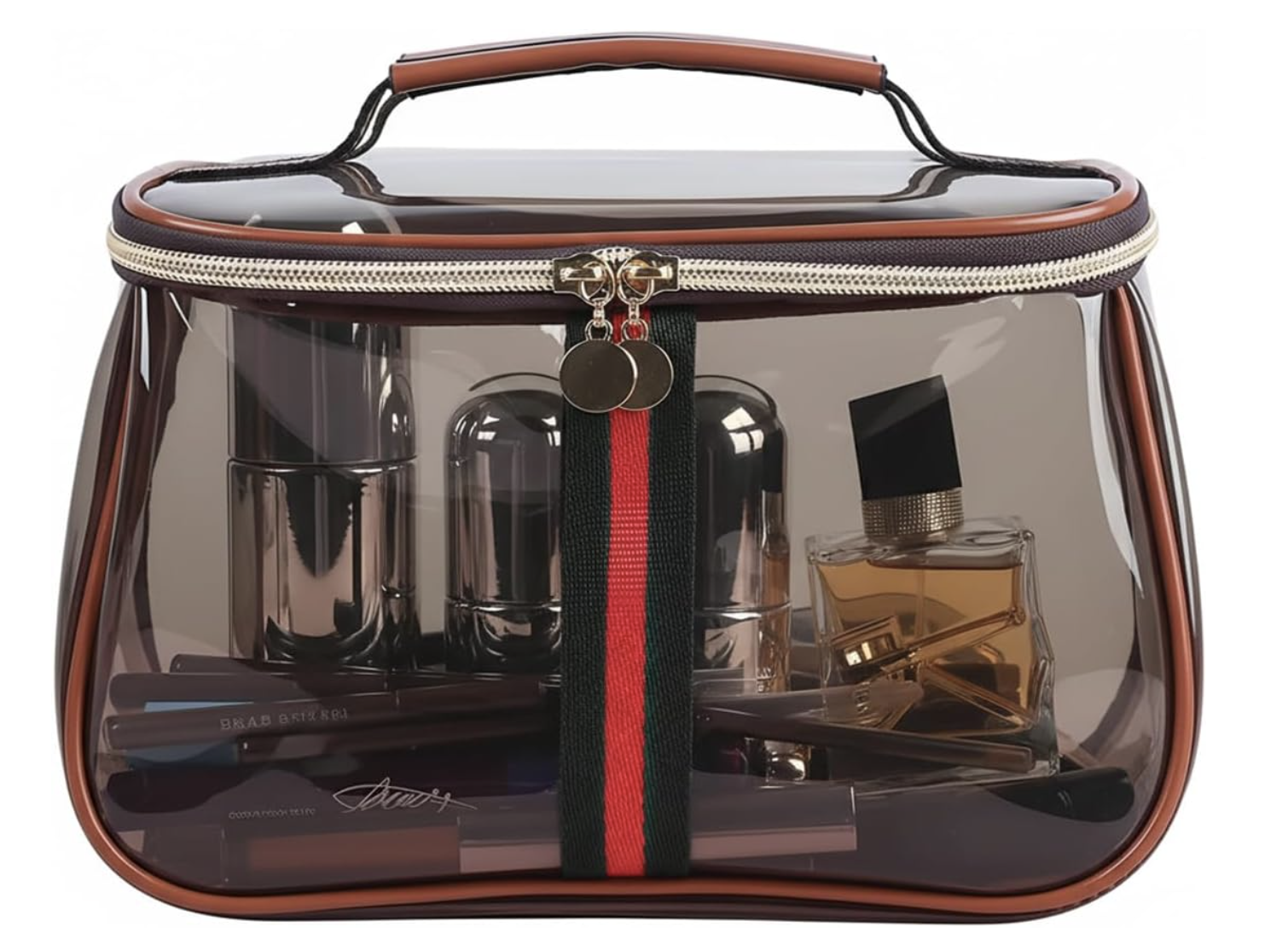
Include the items that solve your real problems: stain wipe, pain reliever, bandage, safety pin and hair tie.
10. A car trash container
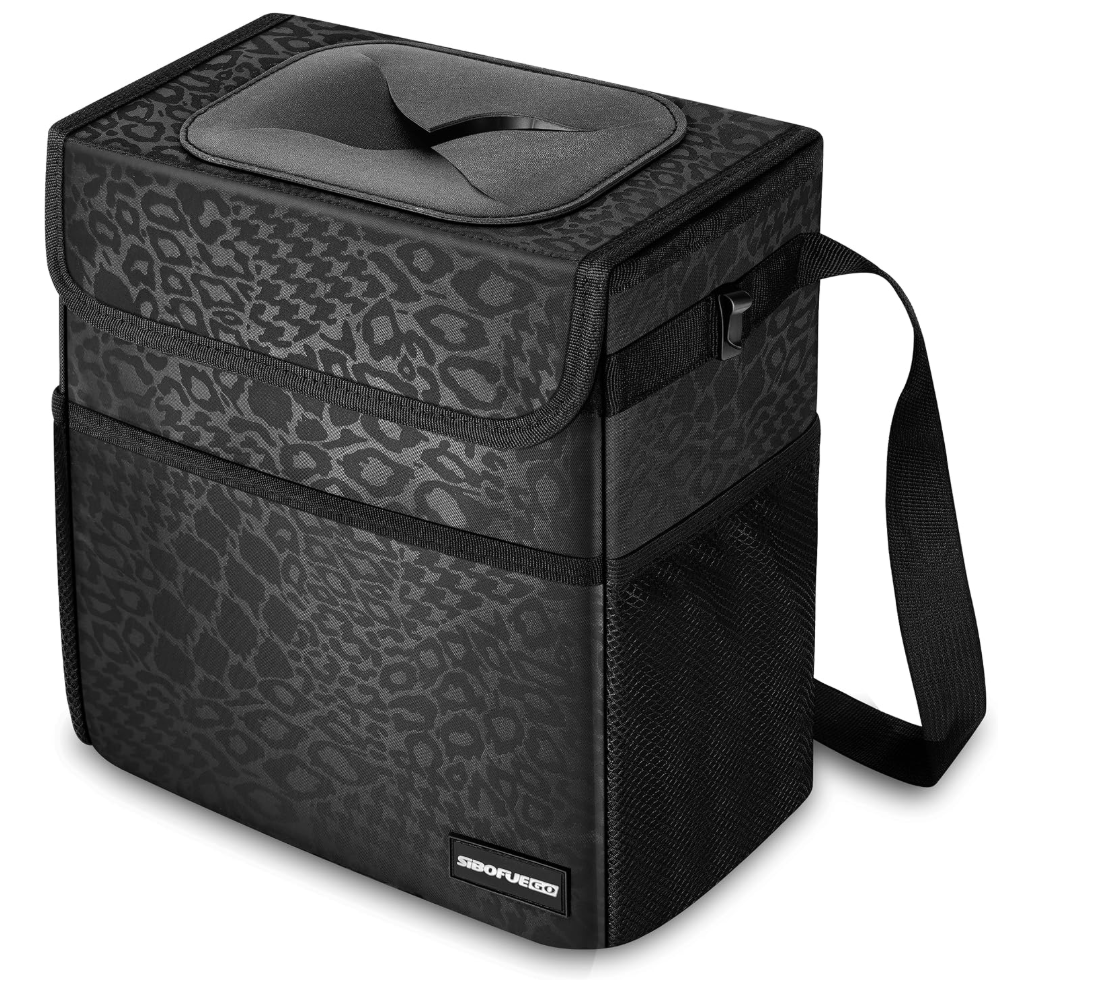
Receipts and wrappers stop migrating when disposal is easier than dropping them into a cup holder.
Paper, Money and Digital Life
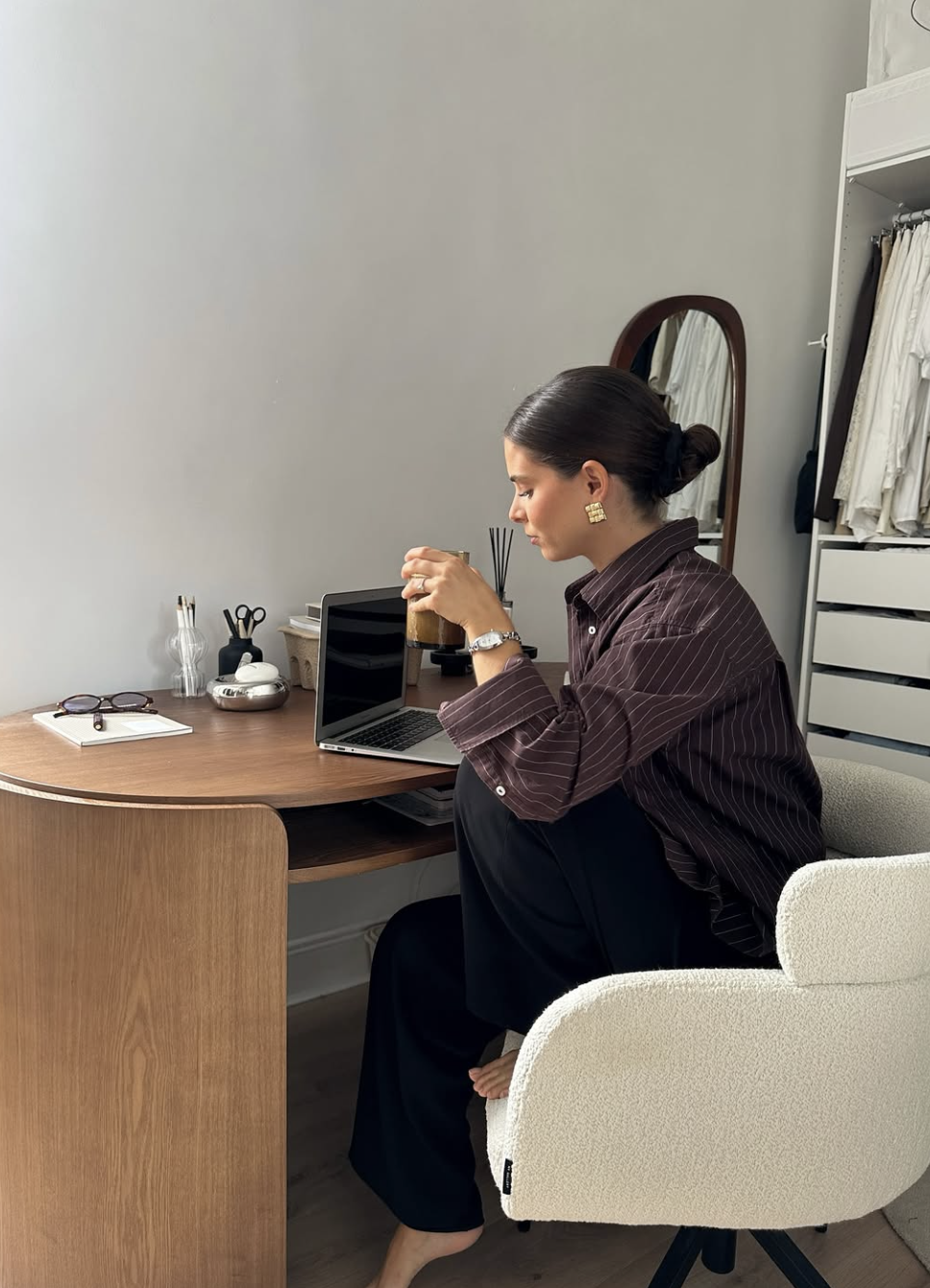
Photo Credit:@ twentysixpline
11. An inbox for action papers

One tray holds the papers that require a response. File or recycle everything else immediately.
12. A small file system
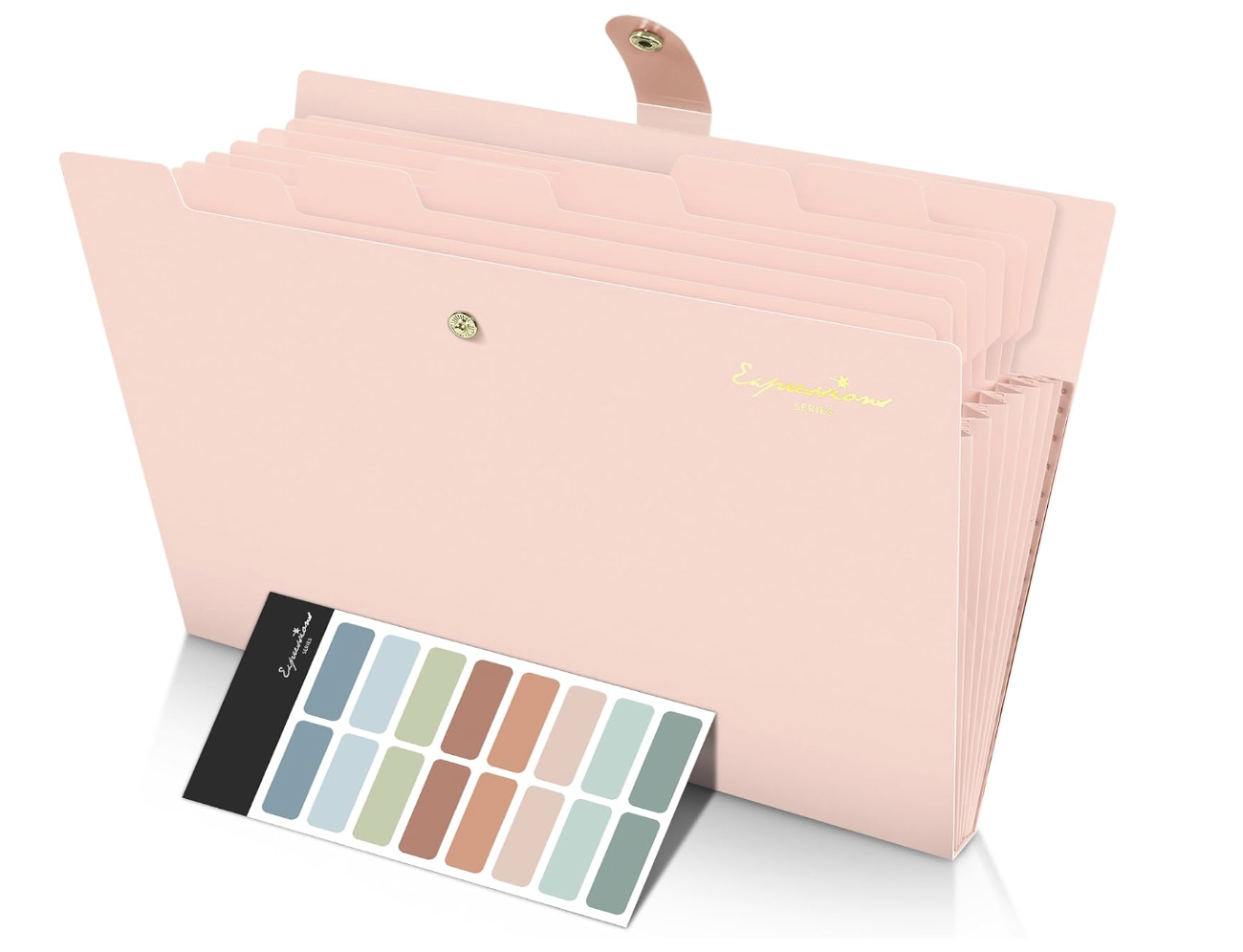
Use broad categories—home, taxes, medical, warranties—so filing does not become its own complicated project.
13. A password manager
Secure, unique passwords are easier to maintain when they are not stored in screenshots or reused from memory.
14. Automatic bill payments with alerts
Automation helps, but alerts keep you aware of what is leaving the account.
15. A simple budget check-in
Review recent spending weekly instead of waiting for a stressful month-end surprise. Our smart-shopping guide is a useful companion.
16. A cloud photo-backup plan
Back up photos automatically, then delete duplicates and blurry screenshots during a regular cleanup.
17. A notes-app filing system
Pin the notes you use often and archive stale lists. Searchable does not have to mean chaotic.
Closet and Laundry
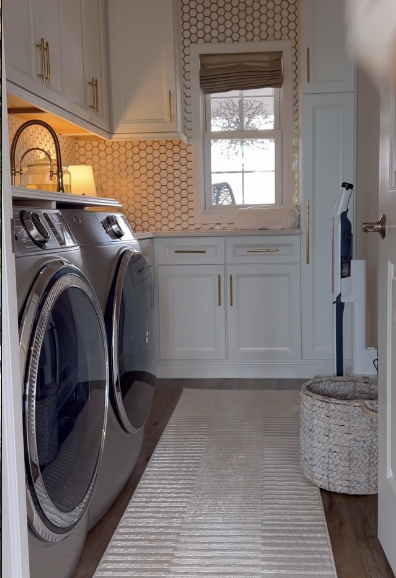
Photo Credit:@farahjmerhi
18. Matching hangers
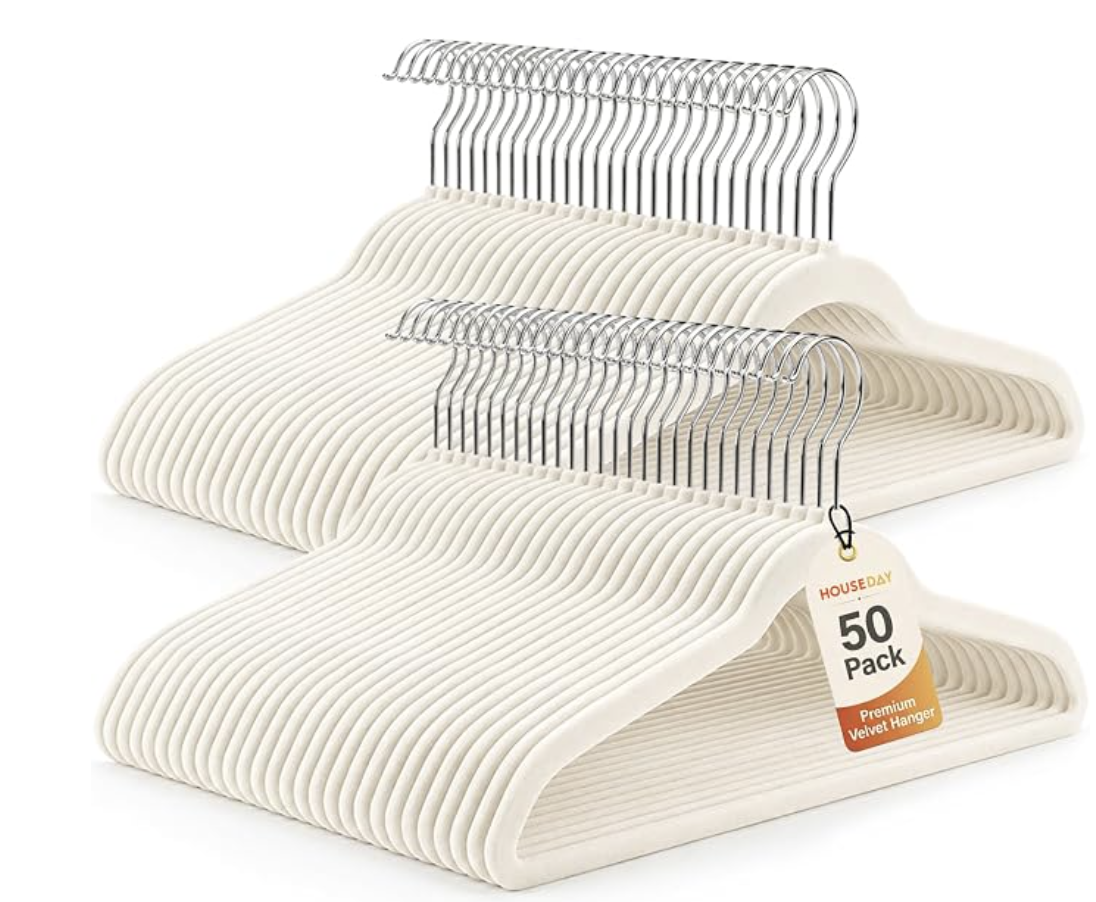
Matching hangers create a clean sightline and consistent spacing. They also make it easier to notice when the rail is overcrowded.
19. A donation bag in progress
Keep one labeled bag in the closet and add items as you decide they no longer work.
20. A mending basket
Loose buttons and small repairs need a defined waiting area and a deadline. If you will not repair it, release it.
21. Divided laundry
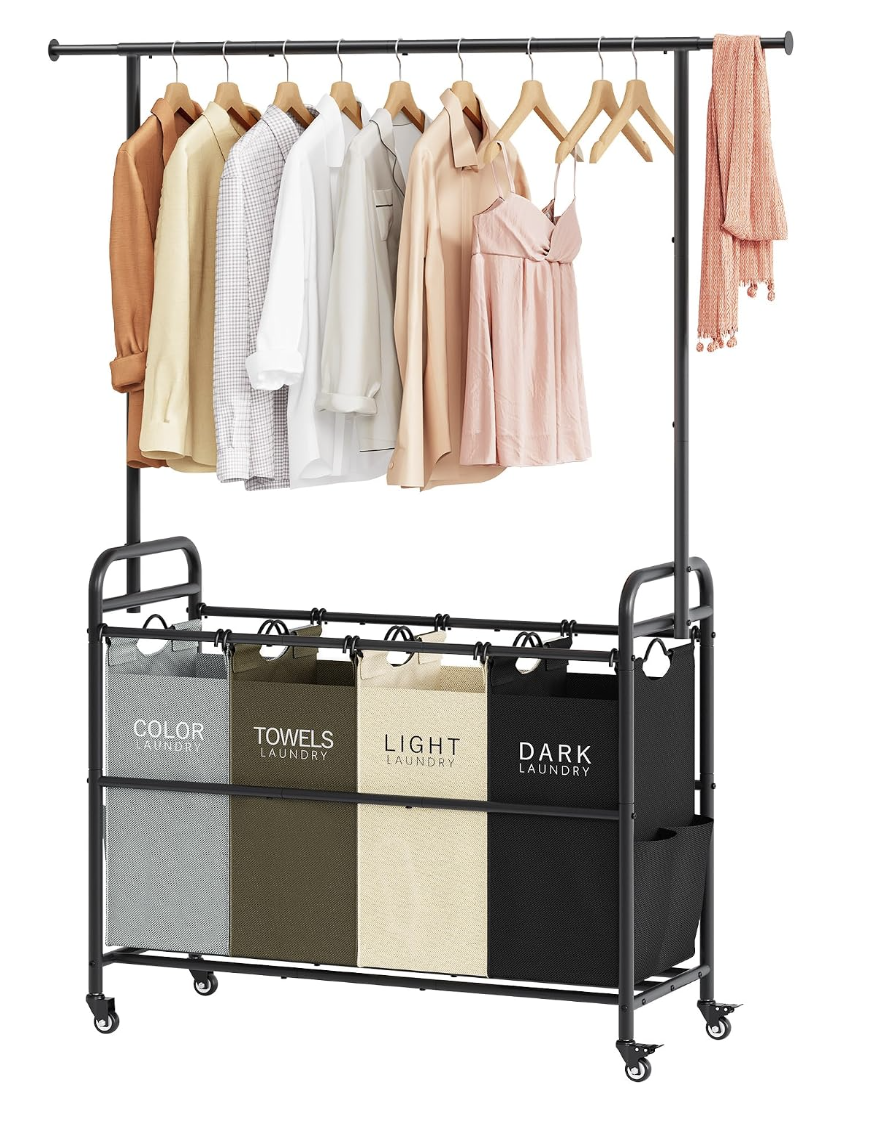
Sort at the hamper so laundry day does not begin with a floor pile.
22. A garment-care kit
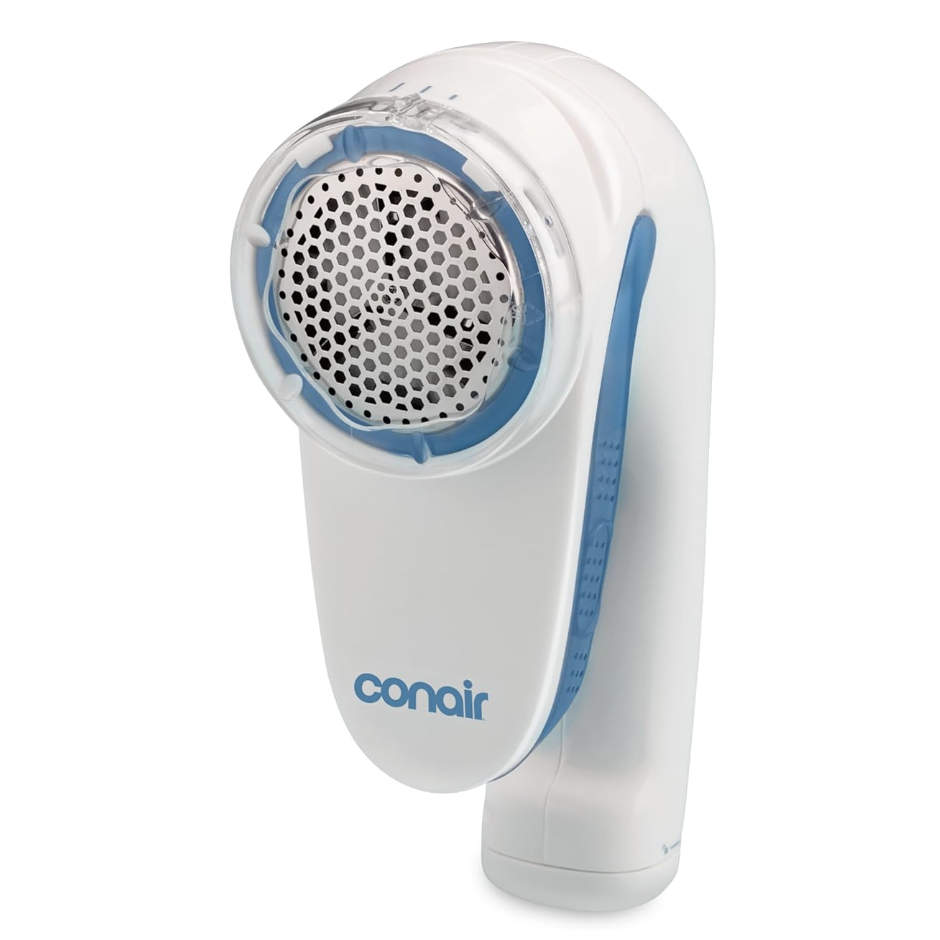
A lint roller, fabric shaver, steamer and stain treatment help the clothes you own look better longer.
Home Systems

Photo Credit:America M
23. A home for cleaning supplies
Keep everyday supplies close to where they are used, but store chemicals safely and according to their labels.
24. A “use first” food bin
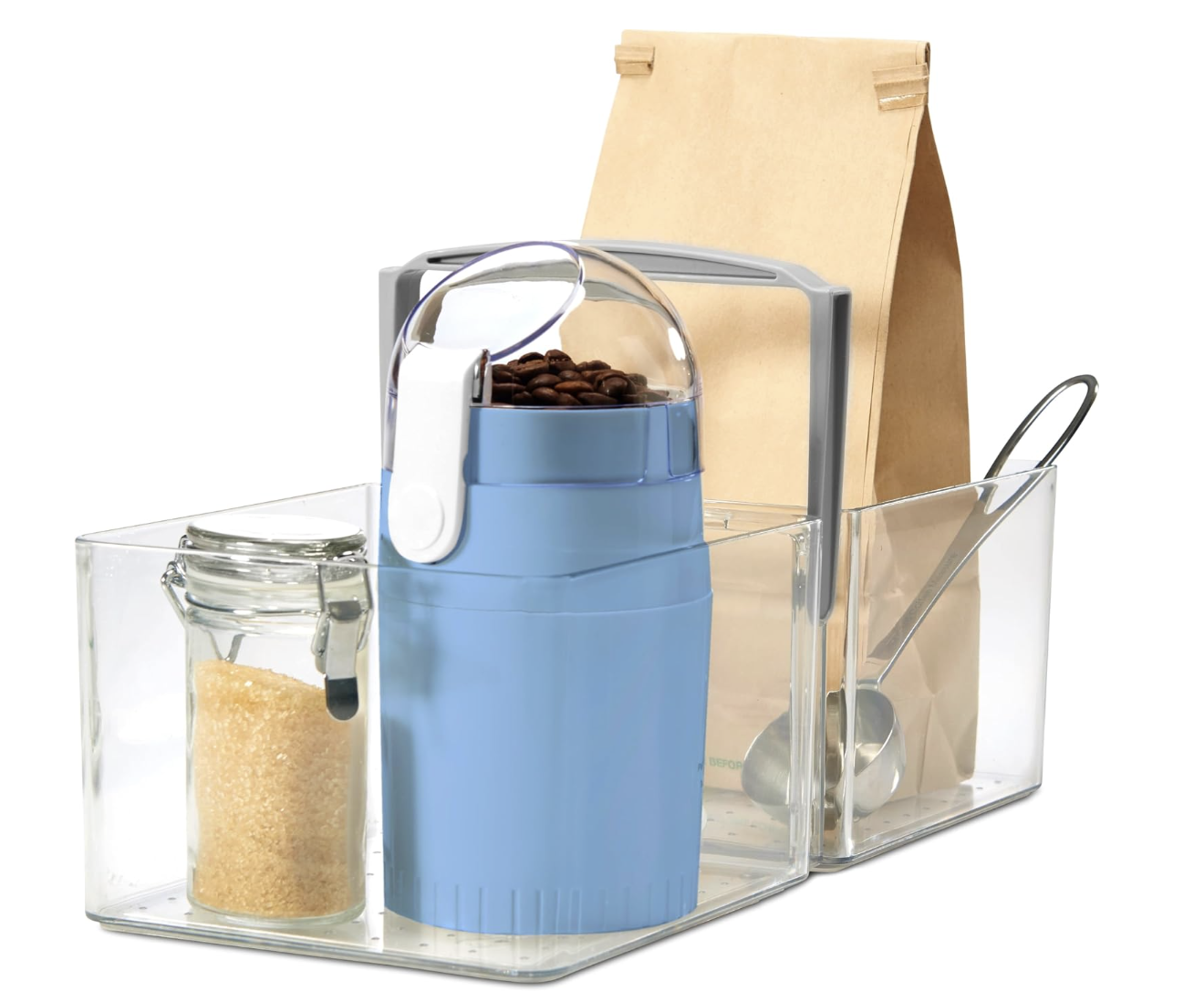
Put produce, leftovers and open packages that should be eaten soon in one visible refrigerator zone.
25. A backup-supplies limit
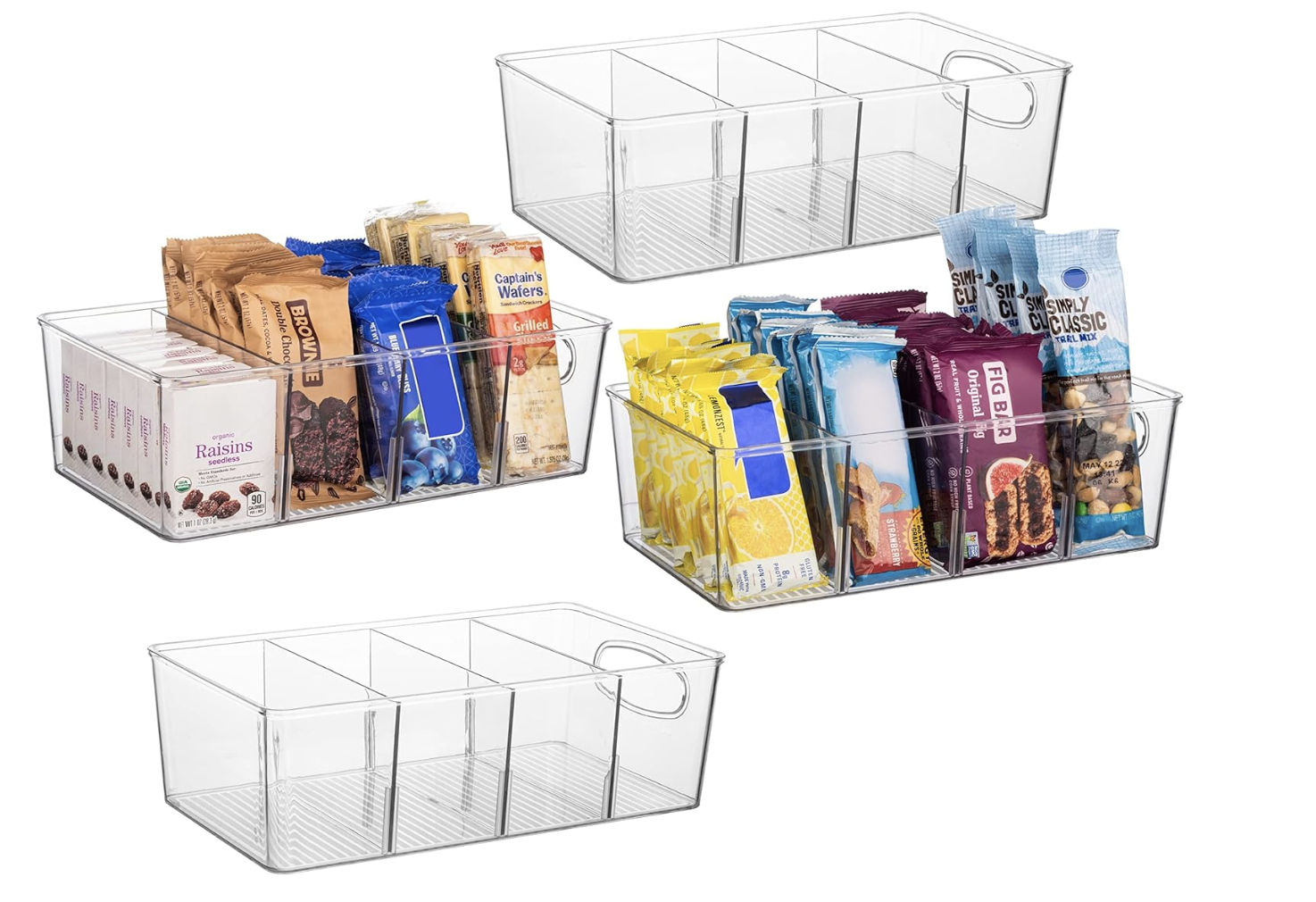
Choose a reasonable maximum for paper goods, toiletries and pantry staples so backups do not become clutter.
26. A labeled battery and bulb box
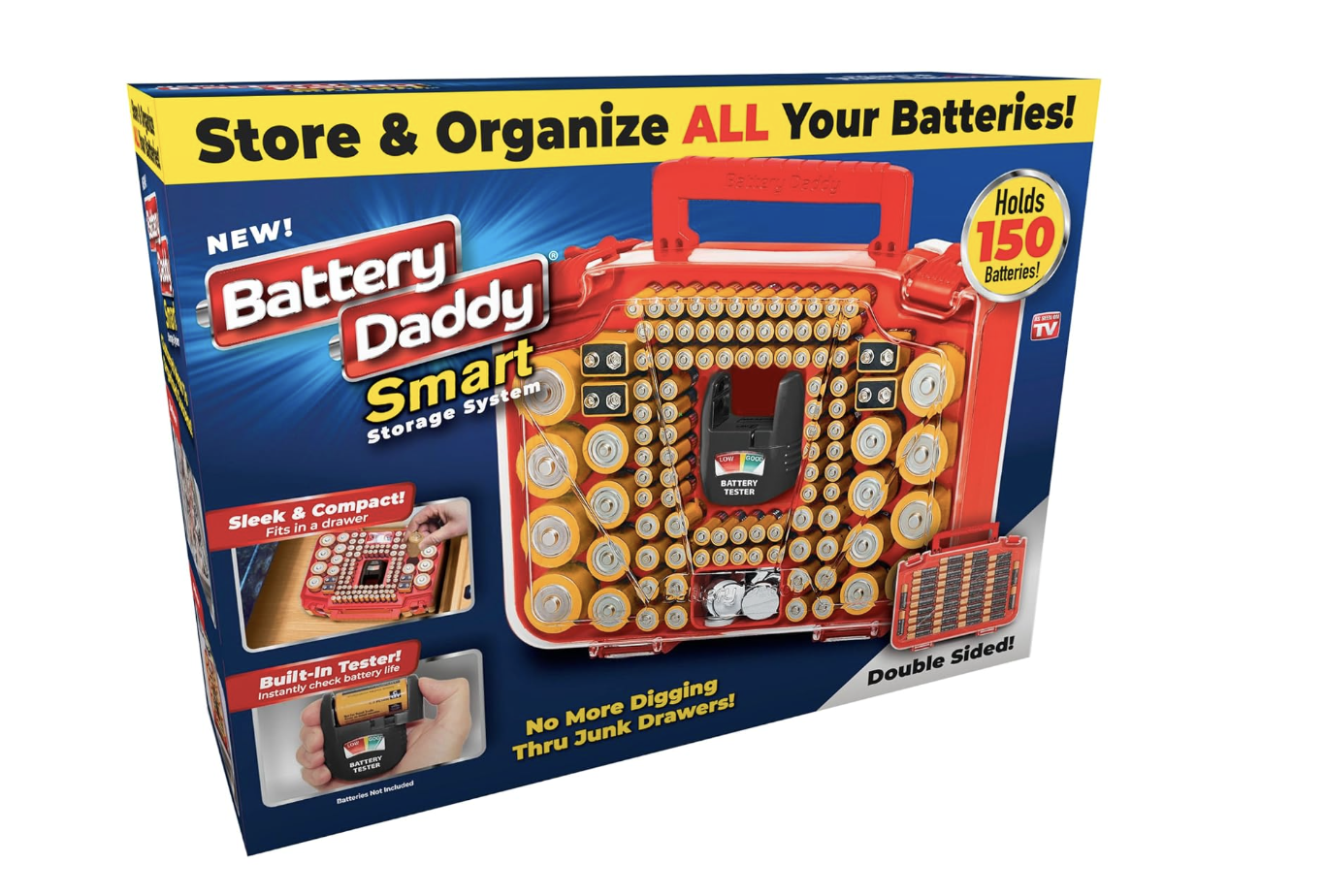
Keep replacements together and recycle used batteries through an appropriate local program.
27. A basic tool kit
A screwdriver set, tape measure, level, pliers and hammer solve most small household tasks without a frantic search.
28. A guest-ready linen set
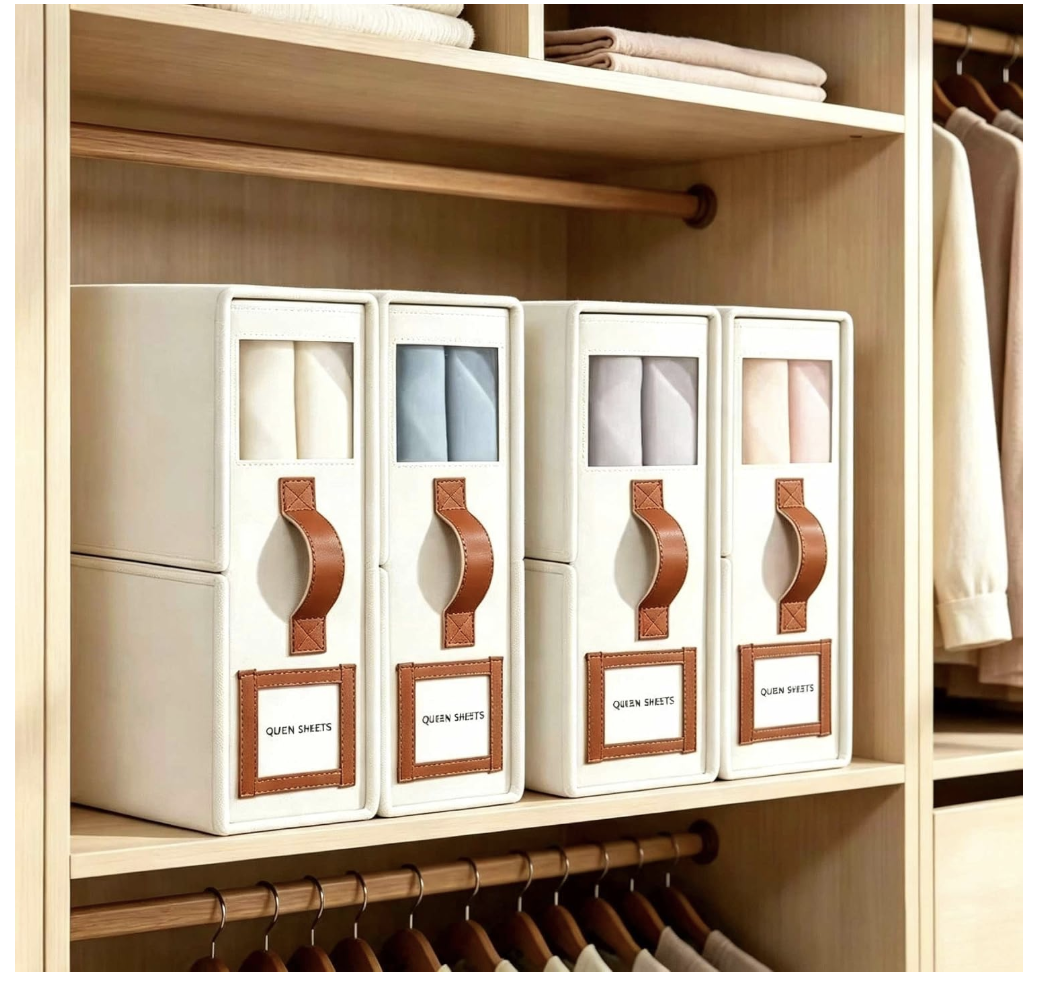
Store one clean set together so an overnight guest does not trigger a closet excavation.
29. A drop zone for unfinished projects
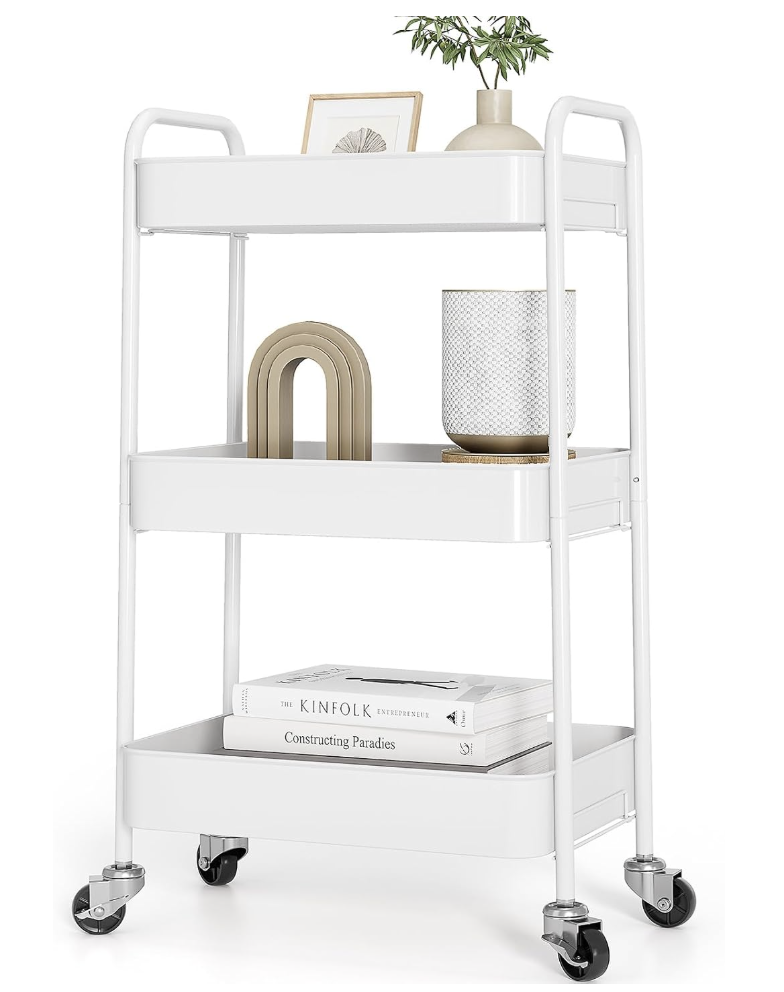
Use one basket or cart per active project. A boundary keeps supplies contained and shows when too many projects are open.
30. A ten-minute evening reset
Return wandering items, clear the sink and prepare the first thing tomorrow needs. This is maintenance, not a full clean.
31. Empty space
The most overlooked organization essential is margin. An empty shelf section or drawer gives daily life room to change without collapsing the system.
✦ Creator images used for editorial purposes only. All rights belong to their respective creators. We always link and give credit.
✦ Check Out Our Men's Site
Trending on MensOutfitsDaily