
21 Little Habits That Made My Morning Less Stressful

Photo Credit:@pamzokuhle
I used to think a calmer morning required becoming a completely different woman—one who woke up before sunrise, loved green juice and somehow finished a full workout before the rest of the house made a sound. In real life, I was hitting snooze, checking one notification that turned into twenty minutes of scrolling and standing in front of my closet at the exact time I was supposed to be leaving.
The problem was not that I needed a more impressive routine. I needed fewer opportunities for the morning to go sideways. When the outfit was already chosen, the bag was sitting by the door and breakfast did not require a decision, I stopped beginning the day in a negotiation with myself. Even a ten-minute exit buffer made me feel like a person who had her life together instead of someone chasing it down the driveway.
None of the habits that helped were dramatic. Most take less than five minutes, and several happen the night before. But together, they create something mornings desperately need: breathing room.
These little morning habits are not meant to become another impossible routine to maintain. Think of them as places to remove friction. Choose the two or three that solve the part of your morning that always seems to unravel, try them for a week and leave the rest alone until you actually need them.
1. Check tomorrow’s first commitment
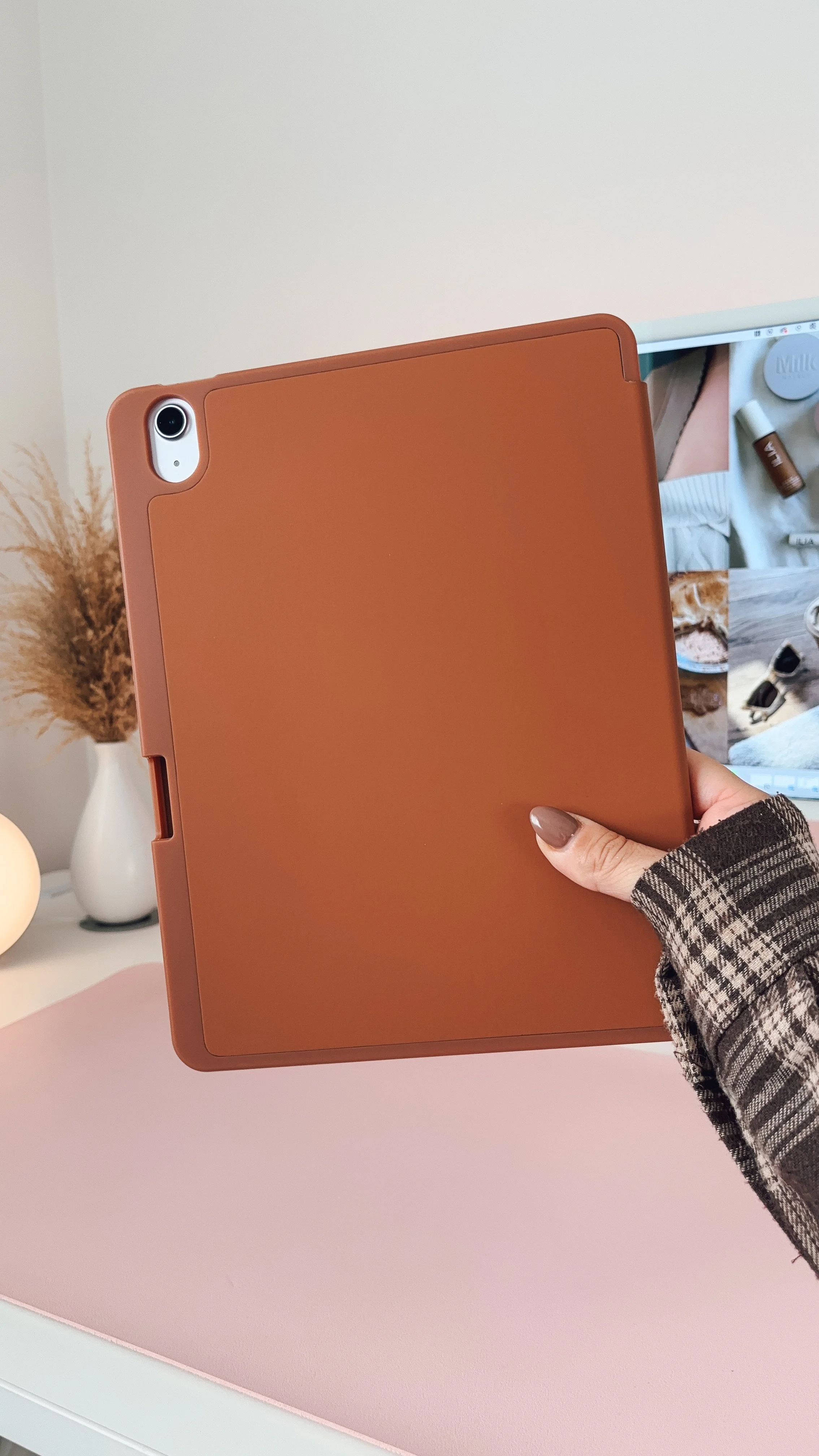
Photo Credit:Kyla Keller
One of the fastest ways to ruin a morning is to discover at 8:12 that the 8:30 appointment is across town—not on Zoom like you remembered. Before bed, look at the first thing that requires you to be somewhere or do something at a specific time. Confirm the address, start time, parking situation, call link and how long it realistically takes to get there.
This does not require a full review of tomorrow’s life. It is a ninety-second check that answers one useful question: What time do I need to be ready? Once you know that, you can work backward and stop relying on sleepy morning math.
2. Choose the outfit
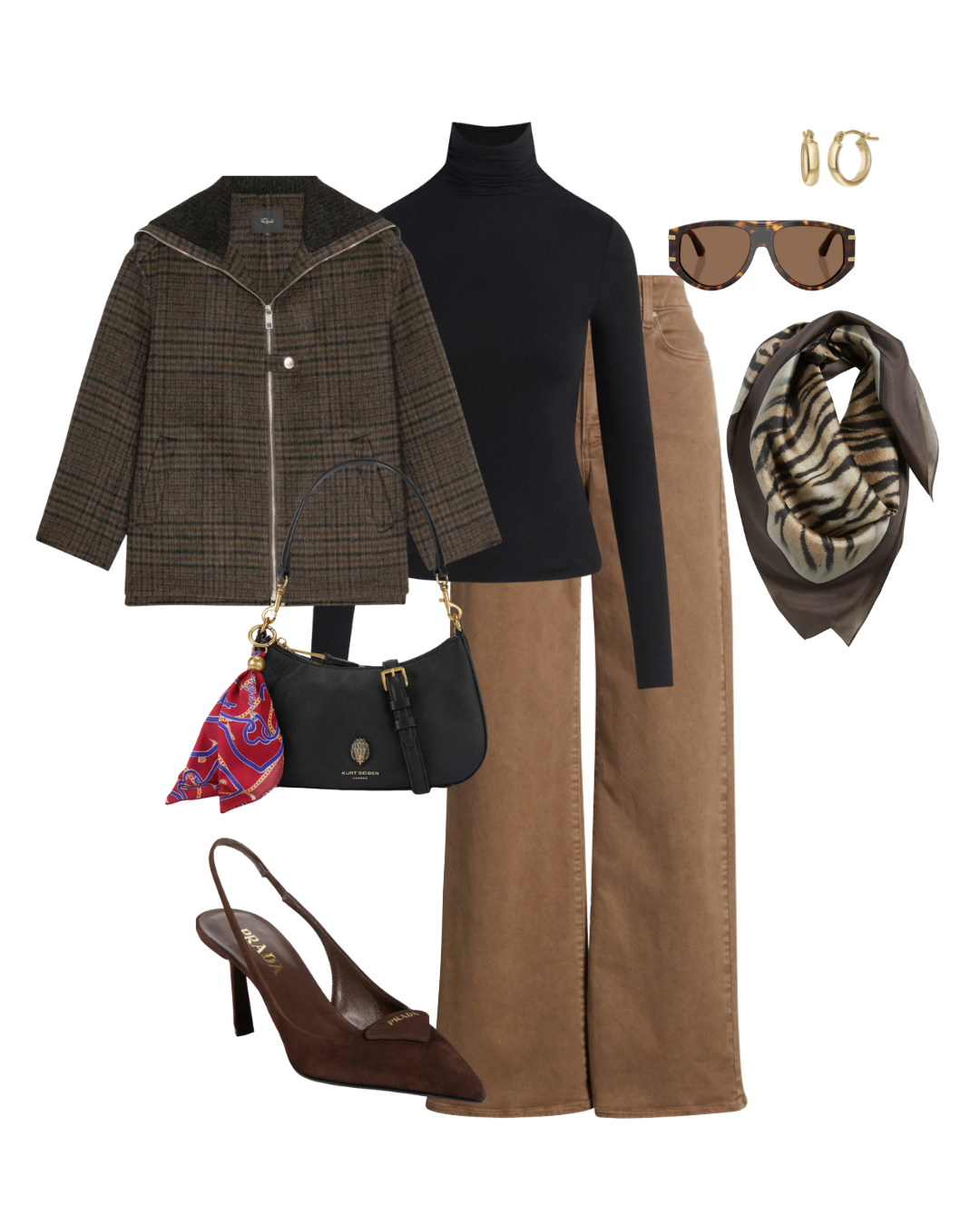
Choosing a top is not the same as choosing an outfit. I learned this after too many mornings spent fully dressed from the waist up while searching for the right bra, steaming pants and realizing the shoes I wanted were still in the car. Check the weather and lay out the whole thing: underlayers, clothes, shoes, jacket and any jewelry you already know you want to wear.
If your schedule might change, prepare one reliable backup instead of planning five imaginary outfits. A dress and sandals or jeans, a knit top and loafers can save you when the original look suddenly feels wrong. Our five-step getting-dressed guide can help you build that kind of easy outfit formula.
3. Pack the leaving-the-house bag
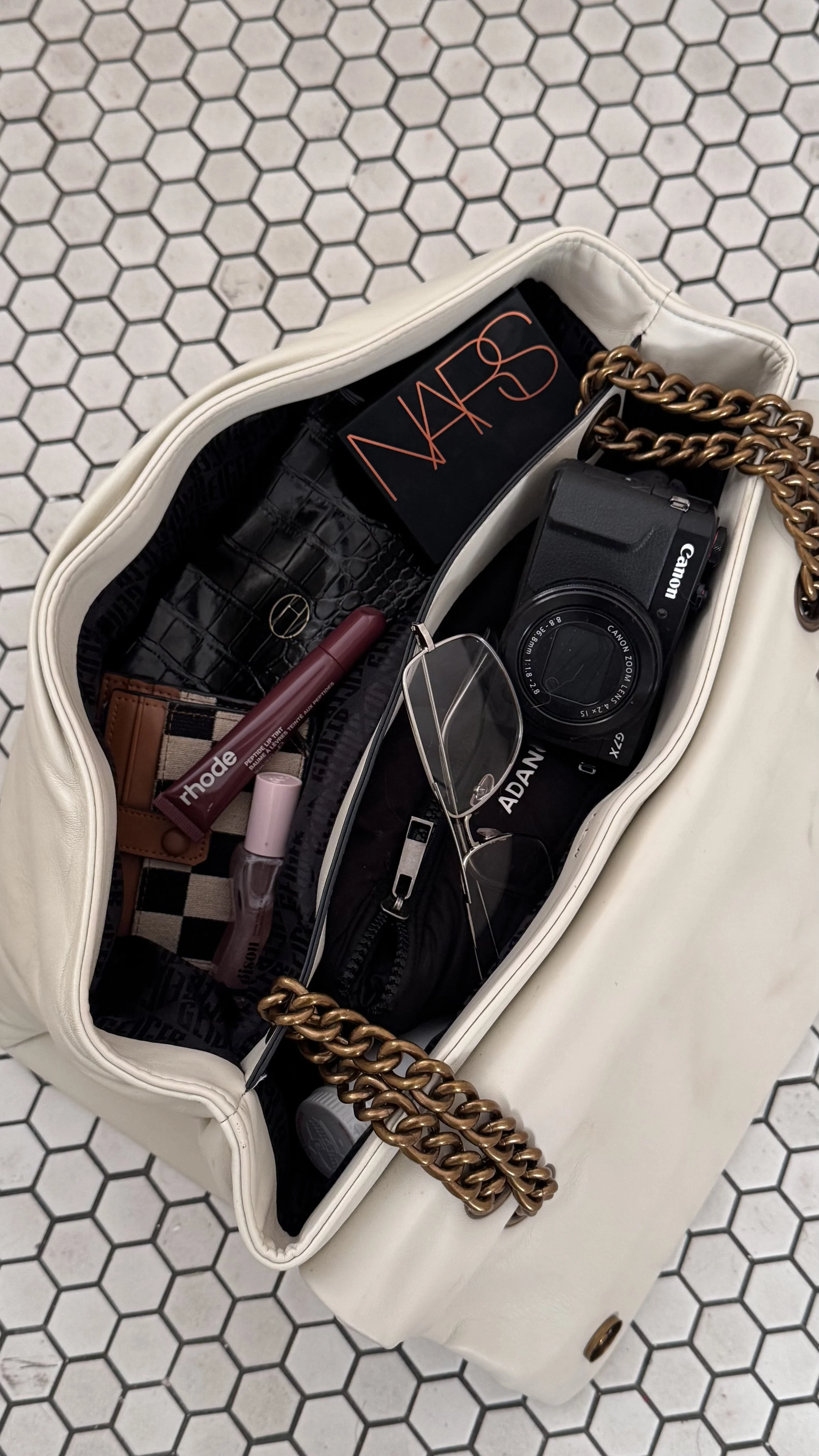
Photo Credit:Ajaila Walker
I used to “pack” by creating several neat piles around the house and trusting Morning Me to remember all of them. Morning Me did not. Now, anything that needs to leave with me goes inside the bag or directly beside it: keys, wallet, charger, paperwork, returns and whatever random item someone asked me to bring.
If you switch handbags often, keep the true essentials in one small zip pouch so they move together. Put anything refrigerated lunch, medication or a drink on a written note attached to the bag or directly in front of the door. The goal is to stop doing a scavenger hunt when the clock is already winning.
4. Put breakfast where you can see it
Breakfast becomes much easier when it is visible before you are hungry and rushed. Group tomorrow’s ingredients on one refrigerator shelf, place the fruit beside the yogurt or set the oatmeal bowl near the kettle. You are not meal-prepping for an imaginary wellness commercial; you are making the easiest option obvious.
This works especially well if your mornings involve other people. A small breakfast zone lets everyone see what is available without asking you to manage another decision. Even putting the travel mug beside the coffee maker can be enough to prevent the “I forgot to eat, so now I am buying a muffin at 10:30” situation.
5. Write tomorrow’s top three

Photo Credit:Sivan Weitz
A long to-do list is not always a plan. Sometimes it is just twenty-seven ways to feel behind before breakfast. Before bed, write down the three things that would make tomorrow feel handled. I like one true priority, one maintenance task and one smaller win I can finish even if the day gets messy.
The point is to decide what matters before email, texts and social media begin volunteering other people’s priorities. Keep the complete brain-dump somewhere else if you need it, but let the short list guide the morning. When everything looks urgent, the day usually starts with whatever is loudest instead of what is important.
6. Charge the phone away from the bed
My phone beside the bed turns one innocent alarm into weather, email, Instagram and suddenly a detailed update on somebody I have not spoken to since high school. Moving the charger across the room creates just enough distance to interrupt that automatic sequence. I have to stand up to turn off the alarm, and once I am already standing, opening the curtains feels easier than crawling back into the scroll.
You do not have to ban the phone from the bedroom. Put it on a dresser, use do-not-disturb and allow calls from the people who may genuinely need you. The useful part is creating a small pause between waking up and letting the entire internet into your head.
7. Set a realistic bedtime cue
“I should go to bed early” is not a plan, especially when it is already 11:47 and you are halfway through an episode. Set a cue for the time you need to begin shutting things down—not the exact second you expect to be asleep. Give yourself enough room to wash your face, plug in the phone, check the doors and do the ordinary things that somehow take longer at night.
Keep the wind-down routine almost boring: dim a lamp, put on pajamas and finish the last small task. You do not need a twelve-step ritual with tea, stretching and a gratitude journal unless you truly enjoy those things. A routine only helps the morning if you can repeat it on a normal Tuesday.
Habits for the First 15 Minutes
8. Get light into the room

Photo Credit:Dana Bucur
The room can stay in nighttime mode long after you are technically awake. Open the curtains as soon as you get up, raise the blinds while the coffee brews or step onto the porch for a minute if the weather allows. It is a simple way to make the morning feel like it has actually started.
On dark or rainy mornings, turn on a warm lamp instead of sitting in a cave with only the glow of your phone. You are not trying to create a perfect sunrise routine. You are giving your brain and your space a visible transition from sleeping to starting.
9. Drink water before the second coffee decision
I am not asking anyone to give up coffee. I am asking you to place a glass of water beside it. Fill the glass the night before or keep a bottle where you make coffee or tea, then drink some while everything is brewing. Making water part of an existing ritual is easier than expecting yourself to remember it later.
There is no need to finish a giant motivational jug before 8 a.m. A few unhurried sips are enough to make the habit realistic. If plain water is never appealing, add lemon, use a straw cup you like or drink sparkling water with breakfast. The best version is the one you will actually reach for.
10. Make the bed simply
Making the bed used to feel like one more task people added to morning routines because it sounded disciplined. Then I realized the benefit was not the bed itself—it was returning to a bedroom that looked finished instead of abandoned. I pull up the duvet, straighten the pillows and stop there. No decorative pillow performance required.
Give it sixty seconds, and skip it if someone is still sleeping. This is not a moral achievement or proof that the day will be productive. It is a tiny visual reset that makes the room feel calmer when you walk back in later carrying three outfits you decided not to wear.
11. Keep the phone on do-not-disturb
The first notification has a way of choosing the mood of the entire morning. A work email creates urgency, a group chat creates ten new thoughts and social media makes everyone else’s day look fully underway while you are still brushing your teeth. Keep do-not-disturb on for the first fifteen or thirty minutes so you can enter your own life before reacting to everyone else’s.
Set favorite contacts to come through if you need to remain reachable. This is not about pretending responsibilities do not exist. It is about giving yourself a short protected window to get dressed, eat something and remember what you planned before opening the digital front door.
12. Move for five minutes

Photo Credit:@wynteralise
Five minutes of movement counts, even when it does not come with matching workout clothes or a calorie total. Stretch beside the bed, take the dog around the block, walk while the coffee brews or do the same handful of mobility exercises every morning. The goal is not to squeeze an entire fitness identity into a busy schedule. It is to help your body feel less like it went directly from asleep to seated.
Make a tiny menu so you do not have to invent the habit every day: walk, stretch or one favorite song in the kitchen. If five minutes naturally becomes twenty, wonderful. If it stays five, it still did its job because you actually repeated it.
13. Put something nourishing within reach
The breakfast you consistently eat is more useful than the gorgeous recipe whose ingredients expire untouched. Keep two or three low-effort options available: yogurt and fruit, eggs and toast, overnight oats, a smoothie pack or a snack you can take with you. “Nourishing” does not have to mean elaborate. It means giving yourself something more substantial than the last sip of coffee.
Pay attention to where the habit fails. If you run out of time, choose a portable option. If you forget, place it at eye level. If you are not hungry immediately, pack something for later instead of forcing breakfast on a schedule that does not suit you. Build the solution around your real morning.
14. Use one easy beauty routine
There is a special kind of morning chaos that begins when you decide to test a new eyeliner technique eight minutes before leaving. Keep the products you use most on one small tray and follow the same basic order: skincare, complexion, brows, lashes and lip—or whatever five steps make you feel ready. Save experiments for a morning when one crooked wing will not become a crisis.
You can still make the routine feel different with one easy switch, such as a brighter lip or a cream blush. The structure stays familiar while the finish changes. Our five-minute beauty routine has more ideas for creating a polished look without turning the bathroom counter into backstage at Fashion Week.
Habits That Protect the Schedule
15. Build in a ten-minute exit buffer

If I need to leave at 8:20, I cannot begin looking for my shoes at 8:20. I treat the real departure time as ten minutes earlier and aim to be completely ready by then. That small cushion absorbs the missing earring, the package that needs to go out, the coffee spill and the moment someone suddenly remembers they need a signed form.
Write the earlier time on a sticky note or set a quiet “wrap it up” alarm. Do not use the buffer to start another task; protect it for the little delays that appear whether you planned for them or not. Arriving without the feeling that you have been chased there is worth those ten minutes.
16. Finish one room before entering another
My rushed mornings used to leave a breadcrumb trail: cabinet open, mug on the bathroom counter, mascara in the bedroom and half a breakfast beside the sink. Finishing one small loop before walking into the next room keeps that trail from becoming the mess you meet later. Put the dish in the dishwasher, return the product to the tray or hang the pajamas before moving on.
This is not permission to start cleaning the whole kitchen. Use a one-minute rule: close what you opened and finish only the task already in your hands. The moment you begin wiping every counter or reorganizing a drawer, the habit has stopped protecting the schedule.
17. Use a launch pad by the door
The launch pad is simply the place where everything required to leave the house meets. It can be a console table, a basket, two hooks or one corner of the counter. Keys, sunglasses and the day’s bag go there every time—not wherever your hand happens to release them.
Keep the setup small enough that it does not become another clutter pile. If an item does not leave the house regularly, it needs a different home. Add a visible note for refrigerated items or place the lunch bag in front of the door only when it is time to leave. The system works because you can scan one spot and know whether you are ready.
18. Repeat two default breakfasts
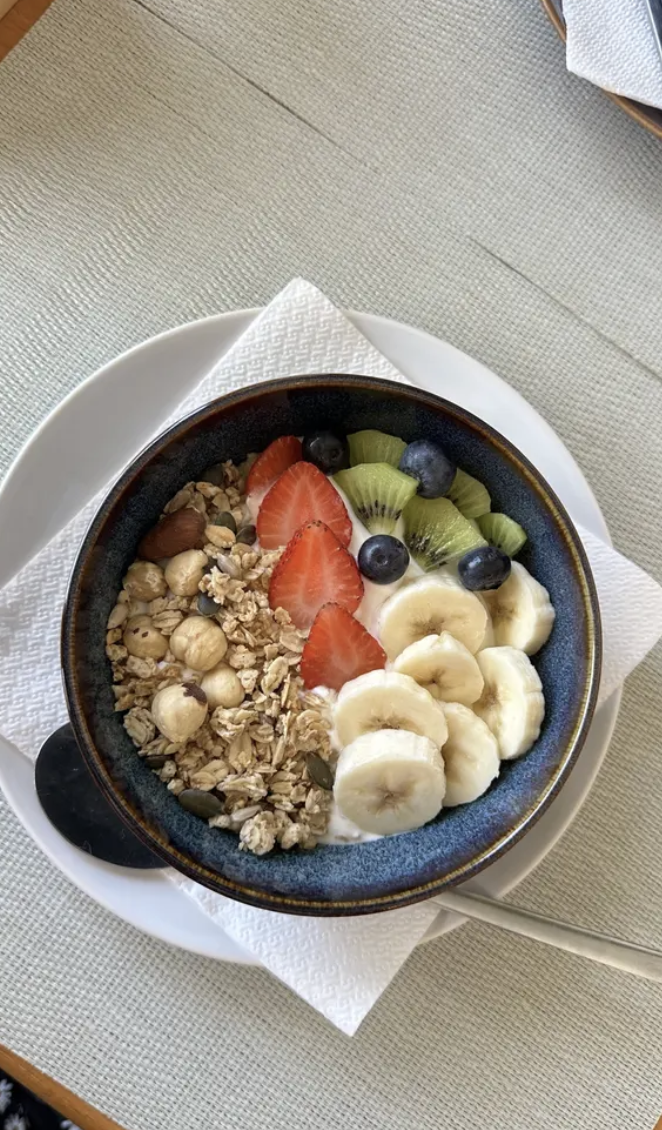
Photo Credit:Solange Rodrigues
Having two default breakfasts sounds boring until you experience the luxury of not standing in front of the refrigerator conducting a meeting with yourself. Choose one sit-down option and one portable option using foods you already like. Maybe it is eggs and toast when you have ten minutes, then yogurt and fruit when you do not.
Defaults are not rules. Brunch, leftovers and a spontaneous pastry are still allowed. They simply answer the question on ordinary mornings when you do not have the time or interest to be creative. Keep the ingredients on the regular grocery list so the system does not disappear the first time you run out of granola.
19. Batch tiny decisions
Many stressful mornings are not derailed by one major problem. They are crowded by twelve tiny decisions: which snack to take, whether the water bottle is clean, where the charger went and what needs to be restocked. Pick one short block each week to handle the decisions that repeat. Wash the travel mugs, portion a few snacks, refill everyday supplies and check what is missing before the week begins.
Keep the batch small and connected to your actual routine. This is not a Sunday reset that consumes the entire Sunday. Twenty focused minutes should buy back time throughout the week—not create a new lifestyle project you resent maintaining.
20. Say the next step out loud
When my brain starts shouting six instructions at once—answer the text, find the keys, rinse the mug, grab the package—I say the next physical step out loud: “Put on shoes.” Then I do only that. Naming one action interrupts the mental pileup and gives the morning somewhere concrete to go.
Use simple language a tired brain can follow: “Teeth, then clothes.” “Lunch in bag.” “Keys, then leave.” It may feel a little silly, but it is surprisingly effective when you are distracted, overwhelmed or trying to coordinate several people. You do not need to solve the entire morning at once. You need to complete the next visible step.
21. Leave one thing undone on purpose
This may be the habit that changed my mornings most: I stopped treating every unfinished task as an emergency. The breakfast dish can soak. The laundry can stay in the dryer. The email that arrived while I was putting on mascara can wait until the workday begins. Decide what is allowed to remain unfinished before guilt turns it into one more delay.
Leaving something undone on purpose is different from forgetting it. Put it on the later list, set a reminder if necessary and walk away knowing you made a choice. A calmer morning is not one in which the entire house and inbox are resolved before 9 a.m. It is one in which you know what matters now—and what can wait.
A Better Morning Is Usually a Quieter System
You do not need to adopt all 21 healthy morning habits on Monday. In fact, trying to do that would recreate the exact pressure this list is meant to remove. Start with the place your morning reliably breaks down. If getting dressed takes too long, choose the outfit. If you always forget something, build the launch pad. If the clock surprises you every day, protect the exit buffer.
The best morning routine is not the prettiest or earliest one. It is the one that leaves enough room for a missing shoe, a slow cup of coffee and a human mood without convincing you that the entire day is ruined. Build that quieter system one habit at a time, and stop adding steps when the morning already feels lighter.


✦ Creator images used for editorial purposes only. All rights belong to their respective creators. We always link and give credit.
✦ Check Out Our Men's Site
Trending on MensOutfitsDaily