
I Started Paying Attention to Frugal Women. They Rarely Pay Full Price for These Things.

Photo Credit:@aaliyahjay
I learned the difference between being frugal and simply buying cheap after one too many “amazing deals” showed up at my door. The shoes were 60 percent off but uncomfortable. The kitchen gadget was on a flash sale but lived in the cabinet. And the trendy top I congratulated myself for saving money on still had the tags attached six months later. Technically, I had paid less. Realistically, I had spent money on things I did not use.
The women who are genuinely good with money shop differently. They are not standing in the aisle calculating every penny or refusing themselves anything fun. They know which purchases follow predictable sale cycles, which categories are better secondhand and when waiting a week will reveal whether something is a need or just a mood. Most importantly, they do not let a red sale banner make the decision for them. That is the kind of frugal living advice behind this list: strategic, realistic and still compatible with enjoying your life.
“Never” is a headline, not a financial commandment. If waiting creates a safety problem, an urgent need or more cost, buy what you need. For ordinary purchases, these are the categories where patience often pays.
1. Holiday décor

Photo Credit:@nikimariephoto
Holiday décor is designed to make you feel late. The displays appear before the season begins, the prettiest pieces sit at the front of the store and suddenly it feels as if your home cannot possibly celebrate without a new set of velvet pumpkins or matching Christmas-tree collars. Frugal women give themselves permission to enjoy what they already own before shopping for more.
If you genuinely need something, make a short list while decorating so you know exactly what to look for when seasonal merchandise is marked down. Focus on pieces you would still want next year—plain wreaths, warm lights, neutral table linens or storage for the decorations you already love. Clearance is not useful when it sends home six glitter reindeer that create another storage problem in January.
2. Gift wrap and cards
Gift wrap is one of those categories where the tiny purchases quietly multiply. A roll of paper, tissue, ribbon, a bag and a card can turn a thoughtful $25 gift into a $40 errand. Instead of buying a new theme for every occasion, keep a small wrapping kit built around solid paper, simple bags and ribbon that works for birthdays, showers and holidays.
Buy specialty paper only when you know it will be used, and check post-holiday clearance for versatile colors rather than designs that make sense once a year. Save good gift bags and tissue paper instead of automatically throwing them away. This is not about keeping a closet full of crumpled bows; it is about having enough on hand that a last-minute invitation does not require a second shopping trip.
3. Full-size beauty without trying it
Beauty shopping gets expensive when hope is doing more work than the formula. The foundation looked perfect under store lighting, the viral serum promised glass skin and the jumbo shampoo was technically the best value—until the shade oxidized, the serum irritated your face or the fragrance gave you a headache. A product you cannot comfortably use is not a bargain at any size.
Test the sample, buy the mini or choose a retailer with a clear return policy before committing to the largest bottle. For color cosmetics, wear the shade through an ordinary day and check it in natural light. Save value sets for products you already finish consistently. Frugal beauty is not about purchasing the cheapest option; it is about paying for the product that will actually make it out of the drawer.
4. Trend-led clothes at launch
A new trend can make everything already hanging in your closet feel suspiciously wrong. Suddenly the jeans are not wide enough, the shoes are not red enough and every outfit on your feed appears to require a jacket you had never considered until three days ago. That urgency is exactly why waiting helps.
Save the item and give it at least a week. During that time, build three outfits with pieces you already own and ask whether the trend fits your actual schedule, climate and comfort level. If it survives the pause, compare retailers or look for a lower-cost interpretation before investing. Our smart-shopping rules can help separate a wardrobe update from a temporary internet crush. The goal is not to avoid trends—it is to buy the ones that feel like you after the algorithm moves on.
5. Basic tees in single units

Photo Credit:@lucky_girl_h
Basics are easy to overpay for because each individual purchase feels harmless. Then you realize you have bought the same white T-shirt four different times while searching for one that is not sheer, too cropped or mysteriously twisted after one wash. Before buying another, decide what your version of a good basic actually requires: neckline, sleeve length, fabric weight, opacity and the rise of the pants you normally wear with it.
Once you find the cut you consistently reach for, watch for multipacks or a storewide promotion and replace only the colors that are genuinely worn out. Do not buy five because the bundle price looks impressive if you only need two. Cost per wear improves when the fit is right—not simply when the price per shirt is lower.
6. Designer sunglasses without comparison shopping
Designer sunglasses are one of the easiest accessories to romanticize. They are small, instantly visible and somehow capable of making a grocery-store parking lot feel like an airport arrival scene. They are also sold by enough retailers that paying the first price you see rarely makes sense.
Write down the exact model number, lens color and size, then compare reputable authorized sellers, department-store promotions and previous-season colorways. Check the final price after shipping, the return window and whether the case and warranty are included. Skip marketplaces where authenticity or condition is uncertain just to save another twenty dollars. The frugal move is not finding the lowest number on the internet; it is buying the real pair, in the right fit, from somewhere that will help if they arrive crooked.
7. Luggage right before a trip
Nothing encourages panic-spending like opening the suitcase the night before a trip and discovering a broken zipper. When you shop under a departure deadline, almost any available bag starts to look reasonable. You are less likely to compare weight, wheel quality, interior layout or whether the carry-on dimensions work for the airline you actually use.
Inspect your luggage when you return from a trip, not when the next one begins. That gives you time to watch for promotions, compare warranties and read reviews that mention how the bag performs after more than one airport. Measure it instead of trusting the word “carry-on,” and include the empty weight in your decision. A heavily discounted suitcase that is awkward to roll or expensive to check can cost more every time you travel.
8. Small kitchen appliances on impulse
Small appliances sell an entire future version of you. The juicer suggests daily green juice, the bread maker suggests cozy Sunday loaves and the tiny waffle machine promises breakfasts nobody in the house has requested. The fantasy is powerful because the appliance feels like the shortcut to becoming that person.
Before buying, decide where it will live, how often you would realistically use it and which existing tool already performs a similar job. Borrow one from a friend, check a local resale listing or try the routine without the specialized machine first. If you still want it after several weeks, put the exact model on a watch list and buy during a genuine promotion. Counter space and cabinet space are part of the price, even when the receipt says 40 percent off.
9. Mattresses without a promotion window
A mattress is too expensive—and too personal—to choose because a countdown banner says the offer ends tonight. Many brands run promotions throughout the year, particularly around major shopping weekends, which gives you room to compare rather than treating one advertised sale as your only chance.
Look beyond the crossed-out price. Compare construction, firmness, delivery, removal of the old mattress, trial length, return fees and the steps required to qualify for a return. Visit a showroom when possible, even if you eventually order online, and take notes because every bed starts to feel comfortable after a full afternoon of testing them. If your current mattress is causing a serious comfort or safety issue, do not delay a necessary replacement just to win a sale. Frugality includes knowing when waiting costs too much.
10. Furniture before checking resale
The exact dresser or dining table you want may already exist five miles away—assembled, broken in and priced far below a new version. Resale is especially useful for solid-wood pieces, side tables, mirrors, desks and furniture with simple shapes that can survive changing trends. Search using both the item and the material, then try alternate words such as credenza, buffet or console.
Measure the room, doorway, stairwell and vehicle before agreeing to anything. Ask about smoke, pets, structural damage and whether drawers or doors work properly. Include delivery, cleaning and repair supplies in the real cost; a “free” cabinet that requires a rental truck and professional refinishing may not be the bargain it appeared to be. Upholstered pieces require more caution, so inspect thoroughly and skip anything that makes you uneasy.
11. Books you only plan to read once

Photo Credit:@jurneesmollett
I love the idea of a beautiful wall of books. I do not love paying full price for a hardcover I finish once, feel neutral about and then move from apartment to apartment for the next ten years. The library is the first stop for mysteries, buzzy releases and the books everyone online insists will change your life by Tuesday.
Use library holds, ebook loans, audiobook apps included with your membership, used bookstores and neighborhood swaps. If the wait list is long, decide whether the urgency is real or simply part of the release-week excitement. Buy the books you want to annotate, reference, reread or lend to friends. A personal library feels more meaningful when the shelves contain favorites instead of evidence that you once had excellent intentions at the bookstore.
12. Exercise equipment before building the habit
Buying the equipment can feel so productive that it temporarily replaces doing the activity. The walking pad arrives, the weights line up beautifully and the expensive yoga mat is ready—while the actual routine is still waiting for Monday. Start with the smallest version of the habit before investing in the most impressive setup.
Use a free trial, borrow equipment, rent what you can or buy a simple used option while you learn what you genuinely need. After several weeks of consistency, you will know whether the machine is too loud, the weights are too light or the class format works better than exercising at home. Spend more when the upgrade removes a proven obstacle. Equipment should support a habit that exists, not become décor for a habit you hoped to have.
13. Subscription renewals without review
Subscriptions are built to become invisible. The first month feels inexpensive, the free trial requests a card “just in case,” and then the charge quietly joins all the other charges you no longer notice. One streaming service is not the problem. Five entertainment platforms, an unused app, a forgotten storage upgrade and two overlapping memberships can become a meaningful monthly bill.
Keep a simple list with the renewal date and current price, then review it before the charge—not after. Check your actual usage, look for a lower tier and rotate entertainment services instead of keeping every option active all year. Cancel immediately after signing up for a trial if the platform allows access through the end date. A subscription has to keep earning its place; convenience is not a lifetime contract.
14. Printer ink without checking alternatives
Printer ink is where an inexpensive machine can reveal its expensive personality. The printer looked like a bargain, but replacement cartridges cost nearly as much as the printer and seem to run out immediately before something important needs to be signed.
Before purchasing supplies, compare standard and high-yield cartridges by estimated output—not only by package price. Check whether the manufacturer offers a refill or subscription program that makes sense for how often you print, and confirm whether compatible cartridges could affect print quality or warranty coverage. If you print rarely, the library, office-supply store or local print shop may cost less than maintaining a home printer at all. The useful comparison is total operating cost, not the price of one emergency cartridge.
15. Cleaning products in decorative packaging
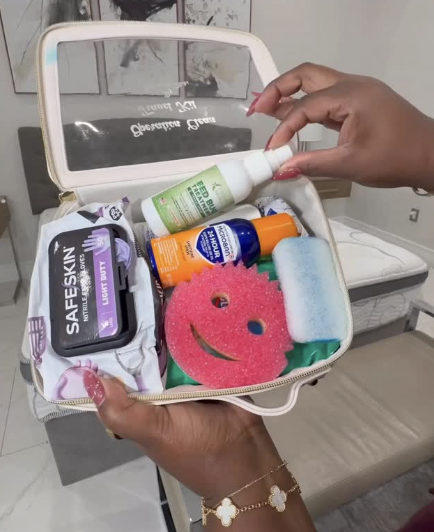
Photo Credit:@operation_niki
Cleaning aisles have learned the power of a beautiful bottle. A neutral label and a scent called “Sunday Linen” can make an ordinary spray feel like part of the décor, even when the formula does the same job as a less photogenic option. Pay for performance first: what surface it is safe for, whether you like using it and whether one multipurpose product can replace several specialized bottles.
Buy refills or larger sizes only after you know you will finish them. If you decant for convenience, keep everything clearly labeled and follow the product’s storage directions. Never mix cleaning formulas or place them in containers that could be mistaken for food or drinks. A pretty cabinet is not worth creating a safety problem—or buying three coordinating products when one reliable cleaner already works.
16. Pantry staples without checking unit price
The warehouse-size package looks like the responsible choice until half of it goes stale in the pantry. Bigger is not automatically cheaper, and cheaper per ounce is not automatically better when the quantity exceeds what your household can use. Check the unit price on the shelf tag, then compare it with your real consumption.
Bulk buying works best for staples you use consistently, have room to store and can keep fresh. It works less well for a new snack flavor, specialty ingredient or produce bought with optimistic meal plans. Split large packages with someone when that makes sense, freeze what stores safely and label the purchase date. Food waste is part of the cost, even though it never appears beside the price per ounce.
17. Children’s special-occasion clothes
Children have a special talent for outgrowing the outfit between the family photo and the event it was purchased for. Formal dresses, tiny suits, holiday shoes and costume pieces often receive only a few hours of wear, which makes them ideal categories for resale, consignment and swaps with family or local parent groups.
Search early enough to compare options, confirm measurements instead of trusting the size label and inspect closures, hems and shoes for wear. Choose pieces that are comfortable enough for the child to move, sit and eat in, because the fanciest bargain is wasted if it comes off before the ceremony begins. Save, resell or pass the outfit along afterward rather than letting it become an expensive memory at the back of the closet.
18. Airport convenience items
Airport prices thrive on urgency. You are thirsty, your phone is dying and the only available charging cable costs enough to make you question every decision that led to Terminal B. A five-minute personal-item check at home can prevent most of those purchases.
Pack an empty reusable water bottle, a snack that will survive the bag, a charged power bank, the right cable, lip balm and any small toiletries you routinely need. Download entertainment before leaving reliable Wi-Fi and bring a light layer so buying an overpriced airport sweatshirt does not become the solution to aggressive air-conditioning. Our 23 travel essentials cover the easy-to-forget items. Spend at the airport when it adds enjoyment—not because a basic need caught you unprepared.
19. Anything bought only because it is on sale
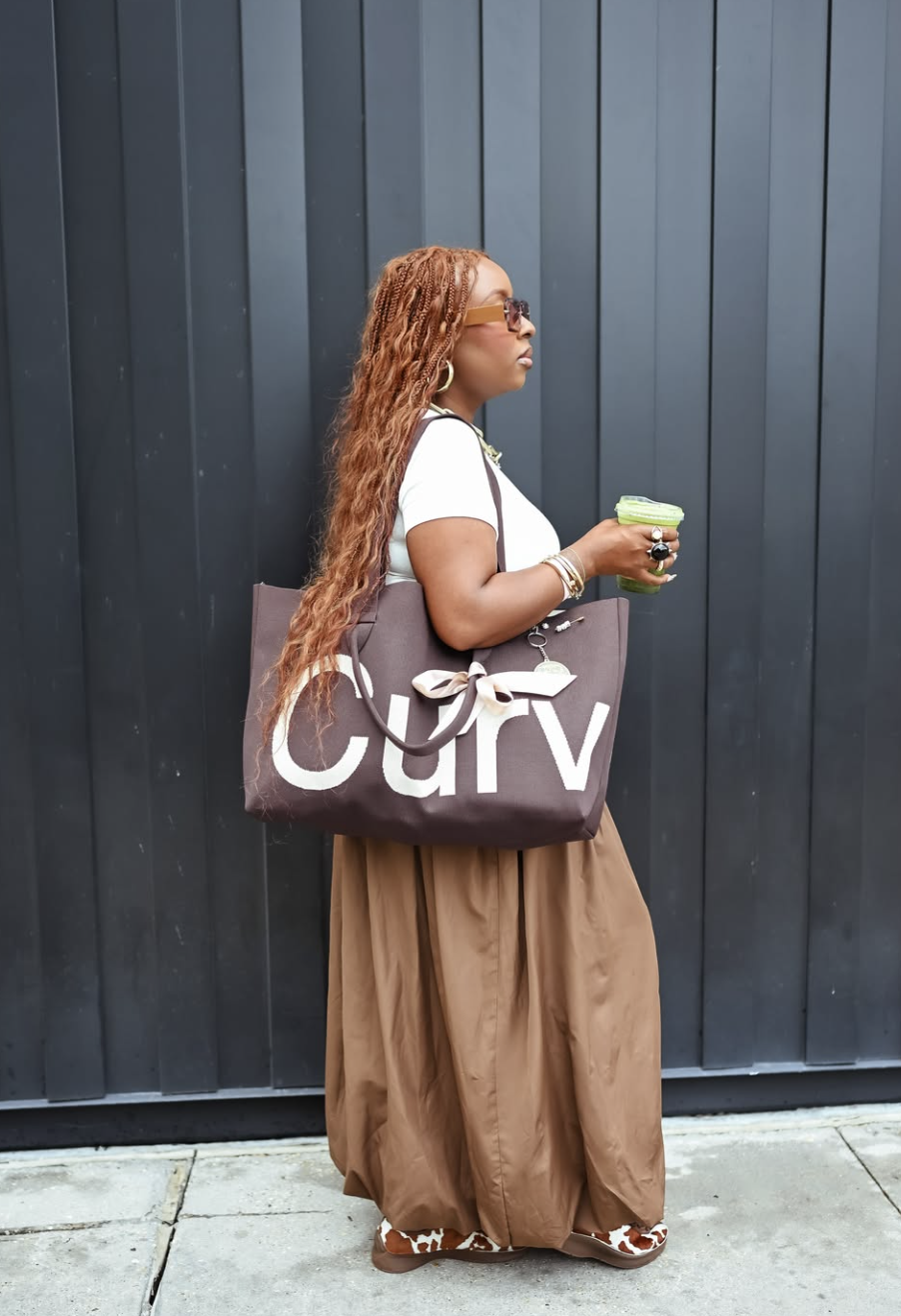
Photo Credit:@styledbyyb
The sentence “but it was on sale” has defended many purchases that never should have entered the house. A markdown tells you how the current price compares with another price; it does not tell you whether the item fits, solves a problem or deserves space in your budget. Spending $60 on something originally priced at $120 is still spending $60.
Before checking out, remove the sale language and ask three questions: Would I want this if the tag showed only today’s price? Can I name when and how I will use it? Would I still choose it over the other things this money could support? If the answers are vague, leave it behind or move it to a wish list. The biggest discount is 100 percent when the wrong item stays at the store.
Frugal Living Should Create Freedom
Frugal living should not turn every purchase into a research project or make you feel guilty for buying something simply because it brings you joy. The purpose is to become more intentional about the categories where waiting, comparing or choosing another route consistently improves the outcome.
Start with the three areas that cost you the most—not all 19. Set price alerts for planned purchases, keep a short wish list and decide what “good enough” means before the promotion arrives. When an urgent or necessary purchase cannot wait, buy it without treating the timing as a personal failure.
You May Also Like:
The Capsule Wardrobe Strategy That Cut My Clothing Costs in Half
100 Amazon Finds Under $50 That Look Shockingly Expensive
3 Style Upgrades Every Woman Needs to Look and Feel More Attractive


✦ Creator images used for editorial purposes only. All rights belong to their respective creators. We always link and give credit.
✦ Check Out Our Men's Site
Trending on MensOutfitsDaily