
Why Is My Hair So Dry and Itchy in Winter? Here's What Actually Helps
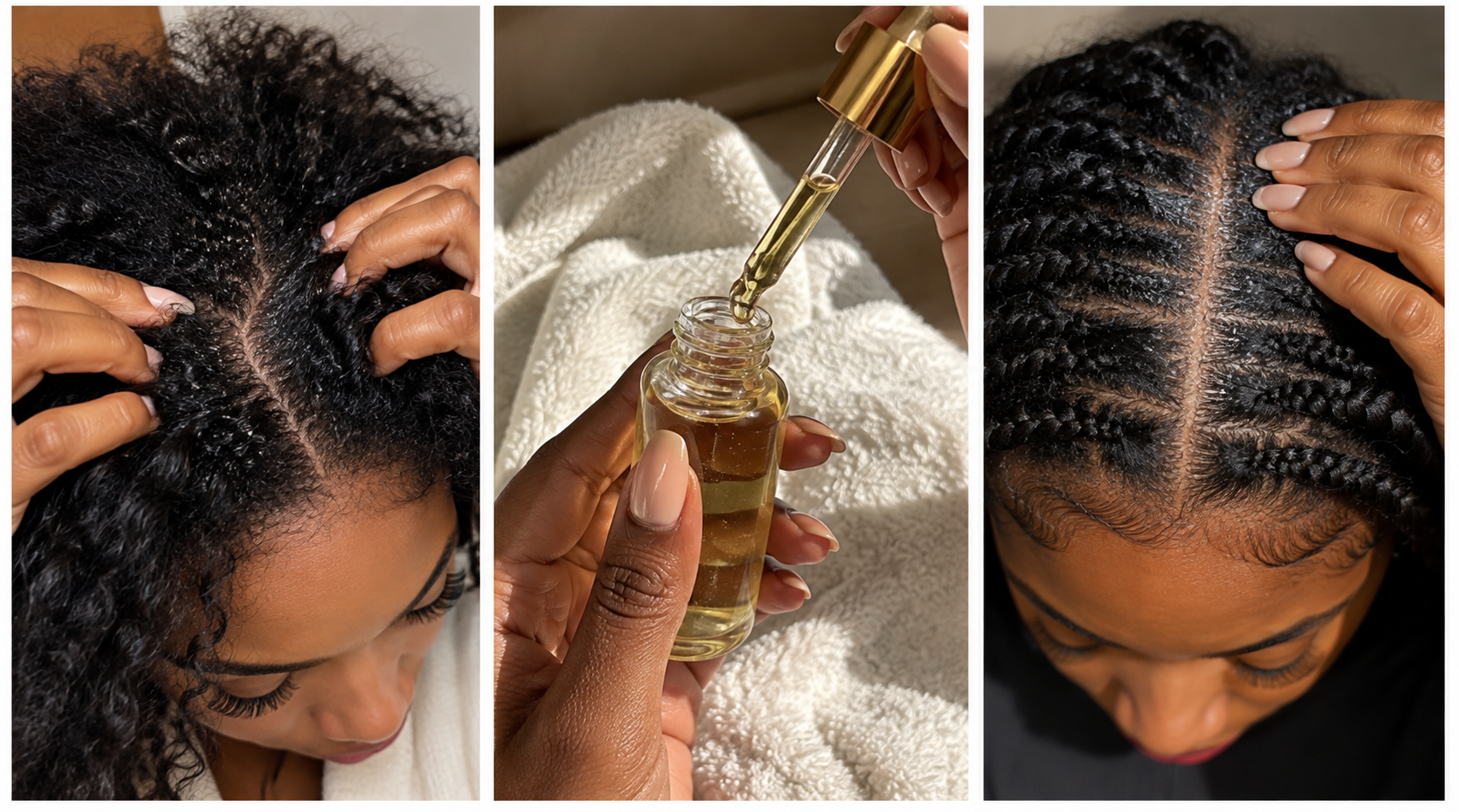
There’s a particular kind of frustration that comes with doing your hair, feeling good about it, and then realizing two days later that your scalp is itching and your ends already feel dry. In winter, the problem can feel nonstop. You add oil, try another leave-in, switch conditioners, and somehow your hair still isn't cooperating.
For Black women, the solution isn't automatically a heavier grease or a longer stretch between wash days. Natural curls, relaxed hair, color-treated strands and silk presses can all react differently to winter routines. And an itchy scalp isn't always a dry scalp. Here's how to sort out what's happening and make changes that actually fit the way you wear your hair.
Why Does My Scalp Get So Dry and Itchy in Winter?
Cold weather and low indoor humidity can contribute to dry skin, including the scalp. But weather is only one possibility. Fragranced products, leftover shampoo, styling buildup and certain scalp conditions can also cause itching. The Cleveland Clinic explains that dry scalp happens when skin loses moisture, while dandruff has different causes and may need different treatment.
Start by noticing what changed. Did the itching begin when the heat came on? After you switched shampoos? After a new protective style? Is it just dryness, or are there flakes, soreness, bumps or patches? Those clues matter more than buying another random bottle of oil.
First, Figure Out Whether It's Dry Scalp or Dandruff
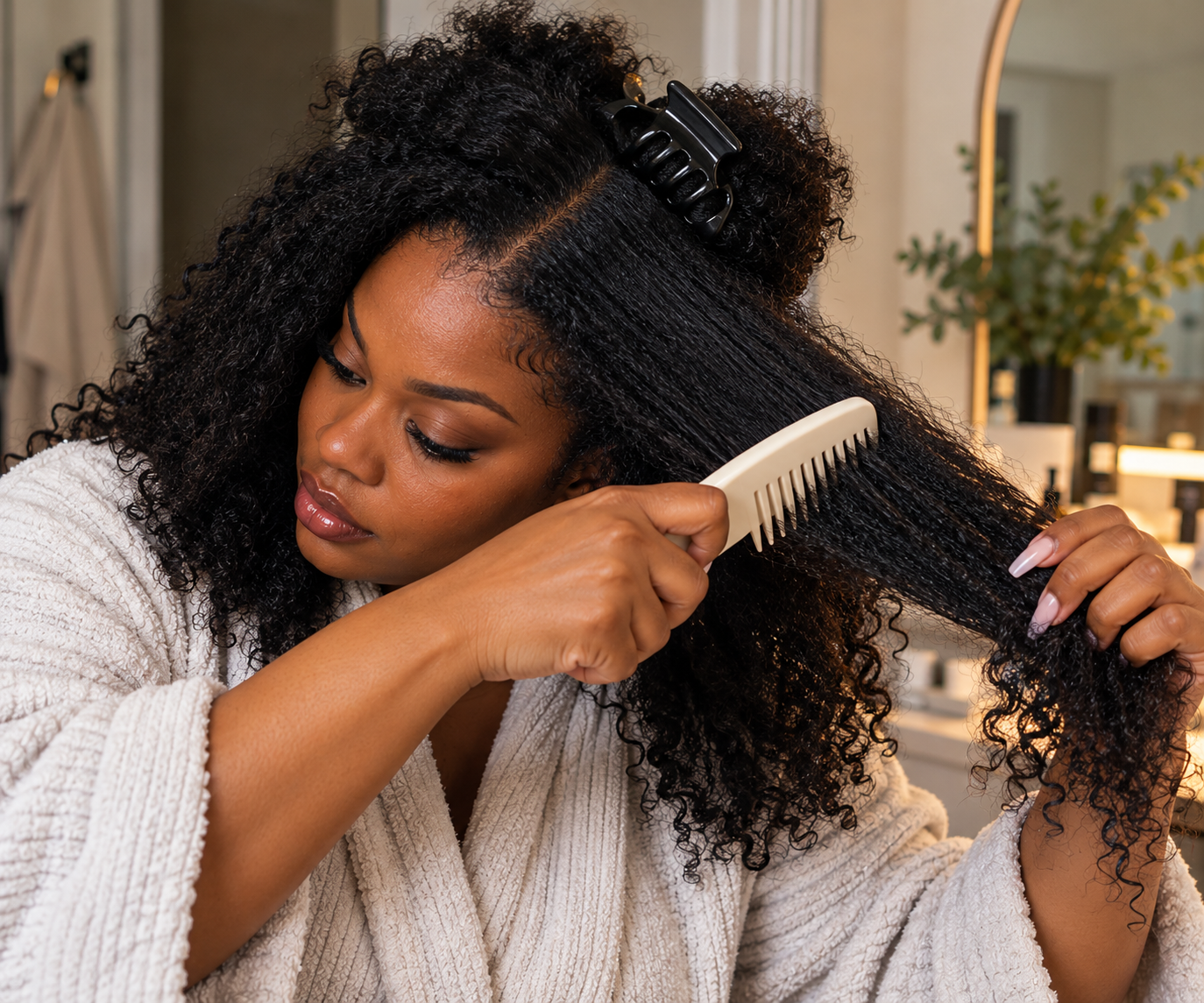
A dry scalp and dandruff can both itch and flake, so you can't reliably diagnose one from a quick glance. Dryness may improve with gentler cleansing and a more comfortable routine. Dandruff, often linked with seborrheic dermatitis, may require a dandruff shampoo. The American Academy of Dermatology explains the distinction and when to see a dermatologist.
If you suspect dandruff, look for a properly labeled anti-dandruff shampoo and follow its directions rather than improvising a treatment with essential oils. Dermatologists note that curly and coily hair may need the treatment applied mainly to the scalp to avoid unnecessarily drying the lengths.
1. Stop Treating Every Itch With More Oil
A little oil can make hair feel softer and reduce friction, but piling it onto an irritated scalp doesn't establish why the scalp is itchy. If the problem is product sensitivity, dandruff or buildup, another layer may complicate the situation. Notice whether an oil or scalp serum actually improves comfort or simply makes the roots greasy. If itching follows a new product, stop using it and assess whether the irritation settles.
2. Keep Washing Your Scalp, Even When Your Hair Feels Dry
It may feel logical to avoid shampoo all winter, but scalp buildup can make matters worse. The American Academy of Dermatology recommends washing Black hair regularly, often weekly or every other week, while adjusting to individual needs and styles. Shampoo the scalp gently, rinse thoroughly and condition the lengths.
If your scalp is oily, sweaty or prone to flaking, you may need a different schedule. If you wear braids or twists, keep the scalp accessible for cleansing and avoid letting buildup sit for weeks. No universal wash-day calendar works for everybody.
3. Try a Gentler Shampoo Before Replacing Your Entire Routine
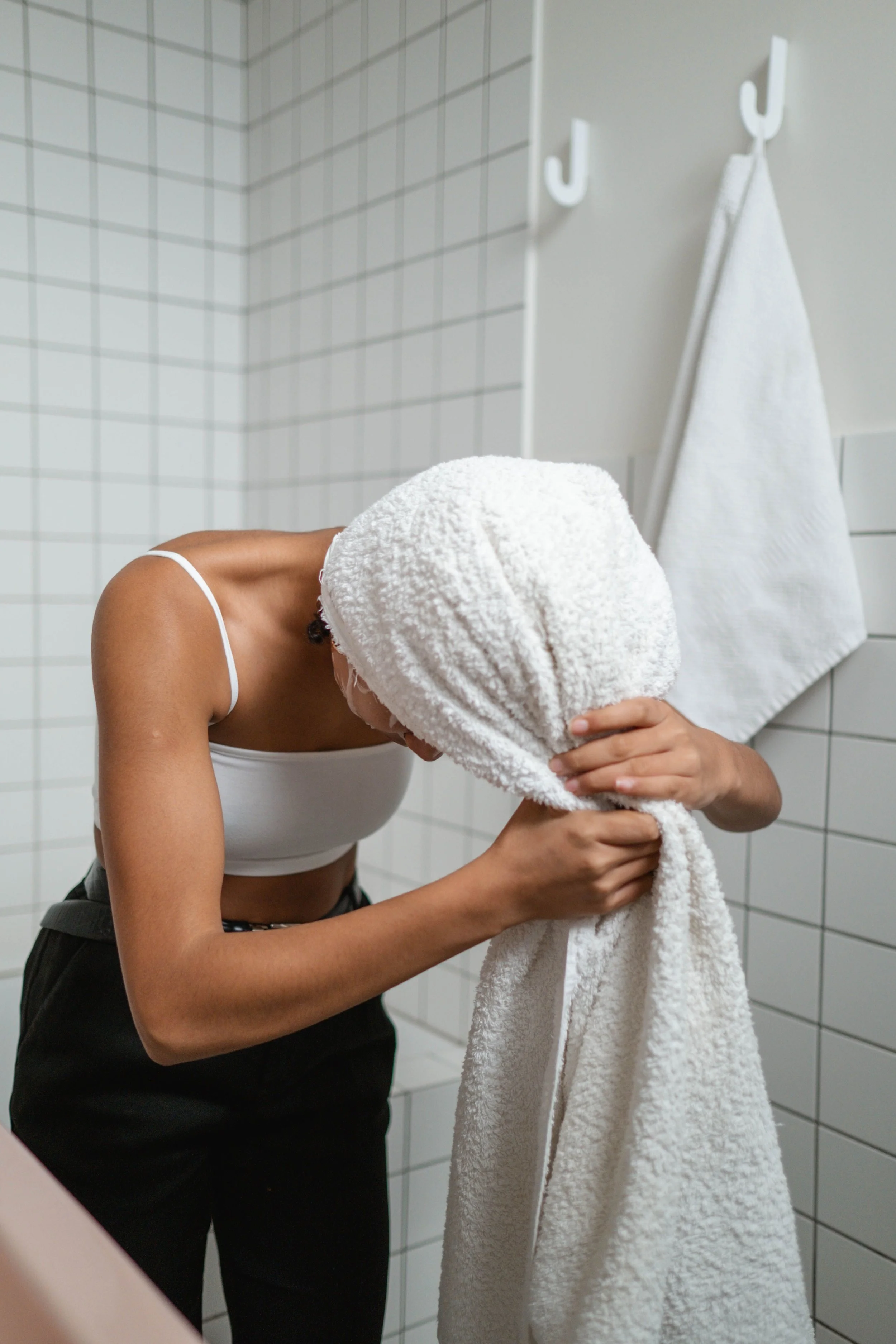
Photo by Ron Lach from Pexels
If your hair feels stripped after every wash, consider a gentler shampoo suited to your hair and scalp. Concentrate cleansing at the roots instead of repeatedly scrubbing the ends, and rinse completely. If you use heavy stylers, occasional buildup removal may still be necessary. The goal is a clean scalp and manageable hair, not the squeaky feeling that leaves your strands tangled.
4. Condition the Hair You Actually Have
Dry natural hair may benefit from a moisturizing conditioner with enough slip to detangle gently. Fine hair can need conditioning too, but often does better with lighter textures that don't leave it flat. Relaxed and color-treated hair may be more fragile, especially through the ends, and deserve careful handling rather than rough combing. The AAD recommends conditioning after shampooing and choosing products for your hair type.
If you use a deep-conditioning mask, follow its directions. Longer isn't always better. For more options, see our guide to hair masks for deep conditioning and repair.
5. Use Leave-In Conditioner Where It Makes Sense
If your hair feels soft on wash day but rough a day later, a leave-in conditioner may help with manageability and detangling. Apply it as directed, typically through the lengths and ends rather than coating an already-irritated scalp. The AAD notes that leave-ins can be useful for curly, dry, color-treated and heat-styled hair, but a rinse-out conditioner shouldn't be left in as a substitute.
If you're maintaining a silk press, repeatedly spraying the hair with water-based products can make the style revert. Focus on conditioning at wash day, heat protection when styling and minimizing daily heat touch-ups.
6. Protect the Ends From Winter Friction
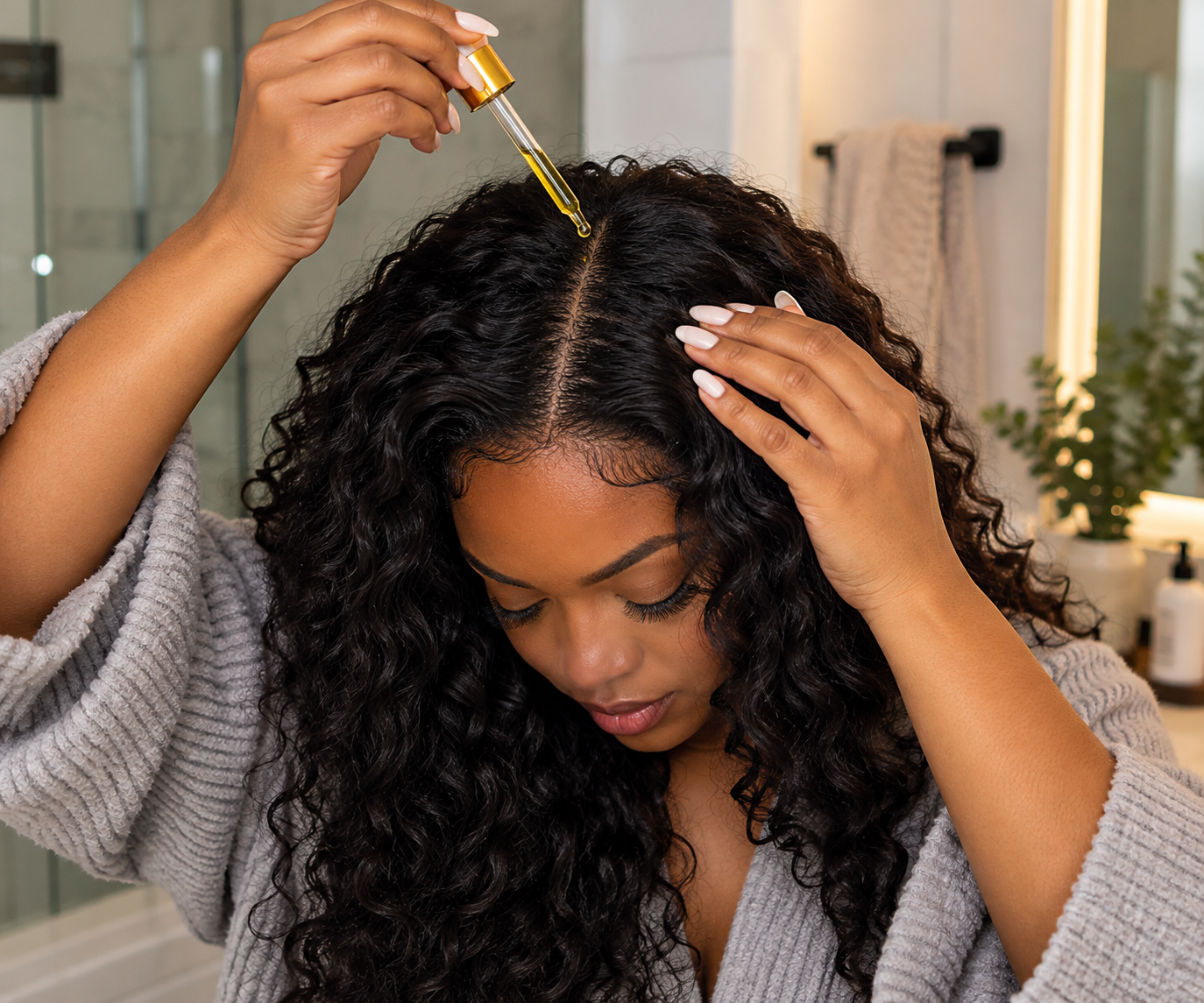
A high collar, scarf or wool sweater can rub against the same section of hair for hours. If your nape and ends are suddenly knotting, consider whether clothing friction is part of the problem. A loose bun, twist or other tucked style on coat-heavy days can help reduce manipulation. The point isn't to hide your hair all winter; it's to keep the oldest, most fragile ends from taking unnecessary wear.
7. Adjust the Routine for Natural, Relaxed and Color-Treated Hair
Natural hair: prioritize a clean scalp, conditioning, gentle detangling and enough moisture for your specific strand thickness and density. Avoid assuming every tight curl needs thick butter.
Relaxed hair: minimize harsh manipulation and repeated heat, particularly where new growth meets processed lengths.
Color-treated hair: pay attention to dryness and breakage, use products suited to processed hair and be careful with overlapping chemical services.
Silk-pressed hair: rely on good conditioning and heat protection during styling rather than daily flat-iron passes.
These categories overlap, and that's fine. You might have color-treated natural hair or a silk press on relaxed hair. Choose advice based on your actual hair, not an internet chart.
8. Know When Itching Needs a Dermatologist
Persistent itching, sores, tenderness, significant flaking, a rash or new hair thinning deserve professional attention. The AAD lists multiple causes of an itchy scalp, including reactions to products and medical conditions, and notes that effective relief depends on the cause.
If your scalp keeps itching despite changing products or if you notice hair loss, don't keep cycling through home remedies. A dermatologist can evaluate what is happening and recommend appropriate treatment.
What About Scalp Oils?
Scalp oils are not automatically bad, but they aren't interchangeable with treatment for dandruff, dermatitis or other causes of itching. If you like using one, apply sparingly and stop if it seems to worsen irritation. We also have a separate guide to hair oils for an itchy, dry scalp, which can help you compare options while keeping the underlying cause in mind.
A Simple Winter Hair Routine to Try
On wash day: cleanse the scalp, rinse thoroughly, condition the hair, detangle gently and apply a suitable leave-in if needed. Between washes: watch for itching or buildup, protect ends from friction and avoid repeatedly adding heavy products without checking whether they help. At night: use a low-friction hair covering or pillowcase if it works for your style. If you use heat, keep it intentional and use heat protectant.
This isn't a one-size-fits-all routine. Fine, coily, relaxed, braided and color-treated hair can all need different product amounts and styling schedules.
You May Also Like:
The 5 Best Hair Masks for 4C Coils, Waves, and Damaged Strands
We Tested 12 Scalp Oils—These Are the Best for Itchy, Dry, and Sensitive Scalps
The Best Scalp Tools in 2026 (Massagers, Scrubbers, and Brushes for Every Hair Type)
Best Shampoos for Itchy Scalp (10 That Soothe Dryness, Flakes, and Irritation Fast)

✦ Creator images used for editorial purposes only. All rights belong to their respective creators. We always link and give credit.
✦ Check Out Our Men's Site
Trending on MensOutfitsDaily